
Antigua Guatemala
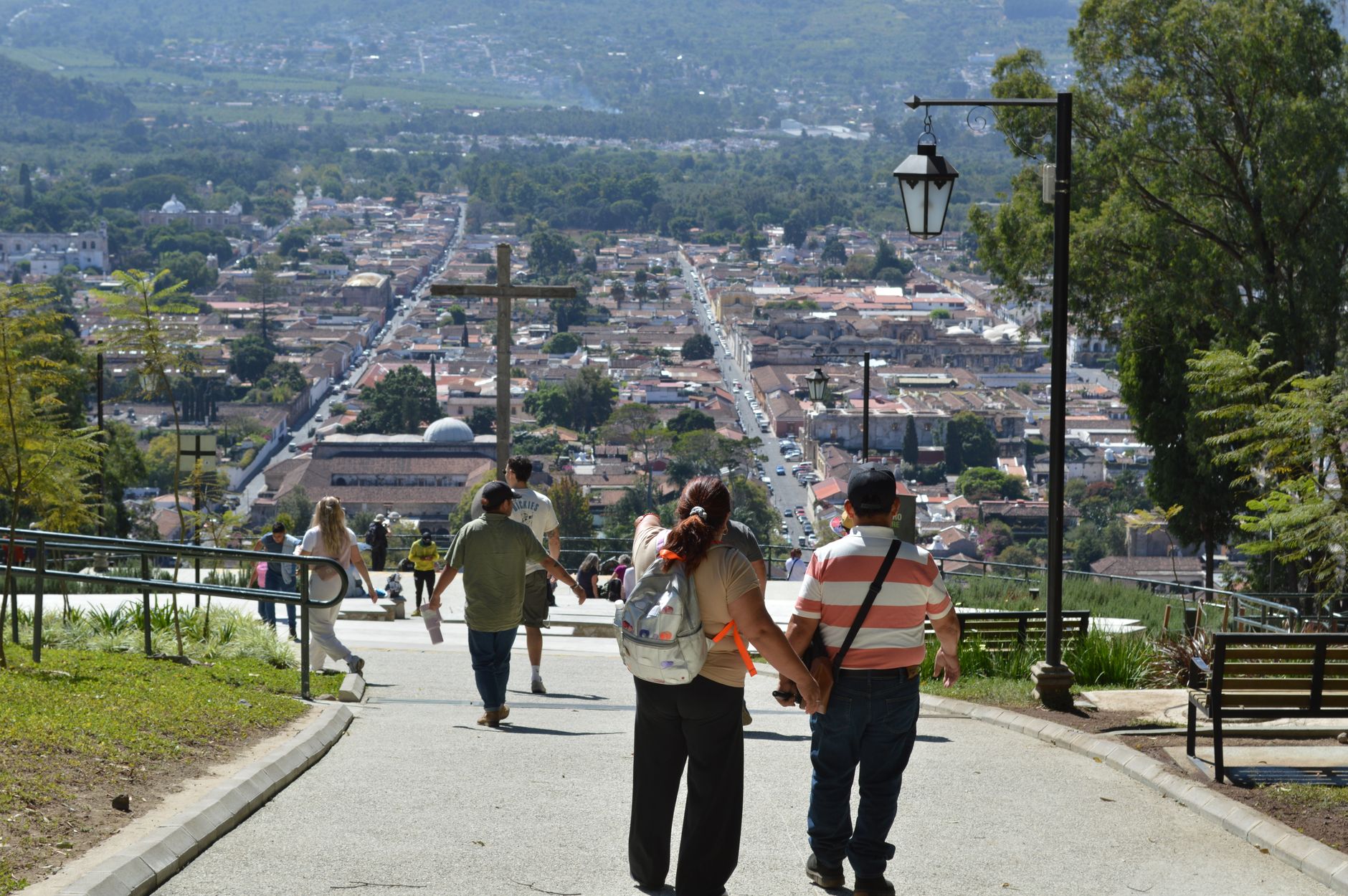
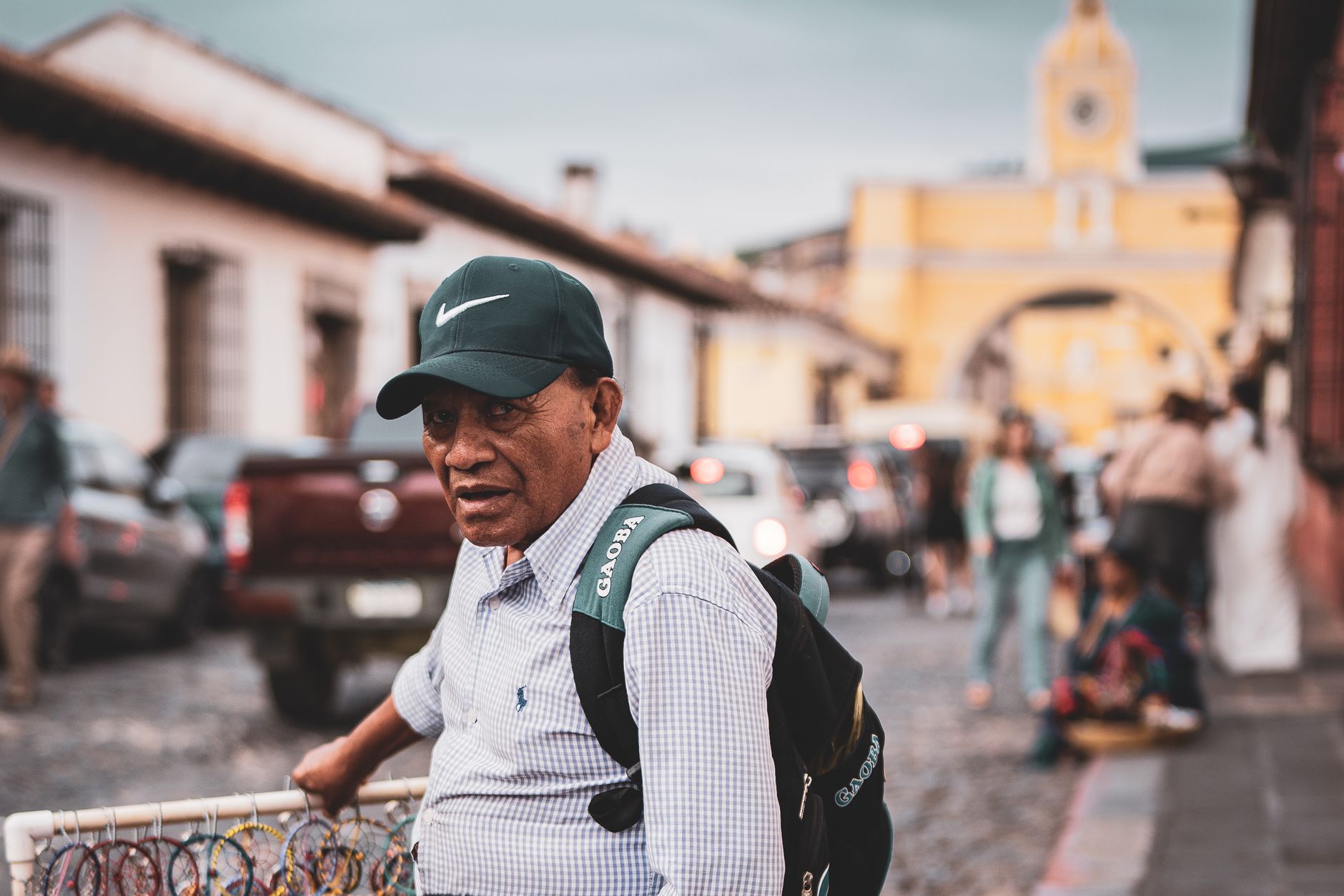
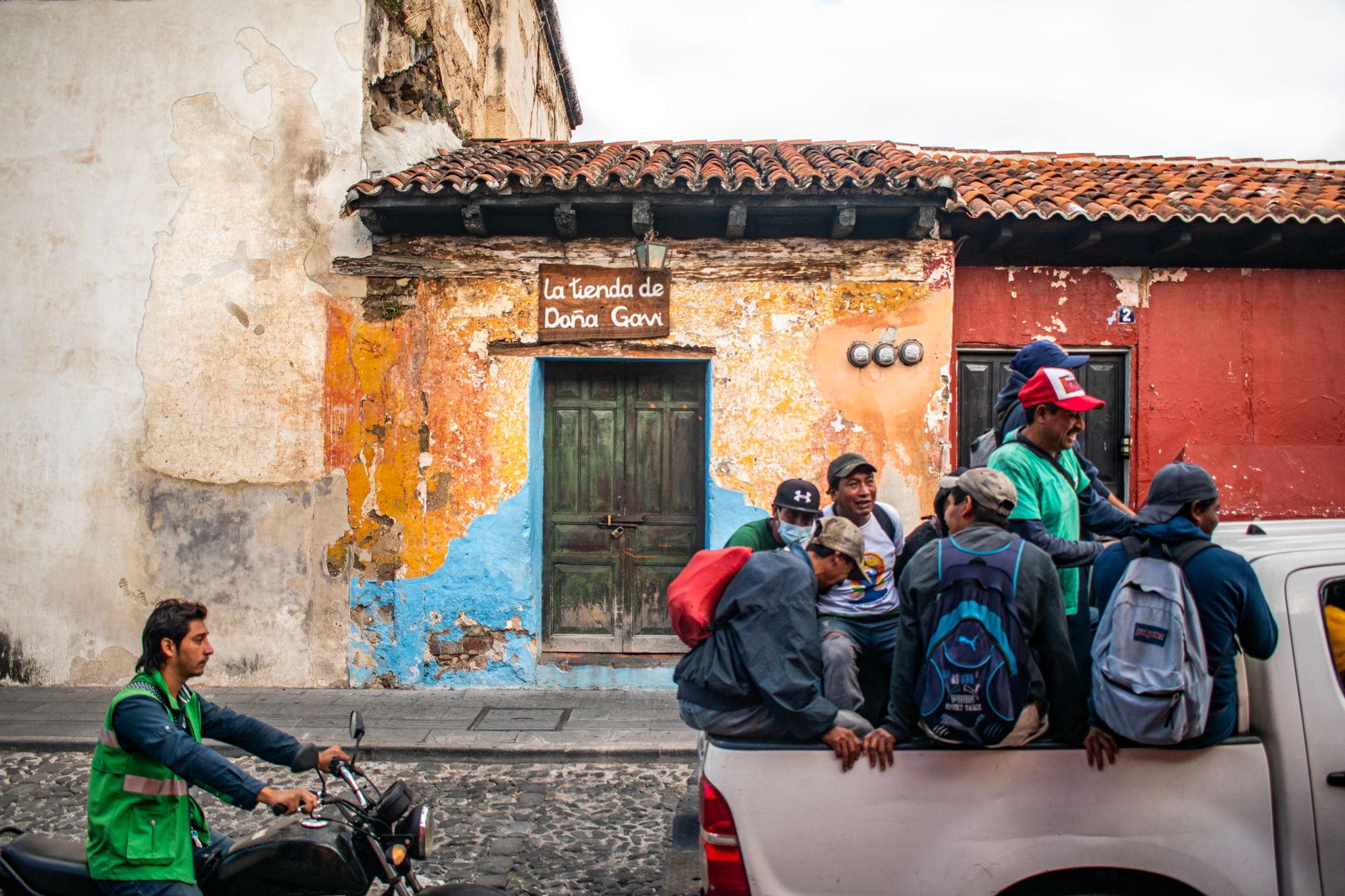
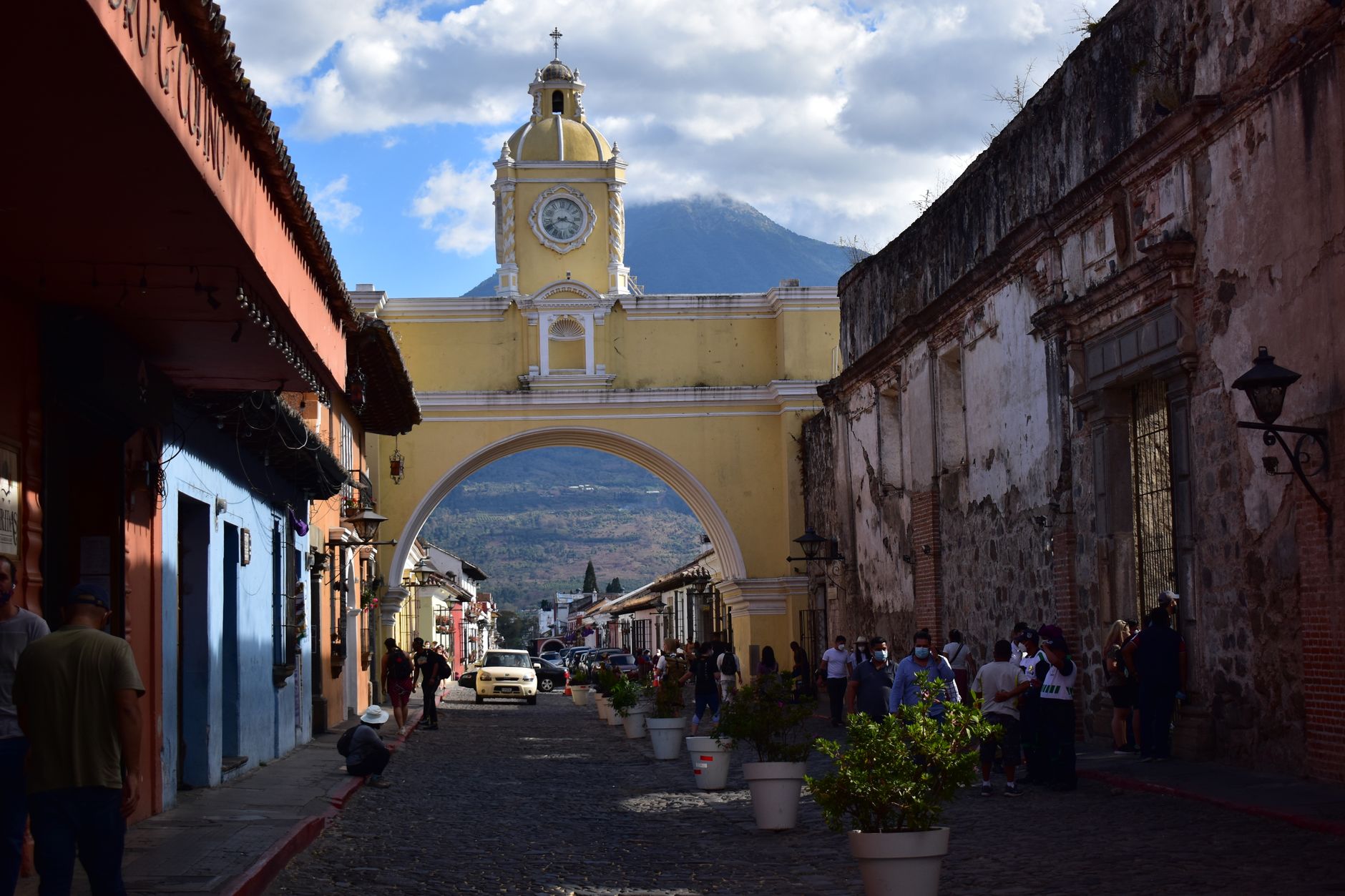
The streets of Antigua run on a grid laid down in 1543, and the cobblestones underfoot are the same ones that have absorbed centuries of earthquakes, processions, and daily life. The city's official color palette — sky blue, rust, ochre, mustard, mahogany — is regulated by a national council working from archaeological studies of colonial lime-based paints, which is why the facades look the way they do: not restored to a fantasy, but matched to what was actually there.
This is a former capital, and the scale of its ruins and surviving churches reflects that ambition. The Cathedral of Santiago took over a century to build and was gutted by the 1773 Santa Marta earthquakes. The Santa Catalina Arch was designed so that nuns could cross the street without being seen. These are not decorative details — they are the city's actual biography.
💛 What travellers fall for
People who come back tend to anchor to the Parque Central in the early morning, before the tour groups arrive, when the fountain and the cathedral facade have the light mostly to themselves. They also learn quickly that the dry months — January through March — mean clear skies and cold nights, so a layer for after sundown is not optional.
How Antigua Guatemala came to be
Spanish conquistadors founded Santiago de los Caballeros de Guatemala on March 10, 1543, relocating the capital eight kilometres north into the Panchoy Valley after previous sites were destroyed. For 230 years it served as the seat of the Captaincy General of Guatemala, accumulating the churches, convents, and civic buildings that still define its skyline.
The Santa Marta earthquakes of 1773 ended that chapter. Much of the city was destroyed, and the capital was relocated to what is now Guatemala City. The old city was renamed La Antigua Guatemala — The Old Guatemala — and left largely in place, ruins and all. That combination of intact colonial urbanism and dramatic earthquake damage is what earned it UNESCO World Heritage status in 1979.
Who and what shaped it
People who shaped it
Landmark buildings
See Antigua Guatemala in motion
Plan your visit
On the map
When to go
Antigua sits at subtropical highland elevation, with daytime highs rarely above 28°C and nights cooling to around 13–16°C year-round. The dry season runs December through March — the most reliably clear months — while September alone can bring over 300mm of rain across more than three weeks.
Right now
Background & history adapted from Wikipedia (CC BY-SA) · specs from Wikidata (CC0) · weather from Open-Meteo · map data © OpenStreetMap contributors · photos from Wikimedia Commons / Unsplash with per-image credit. No third-party reviews or social posts reproduced.