
Annecy
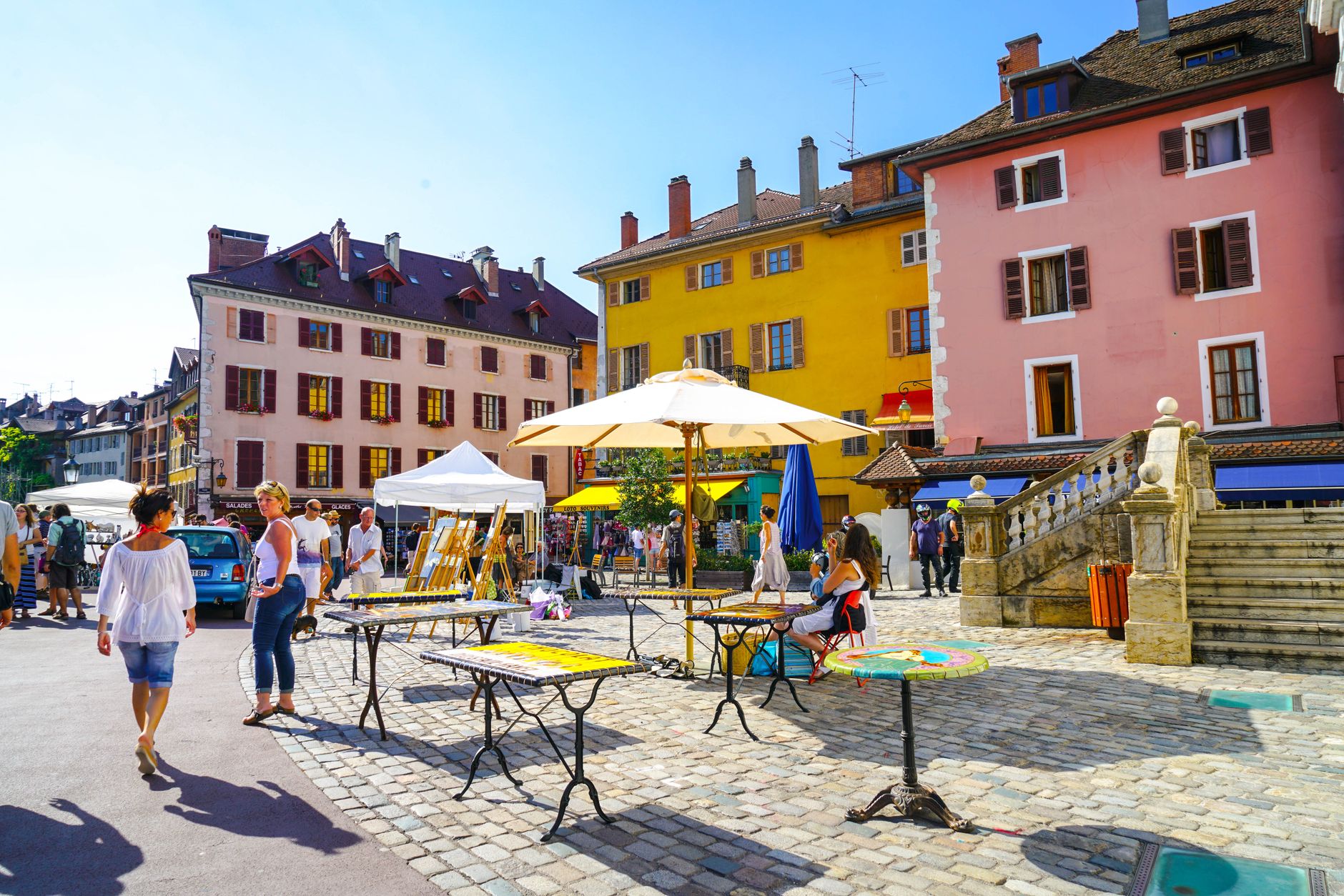
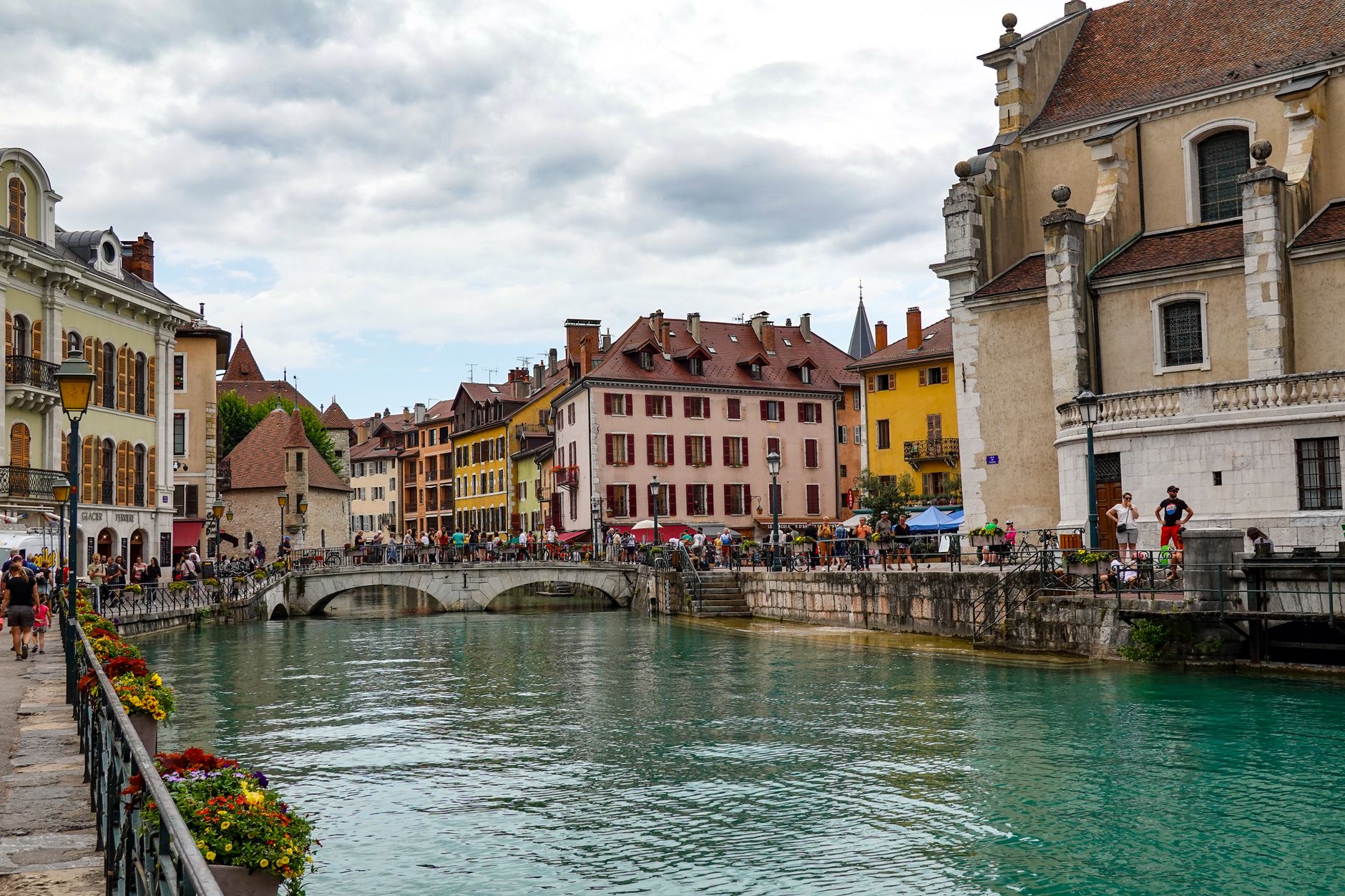
The thing that stops you on the Pont des Amours is not the postcard view — it's the water. Lake Annecy is cold and startlingly clear, fed by alpine streams and protected from industry since the 1960s, so the colour reads somewhere between jade and ink depending on the light. The old town runs along the river Thiou, its arcaded streets and pastel facades reflected in channels that once powered tanneries and paper mills.
Annecy sits at the northern tip of its lake, ringed by limestone ridges that hold the snow well into spring. The medieval core is compact enough to walk in an afternoon, but the surrounding landscape keeps pulling you back outside.
💛 What travellers fall for
People who return tend to arrive by train, walk straight to Rue Sainte-Claire before the tour groups settle in, and save the Château d'Annecy for late afternoon when the light comes in low over the lake. The 10-minute walk from the station to the Palais de l'Île is, more than once, described as one of the better arrivals in France.
Experiences you don't want to miss


Deals in Annecy
Book directly at the provider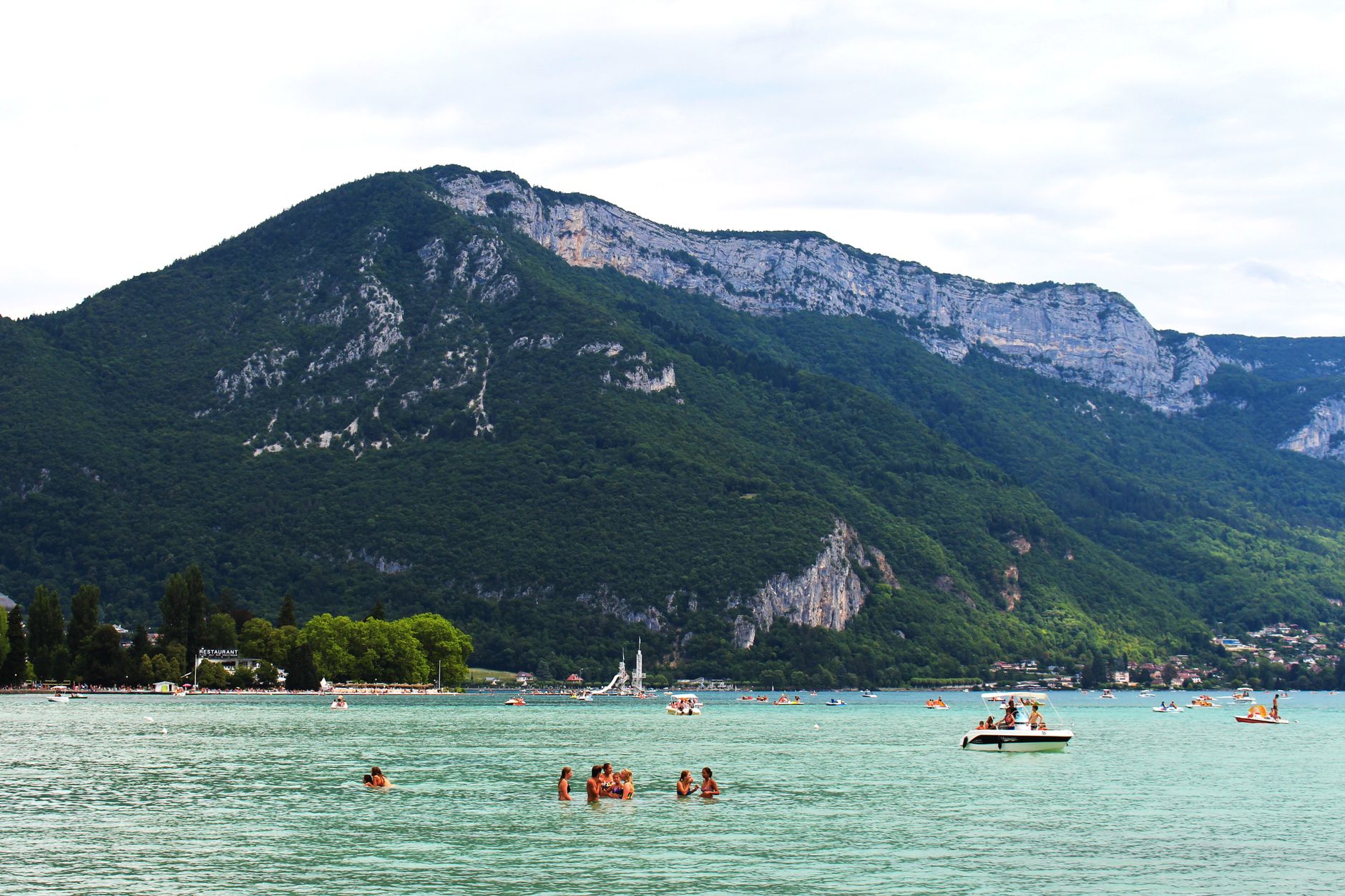

How Annecy came to be
The site has been inhabited since the Romans named it Boutae around 50 BC, but the medieval city took shape under the counts of Genevois from the 10th century, passing to the Duchy of Savoy in 1401. Annecy's defining turn came in 1535, when the Protestant Reformation expelled the Bishop of Geneva and the city absorbed both the bishopric and its institutions almost overnight. The Cathédrale Saint-Pierre, begun that same year as a Franciscan chapel, became the bishop's seat by 1538.
Francis de Sales held the bishopric from 1602 to 1622, founding the first Convent of the Visitation here with Jane Frances de Chantal — both are now interred in the Basilique de la Visitation, consecrated in 1930. In 1728, a 16-year-old Jean-Jacques Rousseau passed through and stayed. Savoy, and with it Annecy, became French in 1860; the railway arrived six years later, and tourism followed the tracks.
Who and what shaped it
People who shaped it
Landmark buildings
See Annecy in motion
Plan your visit
On the map
When to go
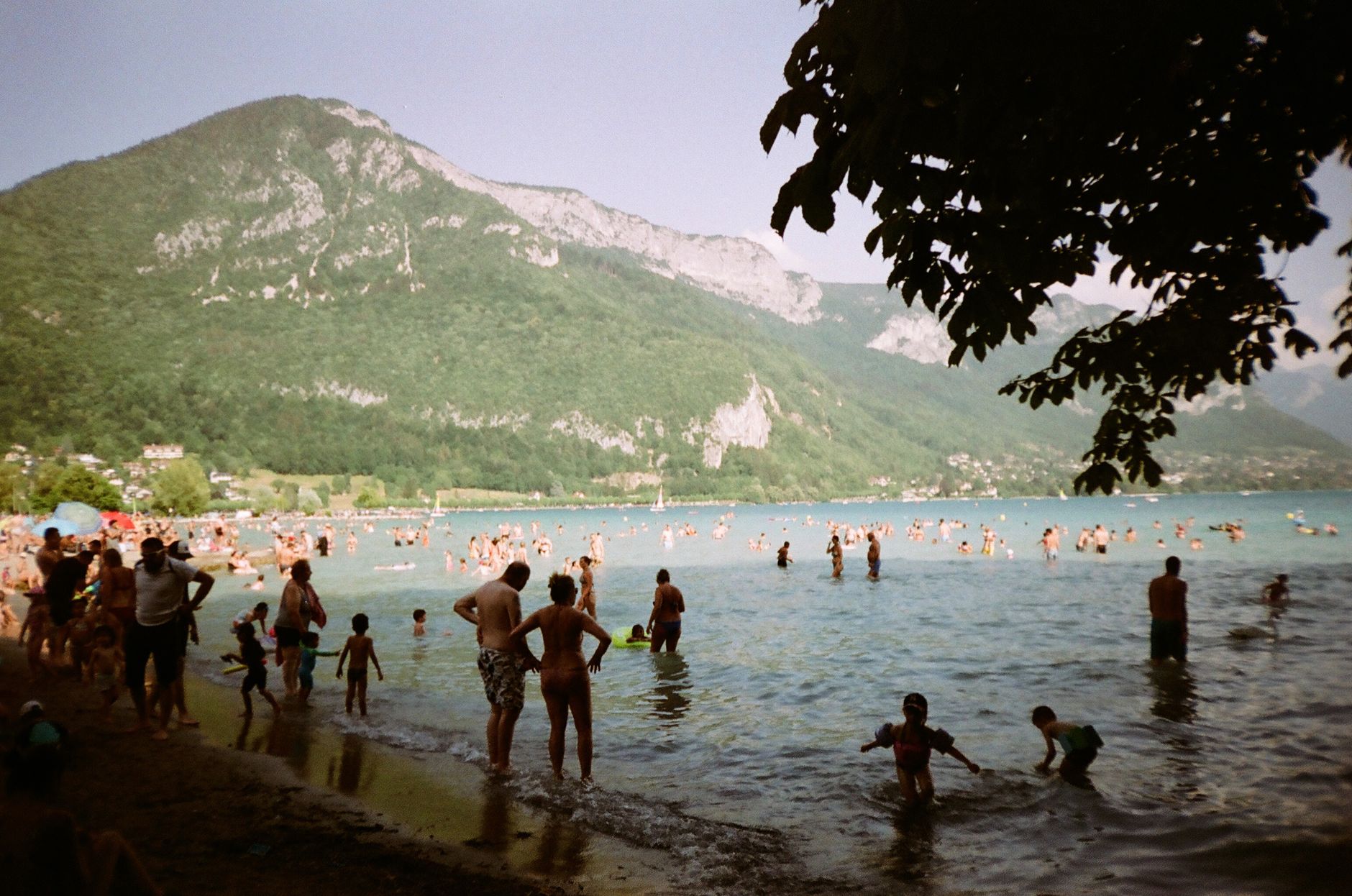
Summers are warm and often sunny, with the lake reaching swimmable temperatures by July, though afternoon thunderstorms roll in from the mountains without much warning. Winters are cold and frequently snowy, making the stone arcades of the old town a practical as well as atmospheric feature.
Right now
Background & history adapted from Wikipedia (CC BY-SA) · specs from Wikidata (CC0) · weather from Open-Meteo · map data © OpenStreetMap contributors · photos from Wikimedia Commons / Unsplash with per-image credit. No third-party reviews or social posts reproduced.