
Amman
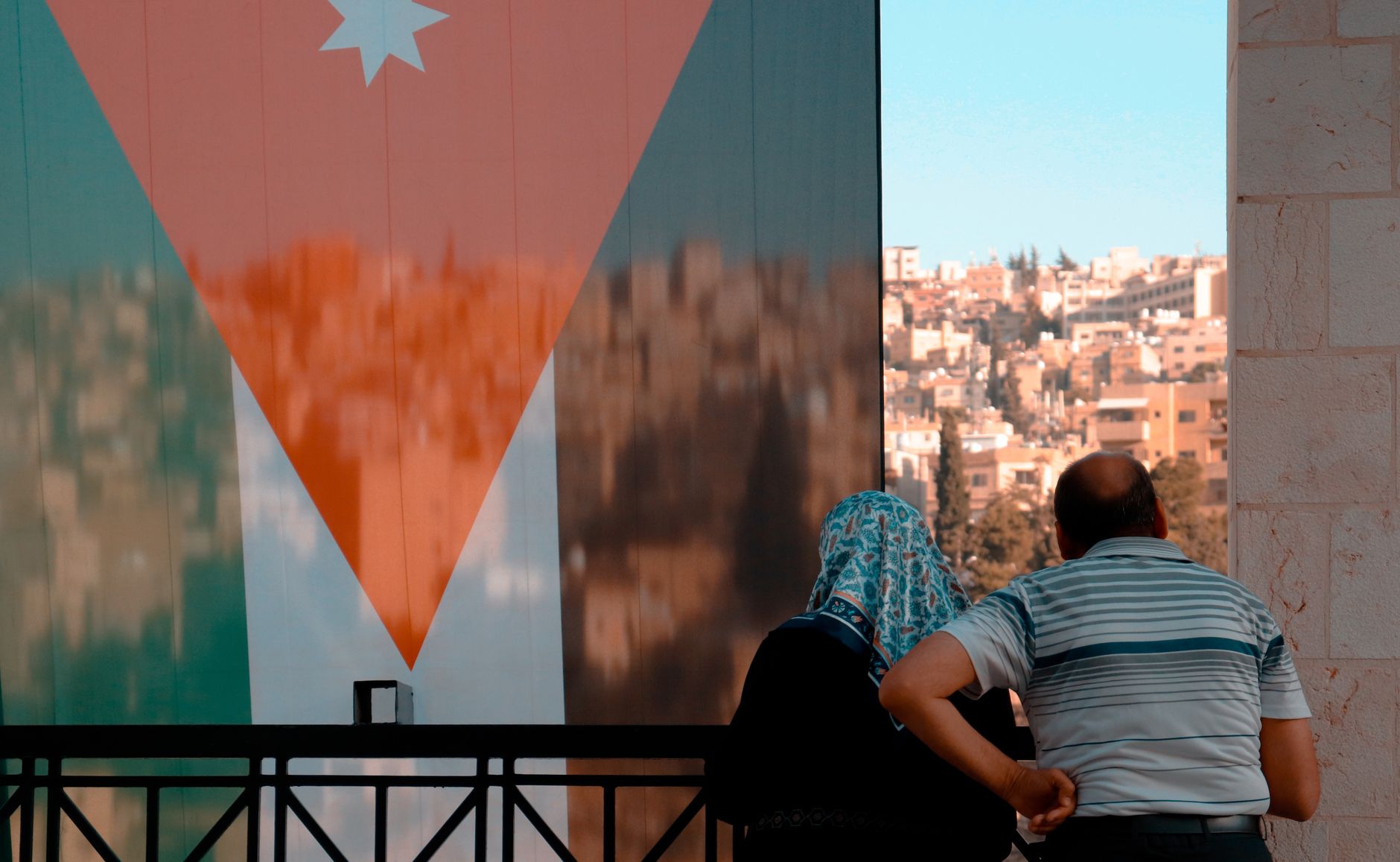
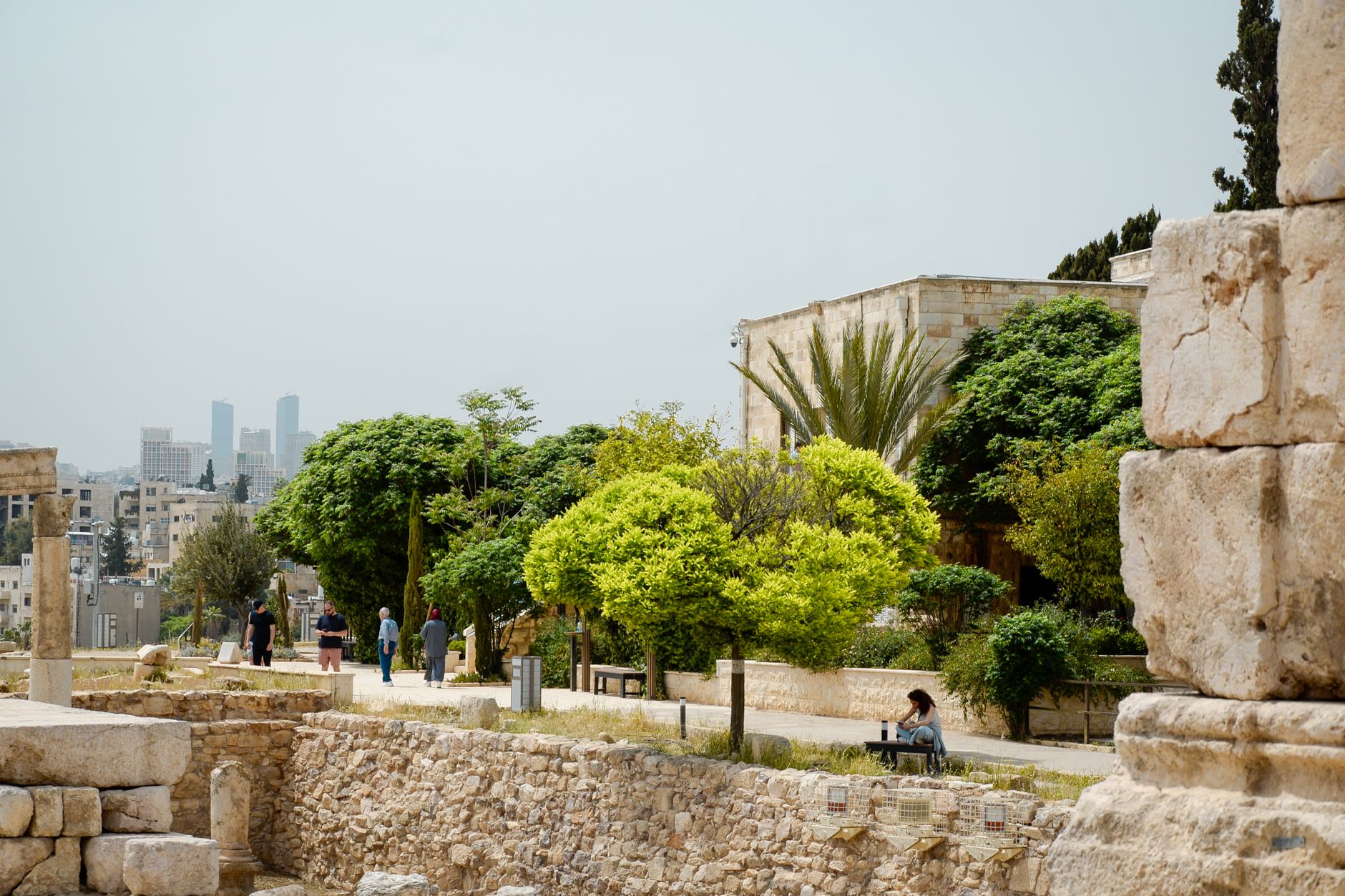
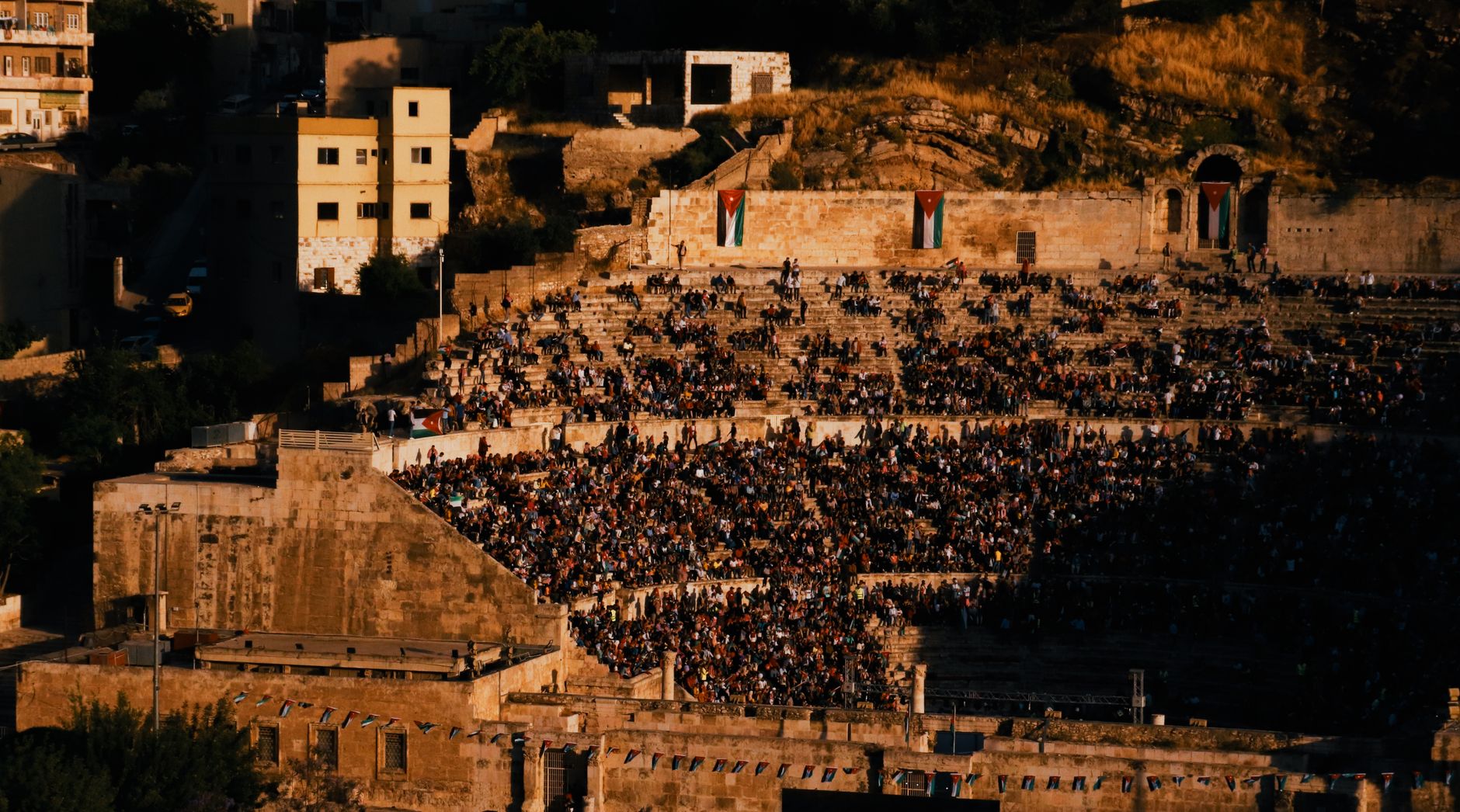
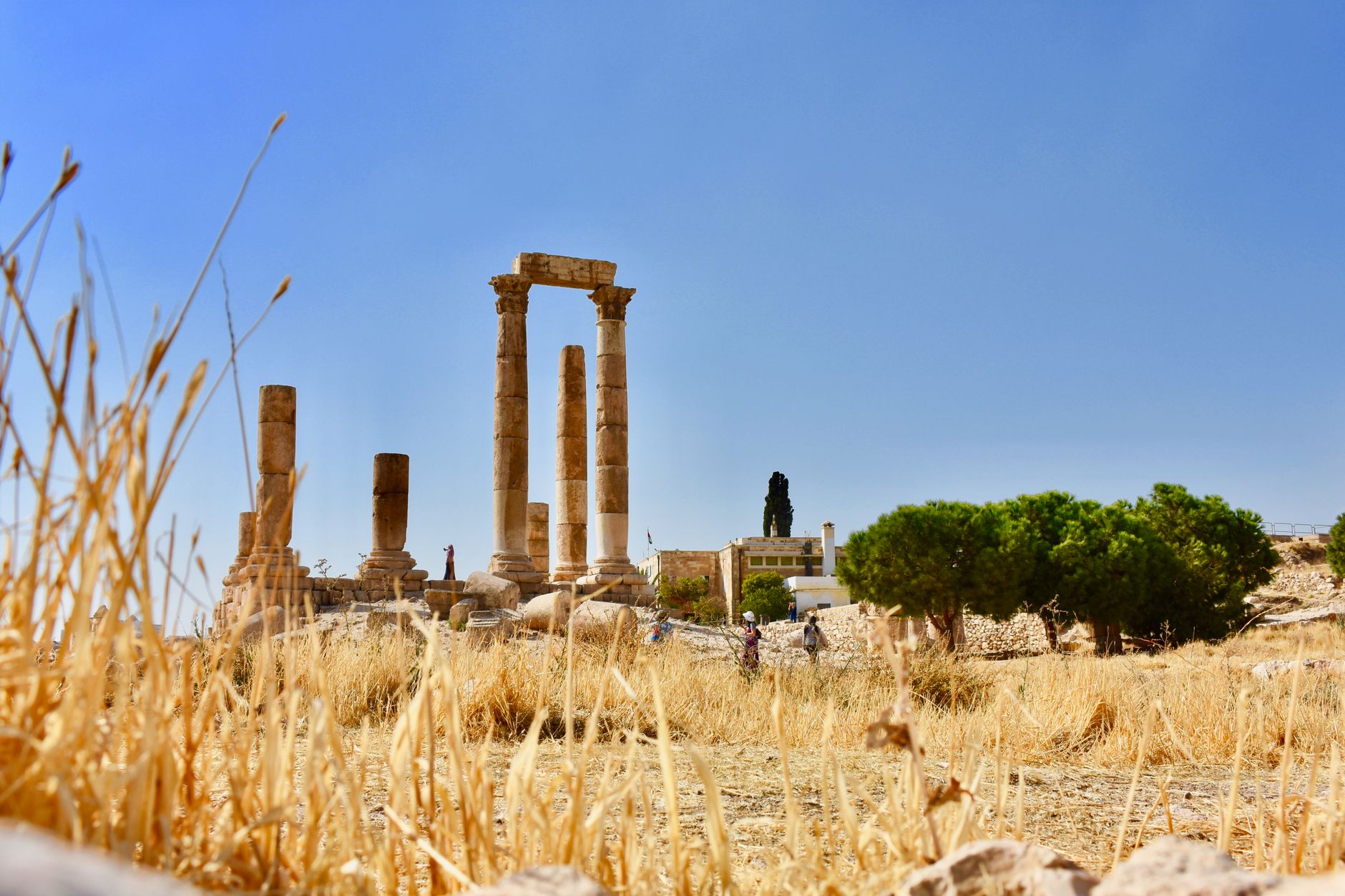
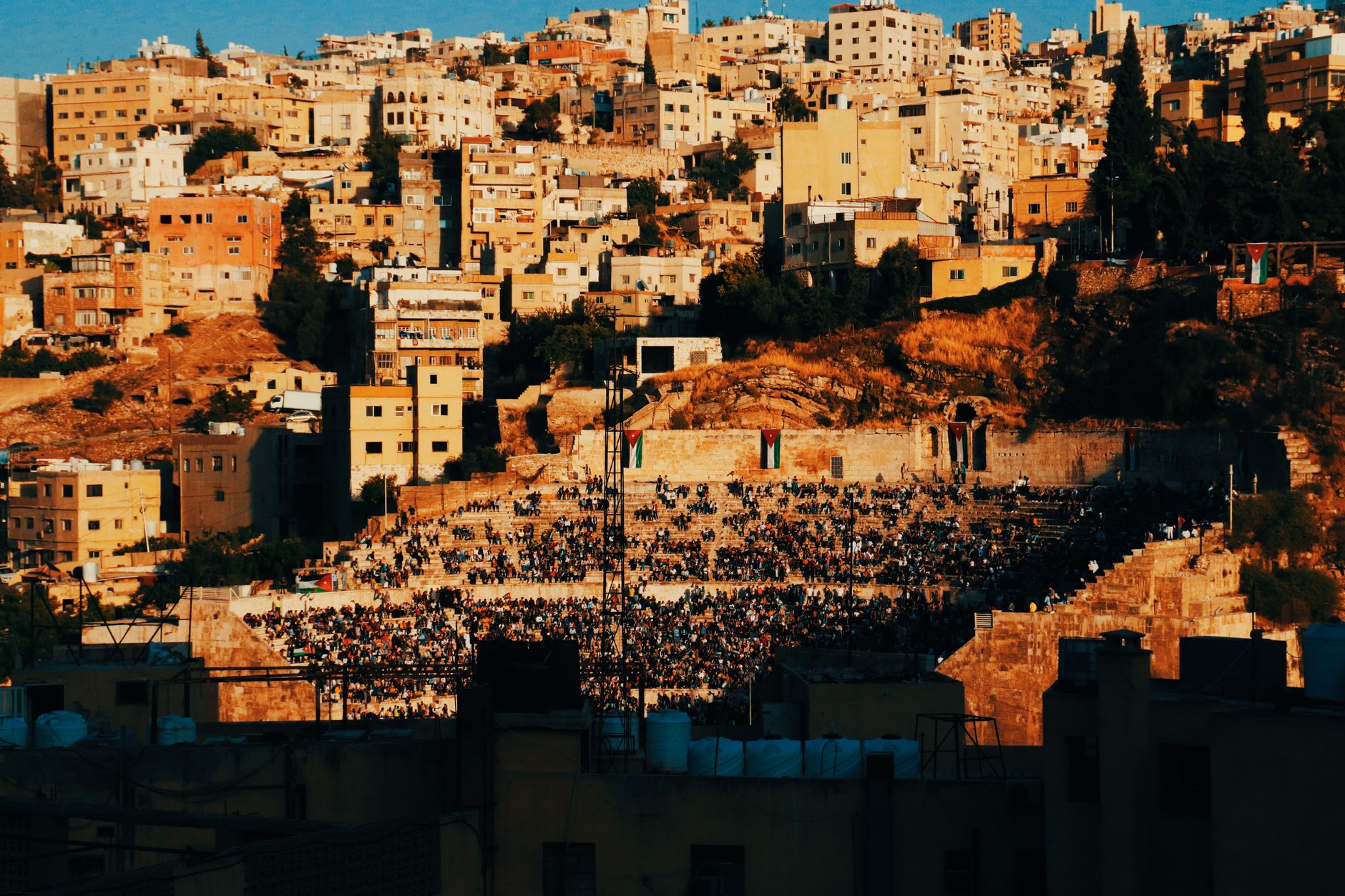
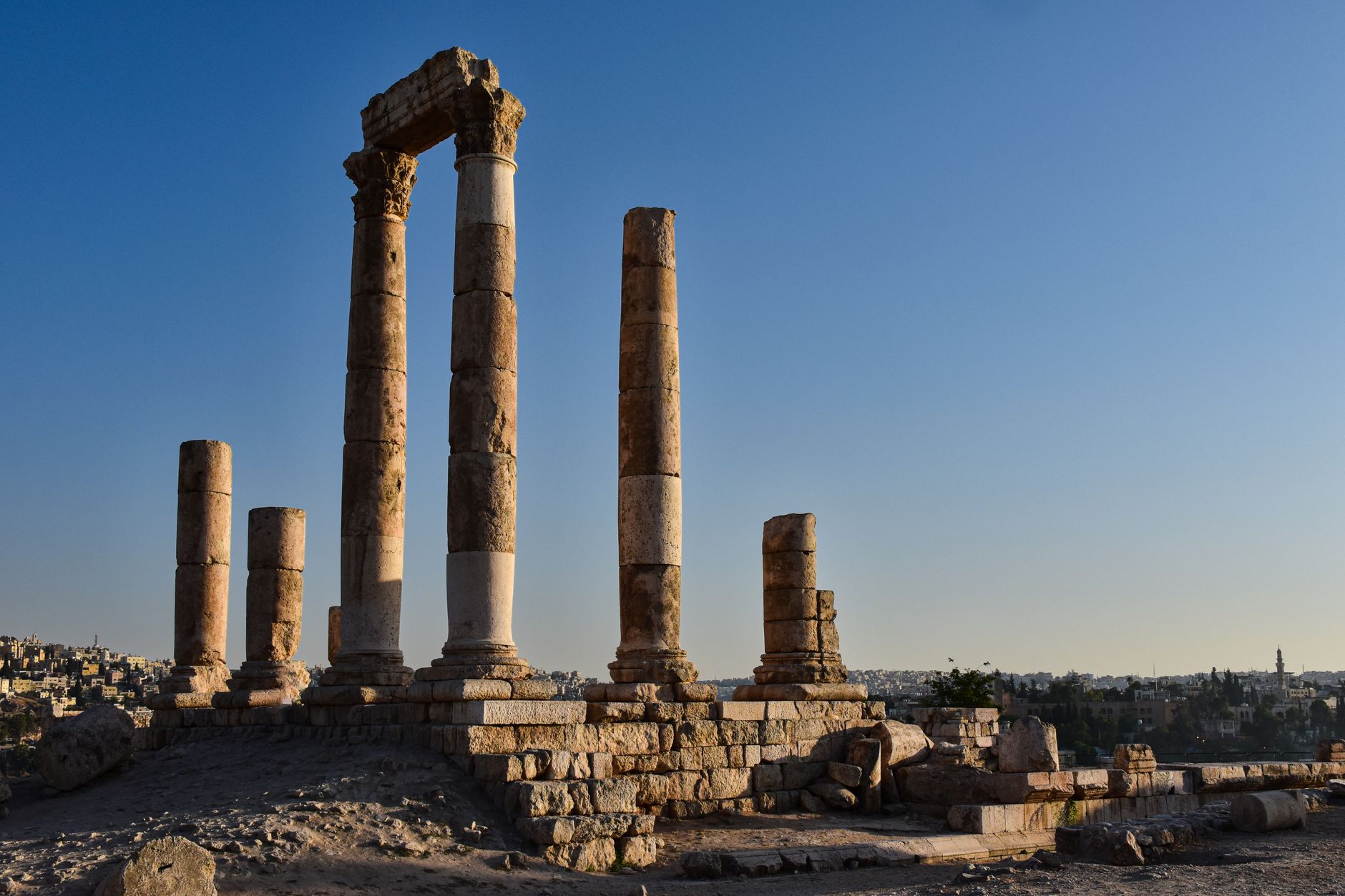
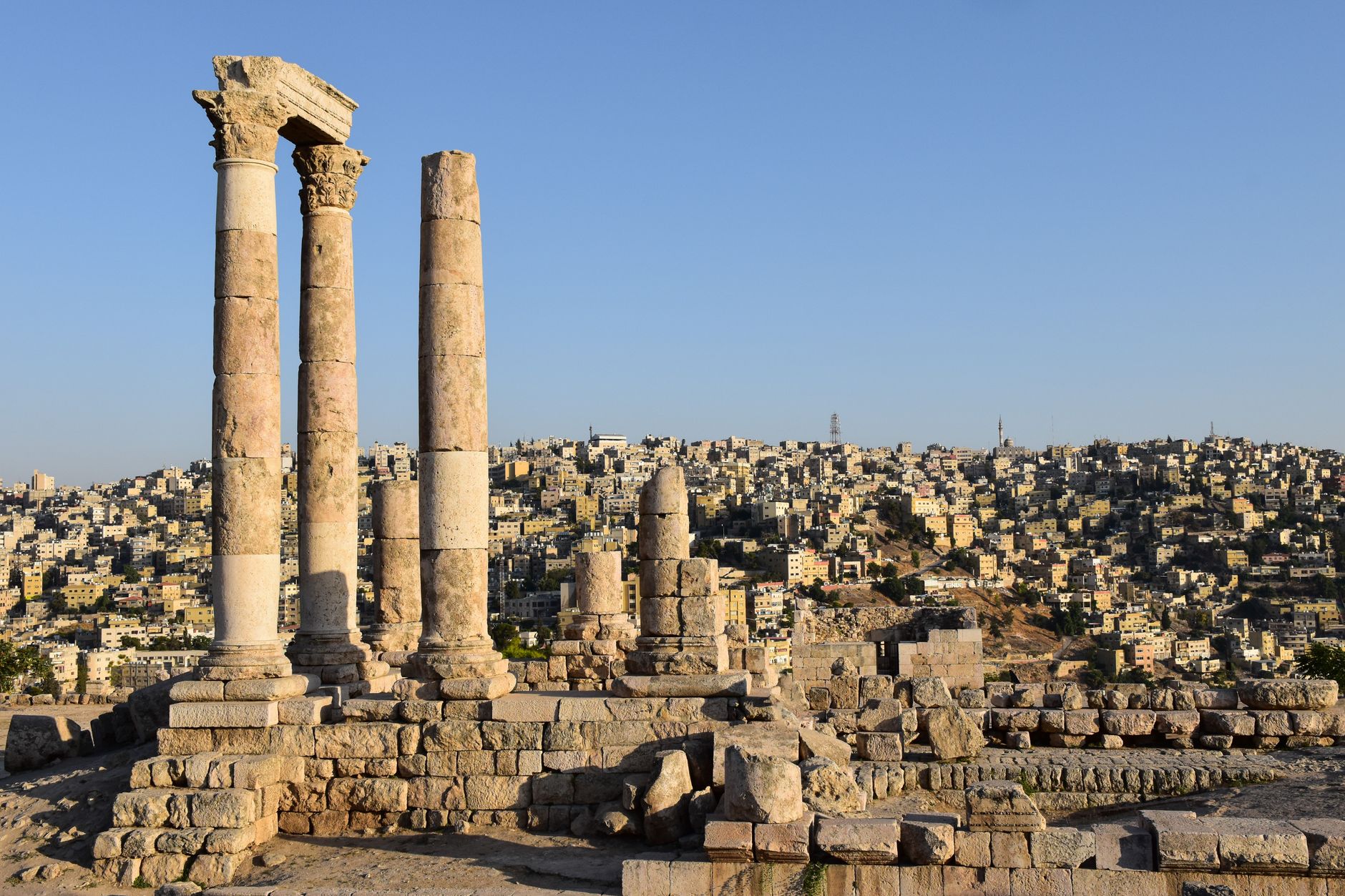
Amman is a city built on hills — seven originally, though the urban sprawl has long since swallowed more — and the oldest of them, Jabal al-Qala'a, has been occupied almost continuously since the Chalcolithic Age. Stand at the Citadel on a clear morning and you can read the whole layered story below you: Roman columns, an Umayyad palace, a Byzantine church foundation, and then the white limestone of a modern capital rolling outward in every direction.
The city moves between registers in a way that takes a few days to calibrate. Downtown Amman — al-Balad — runs on tea, taxi horns, and the smell of ka'ak bread. A twenty-minute drive uphill and you're in Abdoun or Jabal Amman, where the streets quiet down and restaurants stay open late.
💛 What travellers fall for
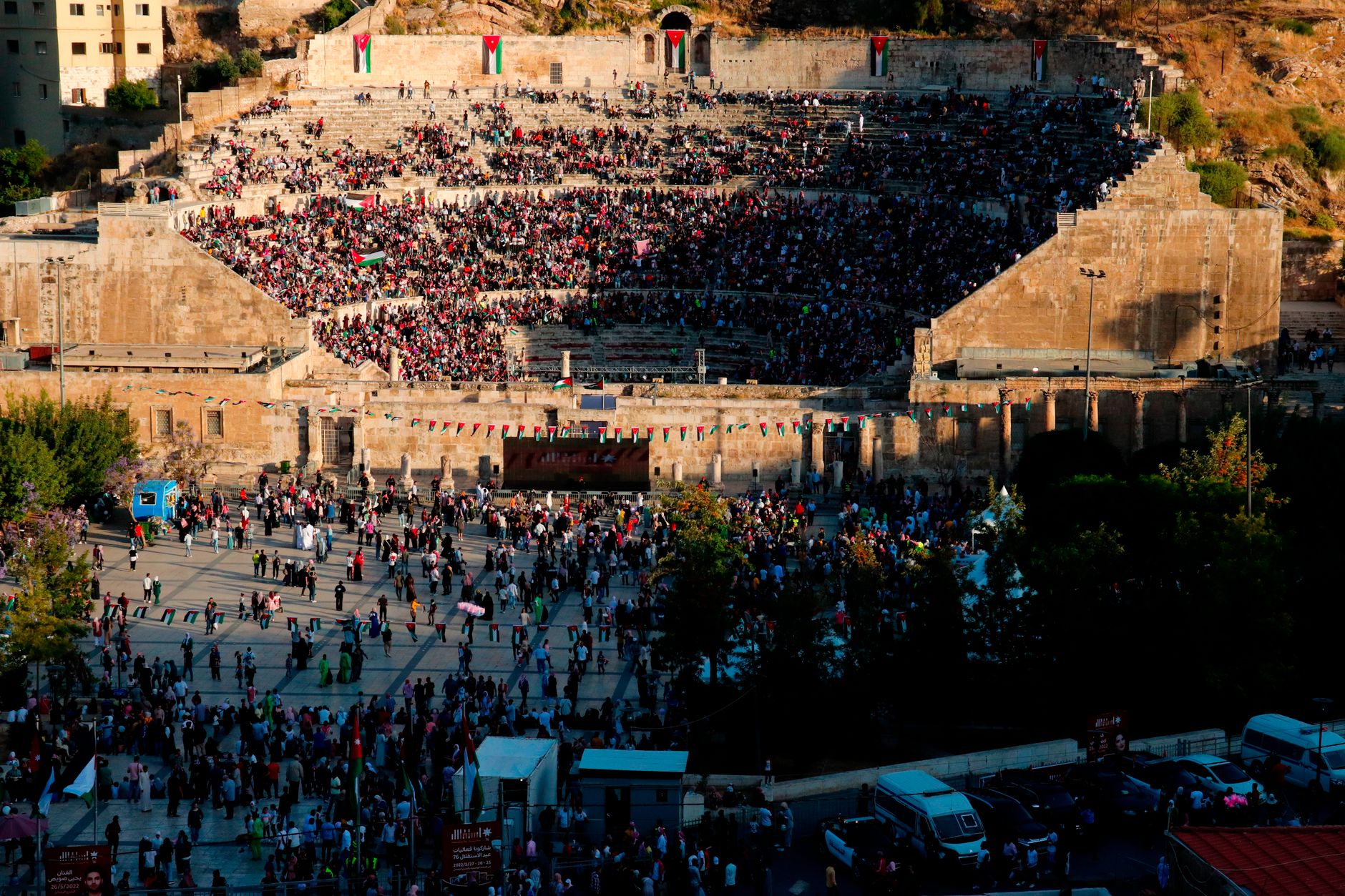
People who come back tend to mention the same ritual: an early morning at the Roman Theatre before the tour groups arrive, then coffee somewhere on Rainbow Street before the heat builds. The BRT from Sweileh to Ras al-Ain is worth taking at least once — half a dinar, air-conditioned, and it drops you exactly where you want to be.
Experiences you don't want to miss


Deals in Amman
Book directly at the provider

How Amman came to be
The settlement now called Amman began as Rabbath Ammon, capital of the Ammonite people, with fortified traces dating to around 4000 BCE. In the 3rd century BCE, Ptolemy II Philadelphus rebuilt it along Greek lines and renamed it Philadelphia. Rome followed, leaving behind the theatre and the Temple of Hercules that still anchor the downtown skyline. After the Arab conquest in 635 CE the city gradually faded, and by the medieval period it had effectively disappeared.
The modern city starts with a specific date and a specific group: 1878, when the Ottoman Empire resettled Circassian immigrants on the site. The Hejaz Railway arrived in 1903 and turned a small village into a commercial node. Then, on 30 March 1921, Abdullah I chose it as the capital of the Emirate of Transjordan — a decision that set everything that followed in motion.
Who and what shaped it
People who shaped it
Landmark buildings
See Amman in motion
Plan your visit
On the map
When to go
Summers are hot and dry, with July and August regularly exceeding 32°C on the hills and considerably more in the valleys. Winters are cool and occasionally wet, with snow on the Citadel not unheard of in January or February — bring a proper layer if you're visiting between December and March.
Right now
Background & history adapted from Wikipedia (CC BY-SA) · specs from Wikidata (CC0) · weather from Open-Meteo · map data © OpenStreetMap contributors · photos from Wikimedia Commons / Unsplash with per-image credit. No third-party reviews or social posts reproduced.