
Amanjena Resort
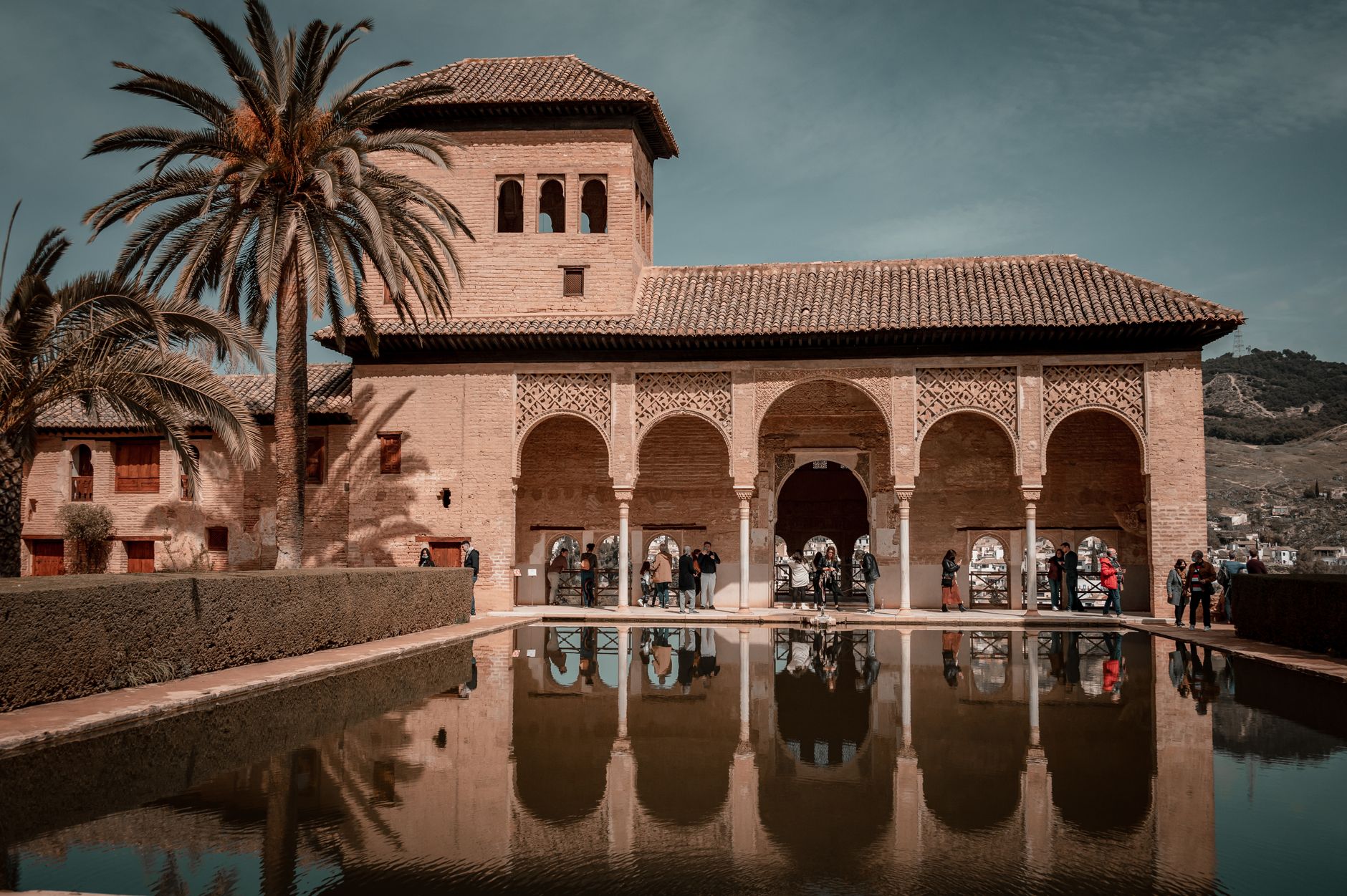
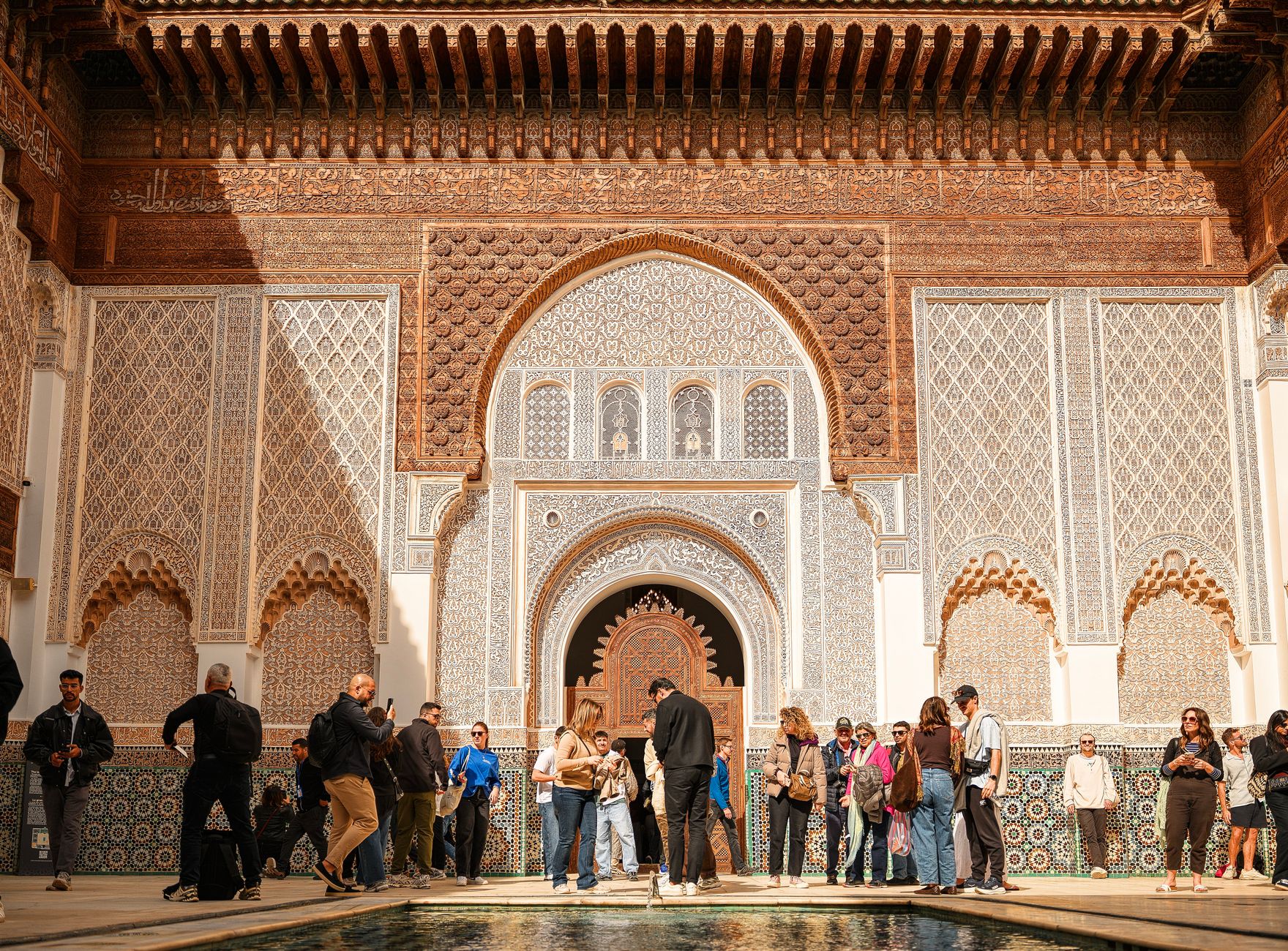
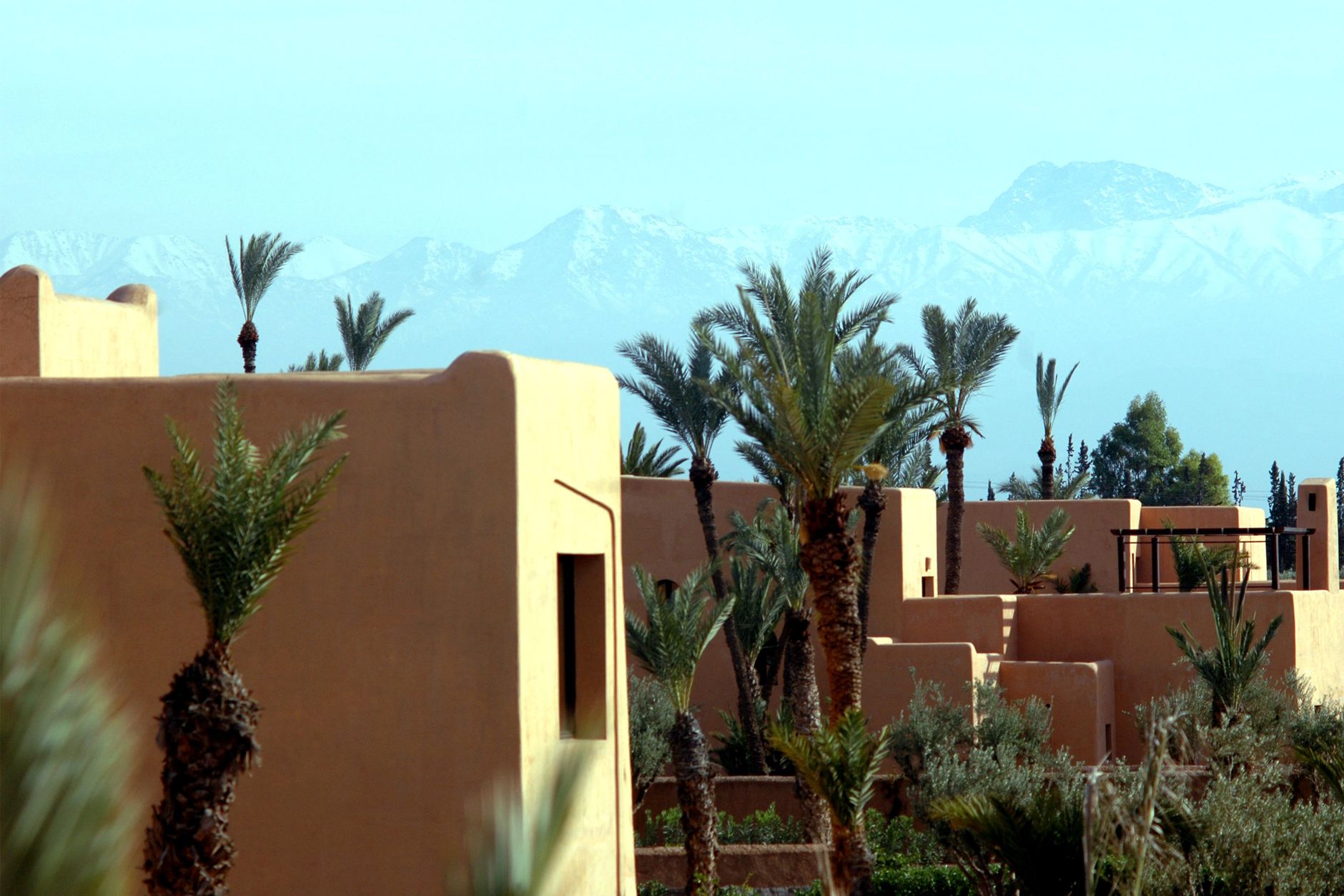
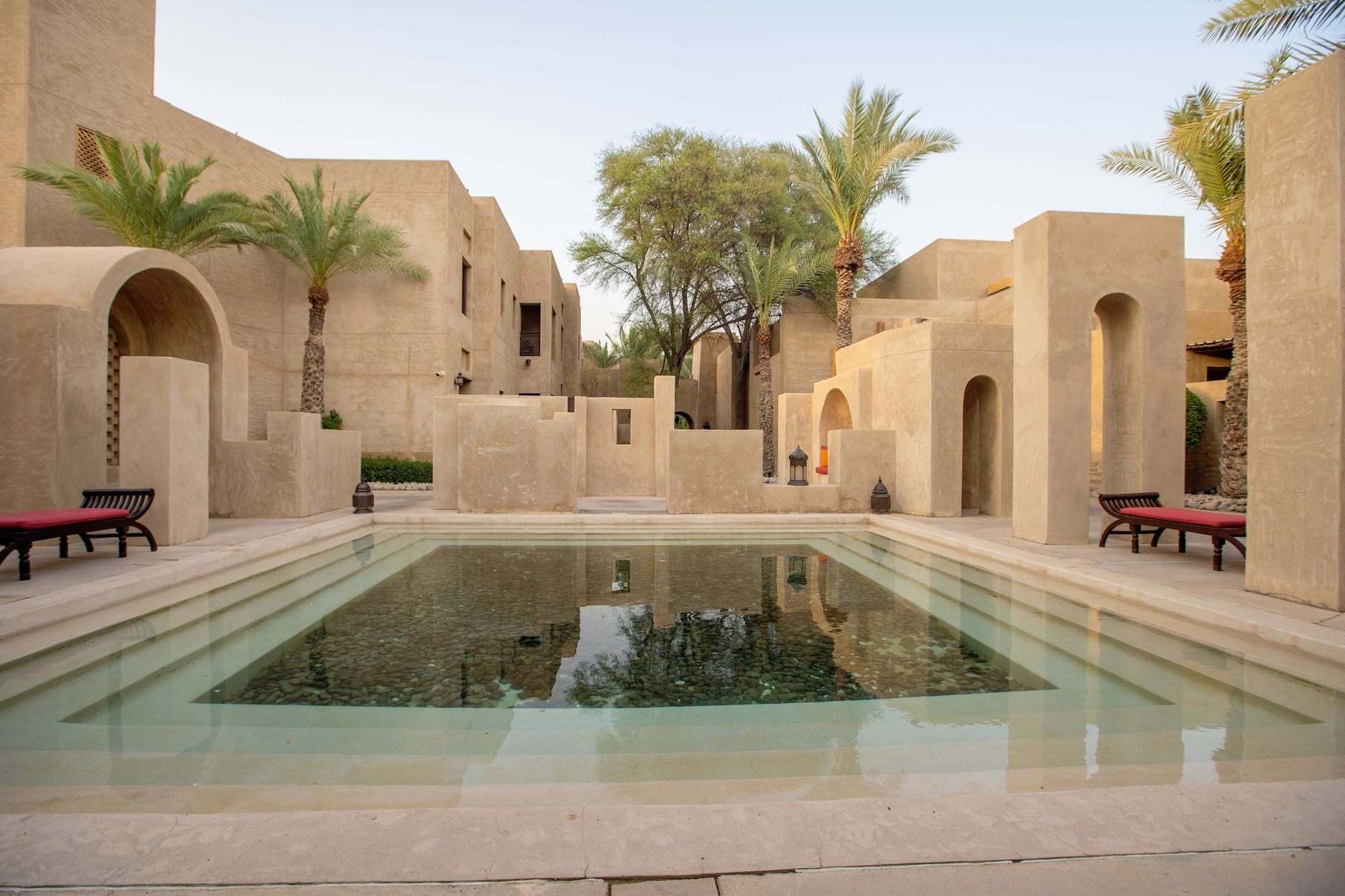
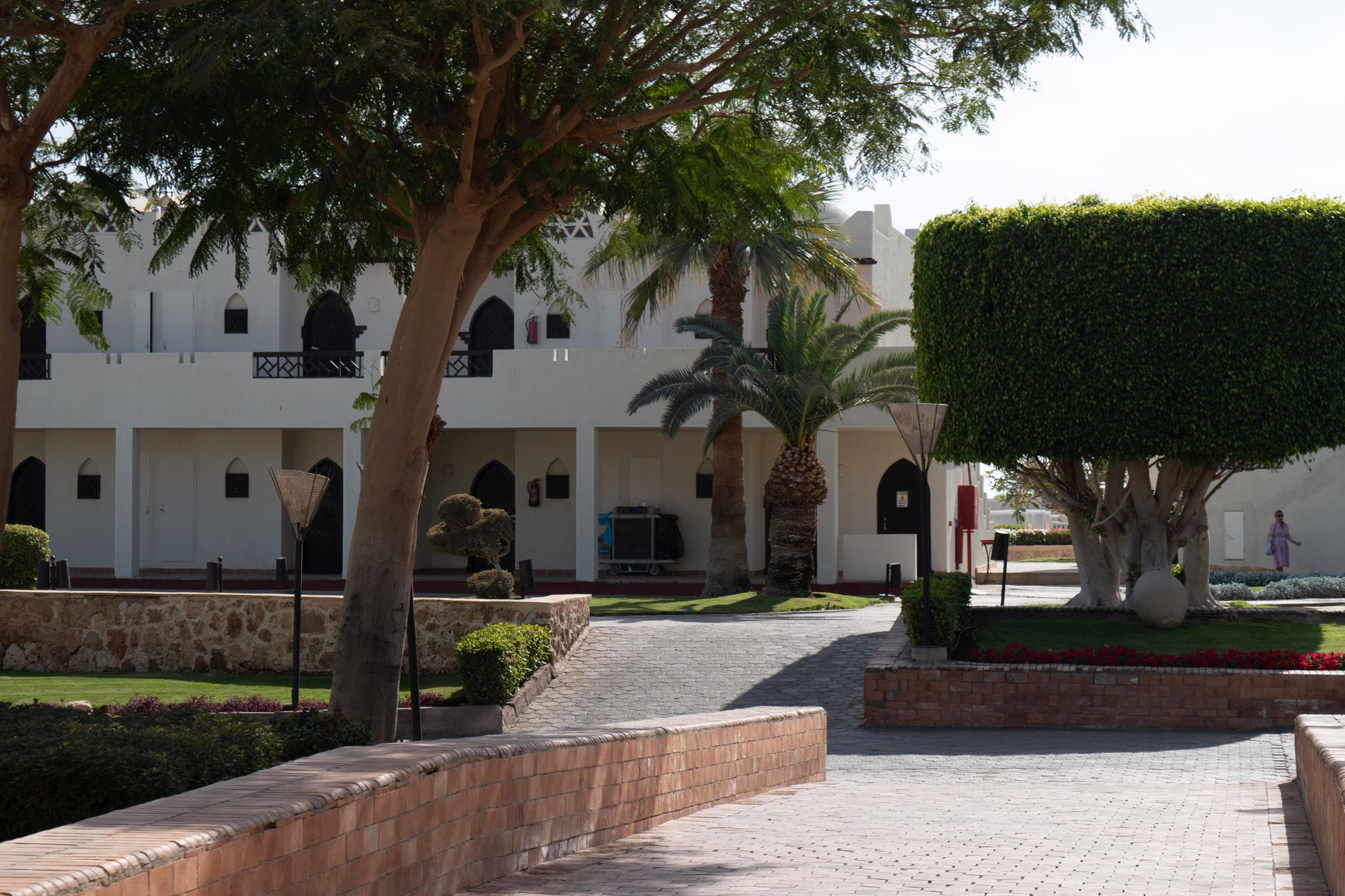
The first thing you notice at Amanjena is the bassin — a broad irrigation pool that predates the resort by centuries, now ringed by rose-toned pavilions whose pale peach walls carry a tadlekt finish, the same waterproofing technique once reserved for hammam interiors. Everything radiates outward from that pool, which sets the logic of the place: water at the centre, calm at the edges.
Ed Tuttle drew from Sultan Ahmed al-Mansour's ruined el-Badi palace, the Alhambra, and the 12th-century Menara Gardens when he designed the property, and the debt is legible — colonnades, zellij fountains, an 80-pillar dining room with a six-metre ceiling — without ever tipping into pastiche. A 2025 renovation kept the lines clean.
💛 What travellers fall for
People who return tend to book a Pavilion Bassin specifically for the morning light on the water, eat at least one dinner in the main restaurant just to sit under those onyx pillars, and treat the Japanese restaurant as a quiet counterpoint rather than an afterthought. The airport transfer is included in standard rates — worth confirming at booking so you're not arranging a separate car.
How Amanjena Resort came to be
Amanjena opened in 2000 as the first Aman property on the African continent. Ed Tuttle, the architect behind several of the brand's most recognisable properties, spent two years building it around a working model drawn from el-Badi, the 16th-century palace commissioned by Sultan Ahmed al-Mansour in Marrakech — now largely a ruin — and refined through Tuttle's own travels across Morocco and southern Spain.
The lobby was conceived along the lines of a caravanserai, and the Moorish colonnades that frame jade-coloured fountains owe something to the Mezquita in Córdoba. The olive grove surrounding the site dates to the Almoravid period, which gives the grounds a depth that a resort built in 2000 has no right to possess on its own.
Who and what shaped it
People who shaped it
Landmark buildings
See Amanjena Resort in motion
Plan your visit
On the map
When to go
March through May and October through November offer the most agreeable conditions — warm days, cool evenings, and the occasional short shower in the later months. July and August routinely exceed 40°C, which makes the shade of the pavilion domes and the spa's relaxation courtyard considerably more than decorative.
Right now
Background & history adapted from Wikipedia (CC BY-SA) · specs from Wikidata (CC0) · weather from Open-Meteo · map data © OpenStreetMap contributors · photos from Wikimedia Commons / Unsplash with per-image credit. No third-party reviews or social posts reproduced.