
Amalfi
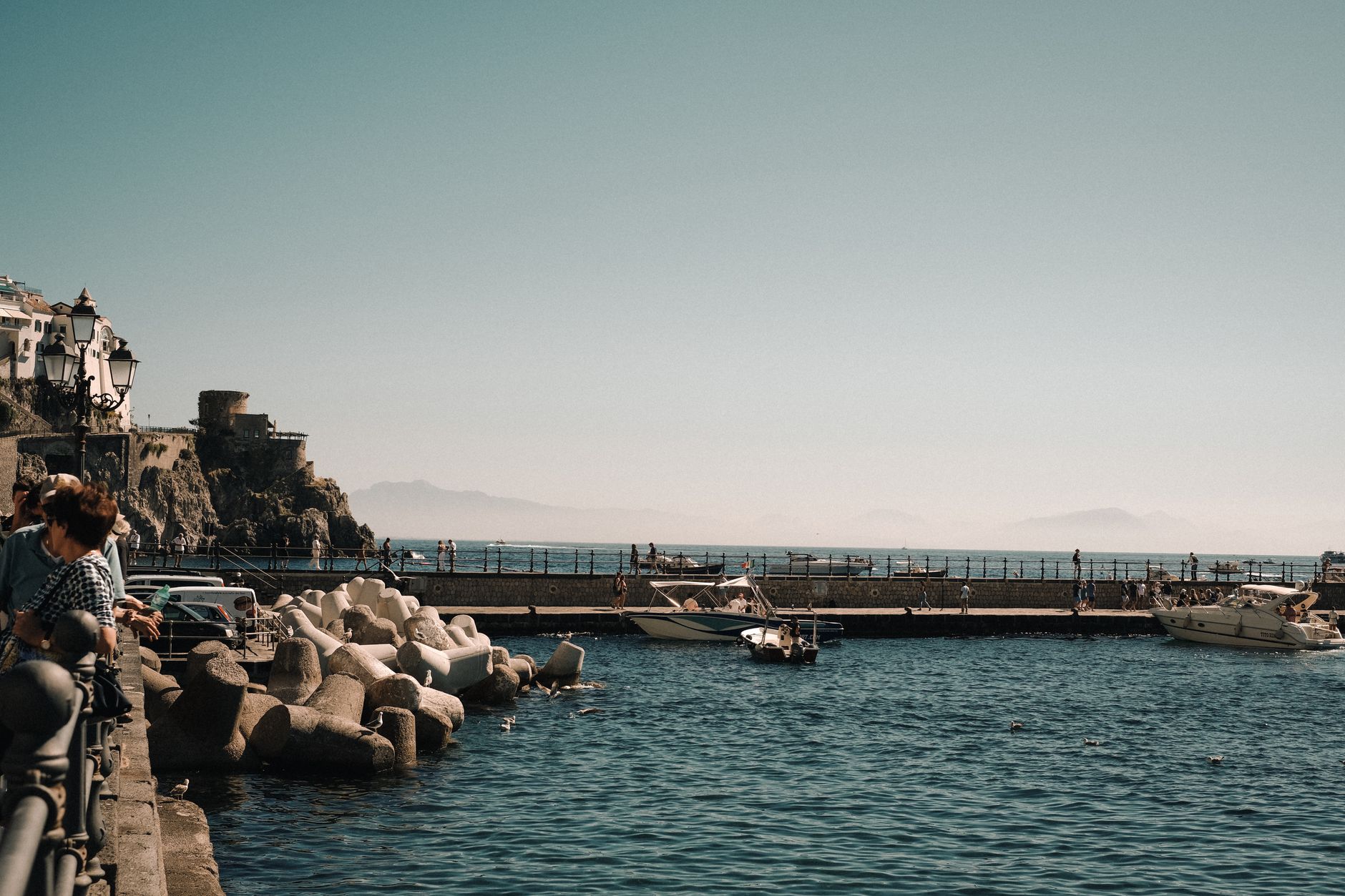
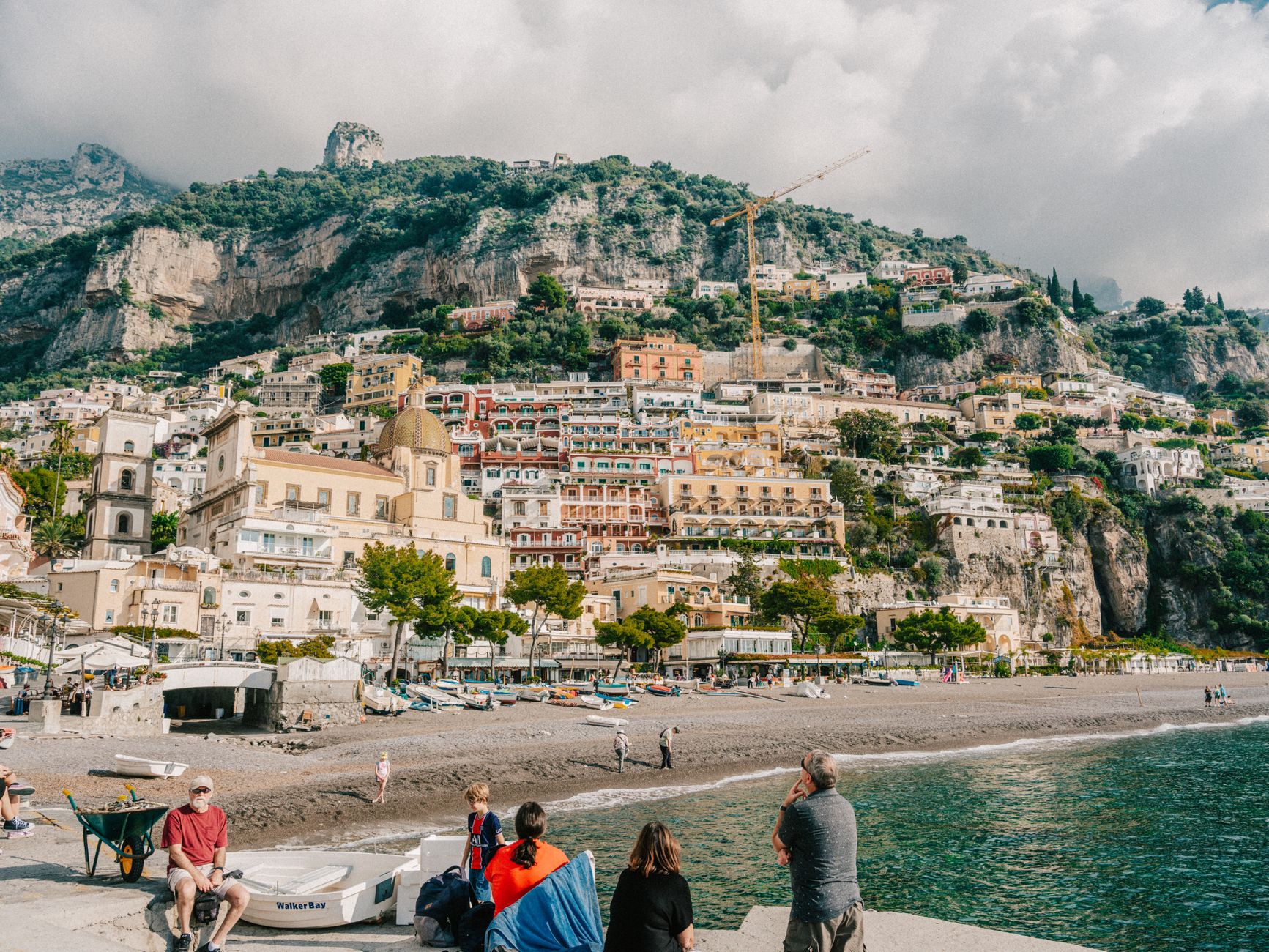
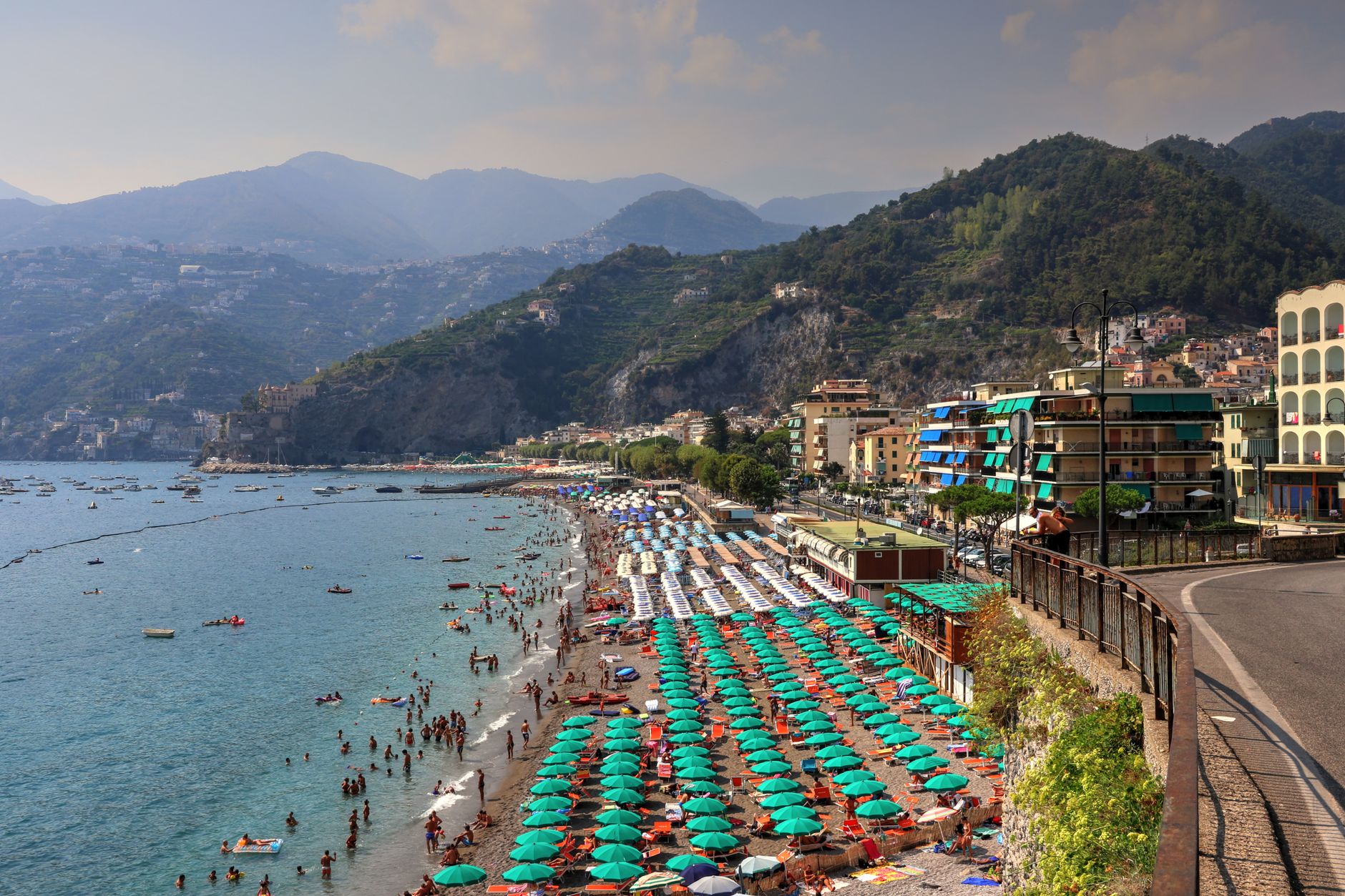
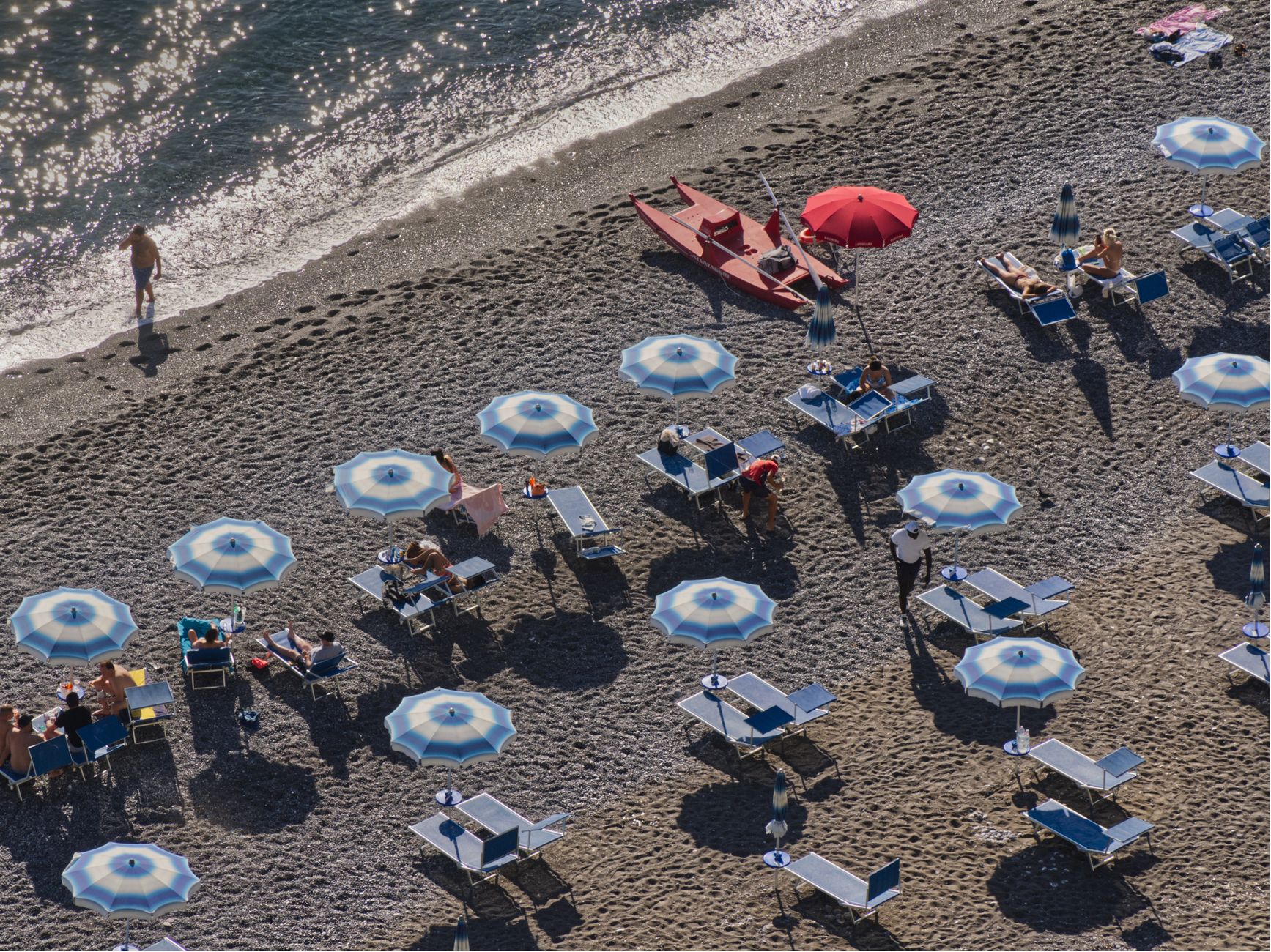
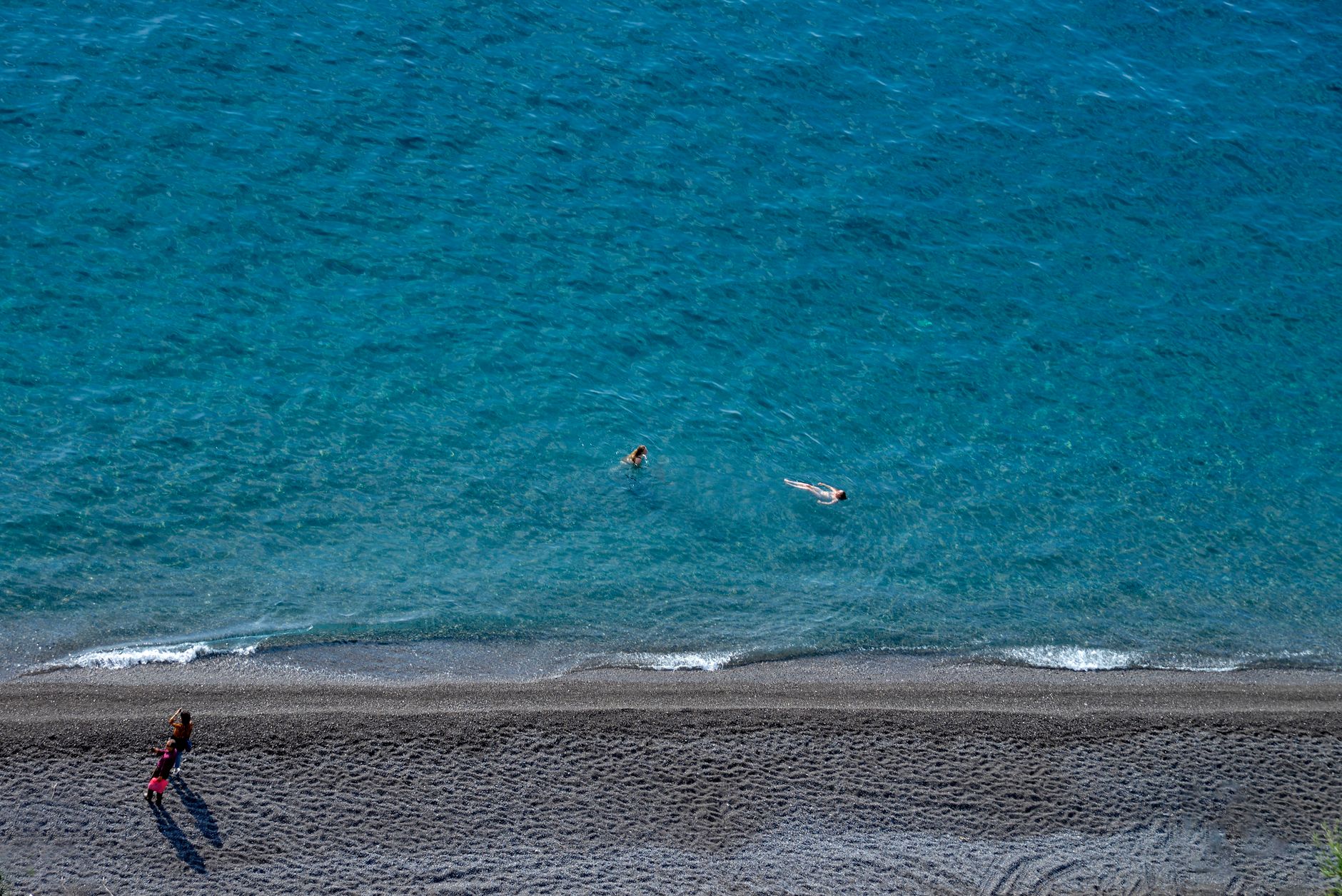
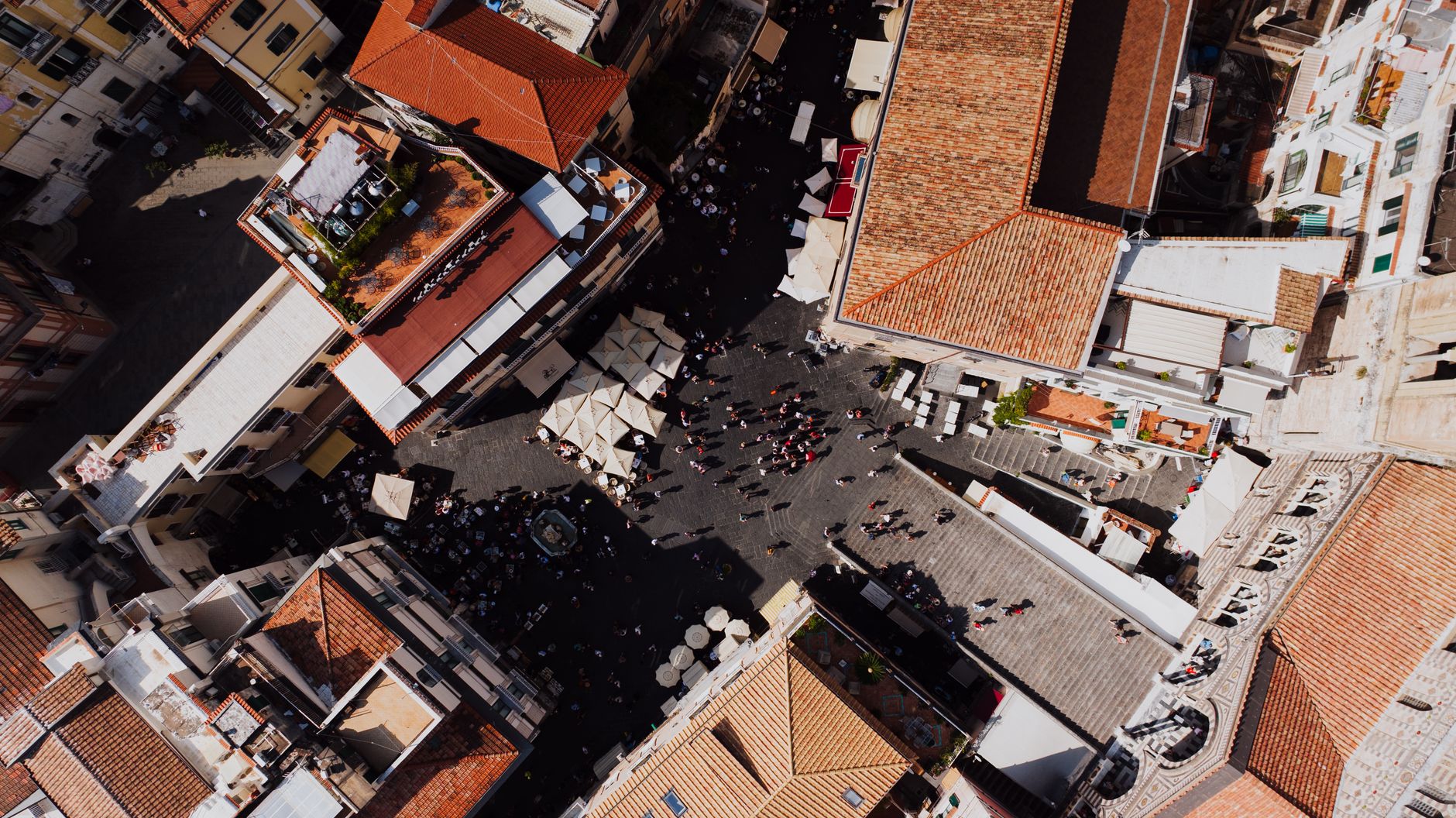
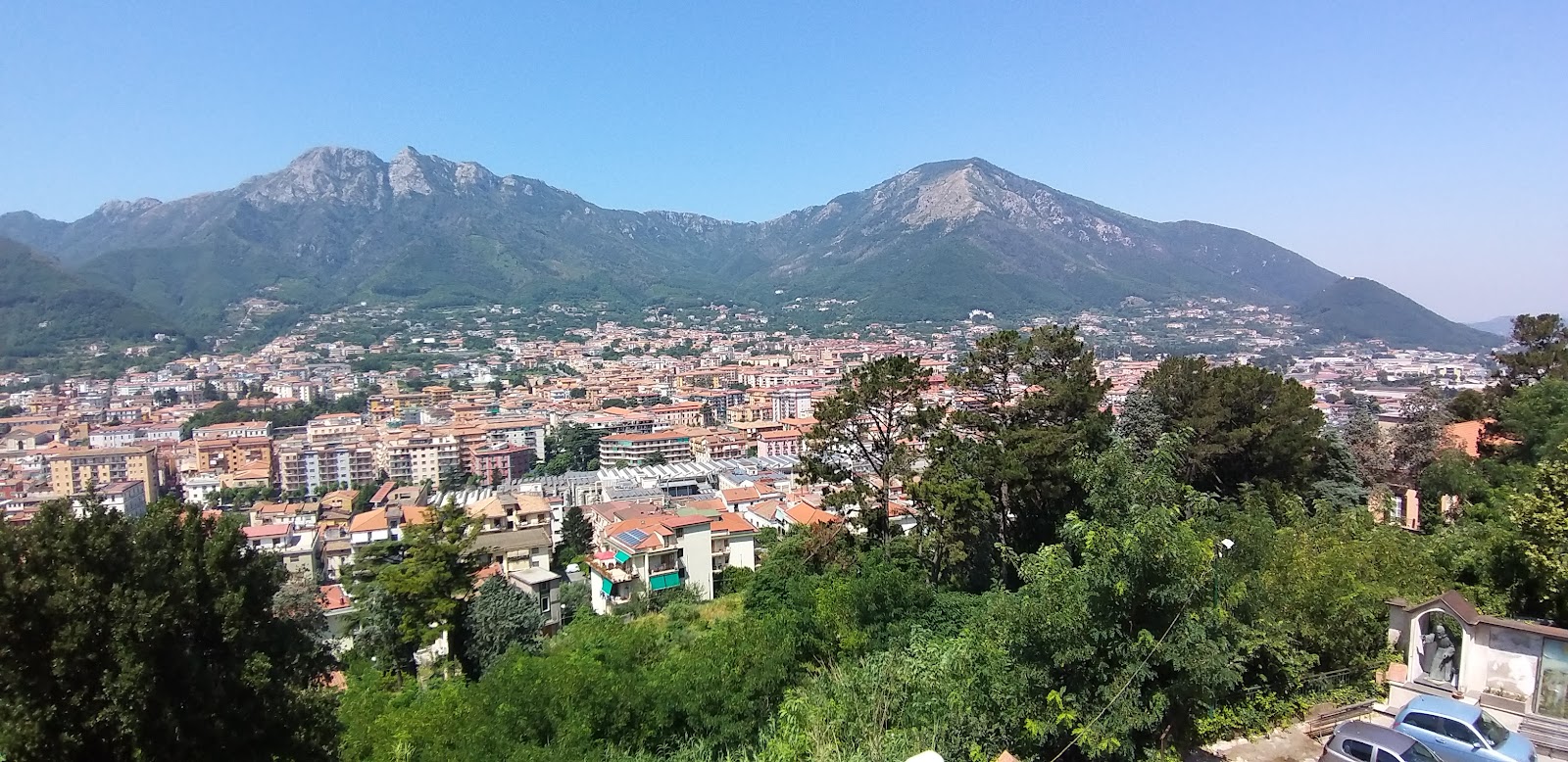
Amalfi sits at the bottom of a steep gorge where the mountains meet the Tyrrhenian, its cathedral climbing sixty-two steps above a piazza that empties and fills with the tide of the day. The town is small — you can walk its length in twenty minutes — but it carries the weight of a place that once rivaled Venice and Genoa for control of Mediterranean trade.
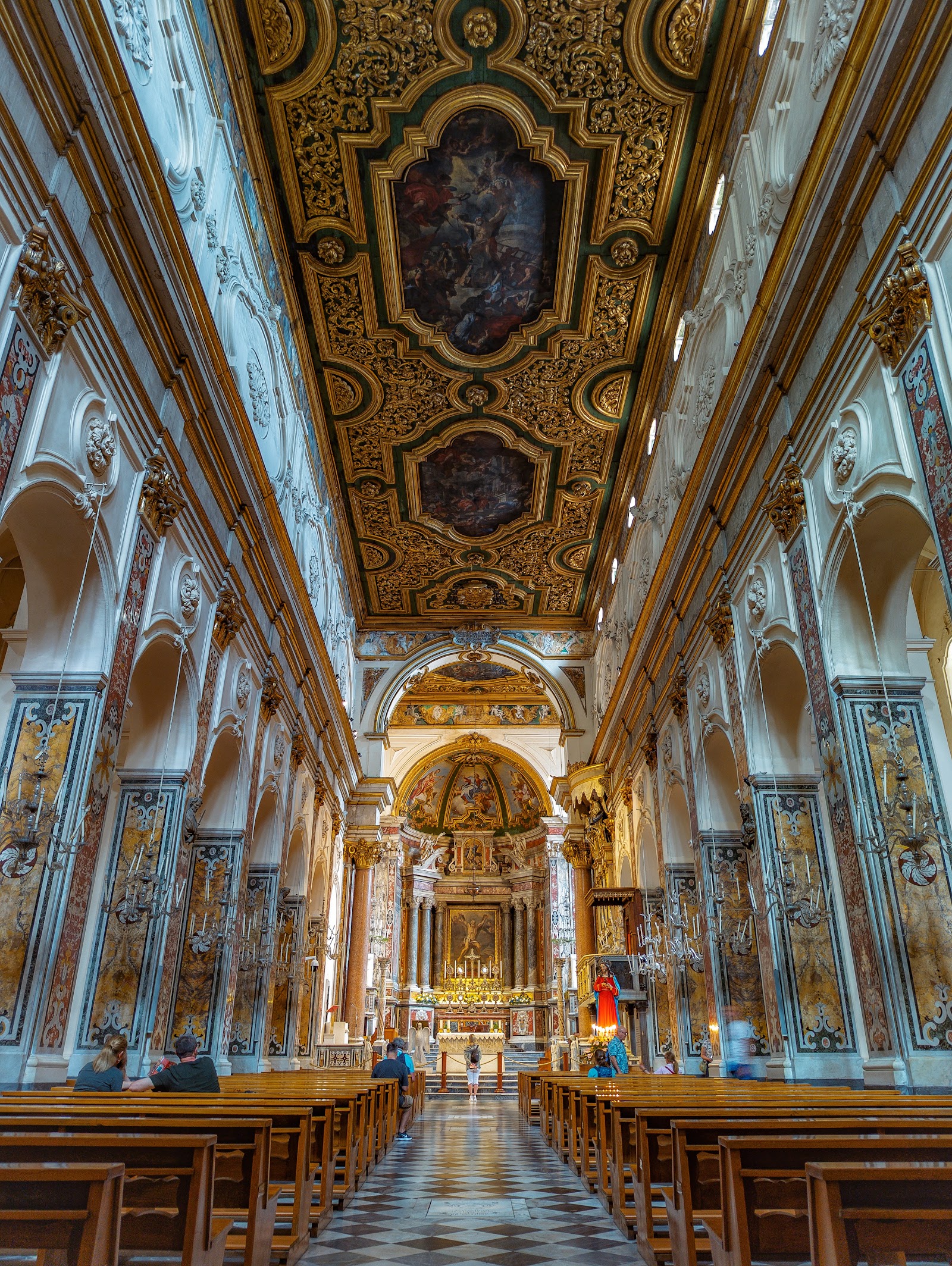
The bronze doors of the Duomo, cast in Constantinople sometime before 1066, tell you everything about what Amalfi once was: a city connected enough to commission its finest work from the other end of the known world. That reach is still legible in the architecture, the Moorish arches, the Arab-Norman stonework, if you slow down long enough to look.
💛 What travellers fall for
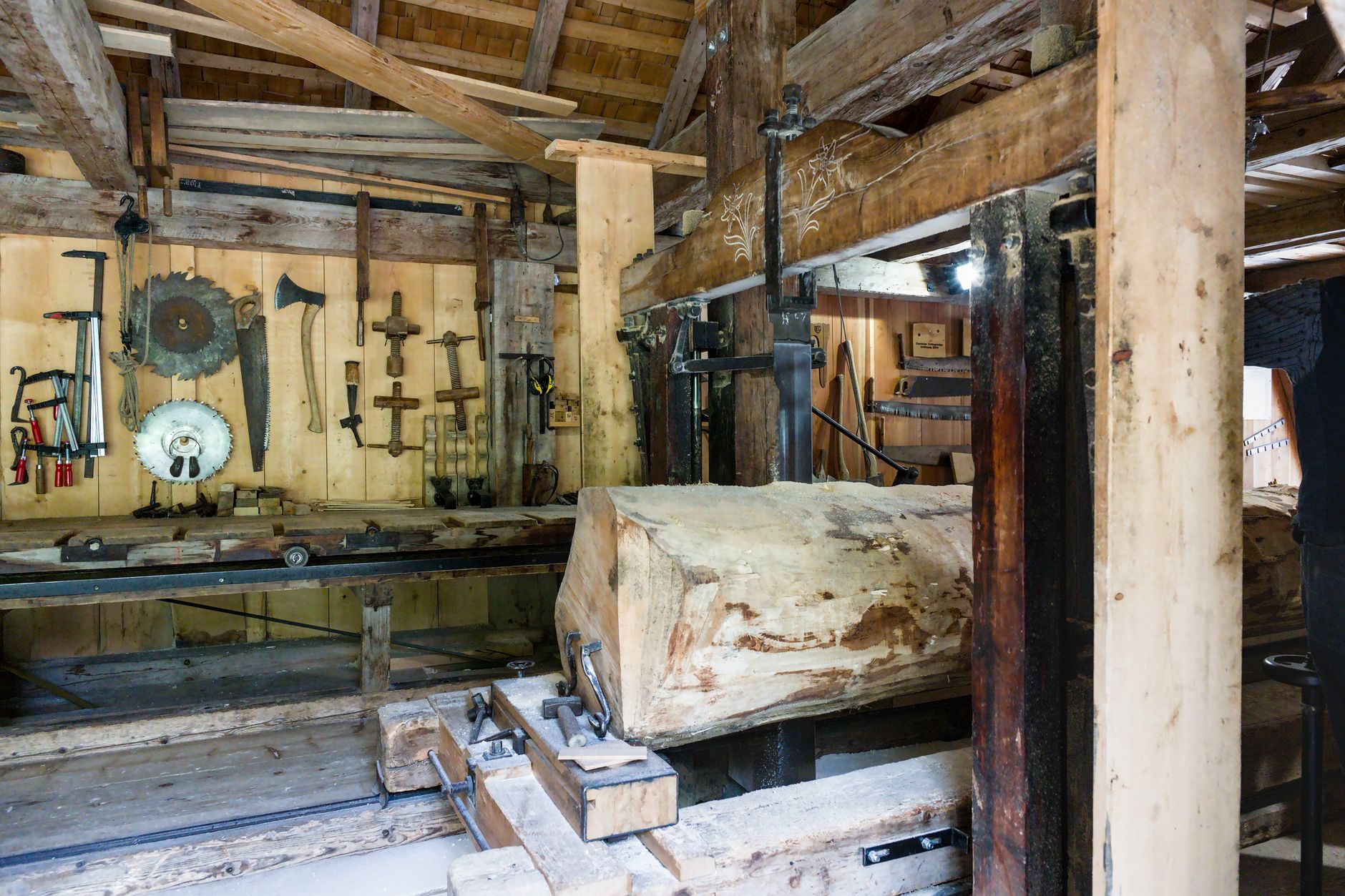
People who come back tend to arrive on the early ferry from Salerno before the day-trippers, walk up to the Cloister of Paradise when it opens, and spend the hot middle hours in the paper mill museum in the valley above town — genuinely strange and worth it. The €4 cathedral ticket covers more than most expect.
Experiences you don't want to miss



Deals in Amalfi
Book directly at the provider

How Amalfi came to be
Amalfi's first mention in the historical record comes from a letter of Pope Gregory the Great in the early 590s, though the Chronica Amalphitana traces a founding myth to shipwrecked Romans who called the place Melphi. The decisive moment came on September 1, 839, when the townspeople drove out the Lombards after the assassination of Sicardo and established the Duchy of Amalfi as a self-governing state.
For the next two centuries Amalfi was a genuine maritime power, trading deep into the eastern Mediterranean. That era ended in stages: King Roger II of Sicily absorbed the duchy in 1131, the Pisans sacked it in 1135 and again in 1137, and on the night of November 24–25, 1343, a catastrophic underwater landslide swallowed the port and the shipyard. What you walk through today is built on the memory of something much larger.
Who and what shaped it
People who shaped it
Landmark buildings
See Amalfi in motion
Plan your visit
On the map
When to go
Summers run hot and dry — August highs touch 30°C — while winters are mild but genuinely wet, with November the dampest month. April through June and September through October offer the most comfortable conditions for walking the town and the coast above it.
Right now
↡ Attractions






Background & history adapted from Wikipedia (CC BY-SA) · specs from Wikidata (CC0) · weather from Open-Meteo · map data © OpenStreetMap contributors · photos from Wikimedia Commons / Unsplash with per-image credit. No third-party reviews or social posts reproduced.