
Aberdyfi
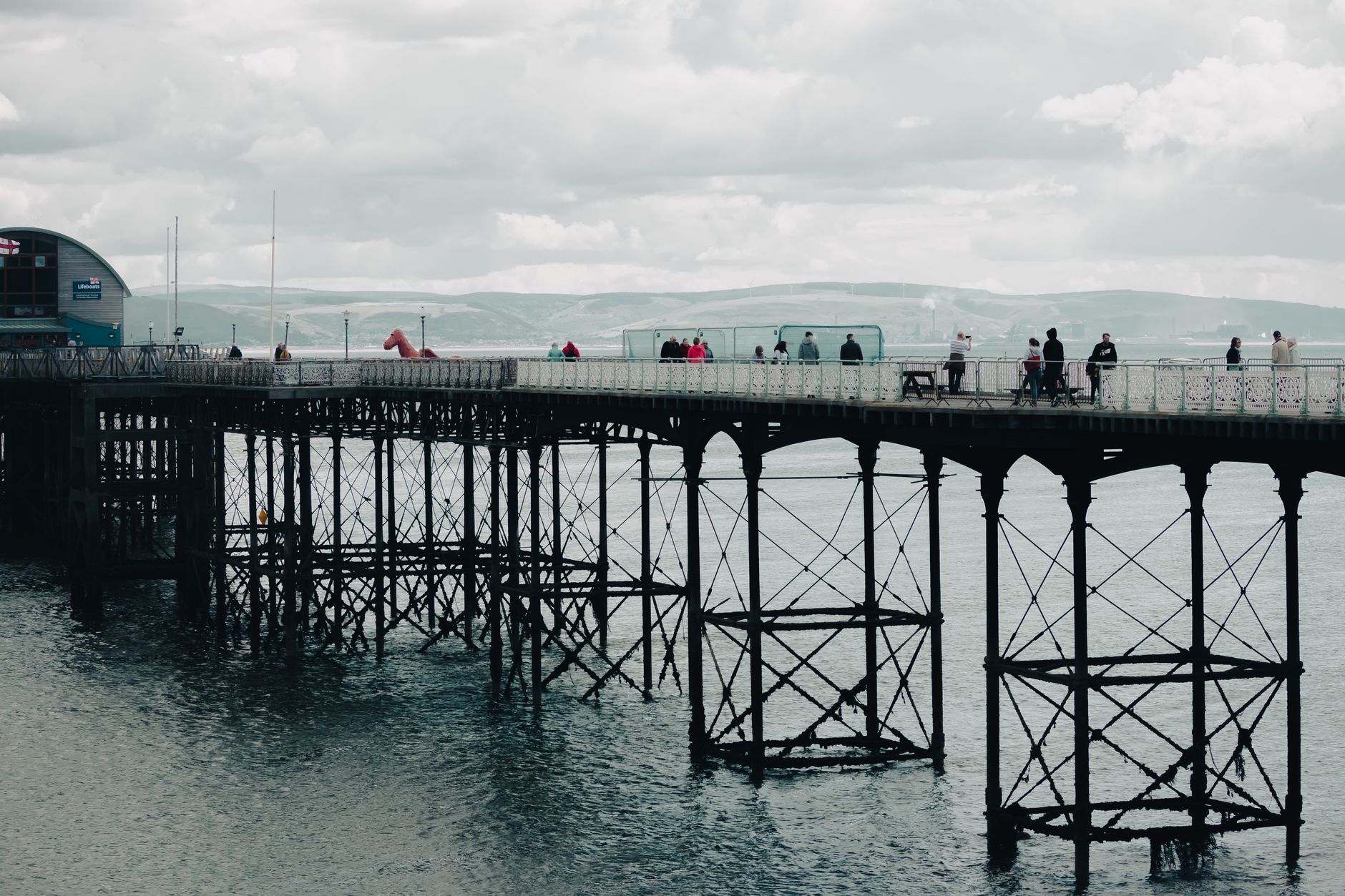
At high tide, a bell on Aberdyfi's wooden jetty rings on its own — moved by the sea, marking time the way this small Welsh harbour town always has, at the water's pace. The bell commemorates Cantre'r Gwaelod, the drowned kingdom said to lie beneath Cardigan Bay, and standing on the wharf you can almost understand why people believed it.
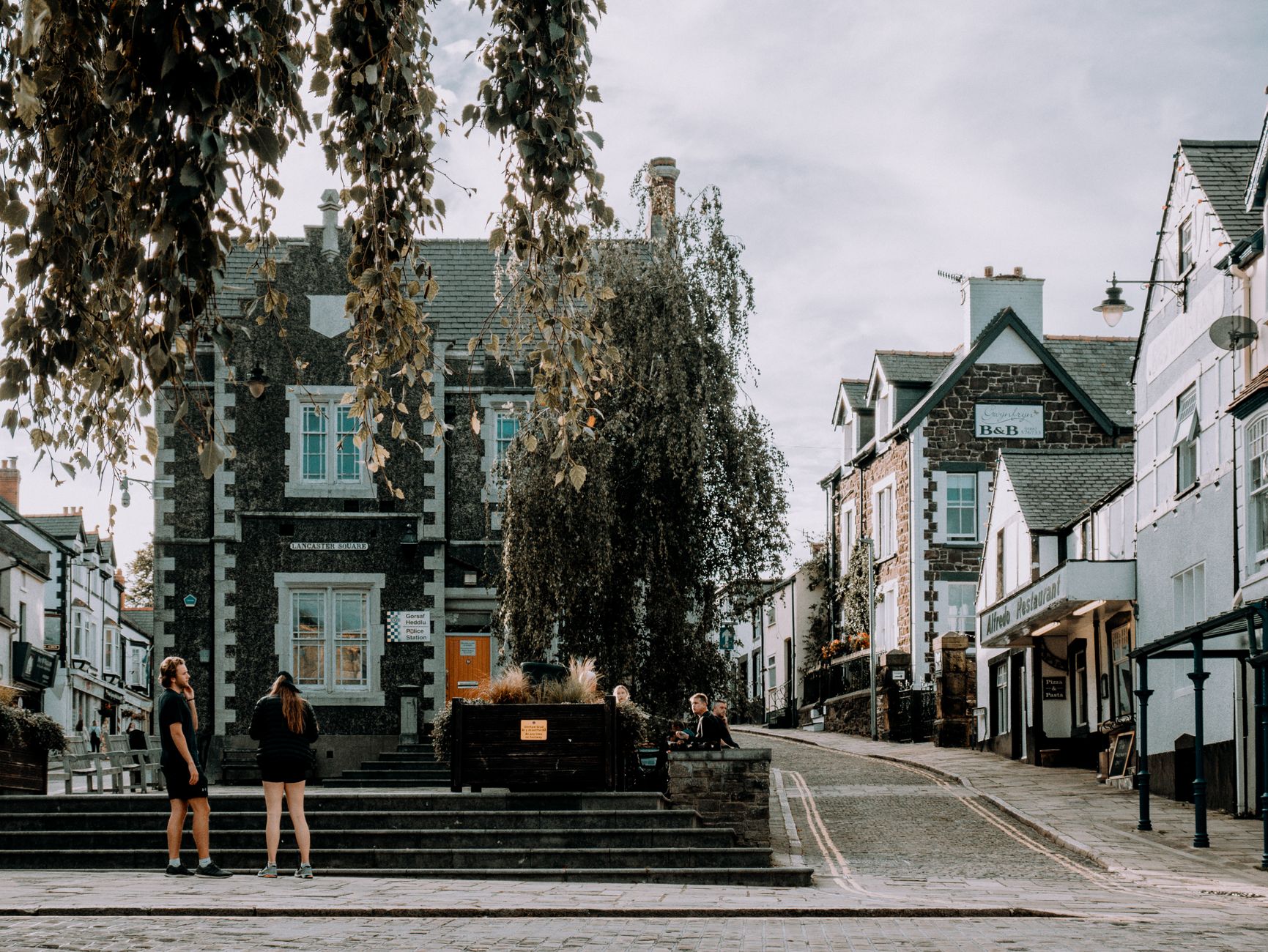
Aberdyfi sits where the Dyfi estuary opens into the bay, a single curve of pastel-fronted houses facing the water. The beach is wide and the hills behind are immediate. It's compact enough to walk end to end in an afternoon, but the kind of place where afternoons tend to lengthen.
💛 What travellers fall for
People who come back tend to time a visit around the Cambrian Coast line — arriving at Penhelig (the request stop, so tell the guard) rather than Aberdovey station puts you at the quieter, estuary end of the village first. The golf club, founded in 1892, draws its own loyal crowd; the links sit close enough to the railway that you can hear trains pass.
Experiences you don't want to miss


Deals in Aberdyfi
Book directly at the provider


How Aberdyfi came to be
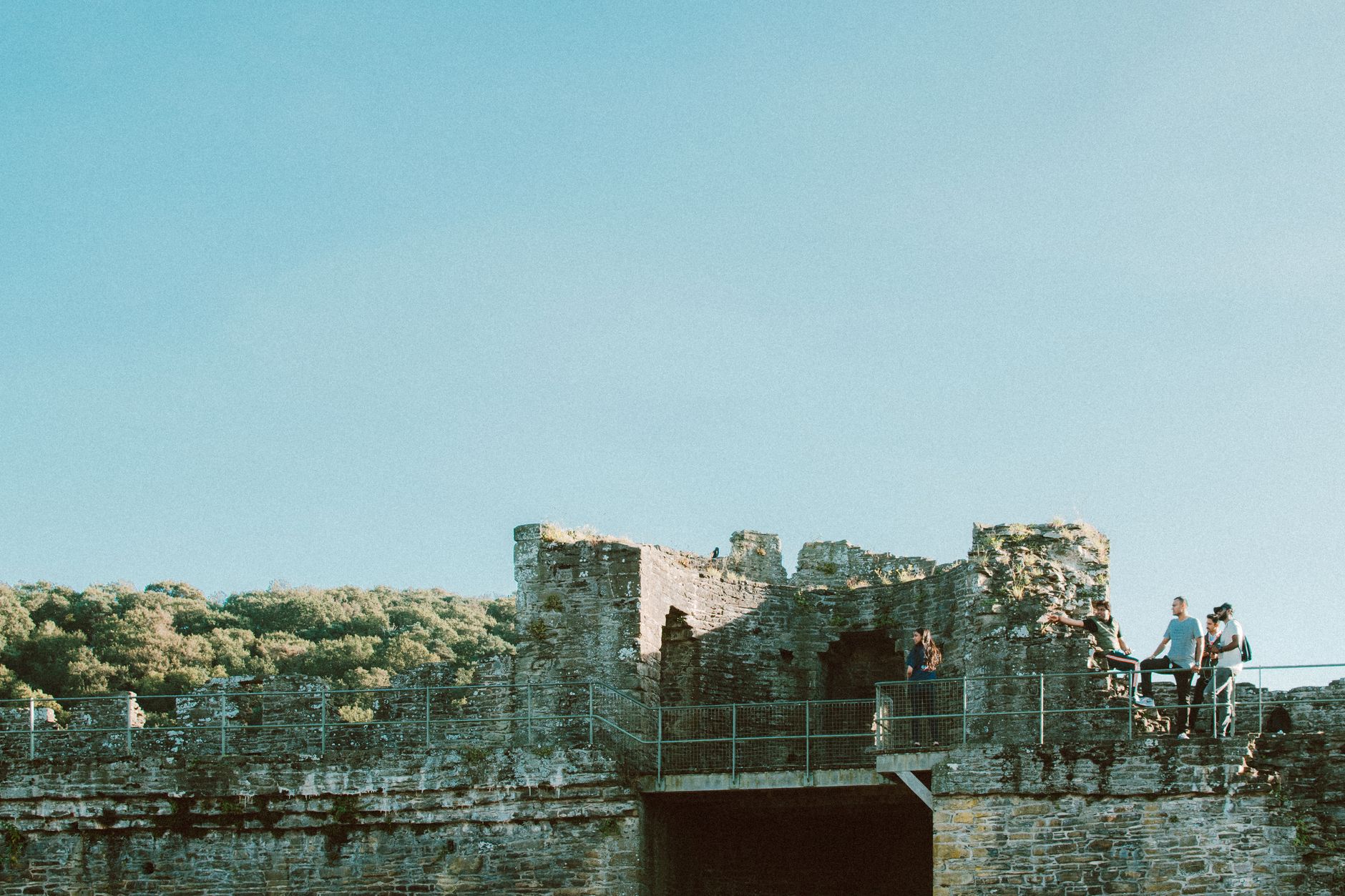
The mound at the centre of the village — Domen Las, the 'blue mound' — is what remains of Aberdyfi Castle, founded in 1156 by Lord Rhys. It changed hands quickly: Roger de Clare took it around 1158, Lord Rhys recaptured it the same year. In 1216 Llywelyn the Great held an assembly here, one of the last moments the castle appears in the record as a functioning seat of power.
By the 16th century the settlement had dwindled to three houses. Its second life came through shipbuilding: between 1840 and 1880, forty-five sailing ships were built across seven yards along the foreshore, carrying slate and oak bark out into the world. The jetty — 370 feet of it, erected in 1887 — was built so loading could continue regardless of tide, and handled commercial traffic until 1959. In 1941, Aberdyfi became the site of the world's first Outward Bound centre, a fact that still quietly shapes how the town thinks about itself.
Who and what shaped it
People who shaped it
Landmark buildings
See Aberdyfi in motion
Plan your visit
On the map
When to go
Summers run warm rather than hot — 18 to 19°C through June and September — with May offering the best chance of sustained sunshine. Winters are mild but wet, and the annual rainfall of around 1,380mm is spread generously across the year, so a waterproof layer earns its place in any bag.
Right now
Background & history adapted from Wikipedia (CC BY-SA) · specs from Wikidata (CC0) · weather from Open-Meteo · map data © OpenStreetMap contributors · photos from Wikimedia Commons / Unsplash with per-image credit. No third-party reviews or social posts reproduced.