
Copán Archaeological Site
Copán Ruinas sits atop one of the most elaborately carved Maya cities ever uncovered, a UNESCO World Heritage Site where stone stelae rise like frozen kings and the Hieroglyphic Stairway tells a 2,200-glyph royal dynasty in stone. Walking these plazas at dawn, when mist still clings to the ceiba trees, is one of Central America's genuinely spine-tingling experiences.

The Great Plaza & Stelae Forest
The Great Plaza is an open-air gallery of freestanding stelae, each one a portrait of a Copán ruler carved with obsessive detail — feathered headdresses, jade pectorals, and glyphs recording exact dates of birth, war and sacrifice. Stela A, B, C and H are the finest; stand close and you can still trace the pigment grooves where red and blue paint once blazed.
The Altar Q at the base of Temple 16 is the site's most celebrated single monument, showing all 16 rulers of the Copán dynasty passing a ceremonial bar — a stone family tree carved around 776 AD. It was buried intentionally and only excavated in the 20th century, which is why the detail remains razor-sharp.
The Hieroglyphic Stairway & Tunnels
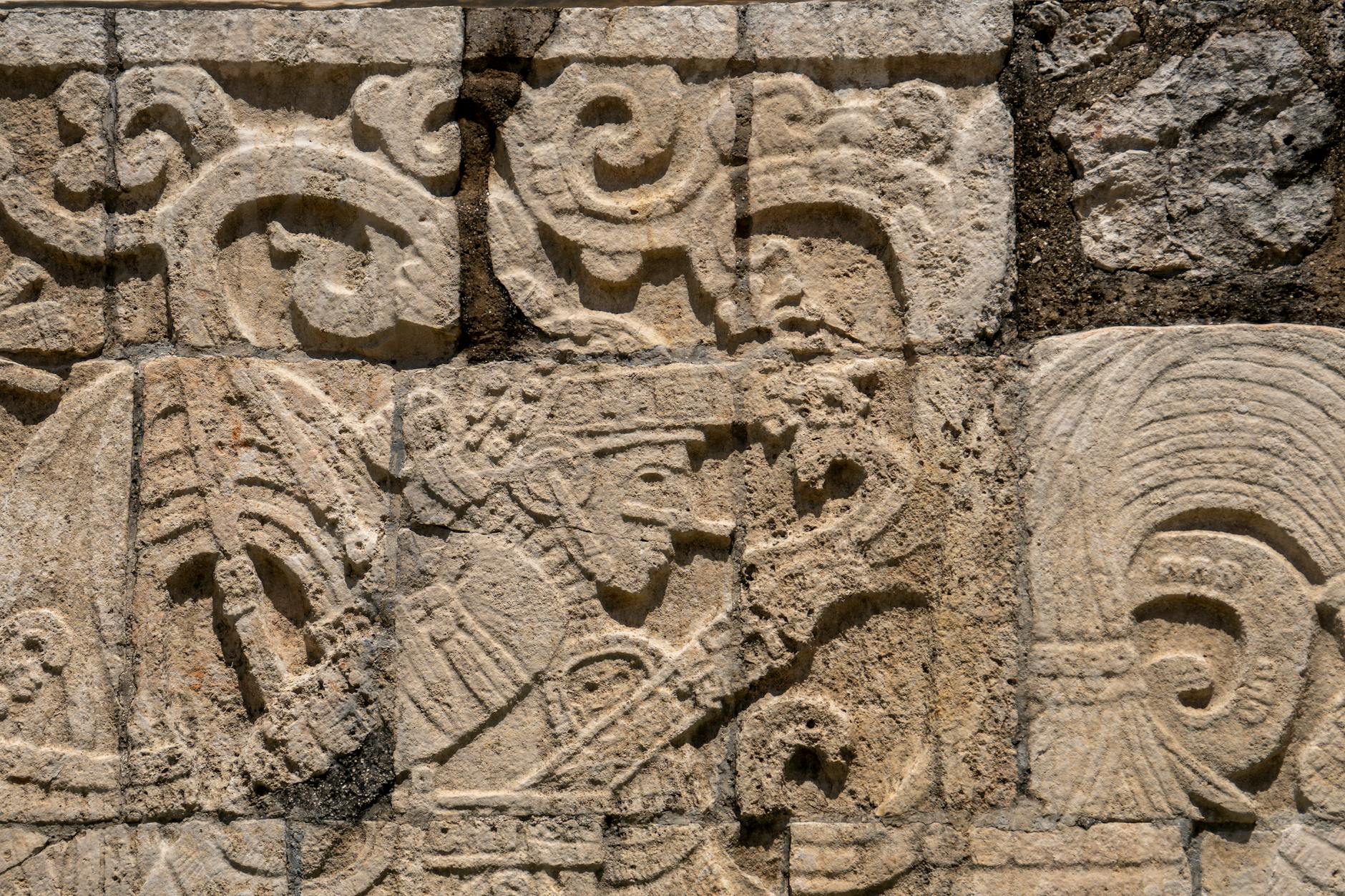
Temple 26 hosts the Hieroglyphic Stairway, the longest known Maya hieroglyphic text in existence: 63 steps, each riser carved with glyphs that narrate the dynasty's history. A protective roof covers it today, but the scale alone — climbing toward the jungle canopy — is breathtaking.
Book the Rosalila and Los Jaguares tunnel tours separately at the ticket office. The Rosalila tunnel takes you inside a perfectly preserved earlier temple swallowed by later construction, its original stucco masks still painted in ochre and red, never exposed to weather. It is genuinely one of the best-preserved Maya interiors anywhere.

More of Copán Ruinas
Discover where to stay, what to do and the best deals for your trip.
Explore Copán Ruinas →


