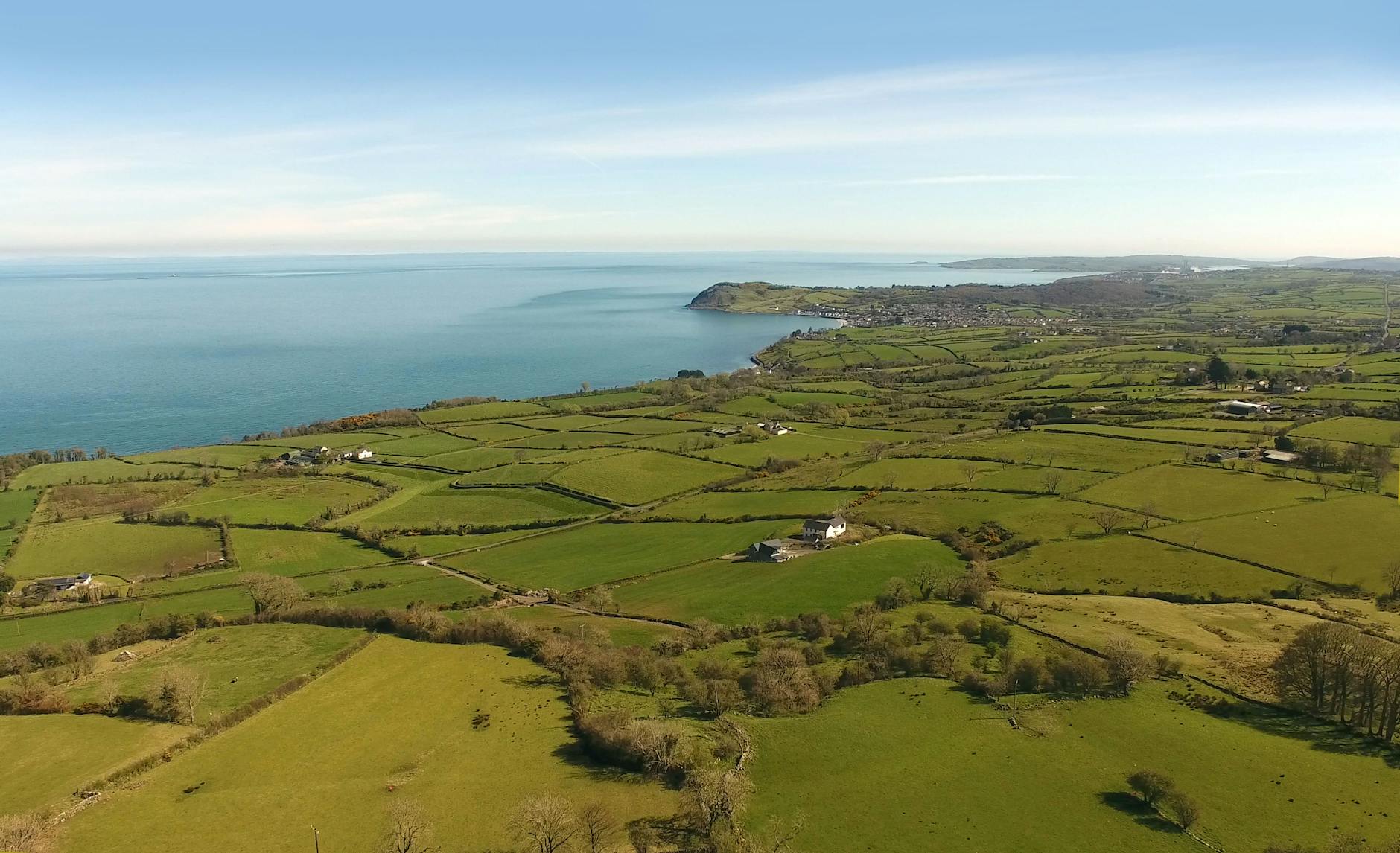
Gracehill Moravian Village
Three kilometres west of Ballymena lies one of the most quietly extraordinary places in Ireland: Gracehill, a planned Moravian settlement founded in 1759 that survives almost completely intact, its Georgian squares and pastel-painted houses looking as though time stopped sometime around 1800. It is a UNESCO World Heritage Site — part of a transnational listing of Moravian settlements — and most vi

The Village Layout
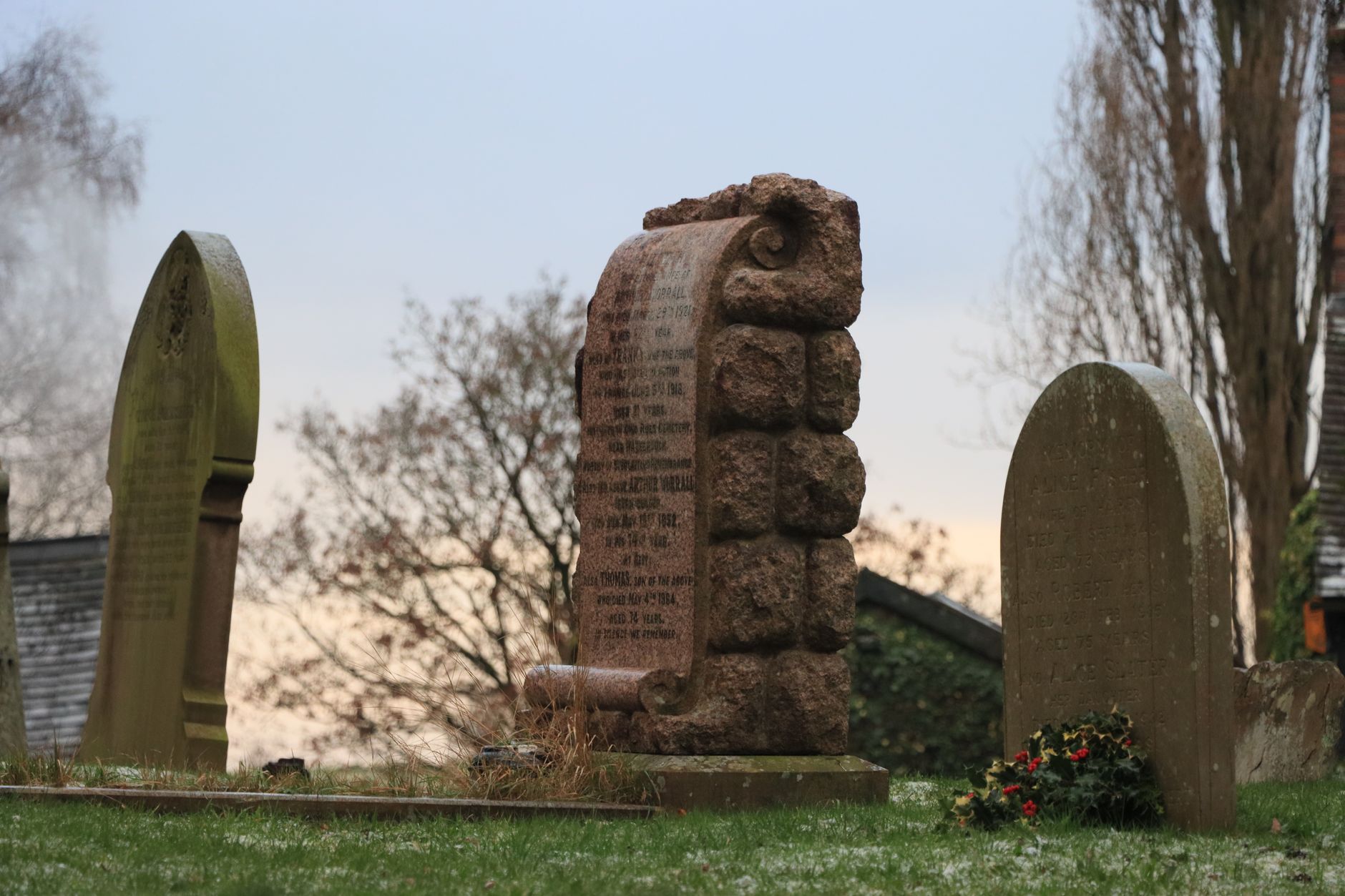
The Moravians built Gracehill on a strict grid with a central square flanked by the church, the inn (now a private house), the sisters' house and the brothers' house — the community was segregated by gender in early years, a fact reflected in the famously unusual graveyard where men and women are buried in separate sections, all under identical flat white stones as a statement of equality in death.
Walking the square and the surrounding streets takes no more than an hour, but the quality of the Georgian vernacular architecture is exceptional. The church is open to visitors and its plain, whitewashed interior is a striking contrast to the ornate religious buildings of the period.

History and Heritage
The Moravian Church was a Protestant denomination that preceded the Reformation, and Gracehill was one of several planned settlements they established across Europe and North America. The village was designed as a self-sufficient community with its own trades, school and welfare system — radical ideas for 18th-century Ireland.
Gracehill gained UNESCO World Heritage status in 2024 as part of the transnational 'Herrnhut and the Moravian Settlements' listing, making it one of only two World Heritage Sites in Northern Ireland. It remains a living community with a small congregation still using the church.
More of Ballymena
Discover where to stay, what to do and the best deals for your trip.
Explore Ballymena →