
Zona Rosa (SM 22)
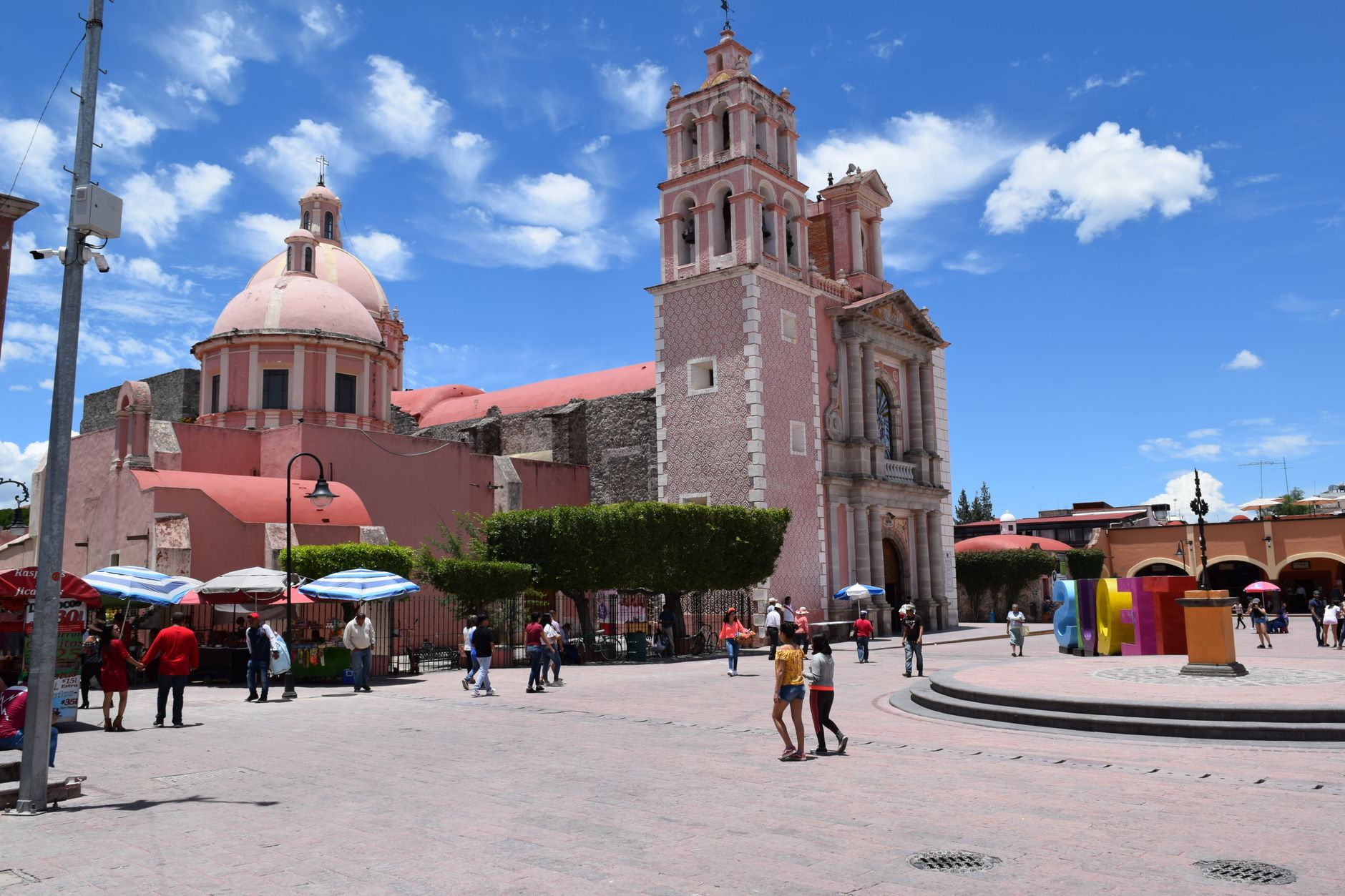
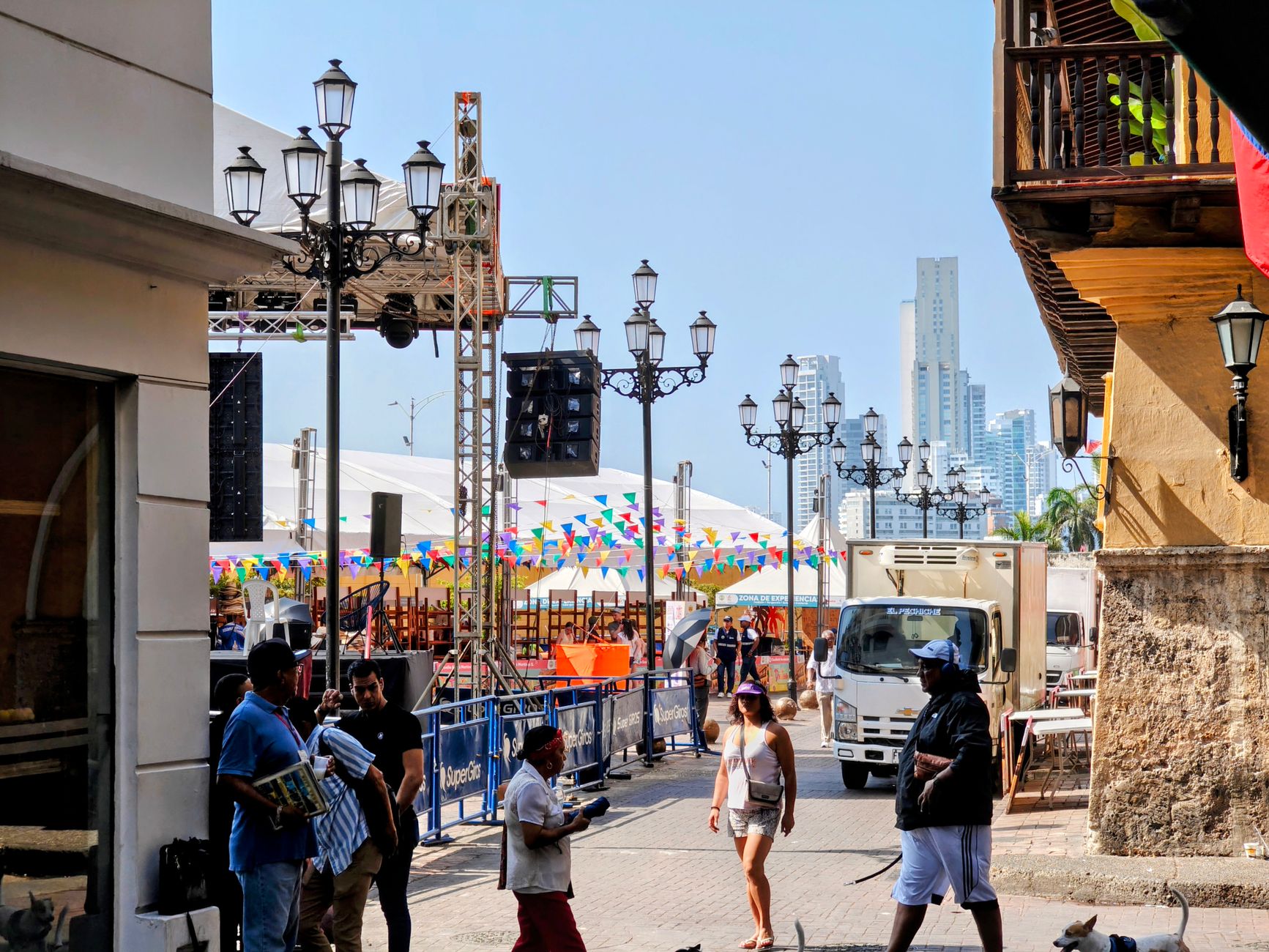

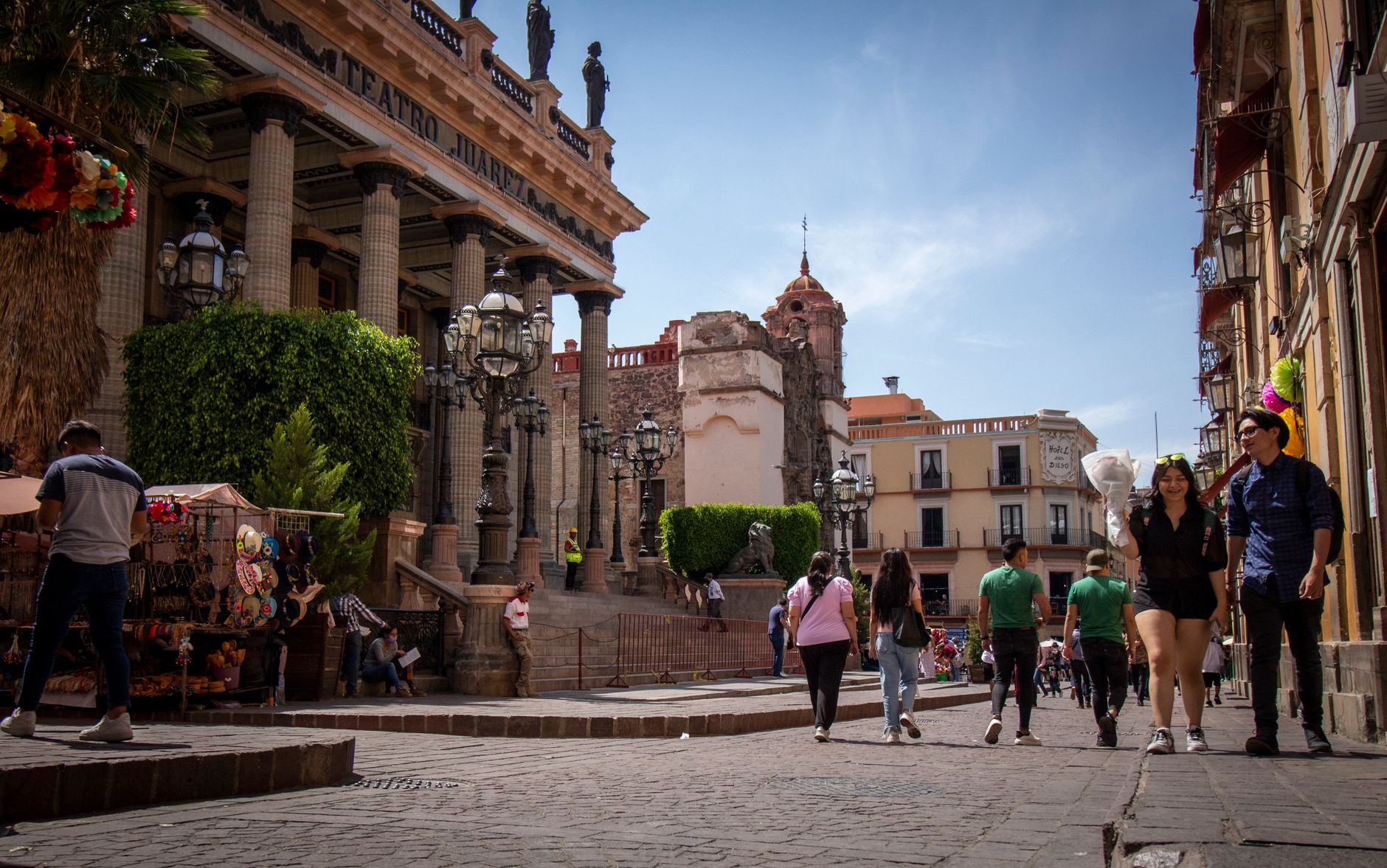
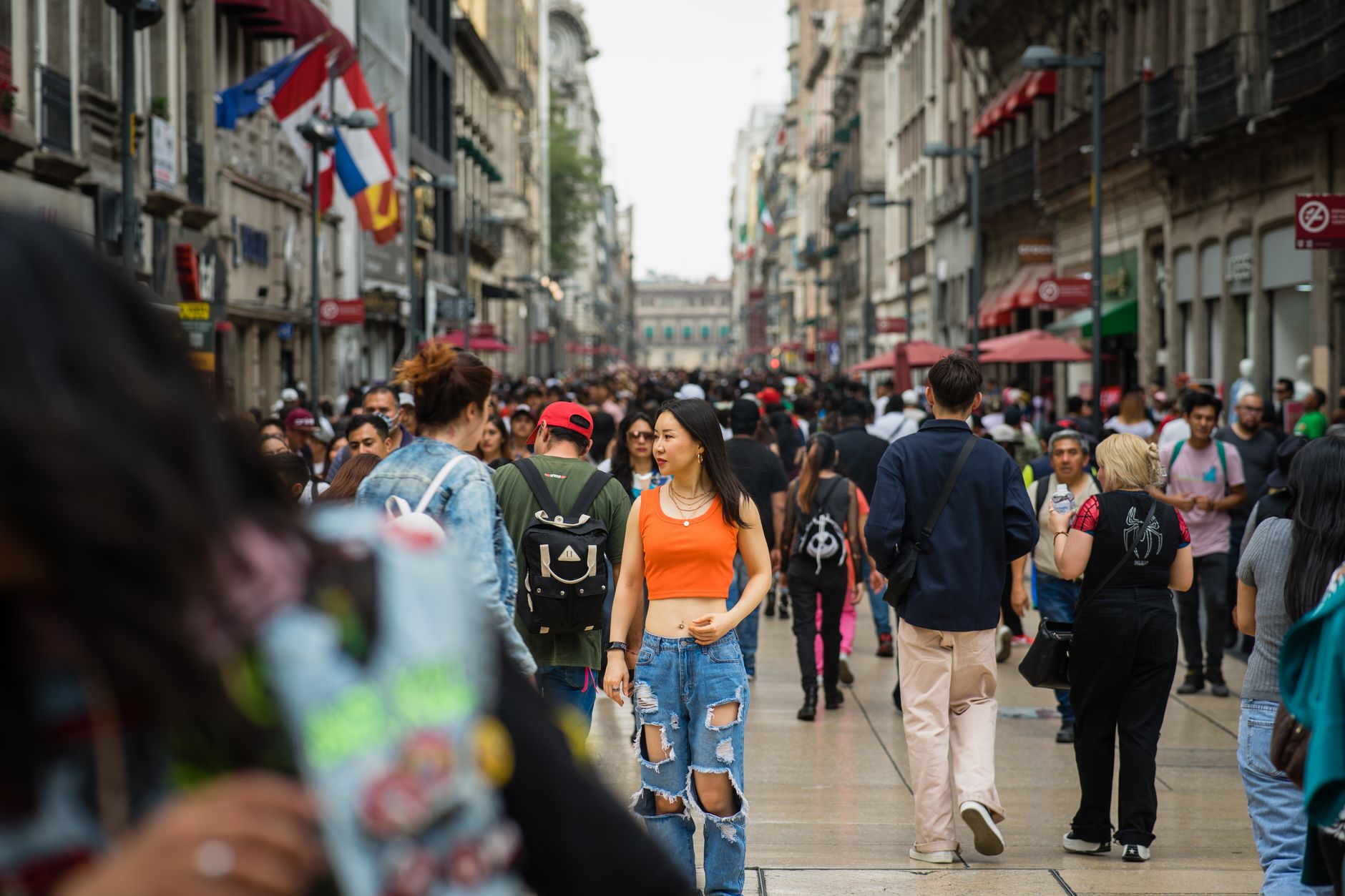
Supermanzana 22 sits in the grid of downtown Cancún where the city goes about its actual life — flower-named streets (Rosas, Tulipanes, Crisantemos), low commercial buildings, the kind of corner restaurants that fill at midday with people who work nearby. Avenida Yaxchilán runs along its edge, and Avenida Cobá cuts through, both useful arteries if you're moving between the bus terminal and the rest of Centro.
This is not a destination in the postcard sense. It's the texture that surrounds one — a residential and commercial supermanzana in Benito Juárez municipality, where the planning grid that shaped all of Cancún's downtown is most legible. Walk it to understand how the city actually fits together, not how it looks from a hotel balcony.
💛 What travellers fall for
People who stay near the bus terminal on Margaritas tend to use SM 22 as a staging ground. Los Arcos on Yaxchilán comes up as a reliable lunch stop — nothing elaborate, just consistent. The flower-named streets are quieter than Yaxchilán itself, worth threading through on foot if you're heading toward Mercado 28.
Deals in Zona Rosa (SM 22)
Book directly at the provider

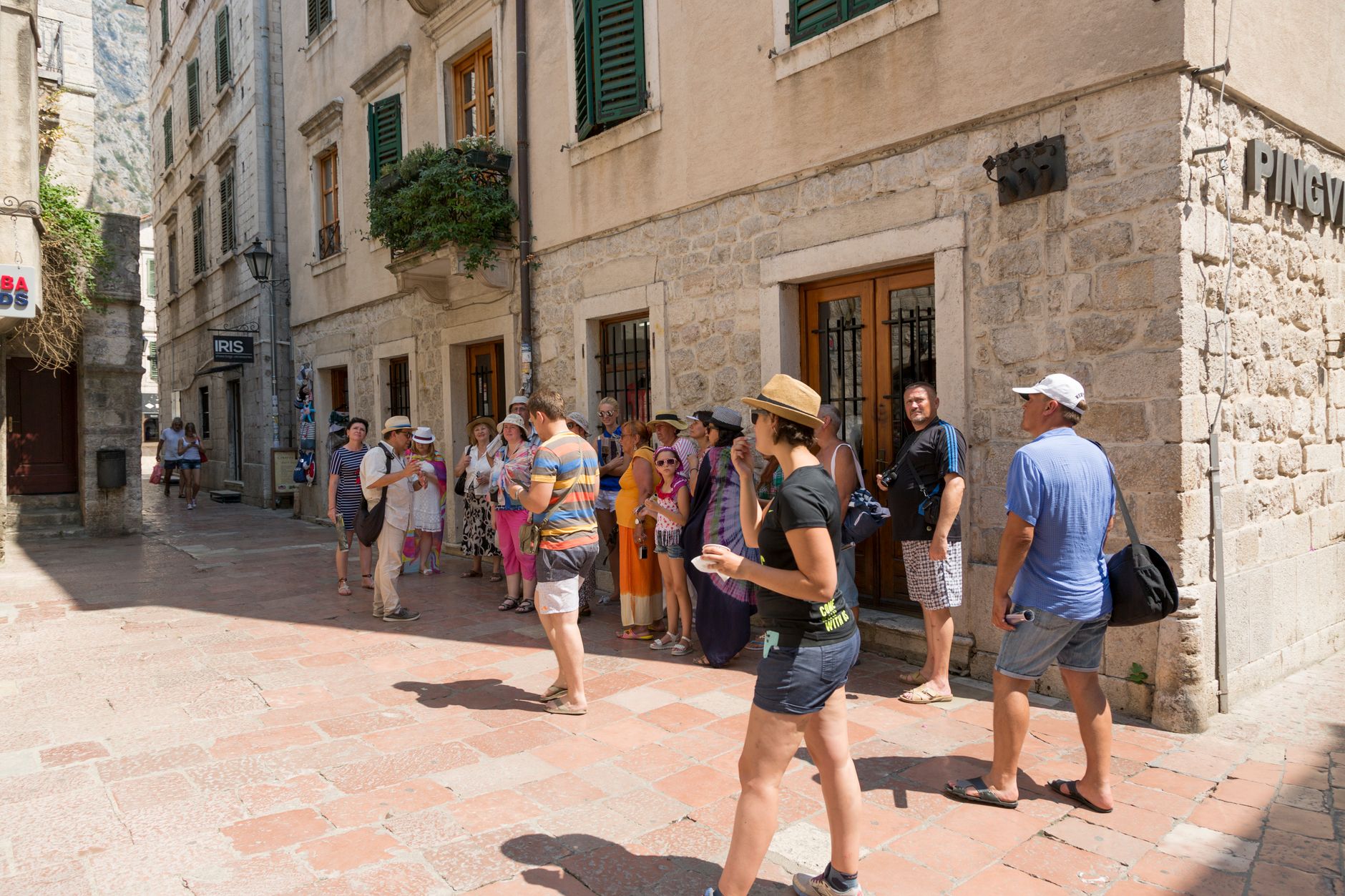
How Zona Rosa (SM 22) came to be
Cancún's downtown was not a gradual accretion but a planned act. When the Mexican government selected the site for development in the early 1970s, the mainland strip — Ciudad Cancún — was laid out in a numbered supermanzana grid, each block assigned a number, each street within it a name. SM 22 is one of those original planning units, its flower-named streets a product of that system rather than any organic local naming tradition.
No single event or person is documented as shaping SM 22 specifically. It grew as the city grew, absorbing the ordinary commerce and residence that any functioning downtown requires — and it remains, decades on, exactly that.
Who and what shaped it
Landmark buildings
See Zona Rosa (SM 22) in motion
Plan your visit
On the map
When to go
Cancún's dry season, November through April, brings lower humidity and cooler evenings — the more comfortable window for walking streets like these. From May to October, heat and afternoon rain are reliable facts; mornings are the practical choice for any time spent on foot.
Right now
Background & history adapted from Wikipedia (CC BY-SA) · specs from Wikidata (CC0) · weather from Open-Meteo · map data © OpenStreetMap contributors · photos from Wikimedia Commons / Unsplash with per-image credit. No third-party reviews or social posts reproduced.