
Zandvoort
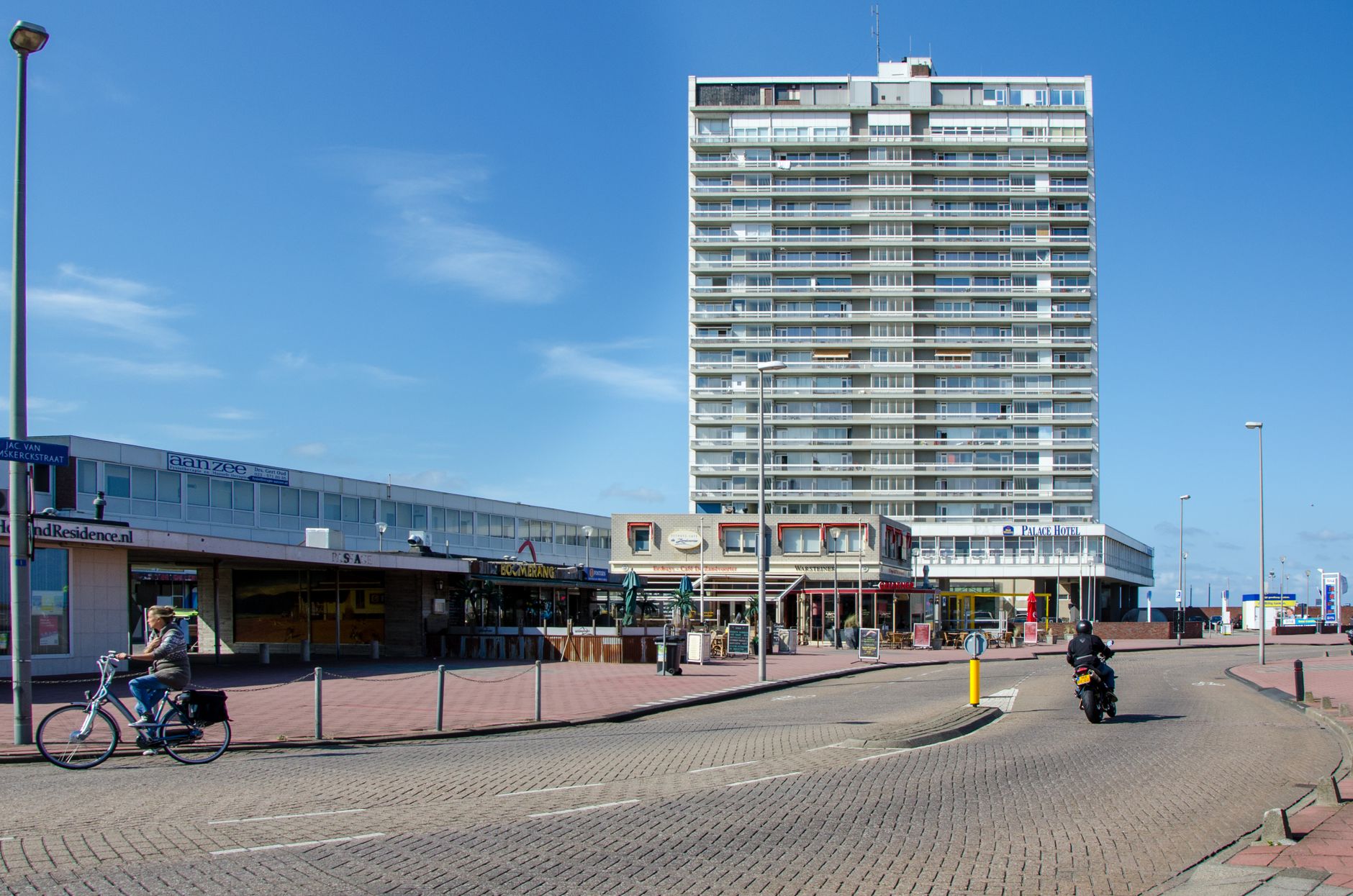
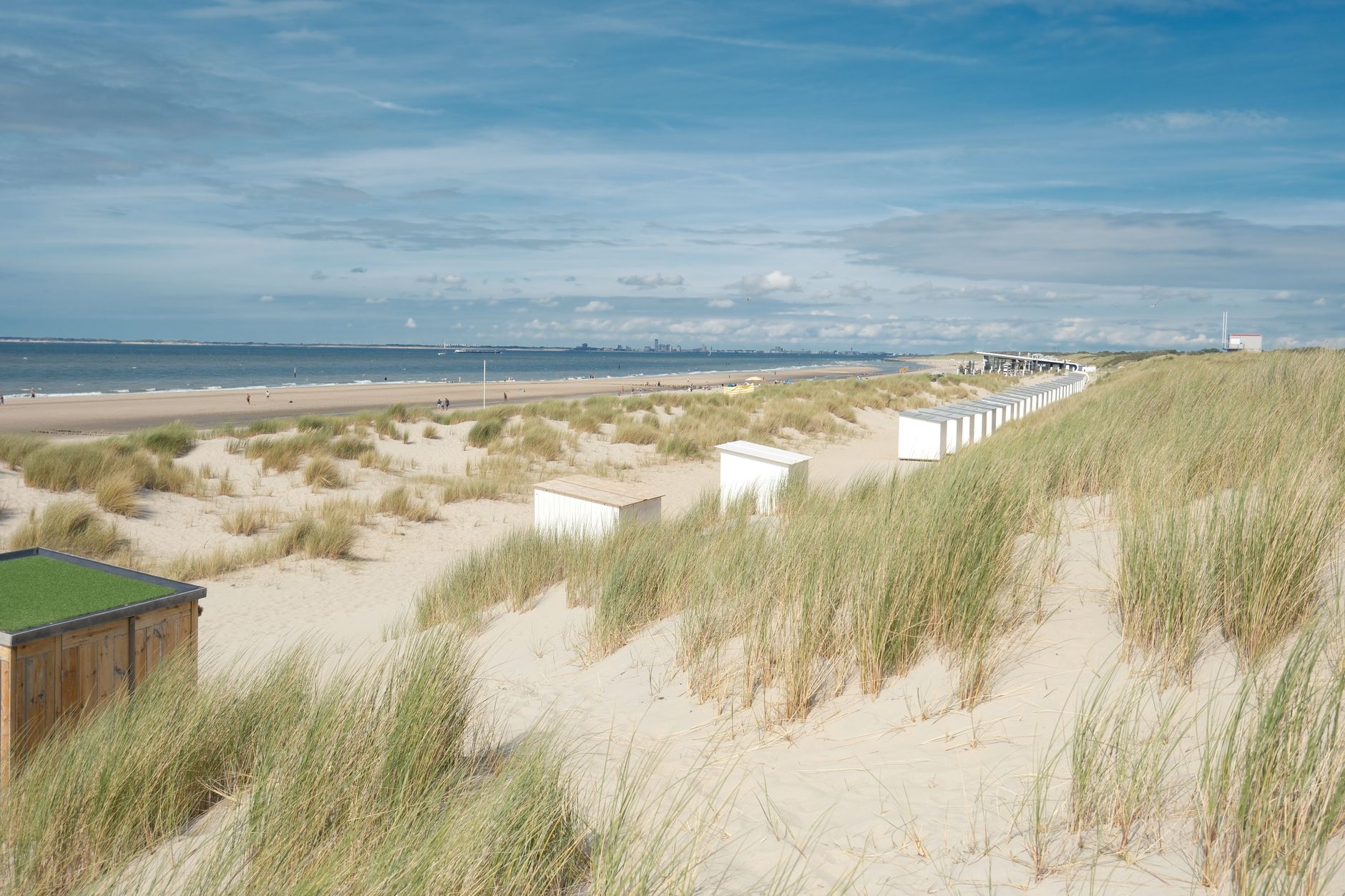
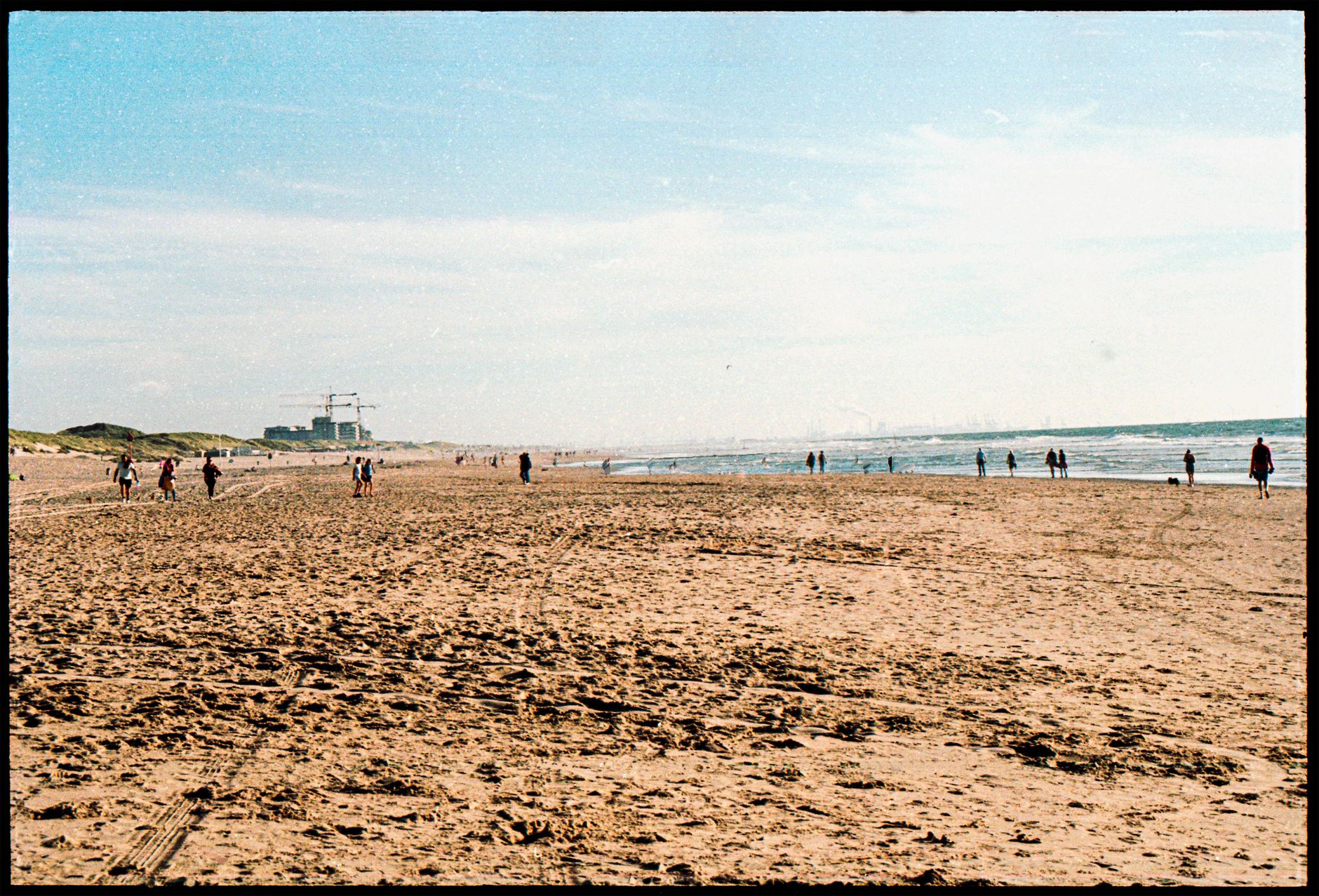
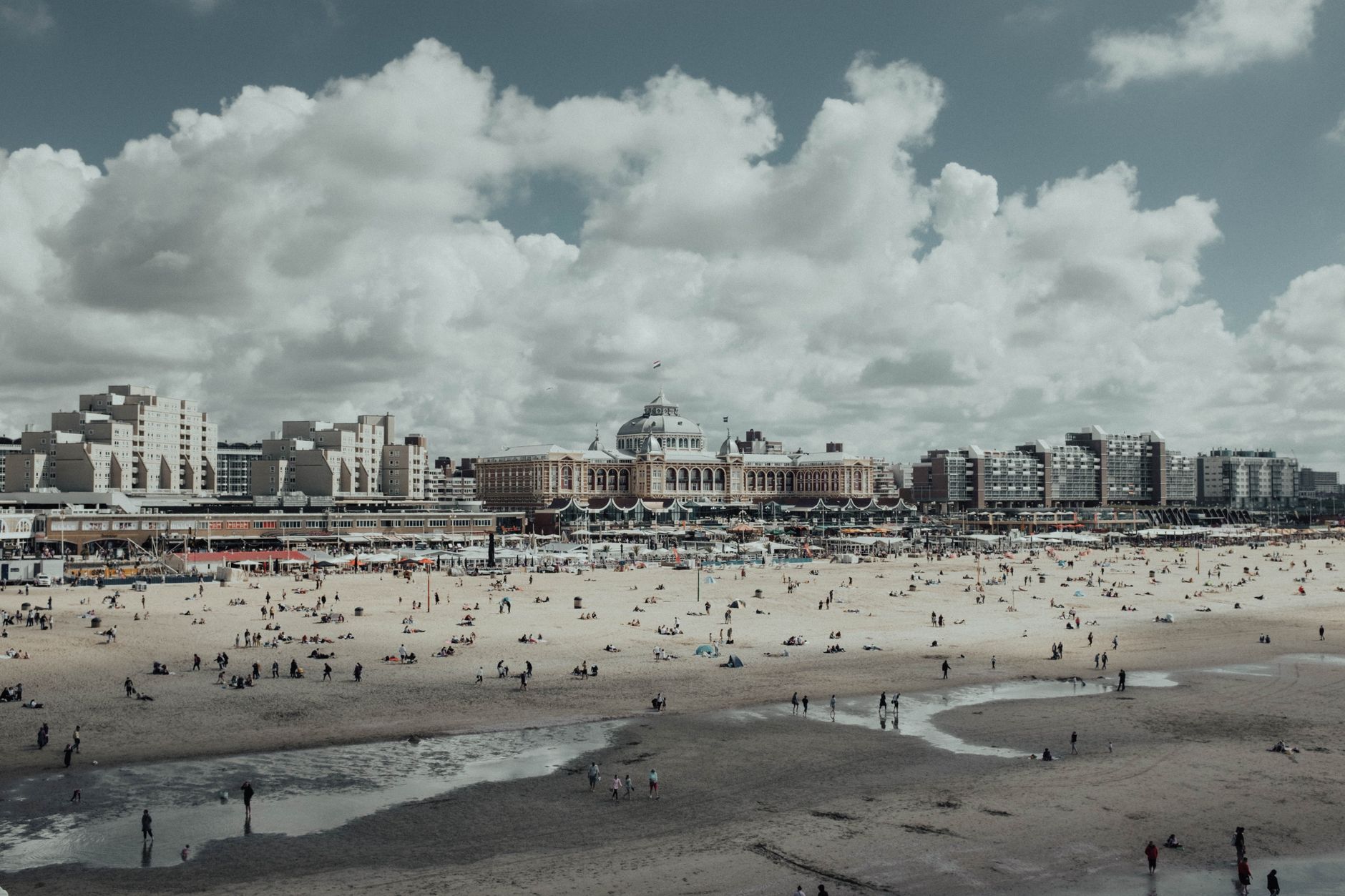

The train from Amsterdam Centraal deposits you almost directly onto the sand — Zandvoort aan Zee station sits two hundred metres from the North Sea, and on a clear summer morning you can smell the salt before you've left the platform. The beach runs nine kilometres along the Dutch coast, wide and flat in the way that North Sea beaches tend to be, with beach clubs stacking up behind the tideline and, a couple of kilometres south, a quietly designated stretch where swimwear becomes optional.
Beyond the shore, the town carries its layers lightly: a motorsport circuit cut into the dunes, a small museum dedicated entirely to things the sea has thrown back at the land, and a bronze empress standing on the boulevard where she once stayed in a rented villa.
💛 What travellers fall for
People who come back tend to time it around the shoulder seasons — spring especially, when the dune nature reserves are in flower and the beach clubs are still quiet. The Juttersmu-ZEE-um rewards a slow hour; the collection of wreck salvage and unexplained flotsam is genuinely strange. And the train back to Amsterdam is never more than thirty minutes away, which takes the pressure off.
Deals in Zandvoort
Book directly at the provider

How Zandvoort came to be
Documents place a settlement called Sandevoerde — sandy ford — here as early as 1100. For centuries it was a fishing village, modest and weather-beaten, until the nineteenth century recast it as a resort. The first formal bathing establishment opened in 1828; the railway arrived in 1881, then a tram link to Haarlem in 1899, and the summer crowds followed. Elisabeth of Bavaria, the Austrian empress known as Sisi, came in 1884 and 1885, staying at Villa Paula on what is now Boulevard Barnaart; her statue still stands there.
The Second World War stripped the town almost entirely: beach access was banned in May 1942 and residents were evacuated within months. Recovery came with the dunes — Circuit Zandvoort was built in 1948, and the Dutch Grand Prix ran there from 1950. The race returned in 2021 after a long absence, and NS now runs a service nicknamed the Max Express on Grand Prix weekends.
Who and what shaped it
People who shaped it
Landmark buildings
See Zandvoort in motion
Plan your visit
On the map
When to go
Summer (June to August) brings the most comfortable conditions, with temperatures between 18°C and 21°C and North Sea water warming to around 19°C in August — cool by most standards, but swimmable. Winters are grey, wet and persistently windy, with December averaging around twenty rainy days; spring and autumn offer quieter crowds and the dune landscapes at their most photogenic.
Right now
Background & history adapted from Wikipedia (CC BY-SA) · specs from Wikidata (CC0) · weather from Open-Meteo · map data © OpenStreetMap contributors · photos from Wikimedia Commons / Unsplash with per-image credit. No third-party reviews or social posts reproduced.