
Zamora
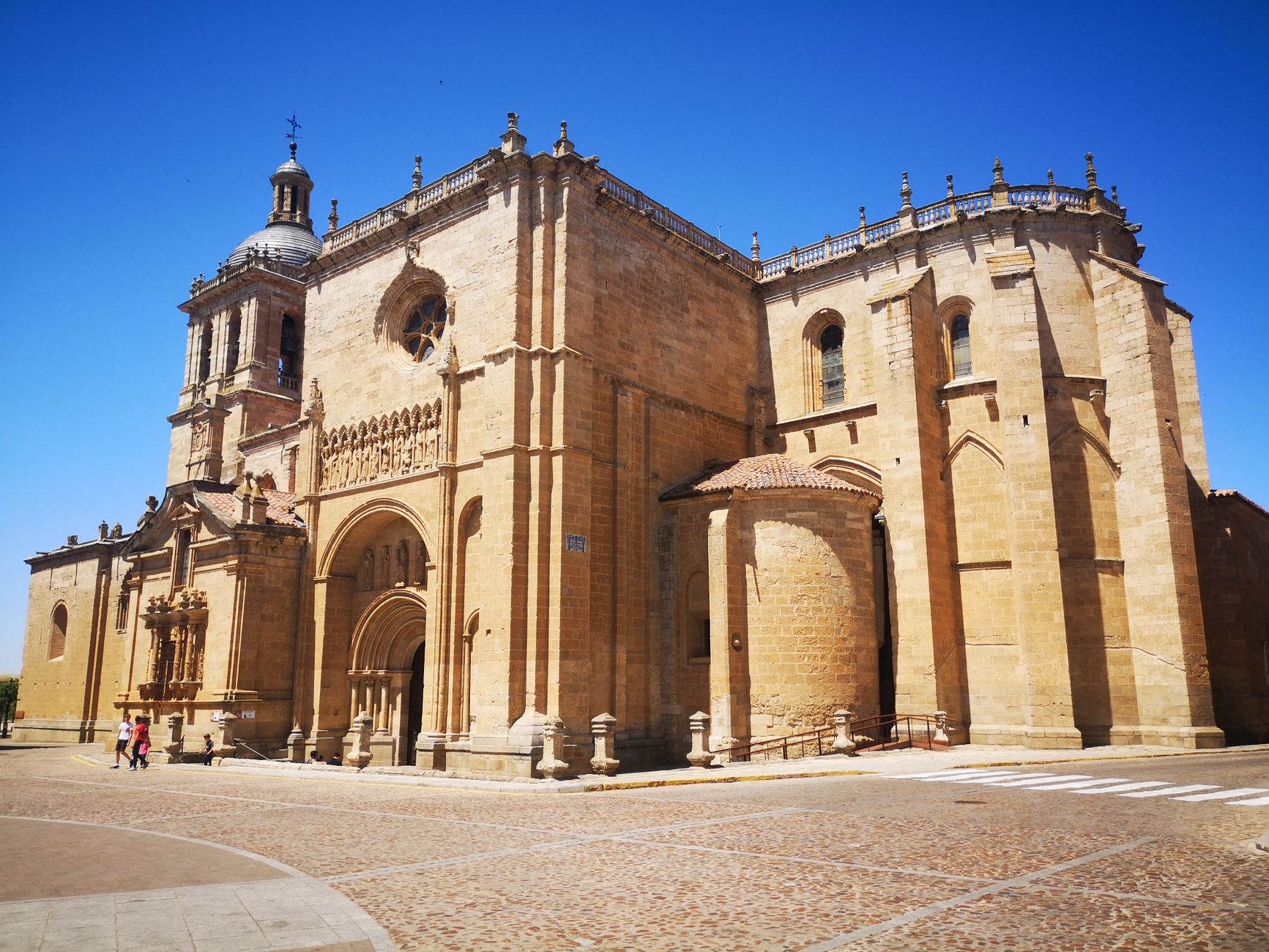
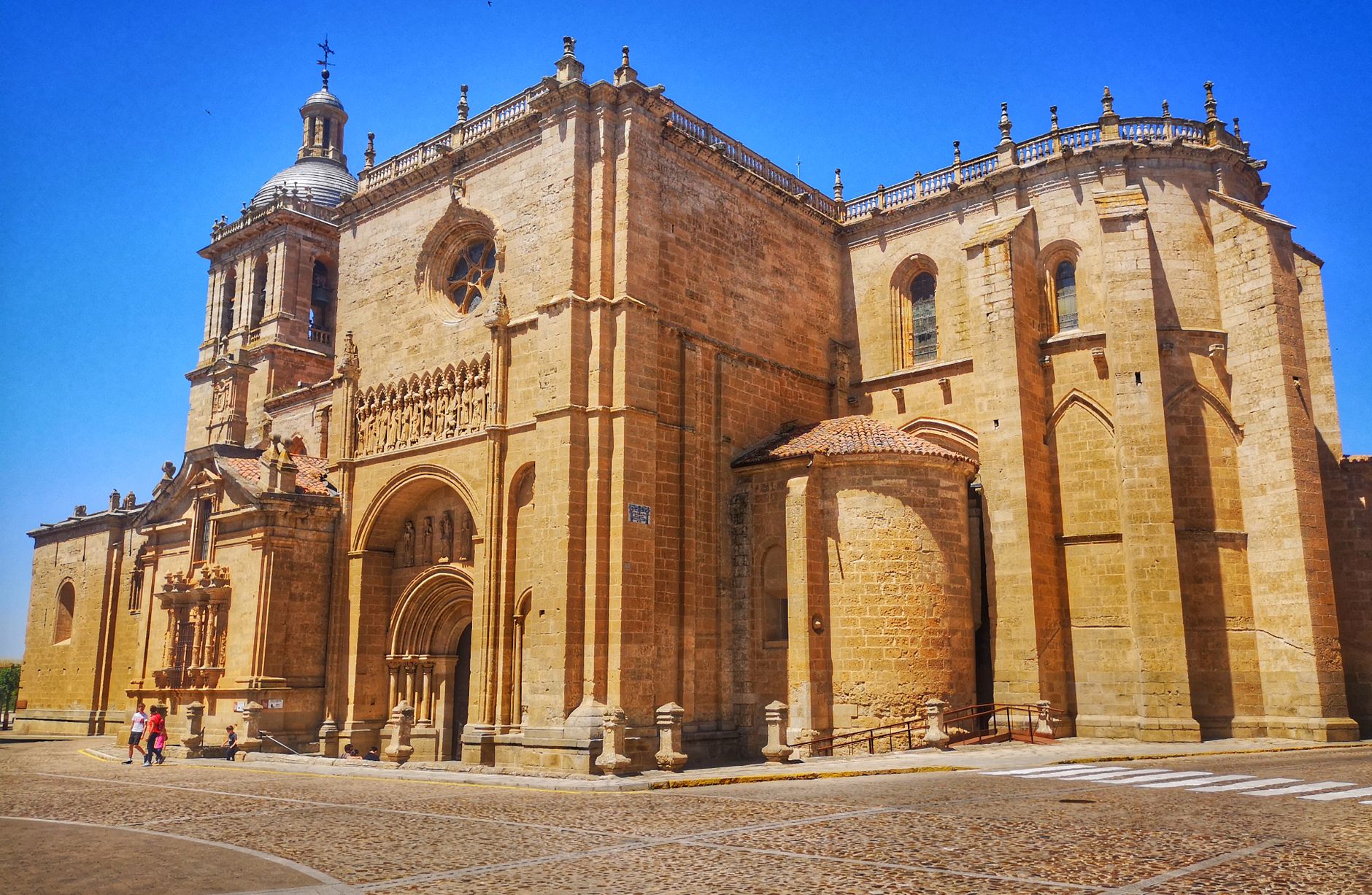
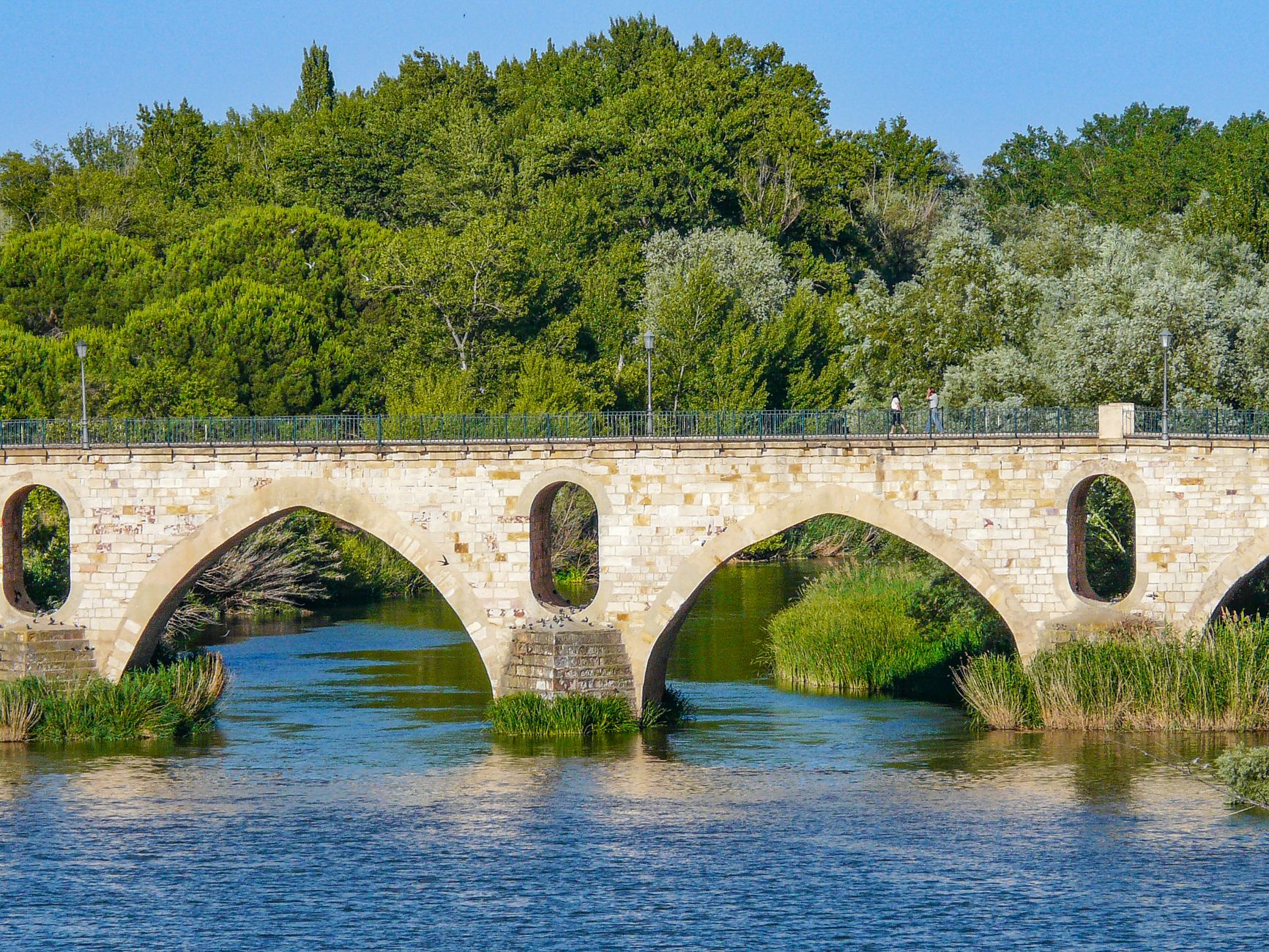
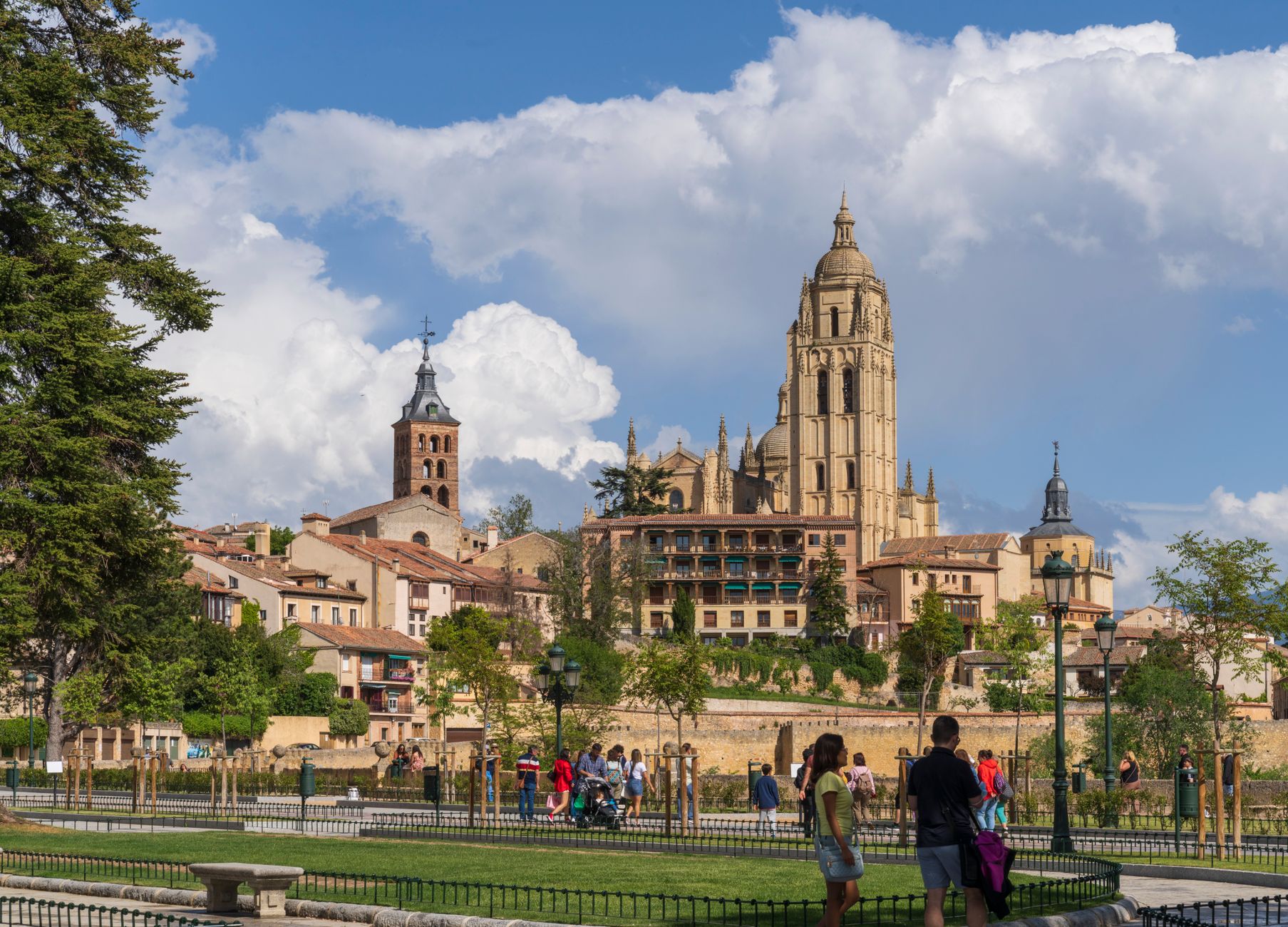
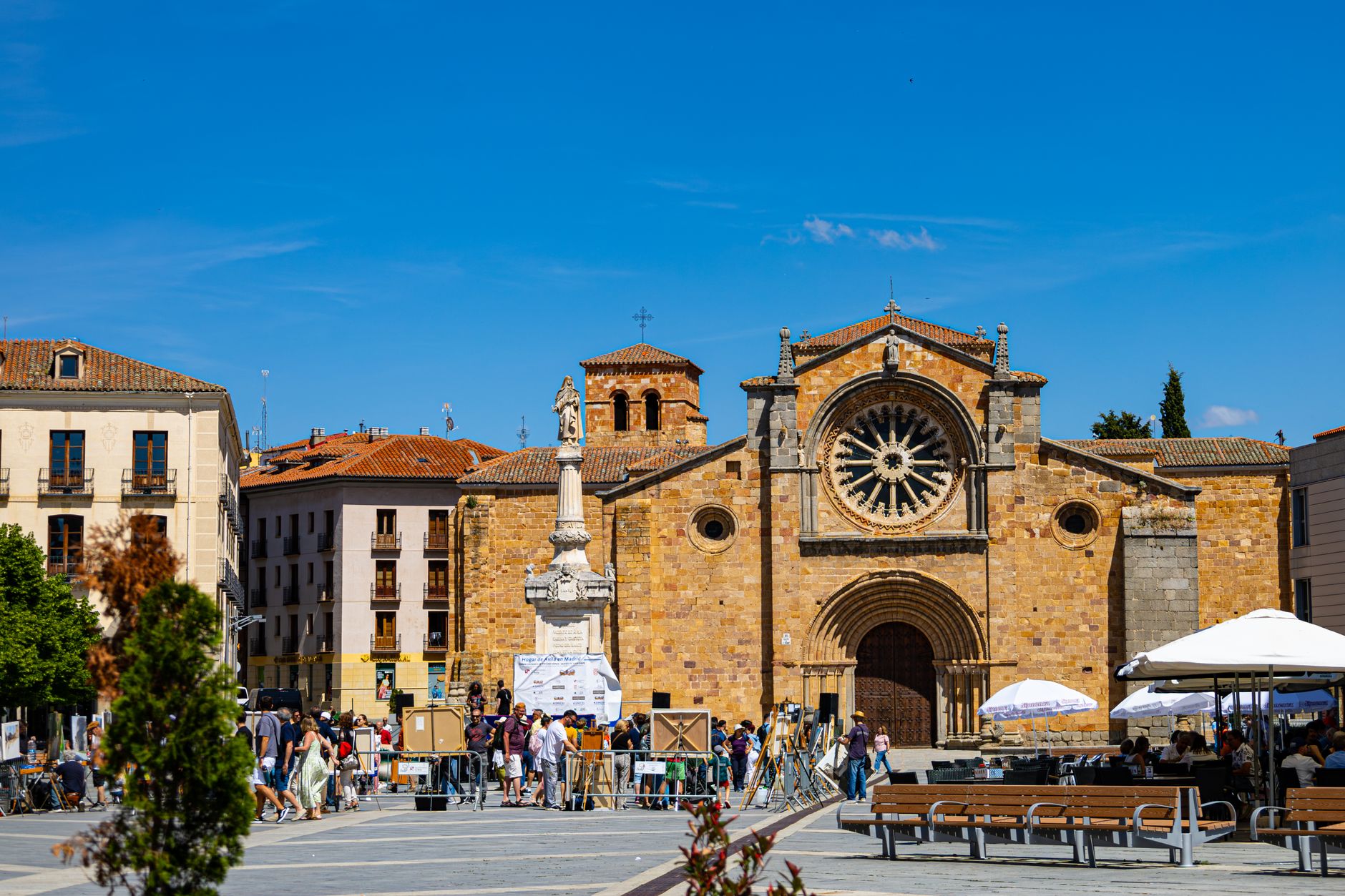
Stand on the Puente de Piedra and count the arches — sixteen, spanning the Duero in a low, deliberate curve — and you start to understand what Zamora is. This is a city that built things to last. Between the 12th and 13th centuries, its stonemasons raised so many Romanesque churches that Zamora now holds the highest concentration of them anywhere in the world: 24 in a city you can walk across in half an hour.
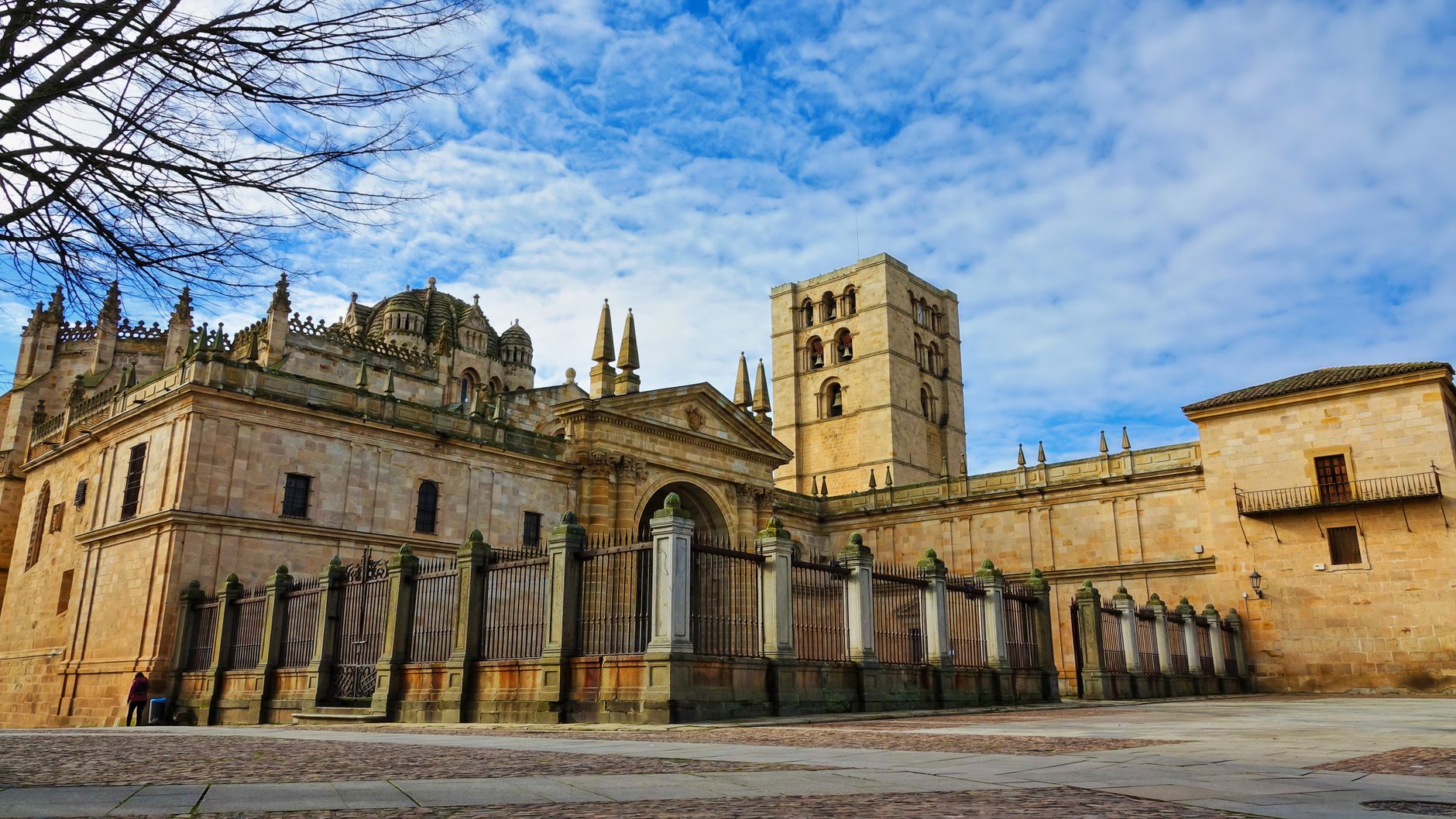
The Cathedral of El Salvador anchors the old town on its granite bluff, its Byzantine dome — 20 metres wide, ribbed and scalloped like something that drifted in from Constantinople — sitting above the Duero plain in quiet defiance of category. Zamora rewards the kind of traveller who slows down enough to notice the carved capitals, the worn thresholds, the afternoon light on stone.
💛 What travellers fall for
People who come back tend to mention the same two things: the Flemish tapestries inside the cathedral, which most visitors walk past too quickly, and the Aceñas de Olivares — the 10th-century watermills on the river's edge, still turning in the current, with a small museum that almost nobody else is in.
Experiences you don't want to miss




Deals in Zamora
Book directly at the provider
How Zamora came to be
The site was already old when the Romans arrived and named it Occelum Durii — Eye of the Duero — for its commanding position above the river. Before them, the Vacceos, a Celtic people, had settled here and called it Ocalam. The city's most consequential medieval moment came in 1072, when King Sancho II of Castile was assassinated outside its walls, an event that reshuffled the Iberian power map and passed into legend.
In 1143 the Treaty of Zamora formalised Portugal's independence — a document signed here that redraws the Iberian map to this day. The 12th and 13th centuries brought the great church-building surge that defines the city's skyline. Political and economic weight drifted away in the early modern period, which is precisely why so much survived: Zamora never had the money to tear itself down and rebuild.
Who and what shaped it
People who shaped it
Landmark buildings
See Zamora in motion
Plan your visit
On the map
When to go
Summers on the Castilian plateau are dry and hot, often above 35°C in July and August — the stone absorbs it and gives it back in the afternoon. Spring (April–June) and autumn (September–October) are the comfortable windows: mild days, cool evenings, and the low light that makes Romanesque stonework look its best.
Right now
Background & history adapted from Wikipedia (CC BY-SA) · specs from Wikidata (CC0) · weather from Open-Meteo · map data © OpenStreetMap contributors · photos from Wikimedia Commons / Unsplash with per-image credit. No third-party reviews or social posts reproduced.