
City

Zaandam

Zaandam
Photo by Vladislovas Sketerskis on Pexels
Zaandam
Photo by Sadettin Dogan on Pexels
Zaandam
Photo by ERIC POUSSIN on Pexels
Zaandam
Photo by ERIC POUSSIN on Pexels
Zaandam
Photo by Shane Aldendorff on Pexels
Zaandam
Photo by Melike B on Pexels

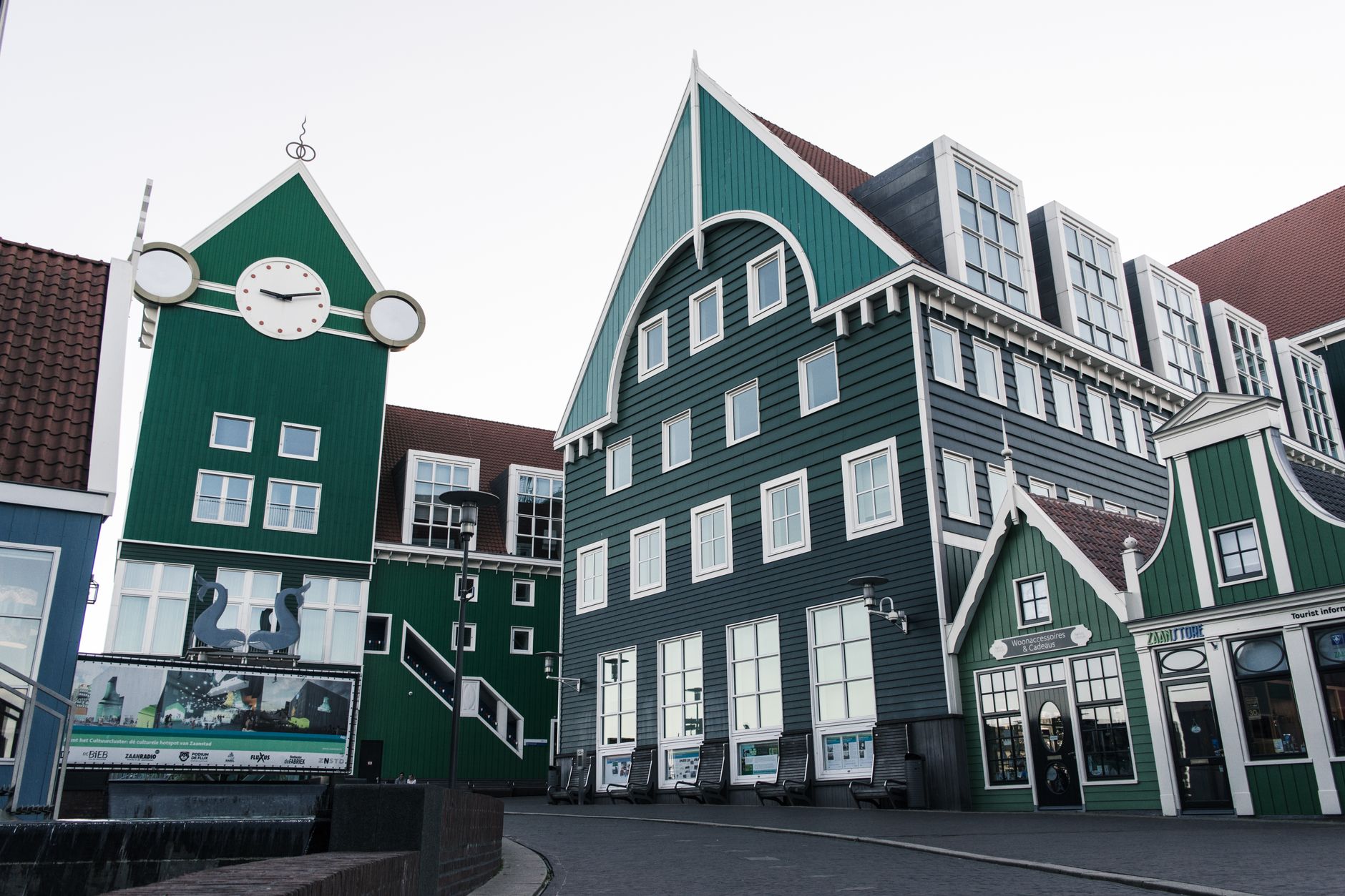
The Inntel Hotel stops you cold before you've even checked in — a 40-metre stack of nearly 70 traditional Zaan facades, each one lifted from an actual house in the region and piled skyward like some affectionate architectural joke. It's a good introduction to Zaandam, a city that takes its own vernacular seriously.

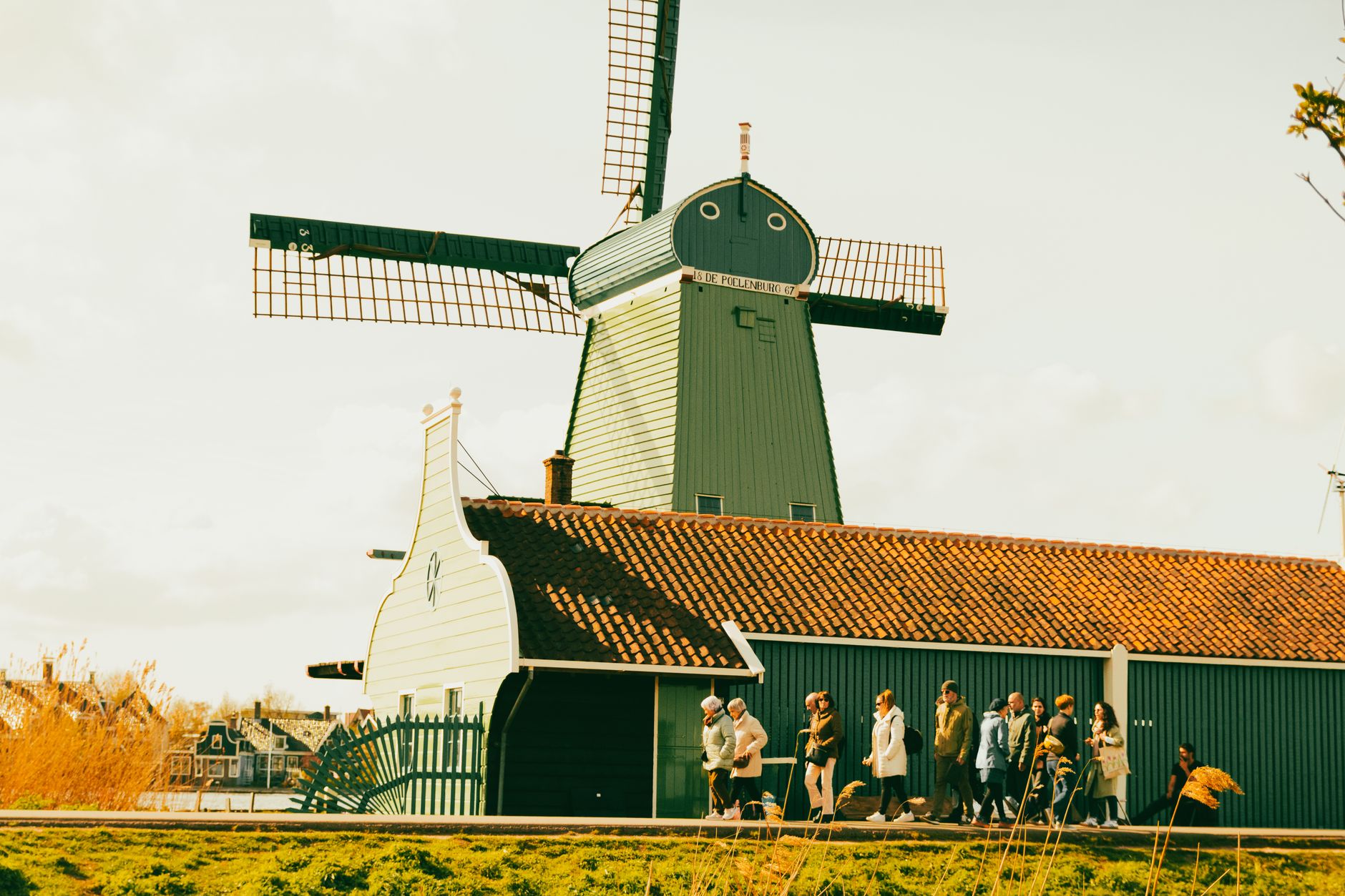
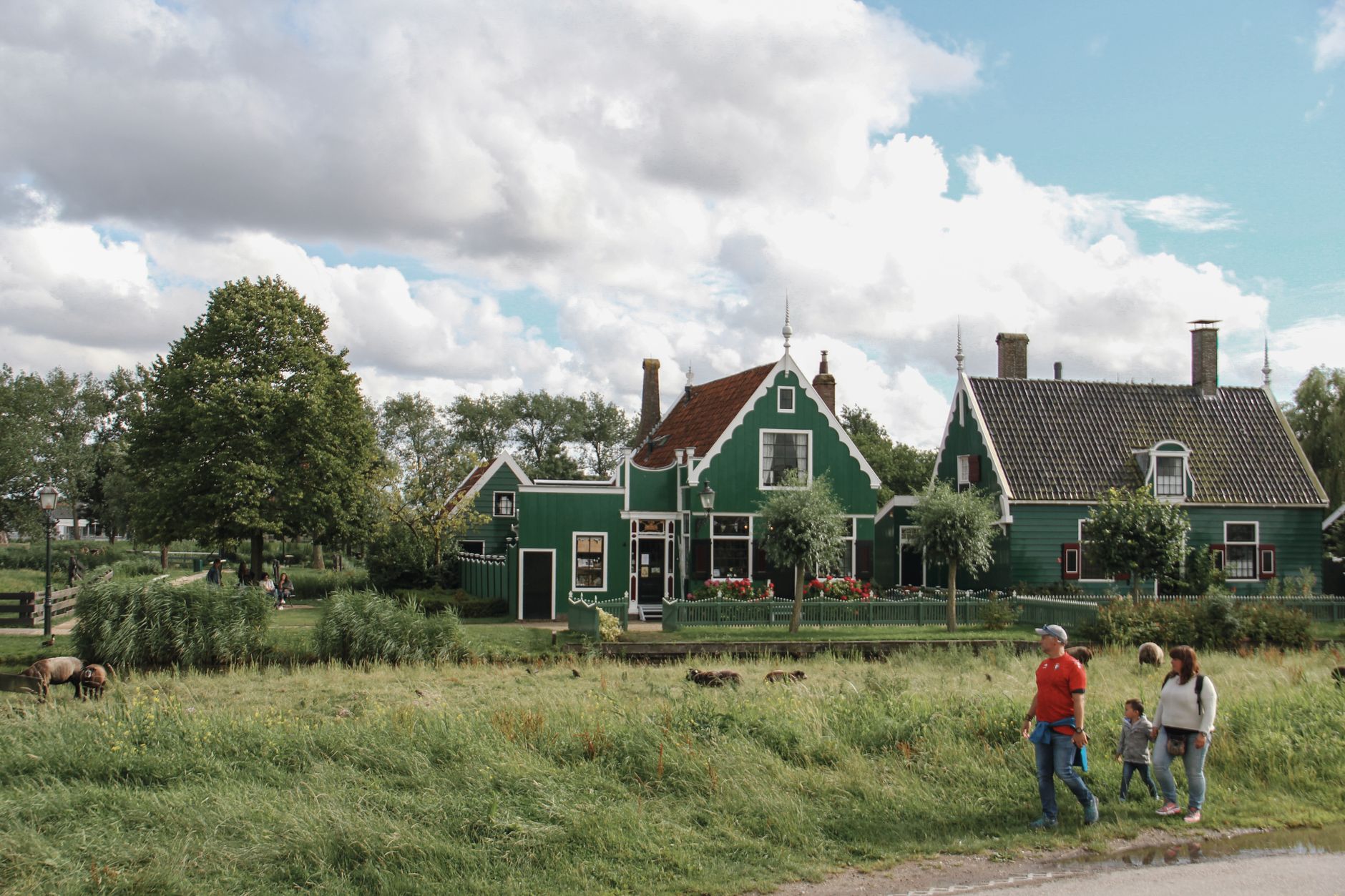
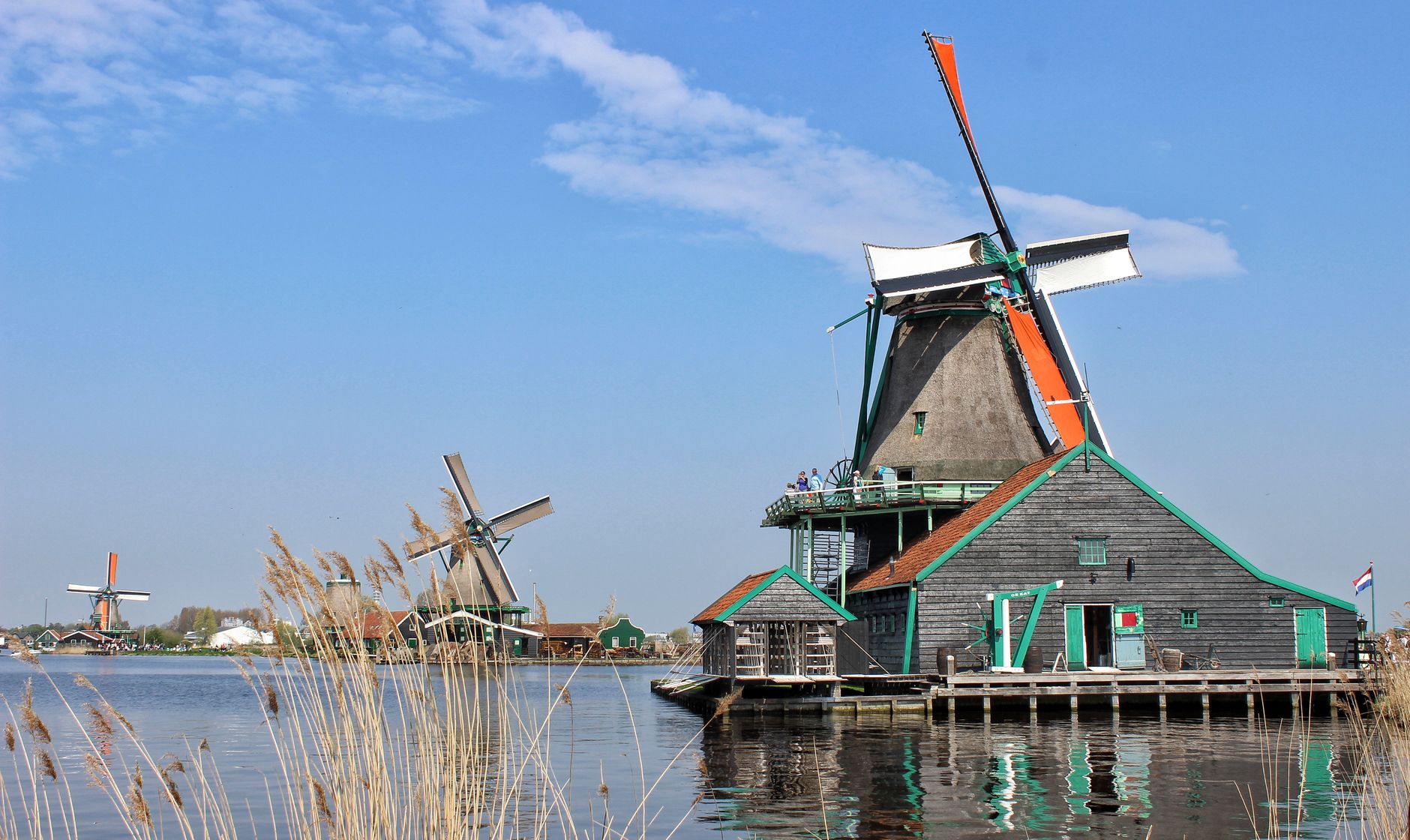
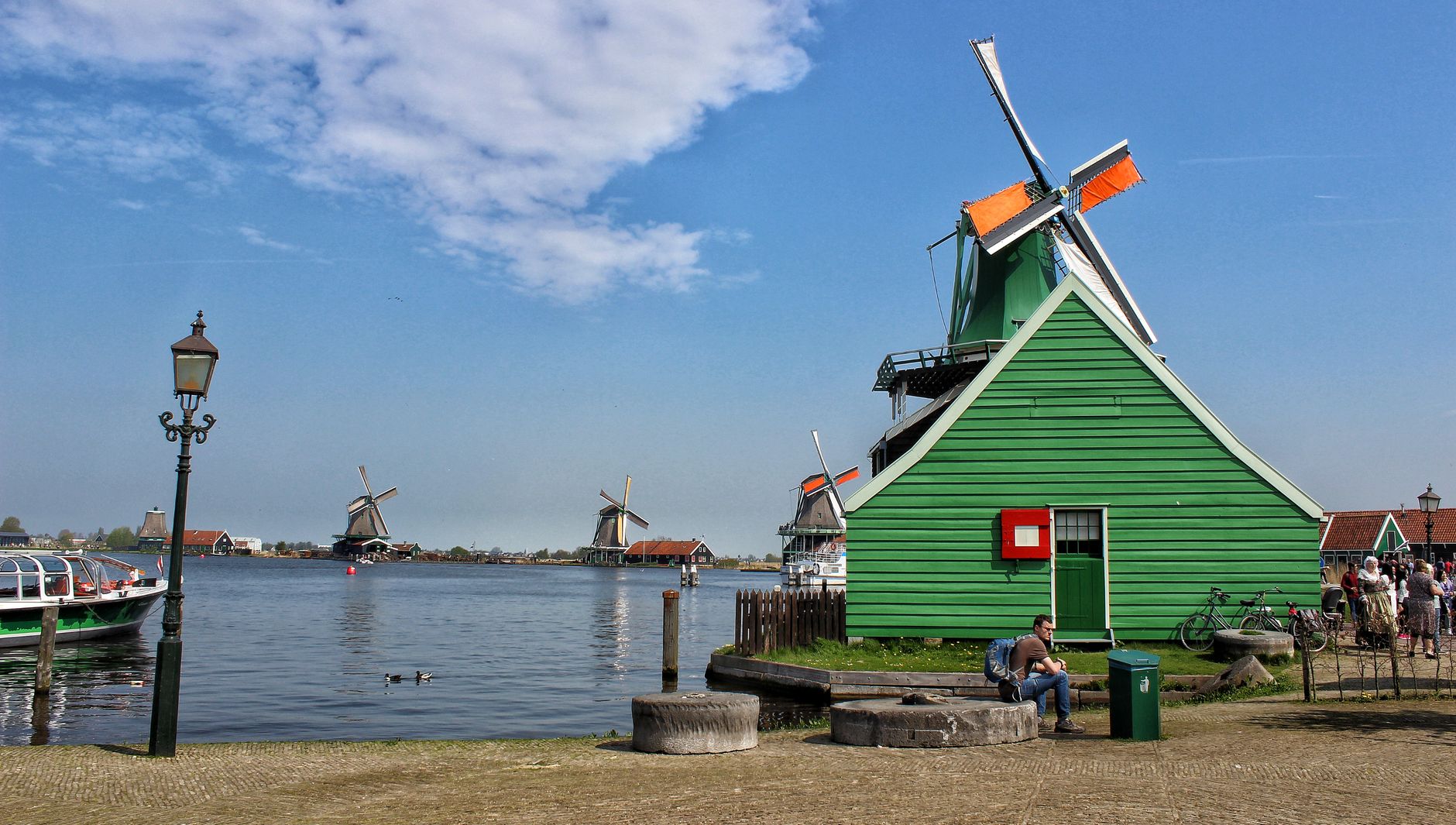
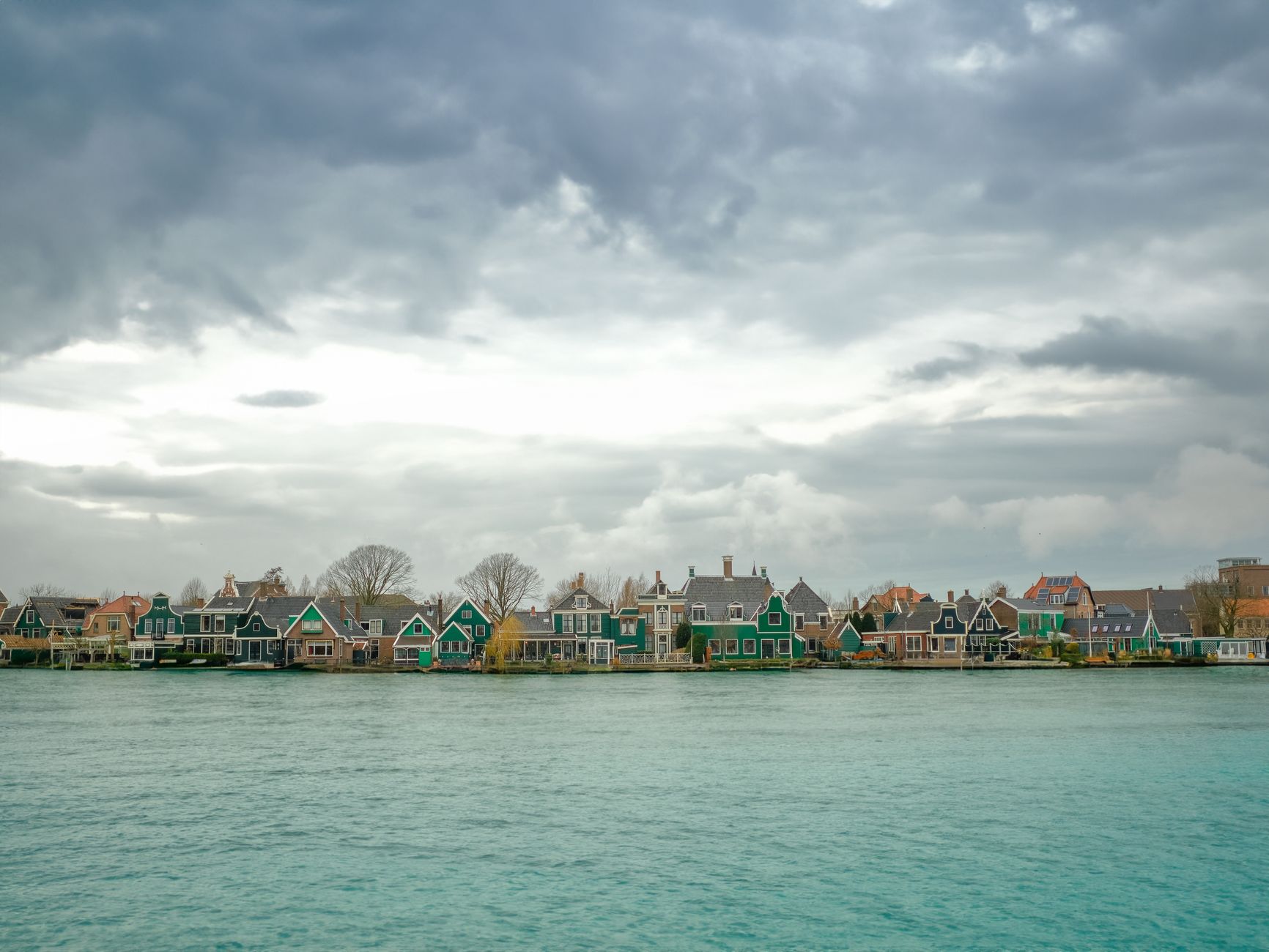
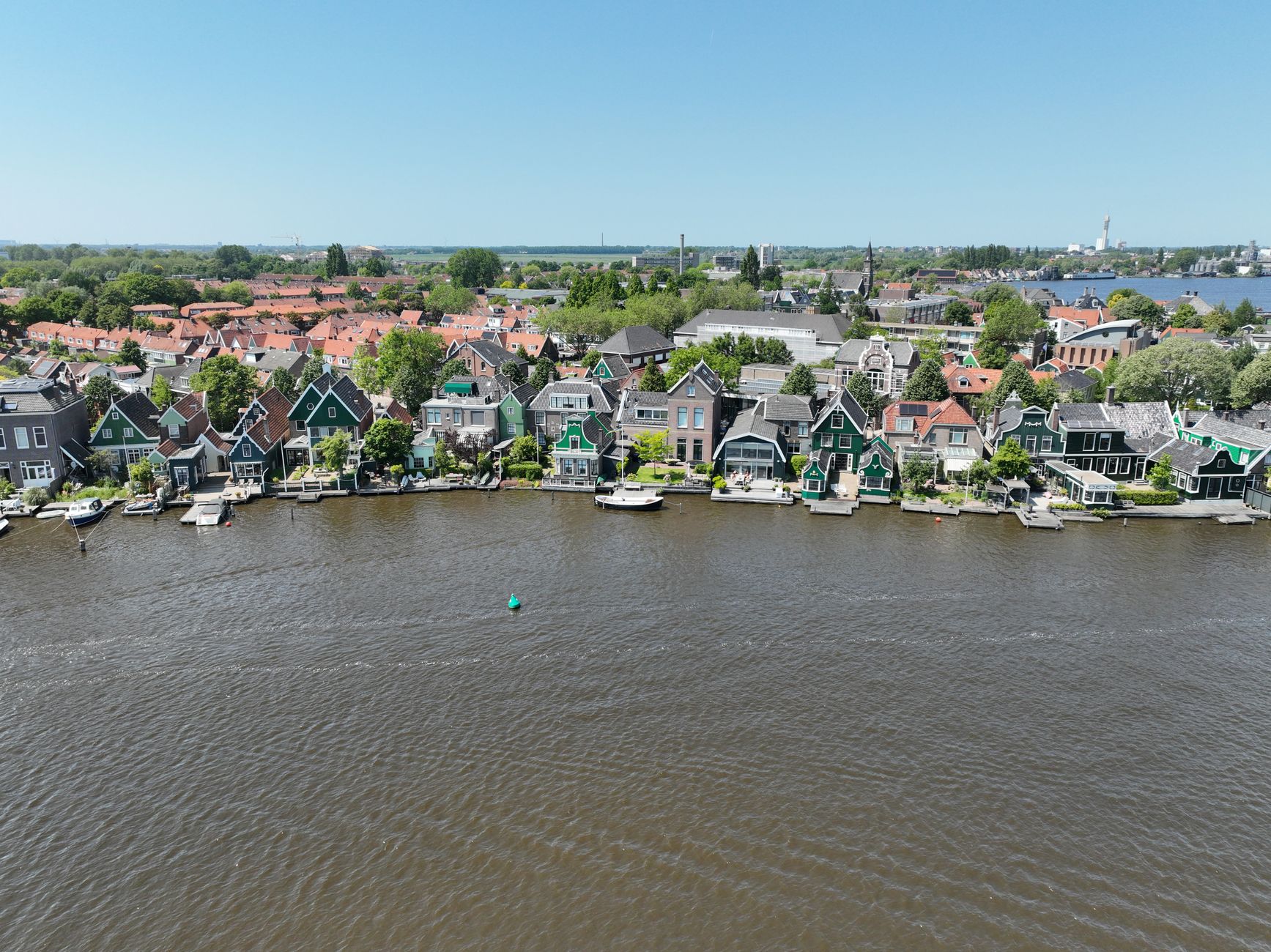
Once the sawmill capital of the known world, Zaandam powered the Dutch Golden Age on Scandinavian timber and wind. The Zaan River still runs through it, the green-painted wooden houses still line its banks, and the windmills at Zaanse Schans still turn. The city has reinvented itself more than once, but it hasn't erased what came before.

💛 What travellers fall for

People who come back tend to head straight for Hembrugterrein — the former munitions complex along the North Sea Canal, decommissioned in 2003 and now full of studios, galleries, and Lab 44 doing food worth the detour. The Czaar Peterhuisje is smaller than you expect, which is exactly the point.

Good to know
Zaandam sits roughly 15 minutes from Amsterdam Centraal by Sprinter — two stations serve the city, with Intercity and bus connections onward to Alkmaar and Enkhuizen. Spring and early autumn give you the best light on the river. The Zaanse Schans Card bundles museum entry efficiently.

Deals in Zaandam

Book directly at the provider
The story

How Zaandam came to be

A dam across the Zaan, built around 1288 to hold back floodwater, drew two settlements to its banks — Oostzaandam to the east, Westzaandam to the west. By the 17th century the area was running on wind: hundreds of windmills lined the river, their saws cutting Scandinavian timber into planks for Dutch ships. The industry drew visitors of consequence. In 1697, Tsar Peter the Great arrived incognito to study shipbuilding; the tiny 1632 house where he lodged still stands.

The two settlements merged into a single city in 1811, and Zaandam remained a working timber port well into the 20th century. It joined the wider municipality of Zaanstad in 1974, and a major redevelopment from 2008 onward brought the current City Hall — its colourful facades positioned deliberately beside the railway station, the first point most arrivals see.

People & landmarks

Who and what shaped it

People who shaped it

Peter I (Tsar Peter the Great)
Studied shipbuilding in Zaandam in 1697; lodged in the Czar Peter House.
Claude Monet
Painted 25 works in Zaandam during summer 1871, capturing windmills and the Zaan River.
Anton Mauve
1838–1888 landscape painter and Zaandam native; leader of Hague School and first mentor to Vincent van Gogh.
Pieter Bleeker
1819–1878 ichthyologist born in Zaandam; researched fish fauna of East Asia and authored Atlas Ichthyologique.
Jan Verkade
1868–1946 post-Impressionist painter born in Zaandam; associated with Pont-Aven group; became Benedictine monk in 1894.
Ericus Gerhardus Verkade
1835–1907 industrialist; founded Verkade company with steam bakery opened in Zaandam in 1886.
Ronald Koeman
Born 1963 in Zaandam; one of highest-scoring defenders in football history; played for Netherlands, Barcelona, PSV, and Ajax.
Albert Heijn Sr.
1865–1945 founder of Albert Heijn supermarket chain; established central warehouse in Zaandam by early 1900s.

Landmark buildings

Zaanse Schans
Open-air museum preserving 17th–19th century heritage; features working windmills and traditional buildings from the region's milling era.
Inntel Hotel (Inntel Hotels Amsterdam Zaandam)
Opened March 2010; 40-metre structure made of nearly 70 traditional Zaanse house facades stacked vertically.
Czar Peter House (Czaar Peterhuisje)
Built 1632; one of oldest wooden houses in Netherlands; where Tsar Peter the Great lodged during his 1697 visit.
Blue House (Monet's Blue House)
Built 1724 merchants' house; side facade restored to original blue colour in 2014; subject of Monet's paintings.
Stadhuis (City Hall)
Located beside Zaandam Station; collection of buildings with colourful facades; part of 2008 redevelopment.
De Burcht
Neoclassical-style white building with dome tower built 1840; formerly served as town hall.
Hembrugterrein
Munitions production facility from 1895–2003 along North Sea Canal; now historical site and public park with studios, galleries, and restaurants.
Bakery Museum 'The Gecroonde Duyvekater'
Located in Zaanse Schans; dates to 1658; displays antique baking tools and authentic bread oven.
Zaans Museum
Museum for understanding regional history; accessible via Zaanse Schans Card.
Practical

Plan your visit

On the map

When to go

Zaandam shares the Dutch coastal climate: mild, grey, and damp for much of the year, with the best chances of clear skies in May, June, and September. Summer temperatures hover around 20°C; winters are cold but rarely severe, and the low light in November and December falls hard on the river in a way that made Monet paint 25 canvases here in a single summer.

Right now

18°C
Partly cloudy
Sat
🌧️
20°
17°
Sun
🌧️
22°
15°
Mon
20°
15°
Tue
21°
13°
Weather data: Open-Meteo

Background & history adapted from Wikipedia (CC BY-SA) · specs from Wikidata (CC0) · weather from Open-Meteo · map data © OpenStreetMap contributors · photos from Wikimedia Commons / Unsplash with per-image credit. No third-party reviews or social posts reproduced.

Top