
Williamsburg


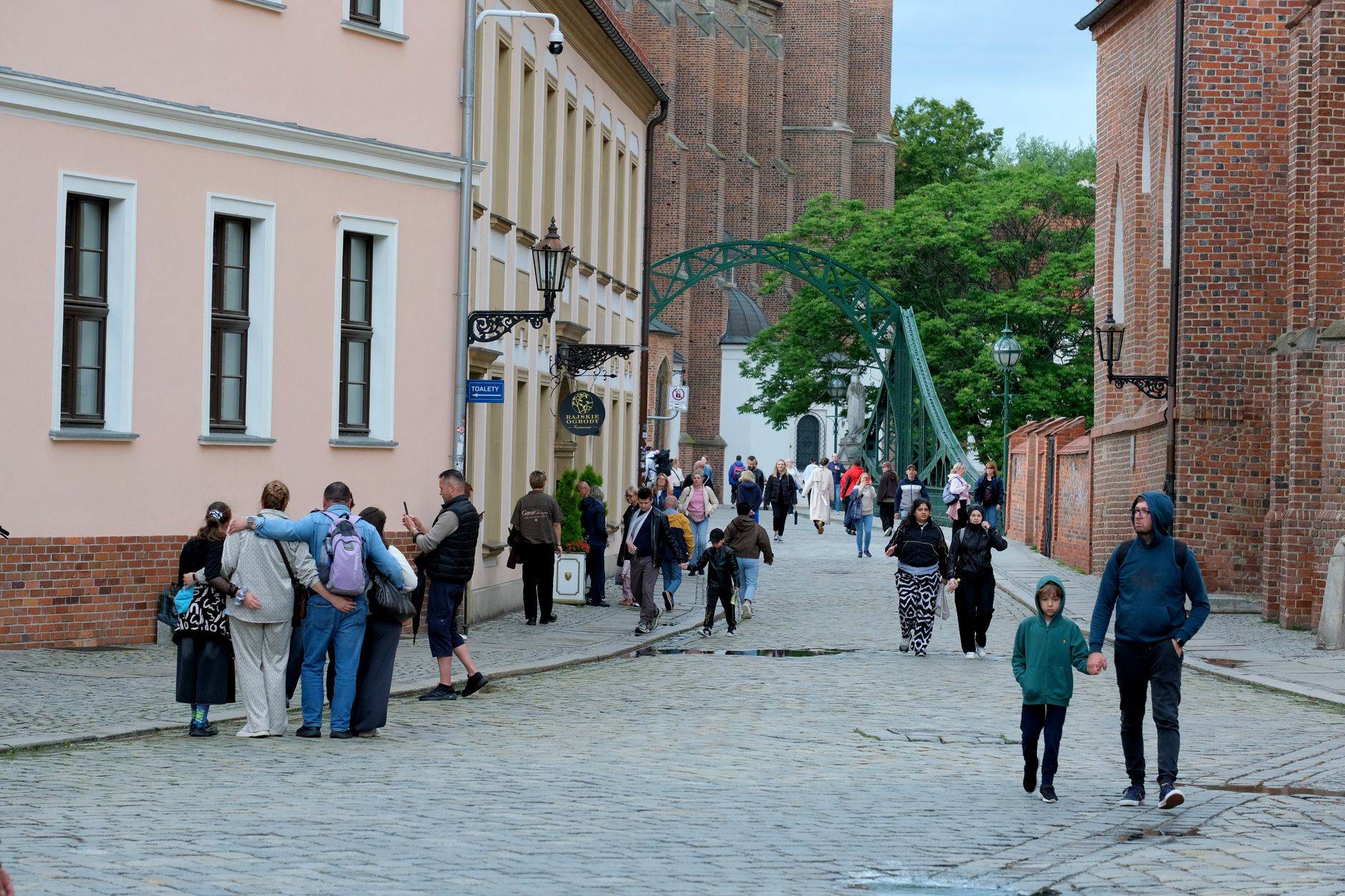
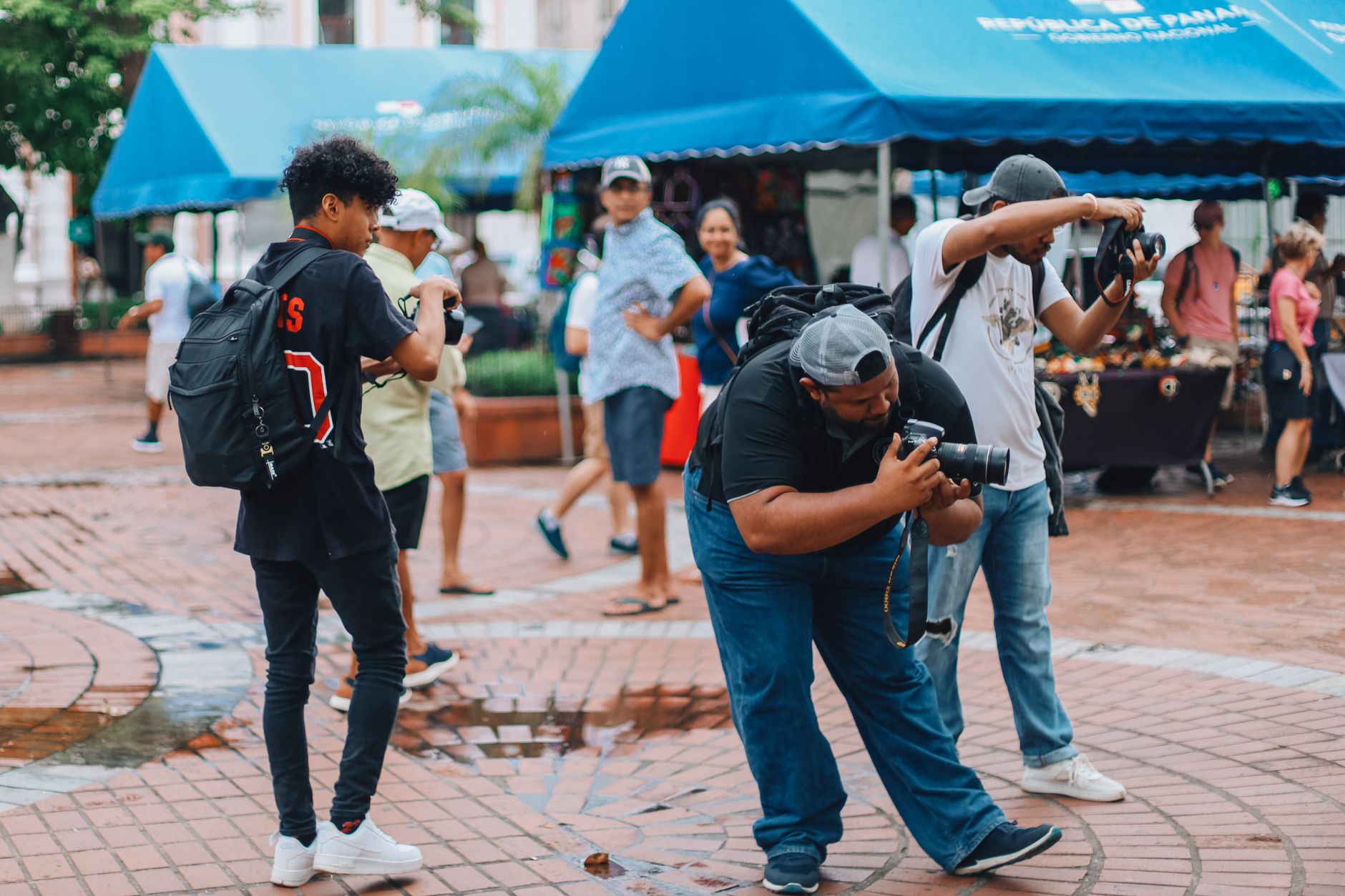

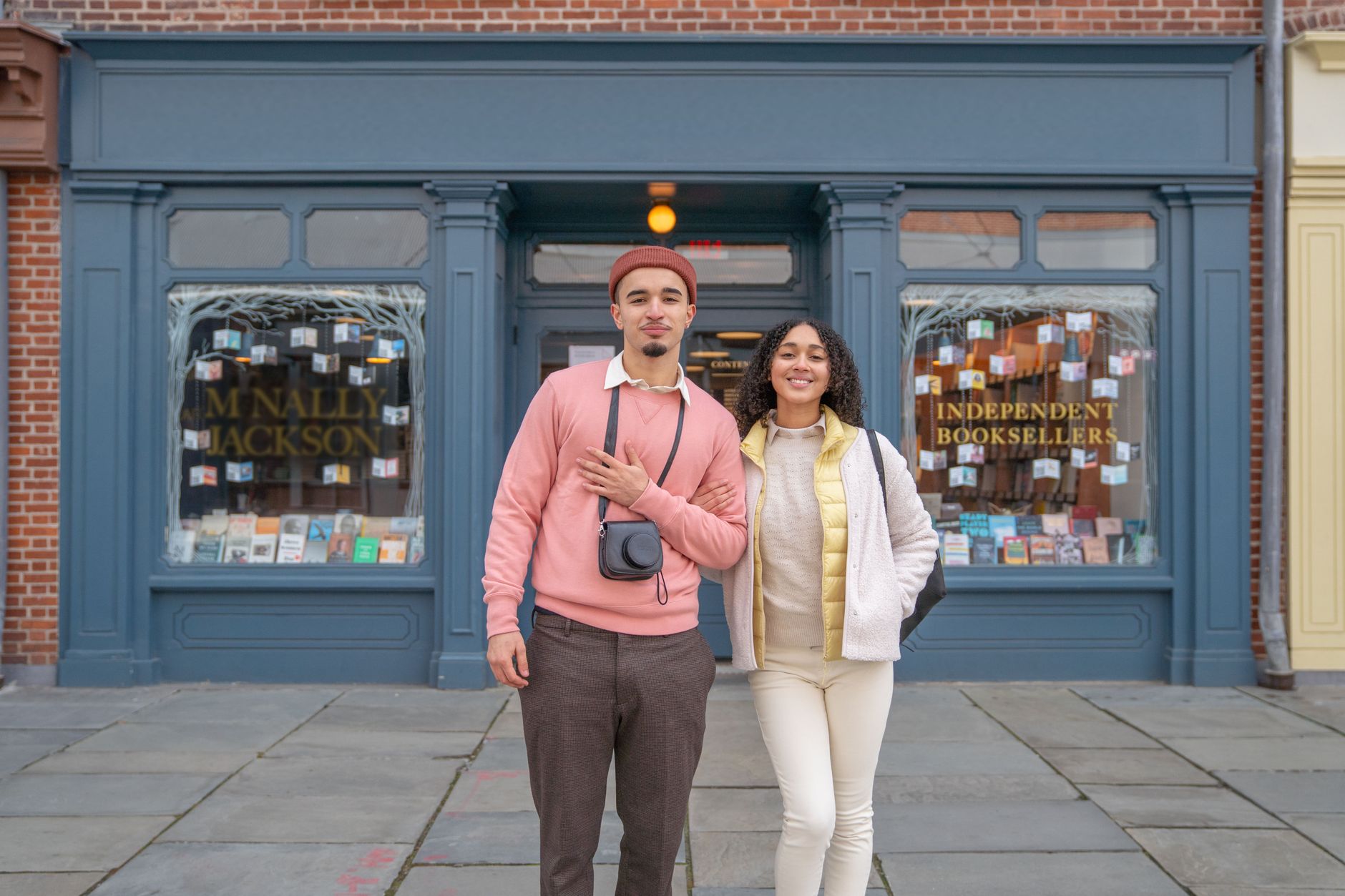
The Bedford Avenue L stop deposits you onto a street where a Hasidic wig shop and a third-wave coffee bar share the same block without apparent tension. That compression — of eras, communities, and ambitions — is what Williamsburg actually is, beneath whatever reputation preceded it.
This was a manufacturing neighborhood long before it was anything else: sugar refineries, pharmaceutical plants, glass works. The factories mostly left. The people who replaced them changed the place again. What remains is a waterfront with serious history, a subway line that runs to Manhattan in under half an hour, and a street grid that rewards walking.
💛 What travellers fall for
People who keep coming back tend to start at the East River Ferry landing, not the subway — the approach from the water reframes the whole neighborhood. They also mention the Domino Sugar site as a place worth a slow circuit, even mid-week when it's quiet. The Carnegie library on Division Avenue is reliably overlooked and almost always empty.
Deals in Williamsburg
Book directly at the provider
How Williamsburg came to be
Richard M. Woodhull bought the land in 1792, set up a horse ferry and a tavern, and named the settlement Williamsburgh by 1800. It incorporated as a village in 1827 and was folded into Brooklyn as the Eastern District in 1855. The Williamsburg Bridge, when it opened in 1903 as the longest suspension bridge in the world, became a corridor: tens of thousands of Lower East Side Jews crossed it looking for more room, and in the 1930s, European Jews fleeing Nazism established a Hasidic enclave that persists today.
For much of the 20th century, the neighborhood ran on manufacturing. Charles Pfizer built his pharmaceutical company here; Charles Pratt founded Astral Oil Works, which became part of Standard Oil. The Domino Sugar Refinery, rebuilt after an 1882 fire, processed more than half the sugar consumed in the United States by 1870. By the 1960s, Puerto Rican families had arrived for factory jobs that were already disappearing — 93,000 manufacturing positions in 1961 shrank to fewer than 12,000 by the 1990s.
Who and what shaped it
People who shaped it
Landmark buildings
See Williamsburg in motion
Plan your visit
On the map
When to go
July averages around 85°F (29°C) with real humidity; bring something light but expect to sweat. Winters are genuinely cold and can be windy off the river, so late April through June and September through October are the most comfortable windows for spending time outside.
Right now
Background & history adapted from Wikipedia (CC BY-SA) · specs from Wikidata (CC0) · weather from Open-Meteo · map data © OpenStreetMap contributors · photos from Wikimedia Commons / Unsplash with per-image credit. No third-party reviews or social posts reproduced.