
Wiesbaden
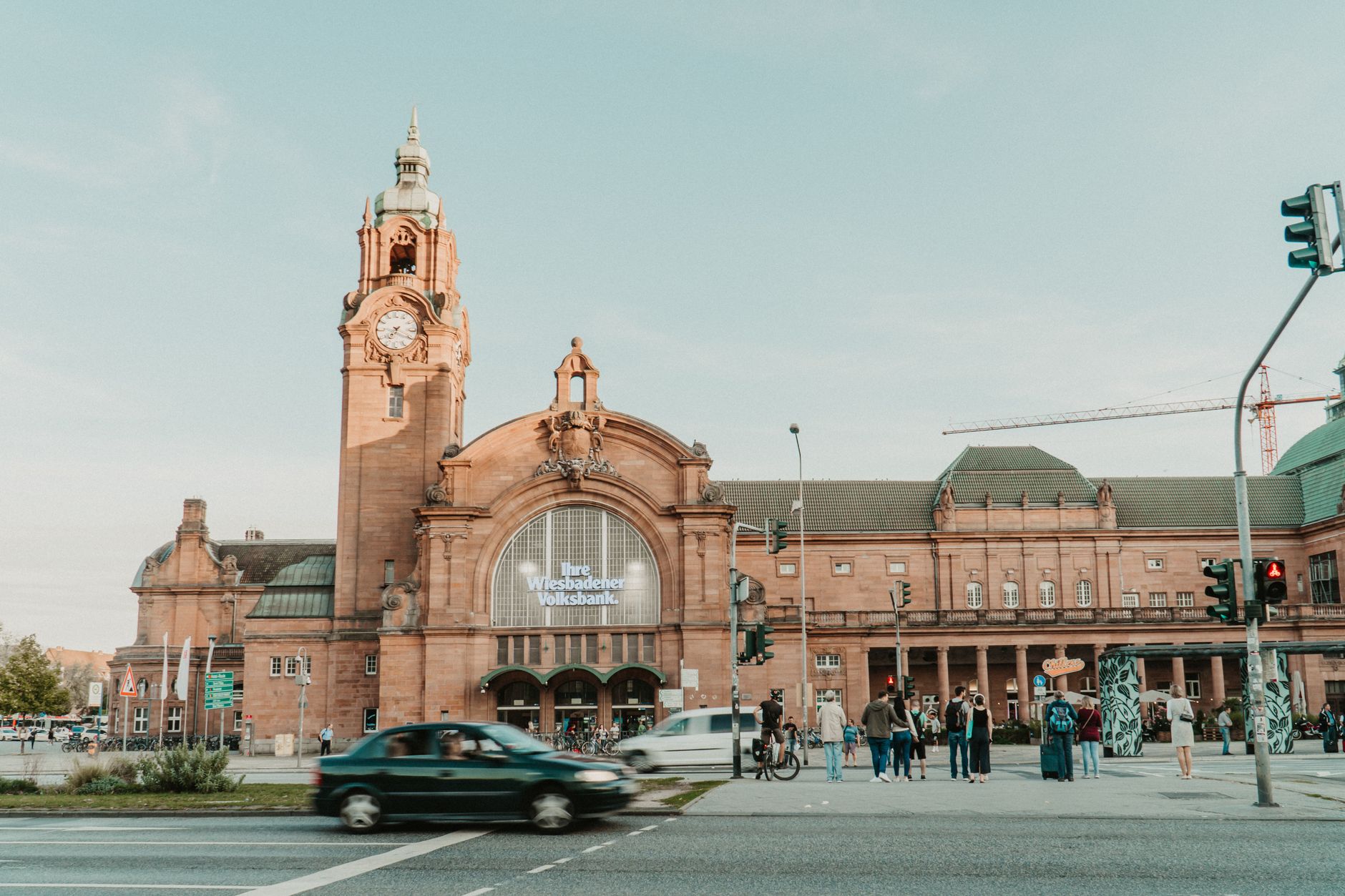
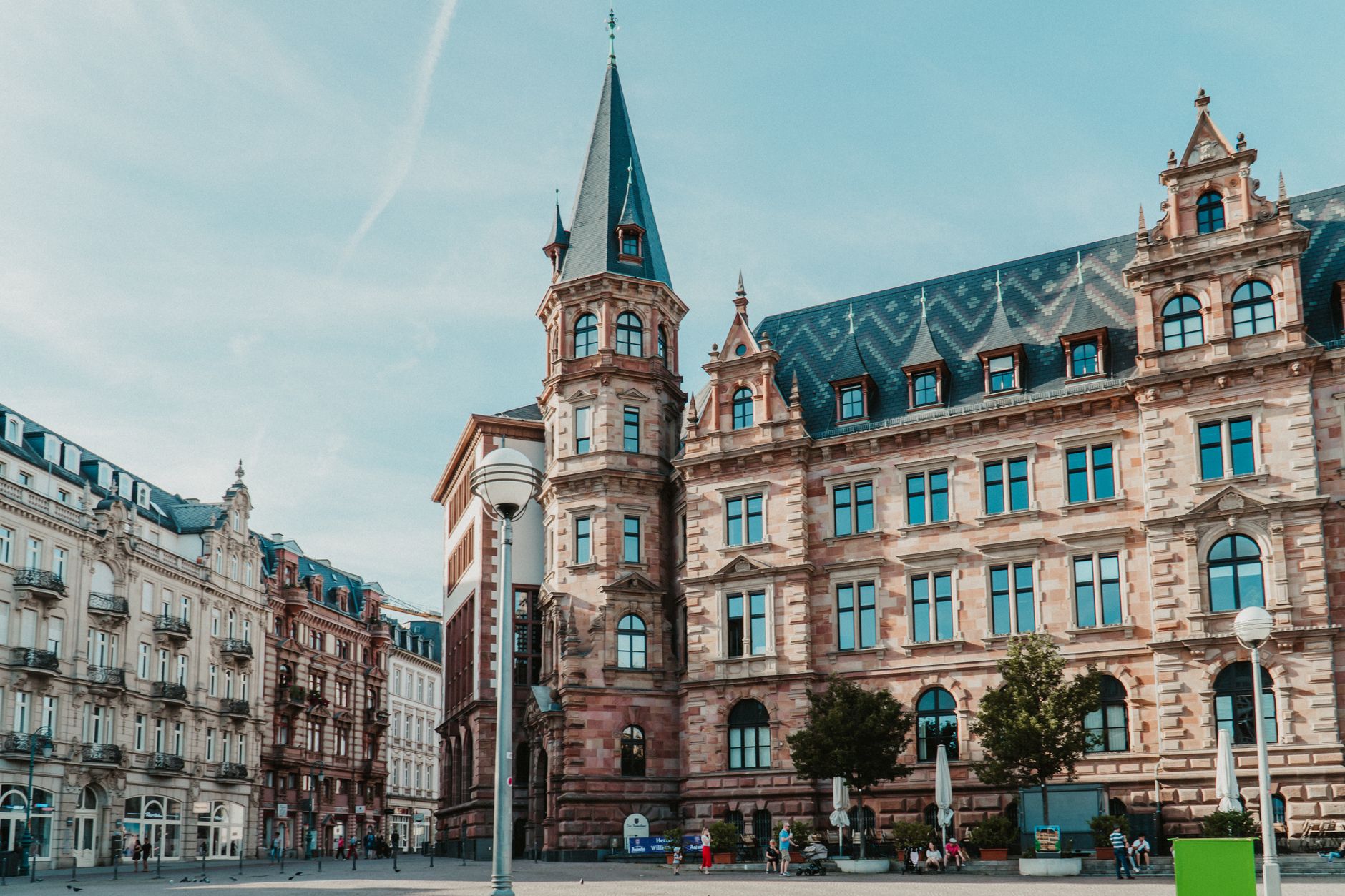
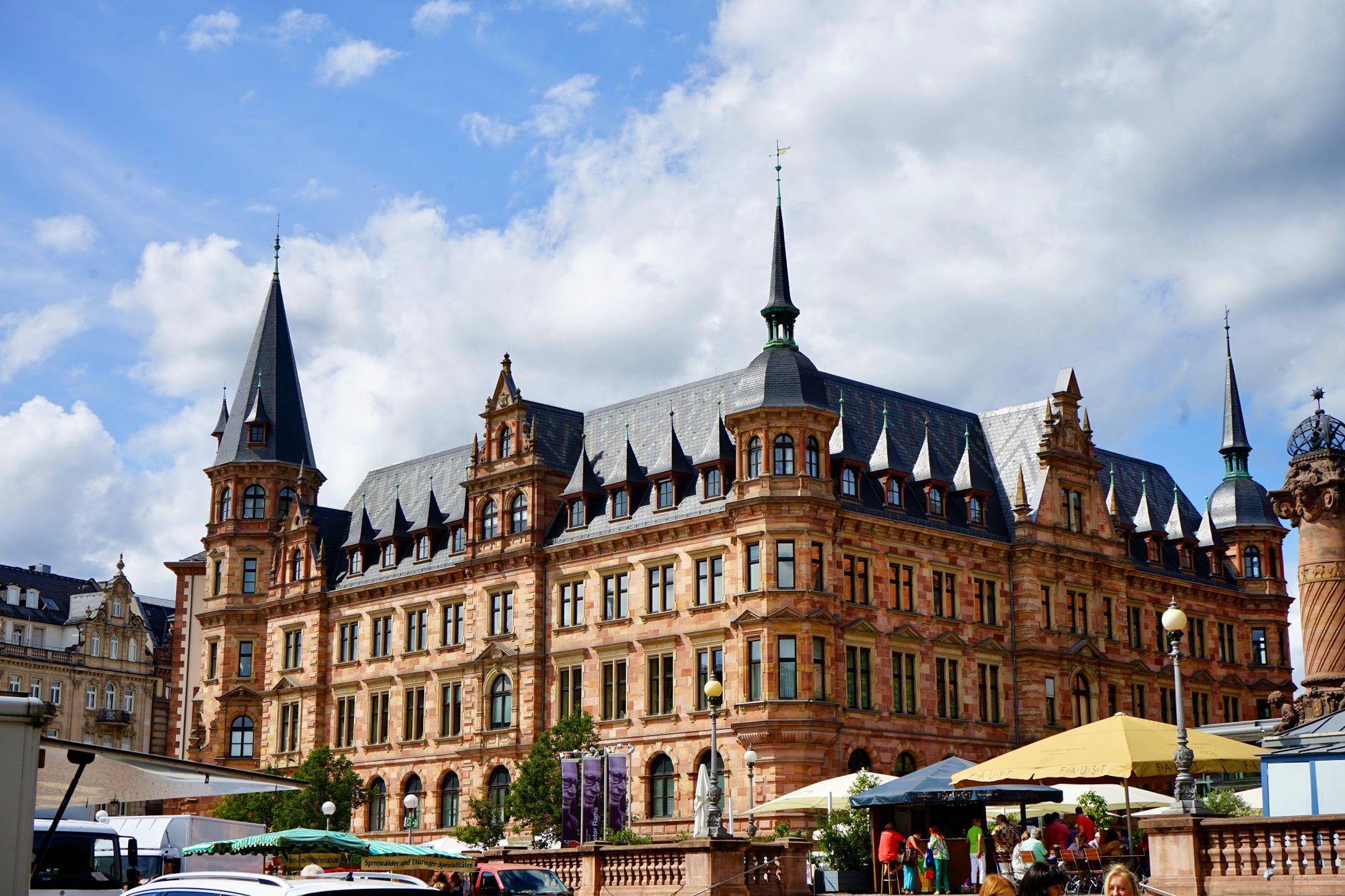
Wiesbaden runs on hot spring water — literally. The Romans built their first fort here in 6 AD precisely because the ground gave up warm, mineral-rich water, and the city has been trading on that fact ever since. The Kurhaus, finished in 1907 for Kaiser Wilhelm II, still anchors the centre: a white neoclassical pile with the Latin inscription "Aquis Mattiacis" carved above the door, its casino operating continuously since 1810.
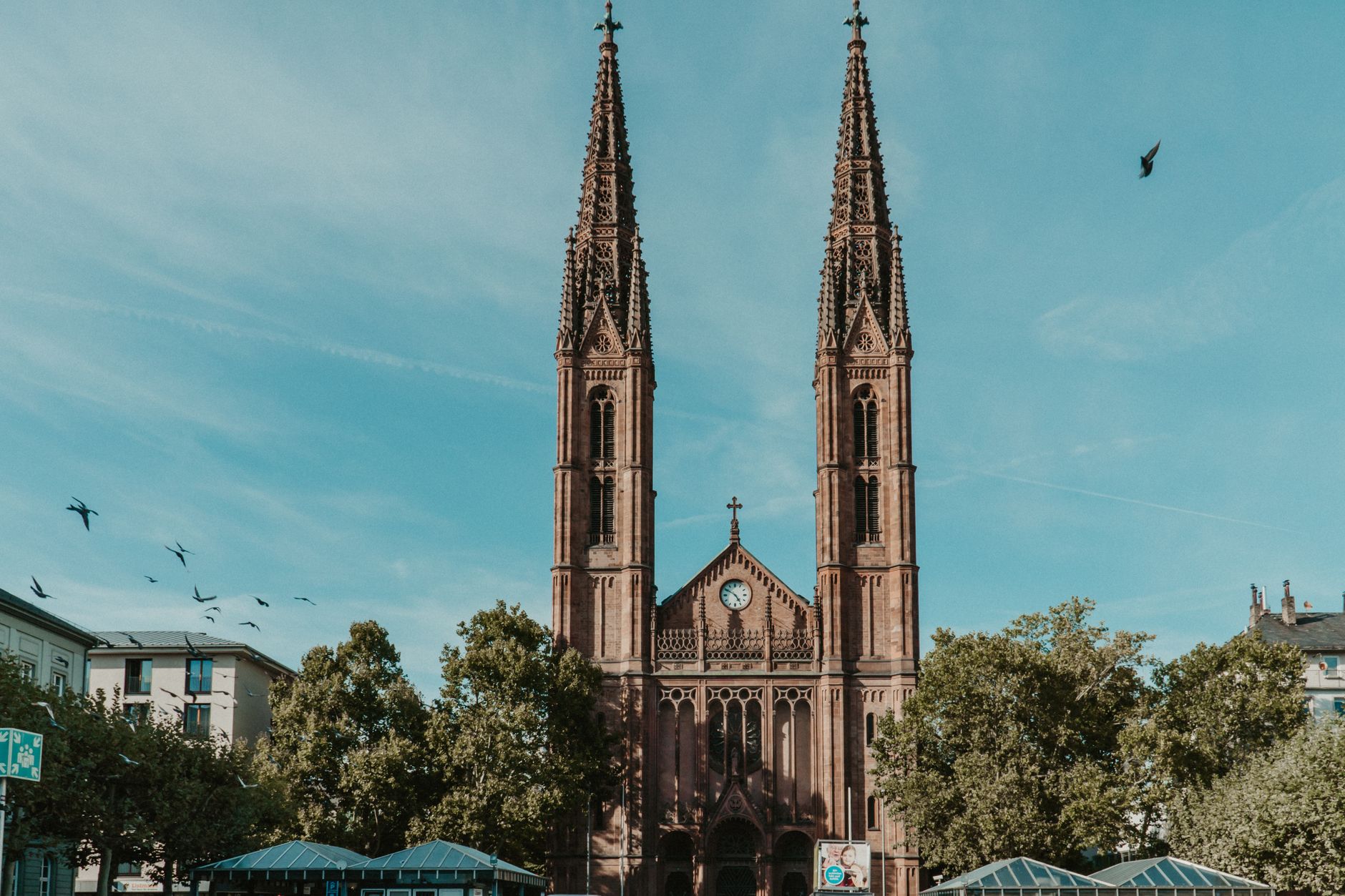
This is a state capital that wears its prosperity quietly. The parliament of Hesse meets in a palace whose foundations were laid in 1837. The Market Church's five red-brick spires reach 92 metres. The Nerobergbahn funicular, running on water ballast since 1888, climbs the hill above town on a logic that feels almost medieval.
💛 What travellers fall for
People who come back tend to time a visit around the Staatstheater's September-to-June season — an opera or operetta in the 1894 house is the kind of evening that makes the rest of the trip cohere. They also walk up to the Russian Orthodox church with the golden dome, built by a duke for a wife who died in childbirth, and find it unexpectedly affecting.
Deals in Wiesbaden
Book directly at the provider


How Wiesbaden came to be
The Romans arrived around 6 AD and named the settlement Aquae Mattiacorum — waters of the Mattiaci tribe — in 121 AD. The name Wisibada, meaning meadow spring, appears in a document from 829. The city became a free imperial city in 1241, passed to the counts of Nassau in 1255, and eventually served as capital of the Duchy of Nassau from 1806. Prussia absorbed it in 1866, and in 1946 it was named capital of the newly created state of Hesse, a role it holds today.
The thermal springs drew a particular class of 19th-century visitor. Goethe came. So did Wagner, Brahms, and Henrik Pontoppidan. Fyodor Dostoevsky arrived in 1865 and lost everything at the casino — the experience became the seed of The Gambler. Expressionist painter Alexej von Jawlensky moved here in 1921 and stayed until his death in 1941. Martin Niemöller, who founded the Confessing Church in resistance to the Nazi regime, delivered his last sermon before his arrest in the Market Church.
Who and what shaped it
People who shaped it
Landmark buildings
See Wiesbaden in motion
Plan your visit
On the map
When to go
Wiesbaden averages around 10.5°C across the year — mild by German standards, with warm summers that suit the outdoor spa culture and the Nerobergbahn season. Winters are cool and grey but rarely brutal, and the thermal baths and theatre calendar mean the city doesn't really go quiet.
Right now
Background & history adapted from Wikipedia (CC BY-SA) · specs from Wikidata (CC0) · weather from Open-Meteo · map data © OpenStreetMap contributors · photos from Wikimedia Commons / Unsplash with per-image credit. No third-party reviews or social posts reproduced.