
Wengen
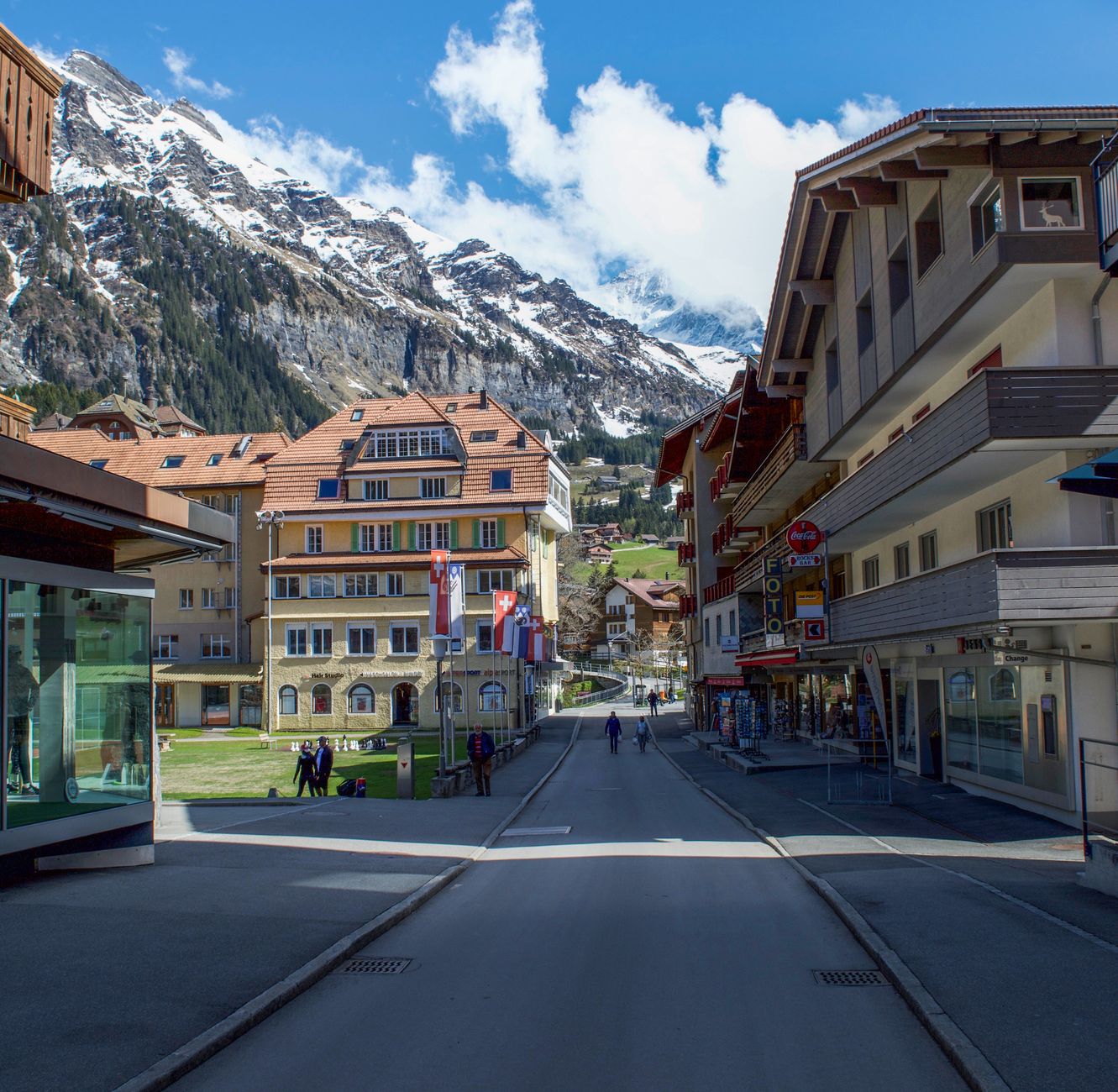
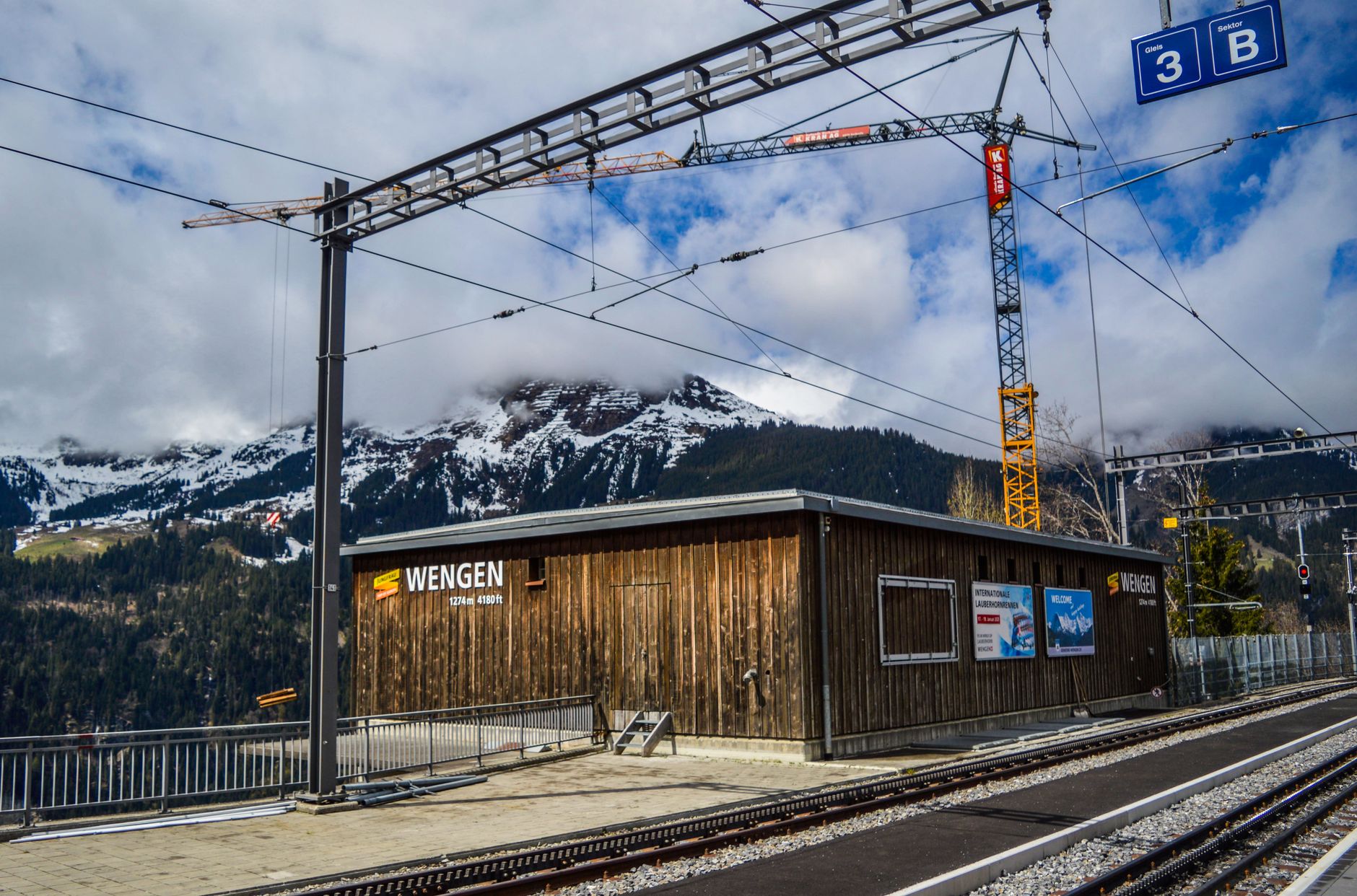
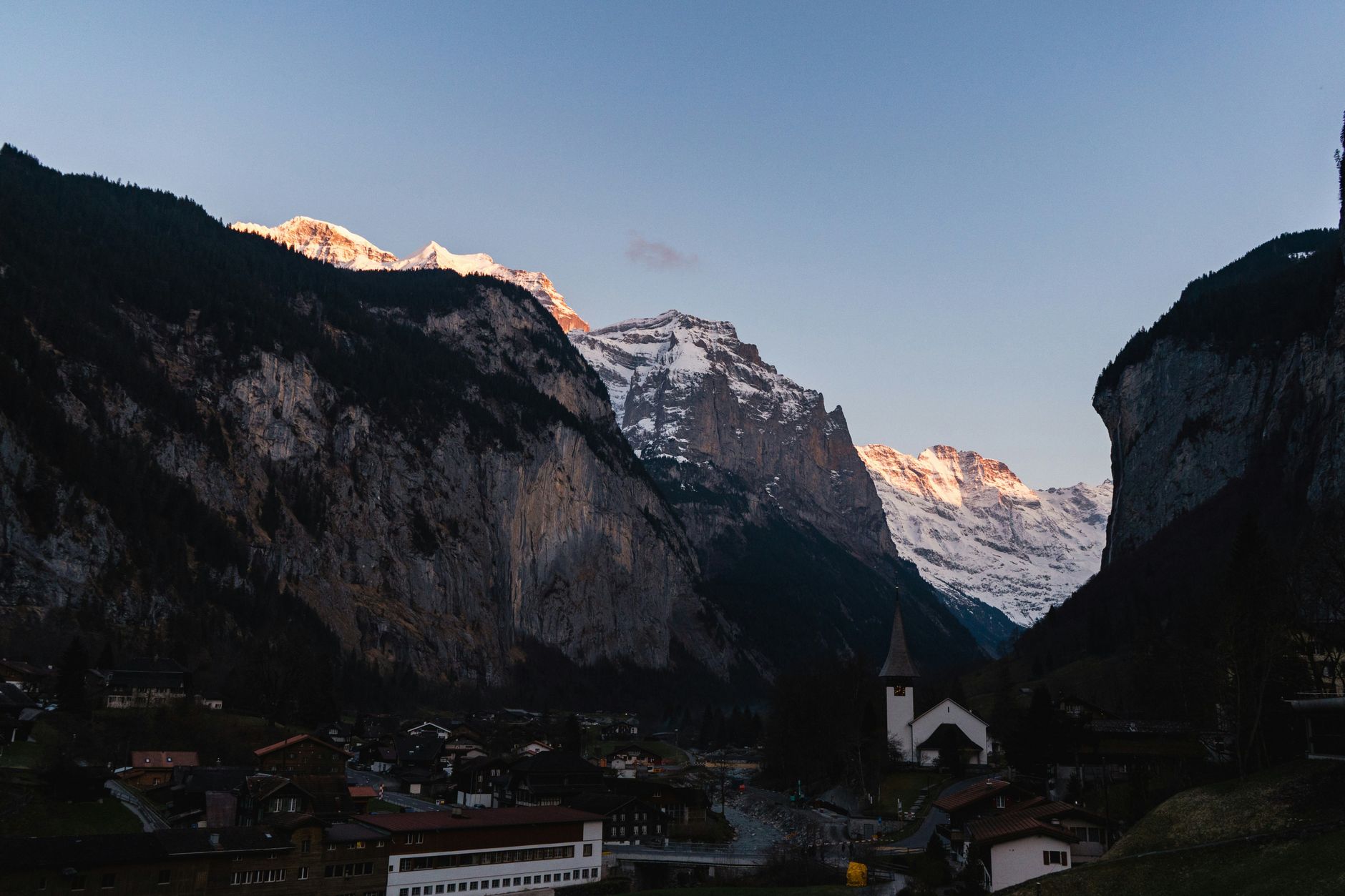
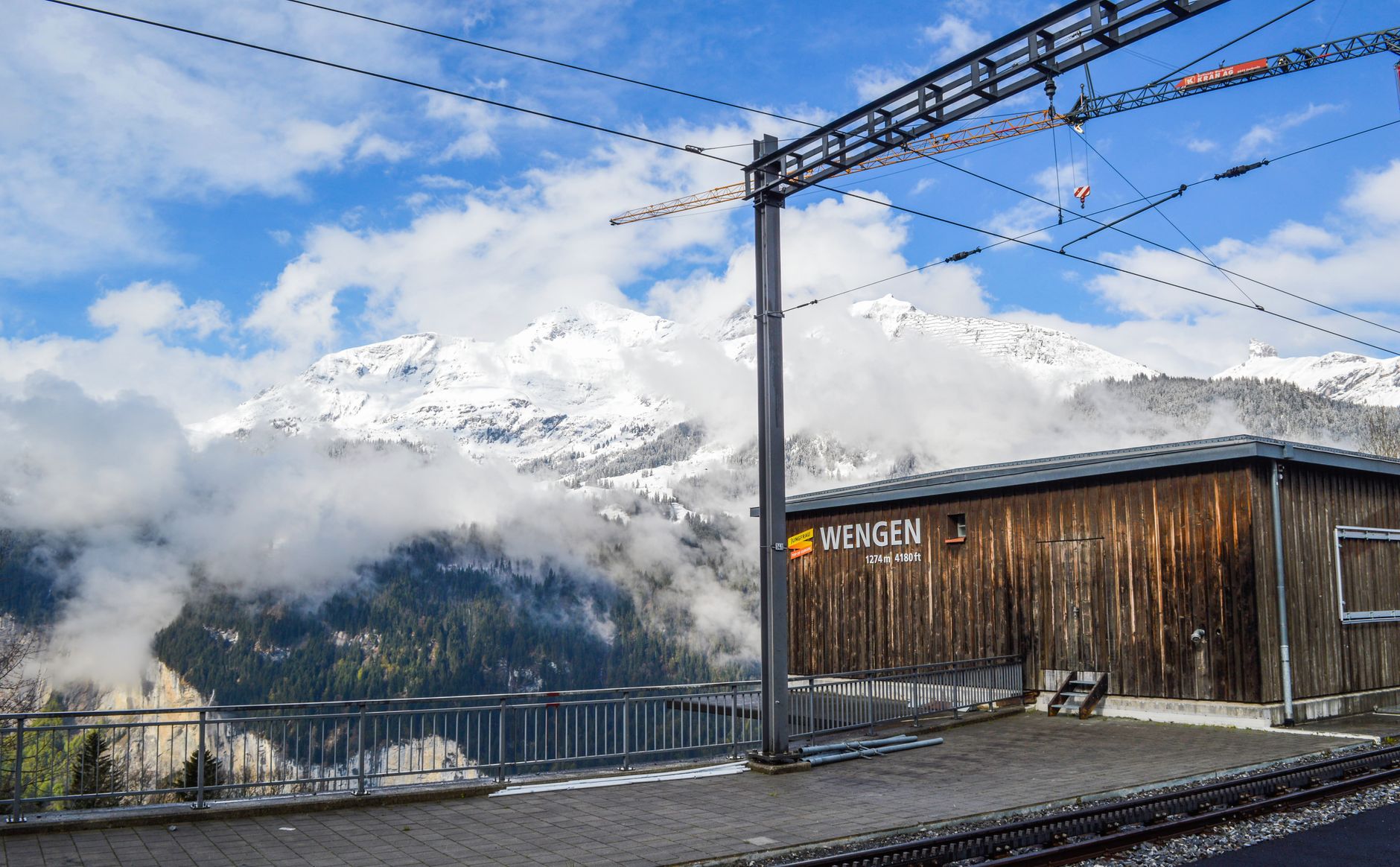
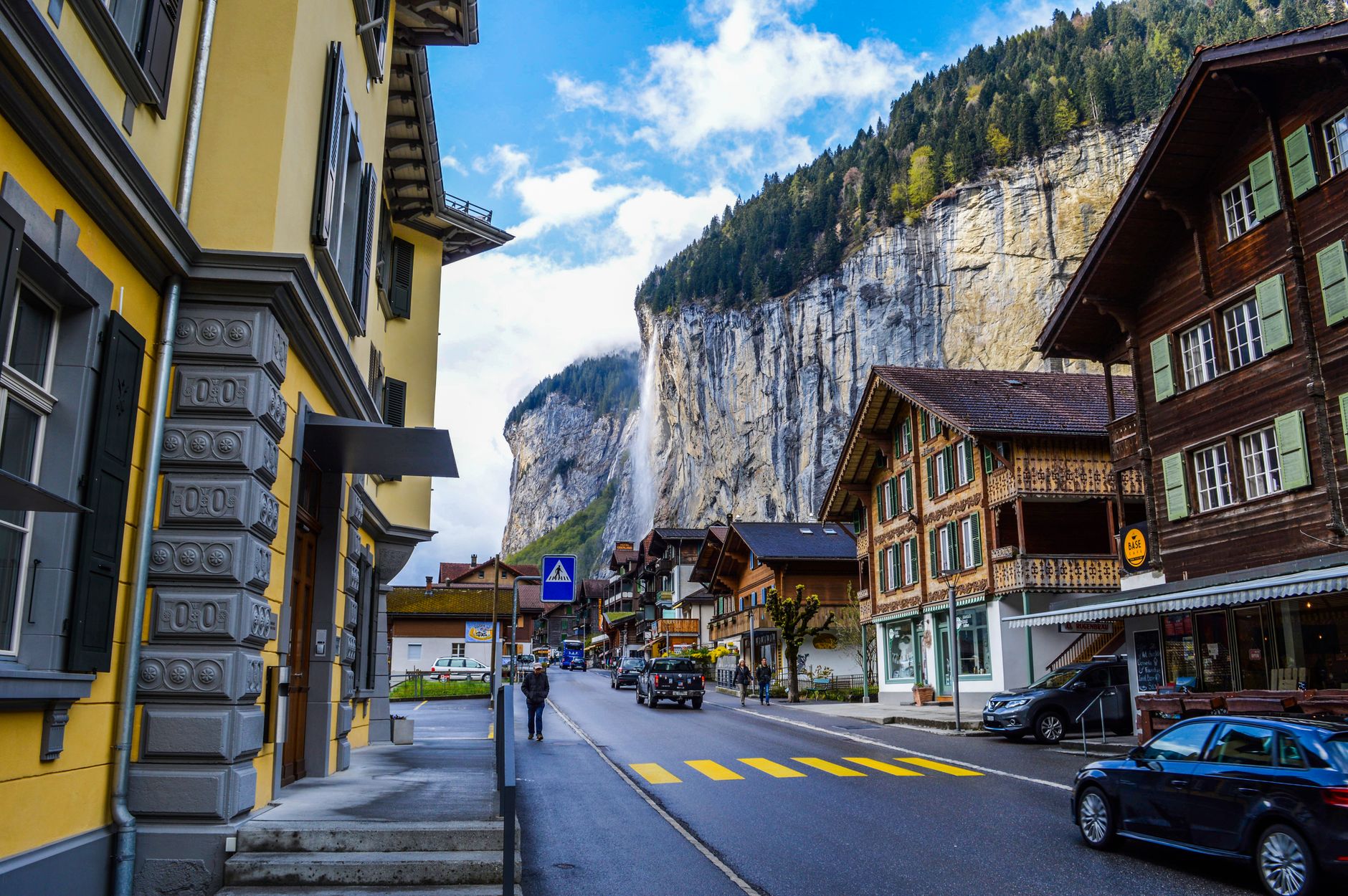
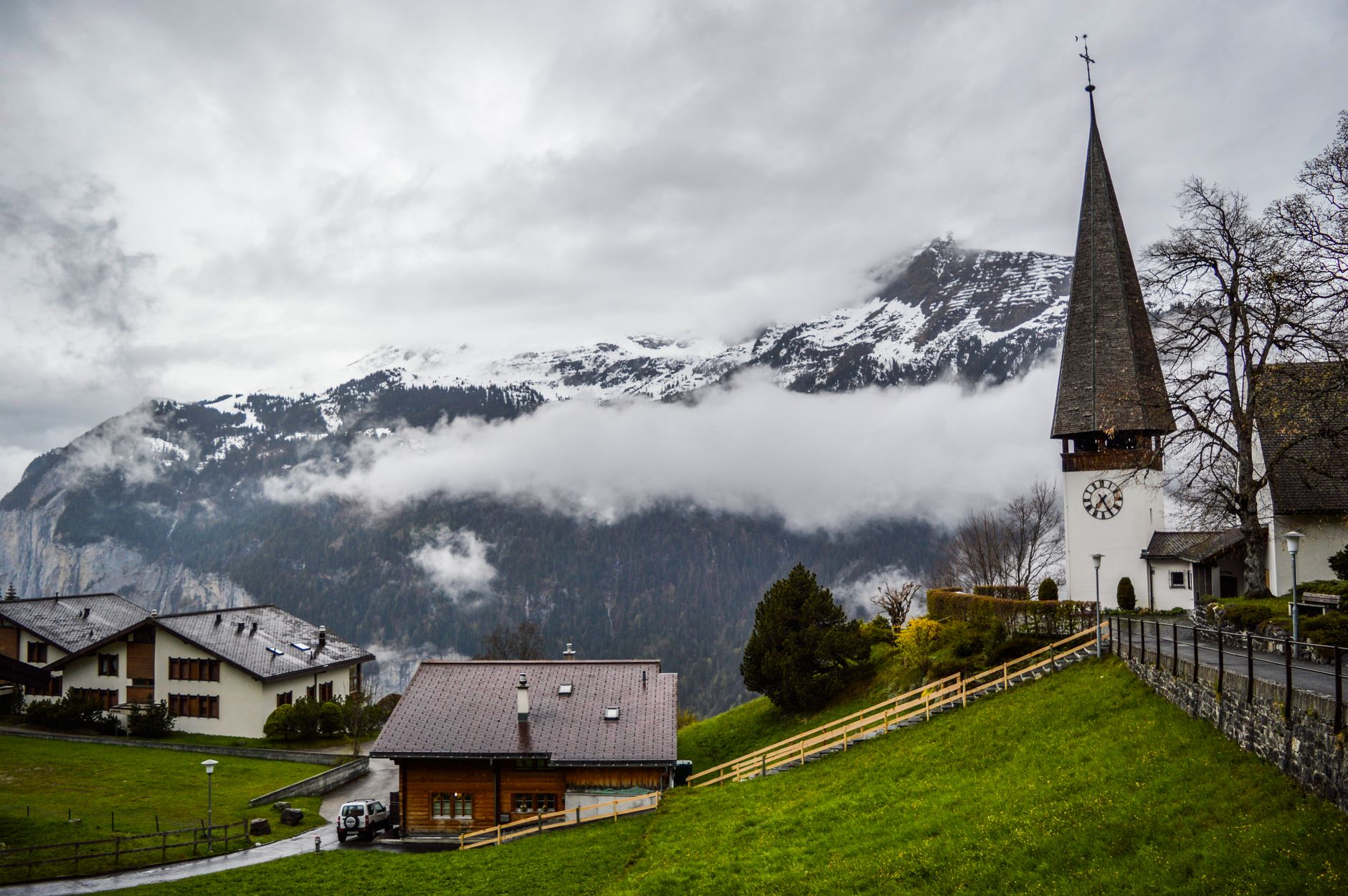
Wengen sits at 1,274 metres on a south-facing shelf above the Lauterbrunnen Valley, and the first thing you notice is the silence where car engines should be. No roads reach the village — you arrive by the Wengernalpbahn, a rack railway that has been grinding up from Lauterbrunnen since 1893, and you leave the same way. What you find at the top is a compact Alpine settlement with a direct view of the Eiger's north face and, on clear days, a sight line that makes it hard to look away.
The Jungfrau Railway, opened in 1912, continues upward from nearby Kleine Scheidegg to Jungfraujoch at 3,454 metres — the highest railway station in Europe — and the Wengen–Männlichen cable car reaches 2,229 metres in six minutes. Wengen is a place people keep returning to, which tells you something.
💛 What travellers fall for
Regulars tend to mention two things: take the early train up to Kleine Scheidegg before the tour groups arrive, and do the 'Royal Ride' on the Männlichen cable car — an open-air cabin on the roof of the gondola — on a clear morning when the Jungfrau is out. Book the Hotel Regina at least once; it opened in 1894 and the building knows it.
Deals in Wengen
Book directly at the provider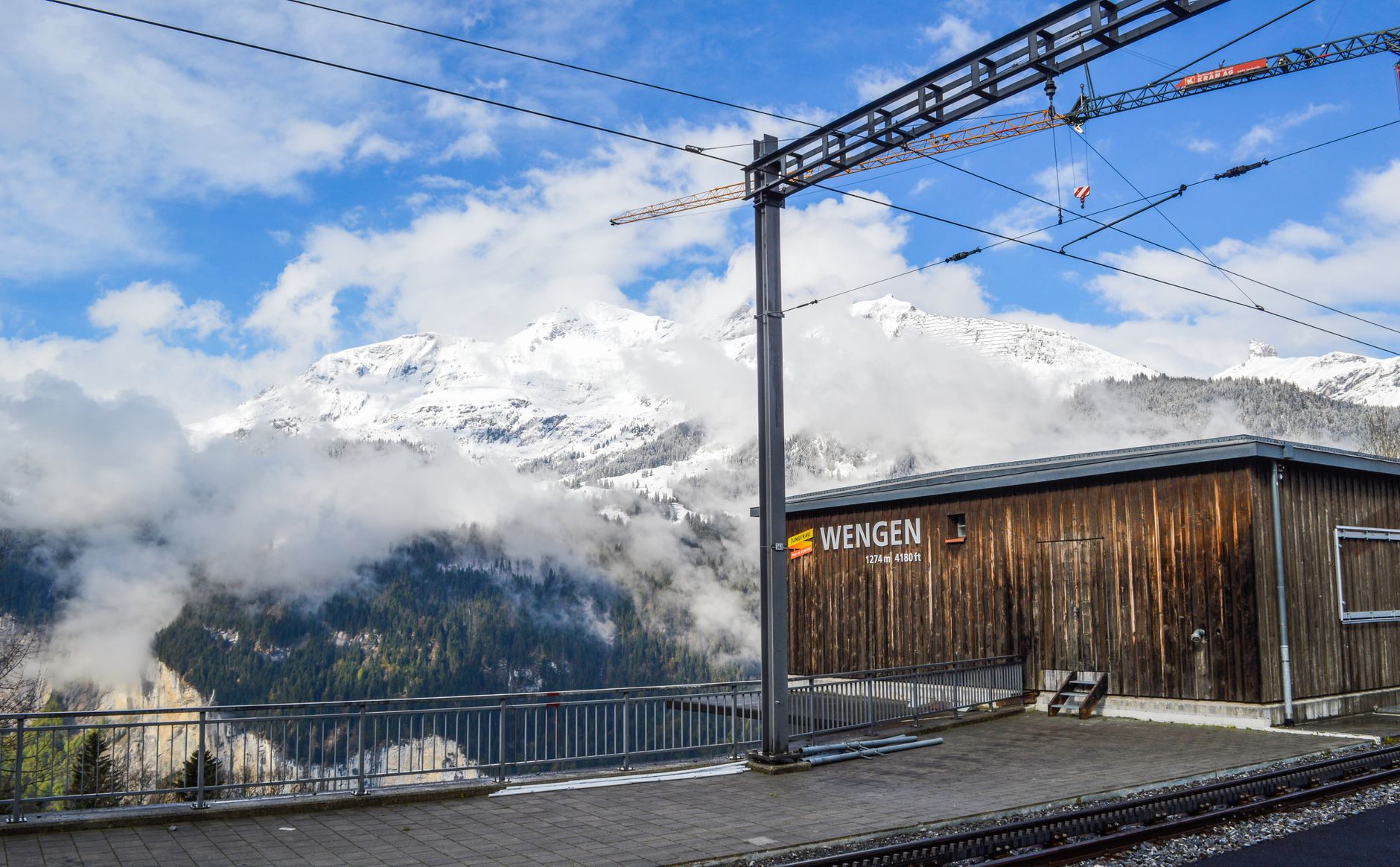
How Wengen came to be
Wengen first appears in documents in 1268, settled in the 13th and 14th centuries by Walser migrants moving north from the Valais. For centuries it was a farming community. Then came the Romantics: the Shelleys' *History of a Six Weeks' Tour* and Byron's *Manfred*, both published in 1817, sent a generation of British travellers into the Alps, and Wengen's first guesthouse followed in 1835. The Wengernalpbahn arrived in 1893, and by 1903 the village had an Anglican church built for its British regulars.
The winter sports chapter opened in 1905 when Sir Henry Lunn founded the Public Schools Alpine Sports Club with Wengen as a base. His son Arnold Lunn invented the slalom race here — the first was held in Wengen — an event that effectively defined modern Alpine ski racing. The Lauberhorn World Cup races, held every January, carry that lineage forward.
Who and what shaped it
People who shaped it
Landmark buildings
See Wengen in motion
Plan your visit
On the map
When to go
Wengen faces southwest and sits sheltered from northerly winds, so it gets more sun than many villages at comparable altitude. July averages around 17°C and is the wettest month; January drops to -3°C with reliable snow cover from November through March. Summer, June to early October, offers stable weather and long light.
Right now
Background & history adapted from Wikipedia (CC BY-SA) · specs from Wikidata (CC0) · weather from Open-Meteo · map data © OpenStreetMap contributors · photos from Wikimedia Commons / Unsplash with per-image credit. No third-party reviews or social posts reproduced.