
Wehlen
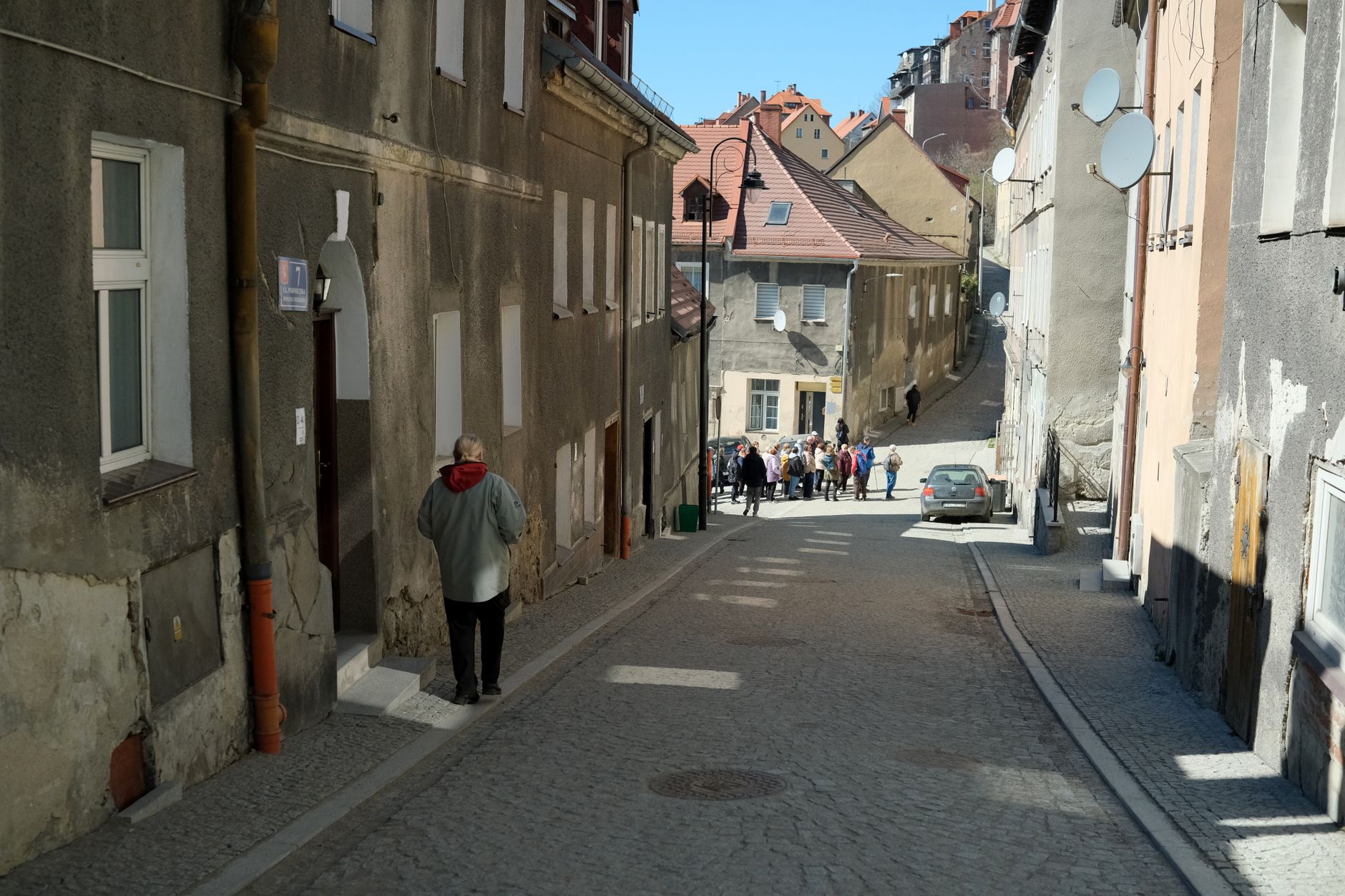
Stadt Wehlen sits on the north bank of the Elbe, a small town of under two thousand people that its own inhabitants call, with some affection, Wehlstädtl. The train station is on the opposite bank — so the first thing you do, arriving from Dresden, is cross the river by passenger ferry. There is no bridge. That detail alone tells you something about the pace of the place.
From here, the Saxon Switzerland National Park opens up in every direction, and the Bastei rock formations are a short bus or trail away. But Wehlen itself earns a pause: market square with its fountain, the ruined castle above town, a cyclists' church, and a miniature park reproducing the region's landmarks at a scale you can take in before lunch.
💛 What travellers fall for
People who come back tend to time it deliberately. The Elbe Radweg brings cyclists through on the long trail, and they stop longer than planned. The paddle steamers — the oldest and largest such fleet in the world, still running to Dresden and Meissen — have a way of rearranging an afternoon. Regulars say: check which bank your accommodation is on before you book.
Deals in Wehlen
Book directly at the provider


How Wehlen came to be
Wehlen has been a settlement for more than seven hundred years, its districts of Pötzscha, Zeichen, and Dorf Wehlen strung along both banks of the Elbe. In the fifteenth century the area came under Saxon hegemony as part of the Margraviate of Meissen, drawn into the orbit of a state that would eventually make Dresden its cultural capital.
For most of its life Wehlen was a working river town, defined by the Elbe's traffic and the sandstone landscape pressing in from all sides. The nineteenth century changed its register: tourism arrived, walkers and artists followed the rock formations upstream, and Wehlen found a second identity as a base for the emerging Saxon Switzerland travel route — a role it has held, quietly, ever since.
Who and what shaped it
Landmark buildings
See Wehlen in motion
Plan your visit
On the map
When to go
Summers are comfortable though often partly cloudy, with temperatures reaching the low-to-mid seventies Fahrenheit — good for hiking without real heat. Winters run long and cold, with snow on the higher ground; the trails empty out and the valley takes on a different character entirely.
Right now
Background & history adapted from Wikipedia (CC BY-SA) · specs from Wikidata (CC0) · weather from Open-Meteo · map data © OpenStreetMap contributors · photos from Wikimedia Commons / Unsplash with per-image credit. No third-party reviews or social posts reproduced.