
Vourvoulos
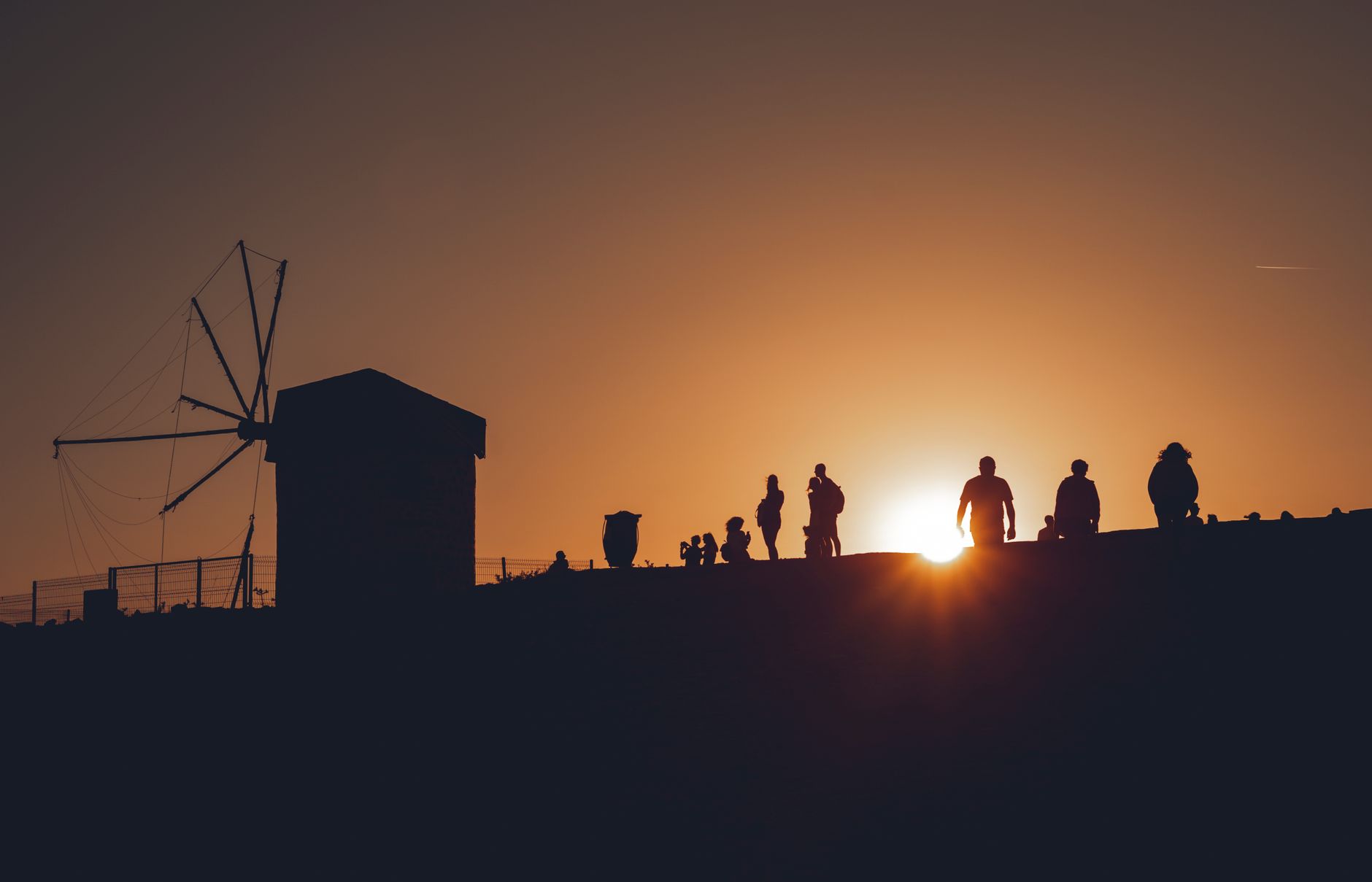
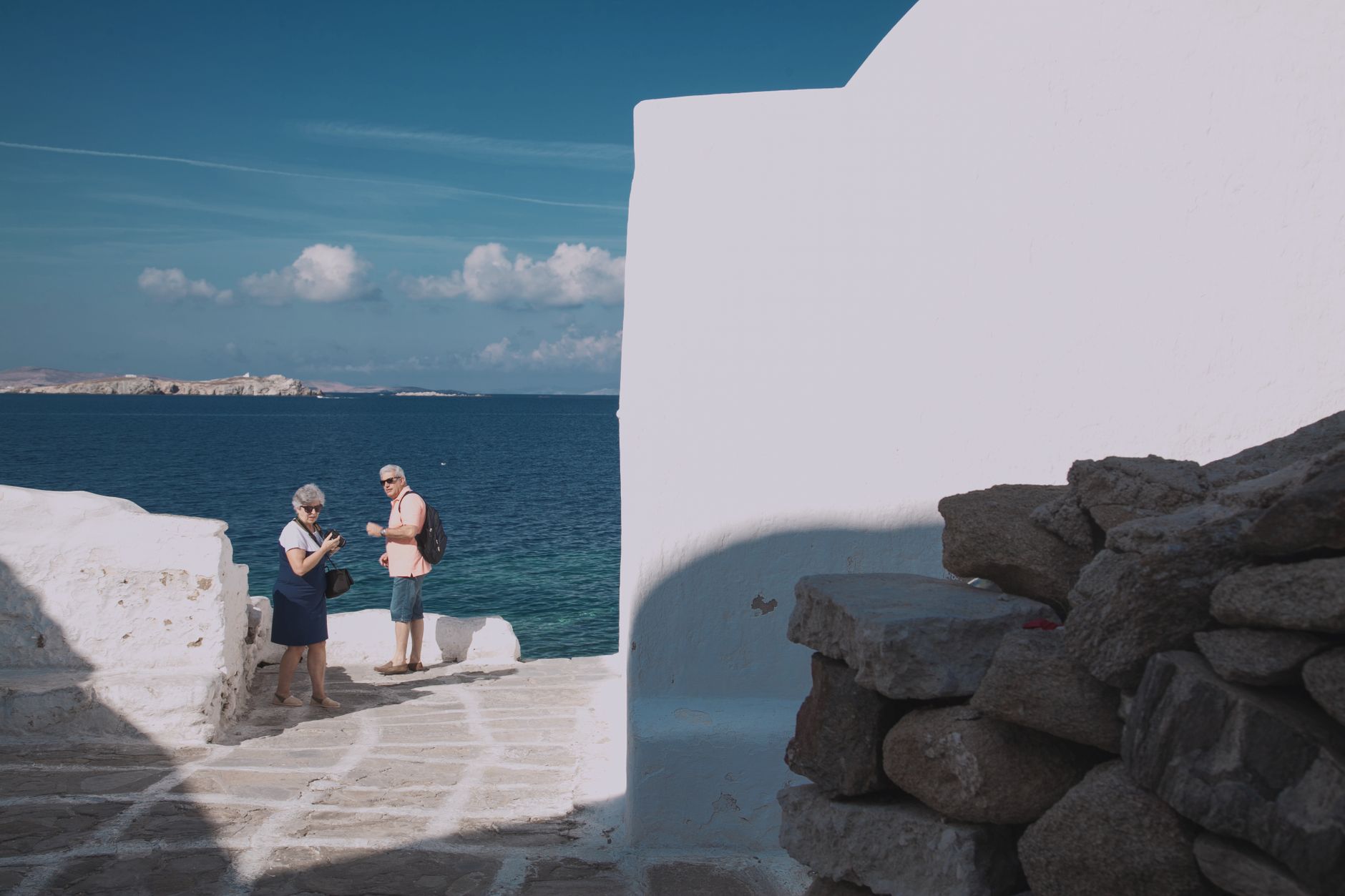
Three kilometers northeast of Fira, Vourvoulos sits at 130 meters above the island's eastern flank — a working village of 591 people that faces the Aegean rather than the caldera. There are no sunset terraces here, no infinity pools cantilevered over the cliff. What you find instead is a small fishing port, a central square anchored by the Church of Aghios Efstratios, and a shoreline of black sand and sharp pebble that you reach down a dirt track.
The beach tavern is called To Limanaki — the small port — and it serves whatever came in that morning. The coastal caves cut into the cliffs were used by fishermen as shelter and storage for generations. That context, quiet and functional, is still legible in the place.
💛 What travellers fall for
People who come back tend to time it for September: the sea is at 24°C, warmer than June, and the crowds have thinned. They eat at To Limanaki twice, walk the track out to Xiropigado beach when they want the narrower, lonelier strip, and stop at Vassaltis Winery on the way back for an Assyrtiko poured in the shade.
Deals in Vourvoulos
Book directly at the provider


How Vourvoulos came to be
The 1956 earthquake — magnitude 7.8, the most destructive Santorini has experienced in modern times — cut the village population from 429 to 340 as families left damaged homes and the island generally. Recovery was slow. By the 2011 census the number had climbed back to 535, and the 2021 count reached 591, a quiet stabilization after decades of decline.
Beneath the contemporary village, an ancient cemetery has yielded burial goods through excavation, evidence of settlement here long before any census. One structure in the village, recognized by the Ministry of Planning, Housing and Environment, is estimated at 450 years old — older than the Ottoman period of the island, older than most of what visitors photograph elsewhere on Santorini.
Who and what shaped it
Landmark buildings
See Vourvoulos in motion
Plan your visit
On the map
When to go
Summer runs hot and dry — July and August around 29°C with almost no rain — but the meltemi wind blows persistently from the north from May onward, cooling the air and occasionally roughening the sea. September and October offer the most comfortable combination: warm water, lower temperatures, and far fewer people.
Right now
Background & history adapted from Wikipedia (CC BY-SA) · specs from Wikidata (CC0) · weather from Open-Meteo · map data © OpenStreetMap contributors · photos from Wikimedia Commons / Unsplash with per-image credit. No third-party reviews or social posts reproduced.