
Volendam
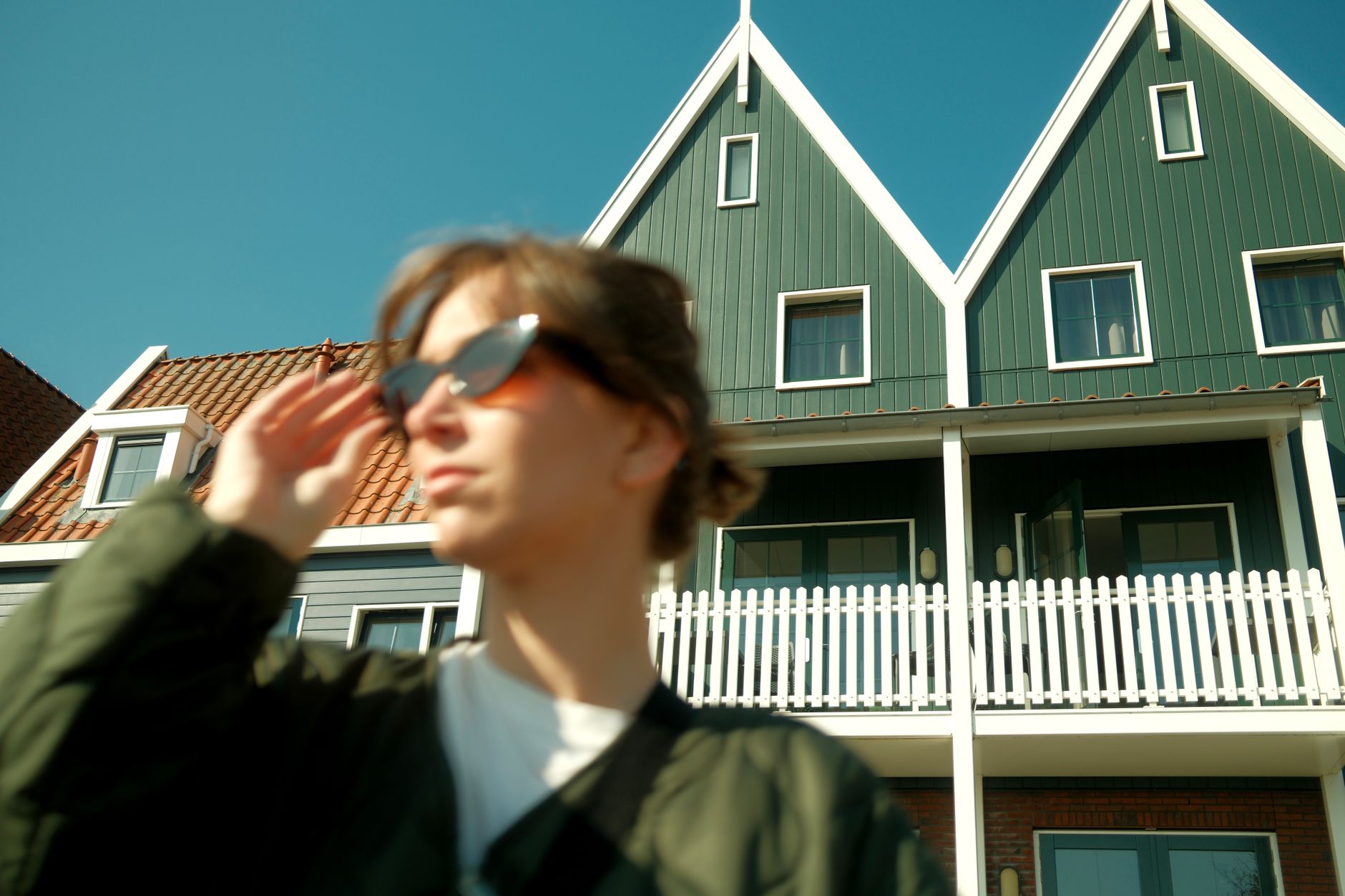
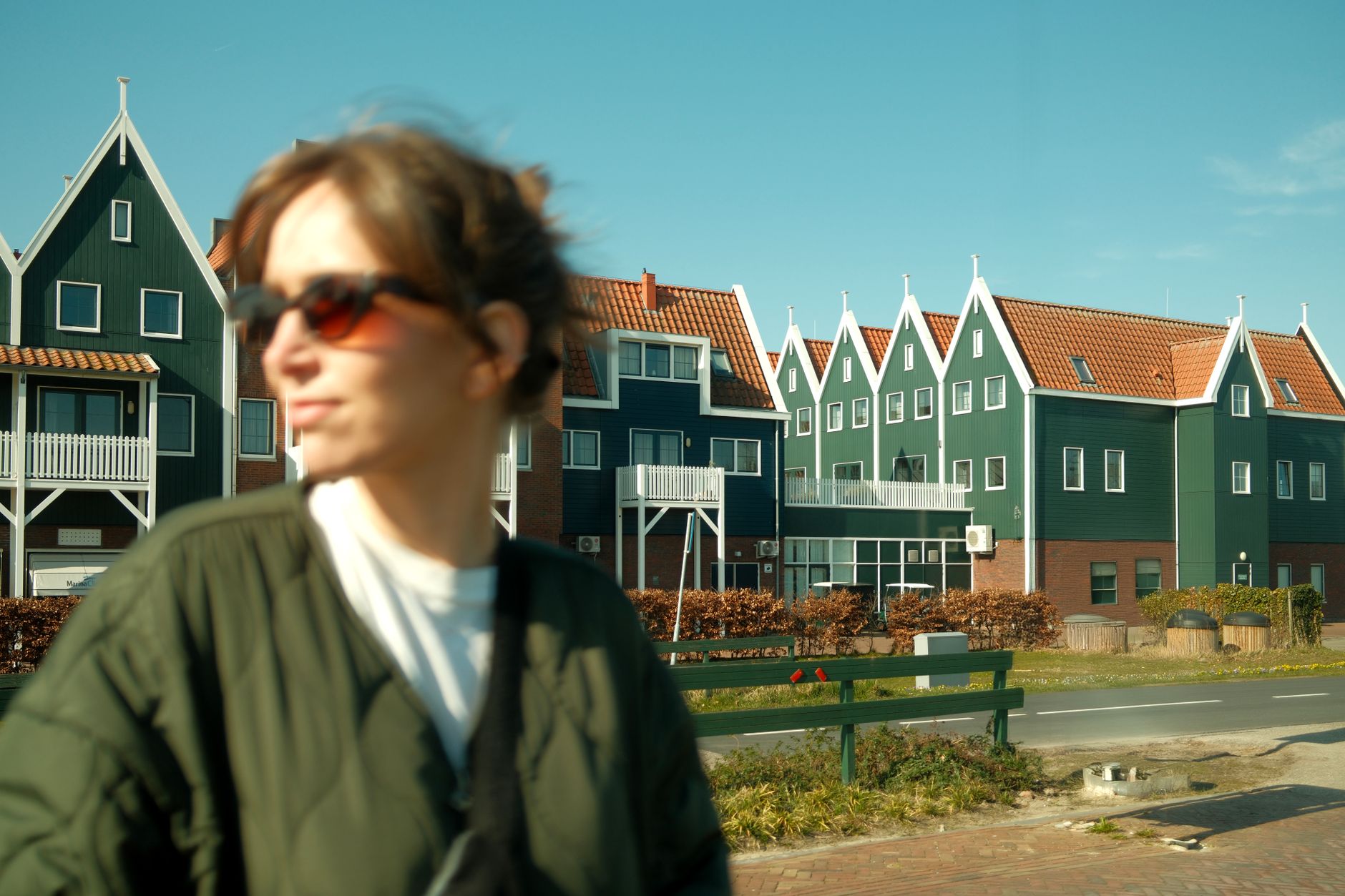
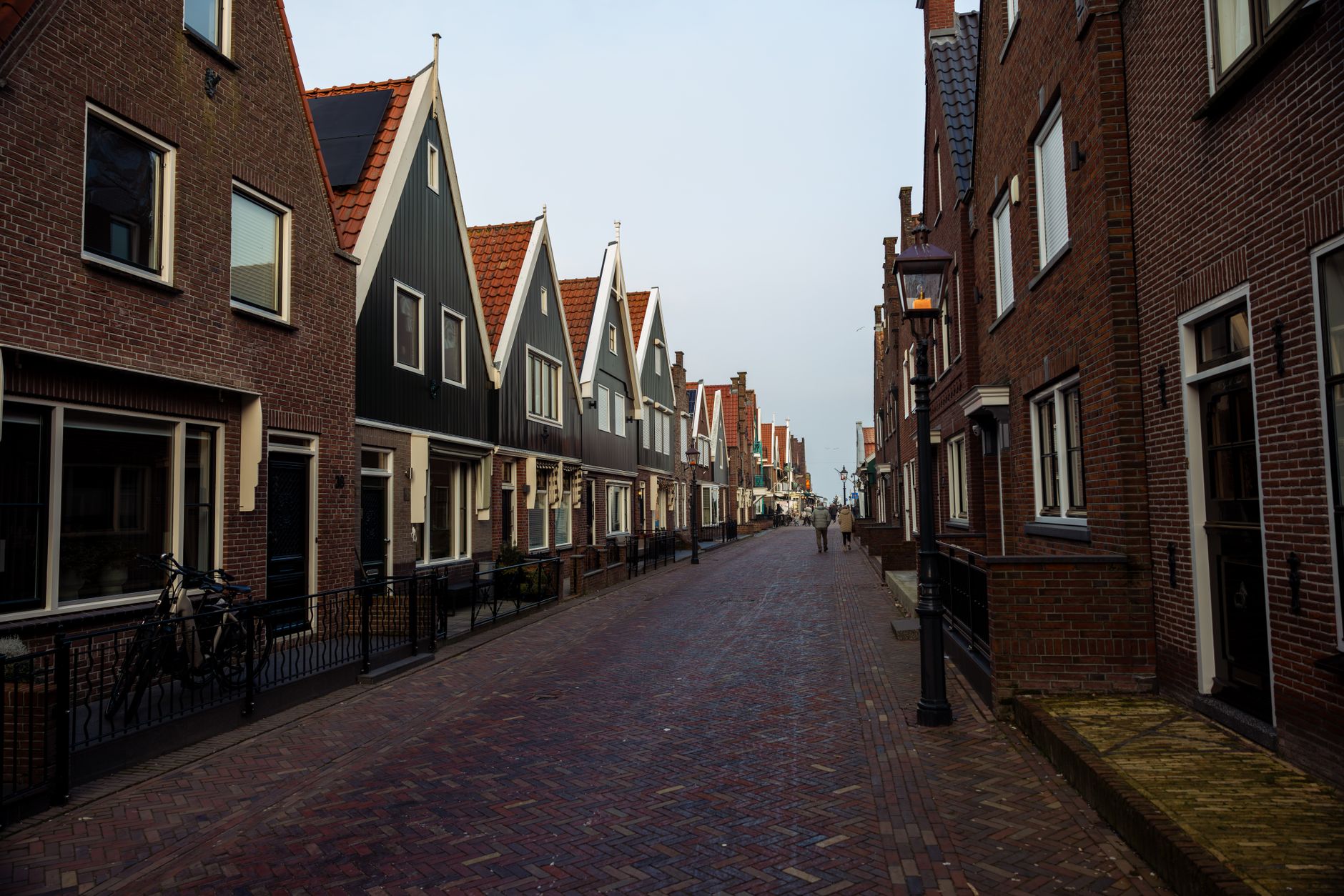
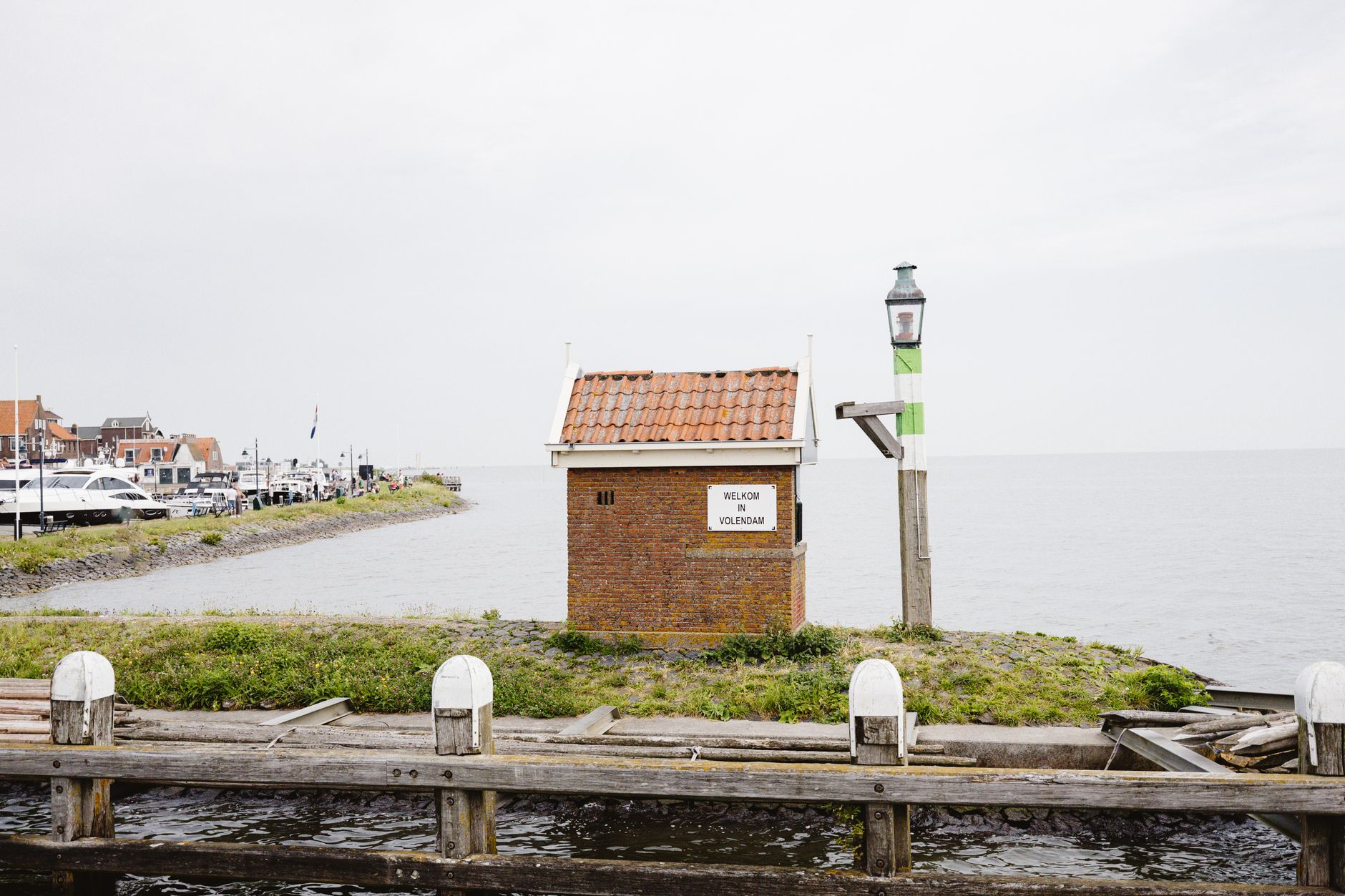
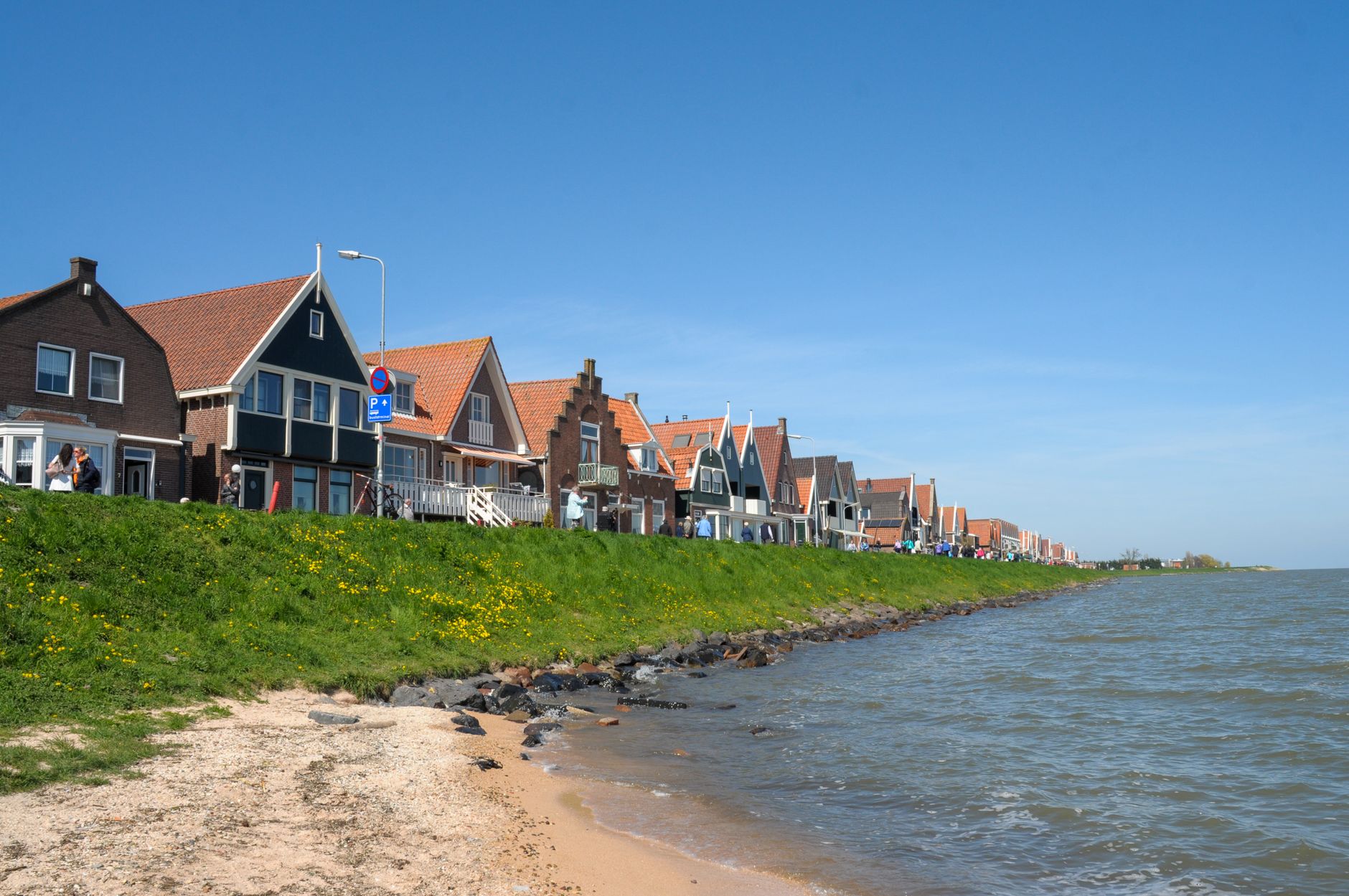
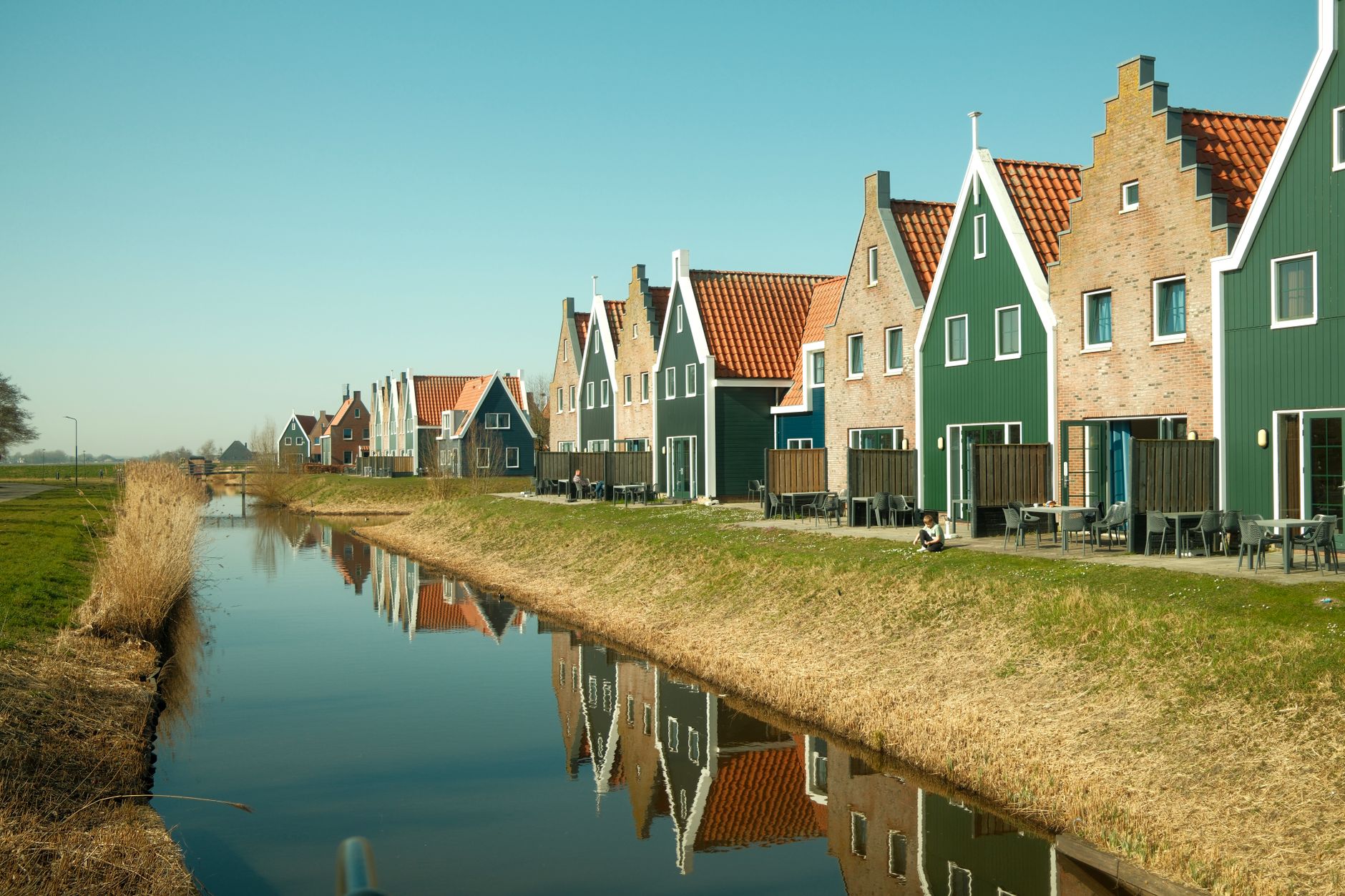
Stand on the harbour wall at Volendam and you are looking at a place that reinvented itself quietly and completely. The fishing boats are still here, painted in the old colours, but the catch that once defined this town — eel, herring, the daily haul from the Zuiderzee — largely belongs to the past. What replaced it was tourism, which arrived in the late 19th century when artists began making the trip out from Amsterdam, drawn by the light, the traditional costumes and the unguarded life along the waterfront.
The town traces its origins to 1357, when residents of nearby Edam dug a new canal to the sea and dammed the original harbour. The name stuck: Volendam, the filled dam. Its Catholic identity runs just as deep, shaped by the waves of Dutch Catholics who settled here during the Revolt.
💛 What travellers fall for
People who come back tend to time it for a Friday evening, when the Volendams Museum stays open until 9 PM and the harbour empties of its day-trip crowds. The cigar band room alone — 11 million bands pressed into mosaic — is worth the return visit. From there, the walk into the Doolhof neighbourhood, with its crooked lanes that predate any street plan, takes less than ten minutes.
Deals in Volendam
Book directly at the provider
How Volendam came to be
Volendam was carved out of the waterline in 1357 when Edam's residents built a new canal and dammed the original harbour, reclaiming land that became a settlement for farmers and fishermen. During the Dutch Revolt, Catholics driven from other towns arrived in significant numbers, giving the village a strongly Catholic character it has maintained ever since — Saint Vincent's Church, built in 1860, stands as its most visible expression.
By the late 19th century, painters were making the journey out here. Paul Signac painted 'Le Port de Volendam' in 1896, and Hotel Spaander — opened as a café by Leendert Spaander and his wife Aaltje in 1854 and later expanded into a hotel — became a gathering point for visiting artists whose work now fills its walls, more than 1,300 pieces in total. When the Zuiderzee was enclosed and became the IJsselmeer, the fishing industry contracted sharply, and tourism settled in as the town's primary economy.
Who and what shaped it
People who shaped it
Landmark buildings
See Volendam in motion
Plan your visit
On the map
When to go
Summer (June to August) is the most comfortable window, with temperatures between 20°C and 26°C, though August is also the wettest month. Spring brings mild, quieter days in the 10–15°C range; winter is cold and often grey, with highs rarely above 7°C, though the harbour has a particular stillness in the off-season.
Right now
Background & history adapted from Wikipedia (CC BY-SA) · specs from Wikidata (CC0) · weather from Open-Meteo · map data © OpenStreetMap contributors · photos from Wikimedia Commons / Unsplash with per-image credit. No third-party reviews or social posts reproduced.