
Vlieland
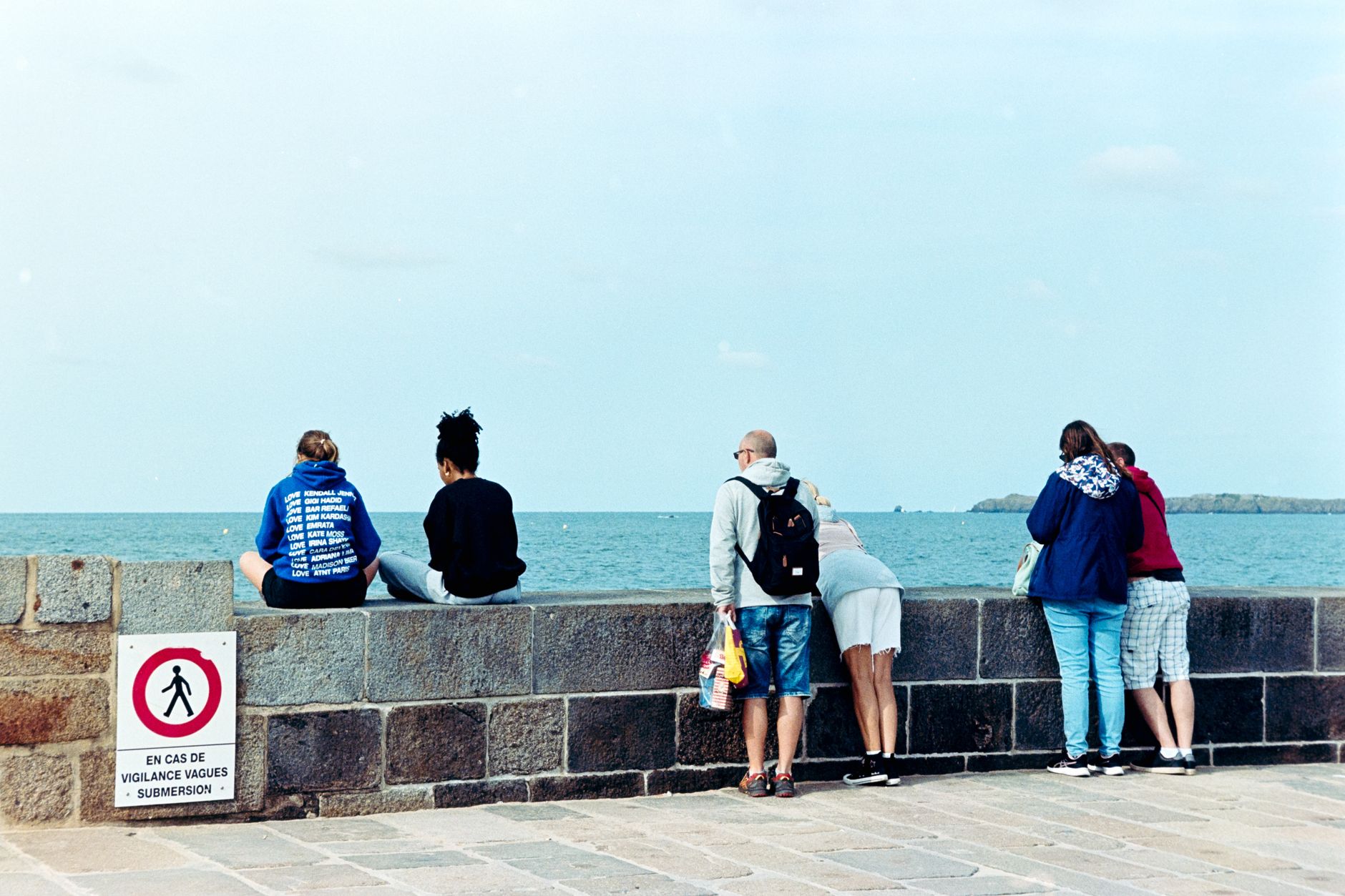
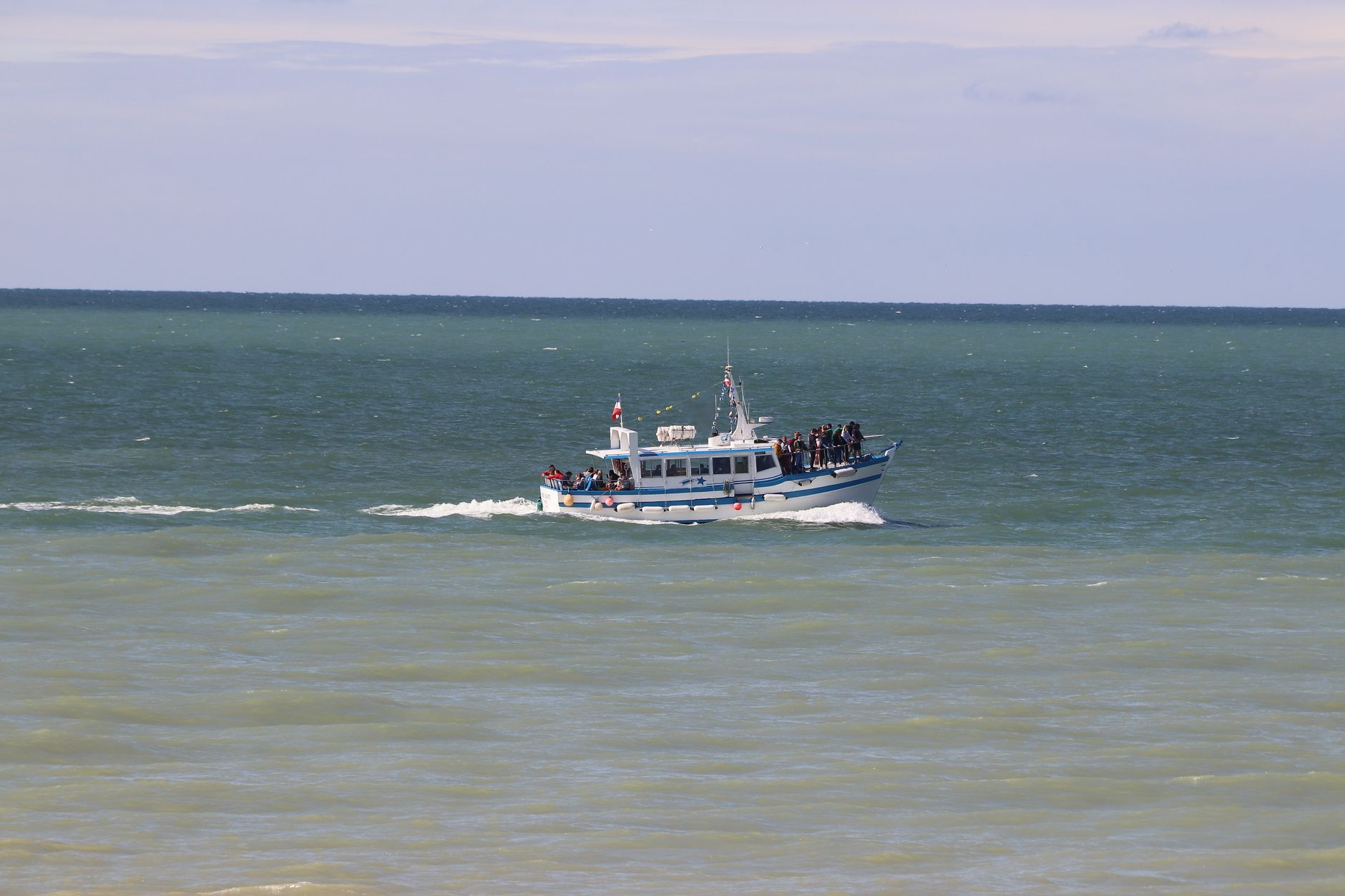
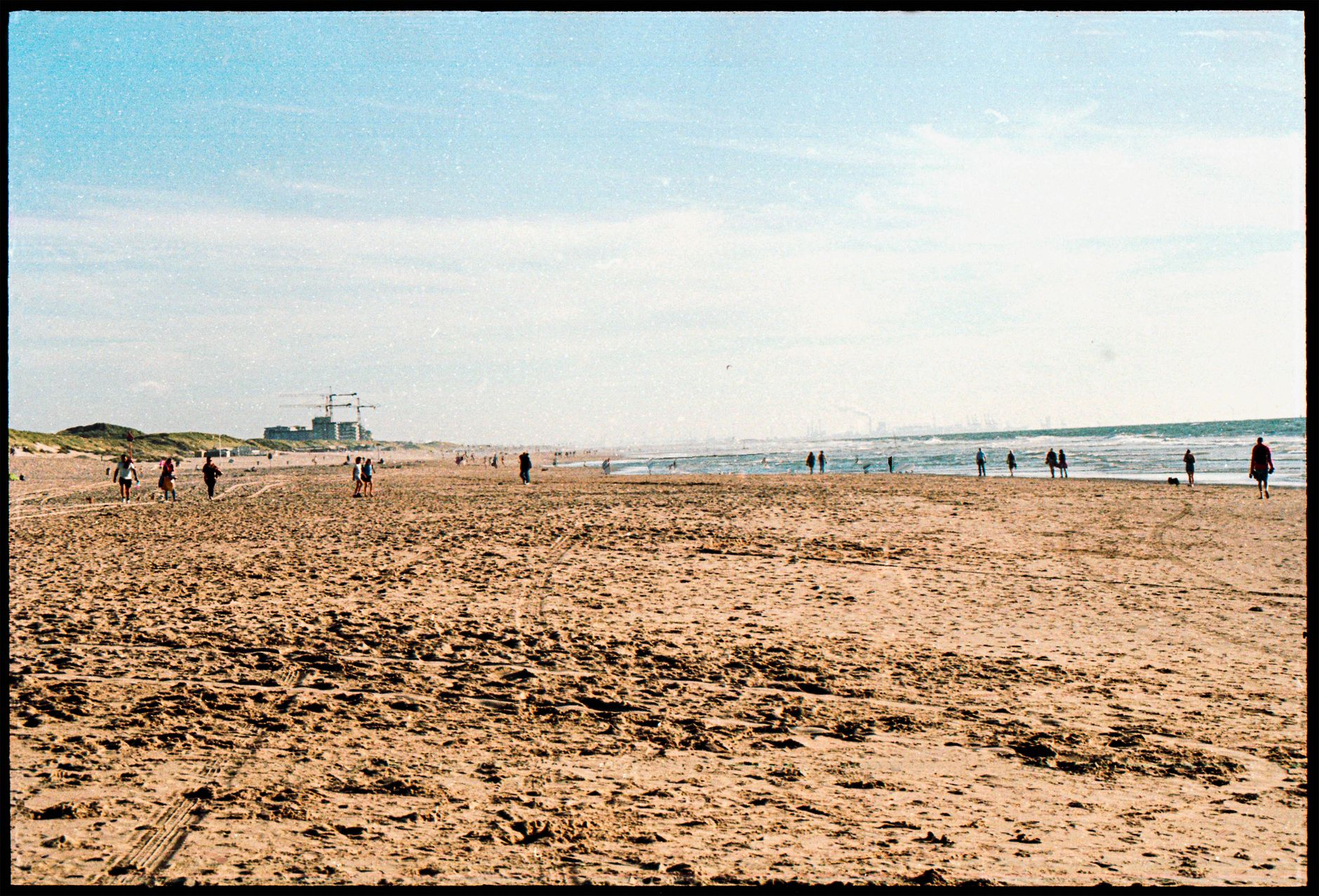
Vlieland is the quietest of the Dutch Frisian Islands, and the one with the strictest door policy: tourists don't bring cars. You arrive by ferry from Harlingen, step off onto a quay, and the island's single village — Oost-Vlieland — is essentially the whole show. There are cycle paths instead of roads, a lighthouse sitting on the highest point in Friesland province, and a sandy plain the size of a small city stretching to the west that locals call the Sahara of the North.
The island runs roughly twelve kilometres from its harbour to its westernmost edge, narrow enough that you can hear the Wadden Sea and the North Sea almost simultaneously. What it lacks in size it makes up for in a particular quality of light and emptiness that draws the same people back, year after year.
💛 What travellers fall for
People who return tend to agree: rent a bike the moment you arrive, skip the bus, and get out to the Vliehors before the afternoon wind picks up. The seals on the sandbanks don't move for anyone. And the walkway to the lighthouse — named after singer Liesbeth List, who spent her teenage years here — is worth it for the view across both seas at once.
Deals in Vlieland
Book directly at the provider

How Vlieland came to be
The island's name traces back to the Vlie stream, and its recorded history begins in 1230 when it was granted to a monastery in Achlum. A storm in the late thirteenth century split the land into two separate islands — Vlieland and Eierland — a separation officially recognised by 1314. The western settlement, West-Vlieland, was destroyed entirely by flood in 1736, which is why only one village remains today.
In 1942, Vlieland and neighbouring Terschelling were transferred from North Holland to Friesland province — a wartime administrative decision that was never reversed. During the occupation, German forces built anti-aircraft batteries here and stationed more soldiers on the island than there were inhabitants. The Atlantic Wall left its mark on a place that had already spent centuries being reshaped by water.
Who and what shaped it
People who shaped it
Landmark buildings
See Vlieland in motion
Plan your visit
On the map
When to go
The North and Wadden seas keep temperatures moderate year-round — days above 25°C happen only a handful of times each summer, and hard frosts are rare. Sunshine hours rank among the highest in the Netherlands, though the wind is a constant companion in every season; pack a layer even in July.
Right now
Background & history adapted from Wikipedia (CC BY-SA) · specs from Wikidata (CC0) · weather from Open-Meteo · map data © OpenStreetMap contributors · photos from Wikimedia Commons / Unsplash with per-image credit. No third-party reviews or social posts reproduced.