
Vipiteno
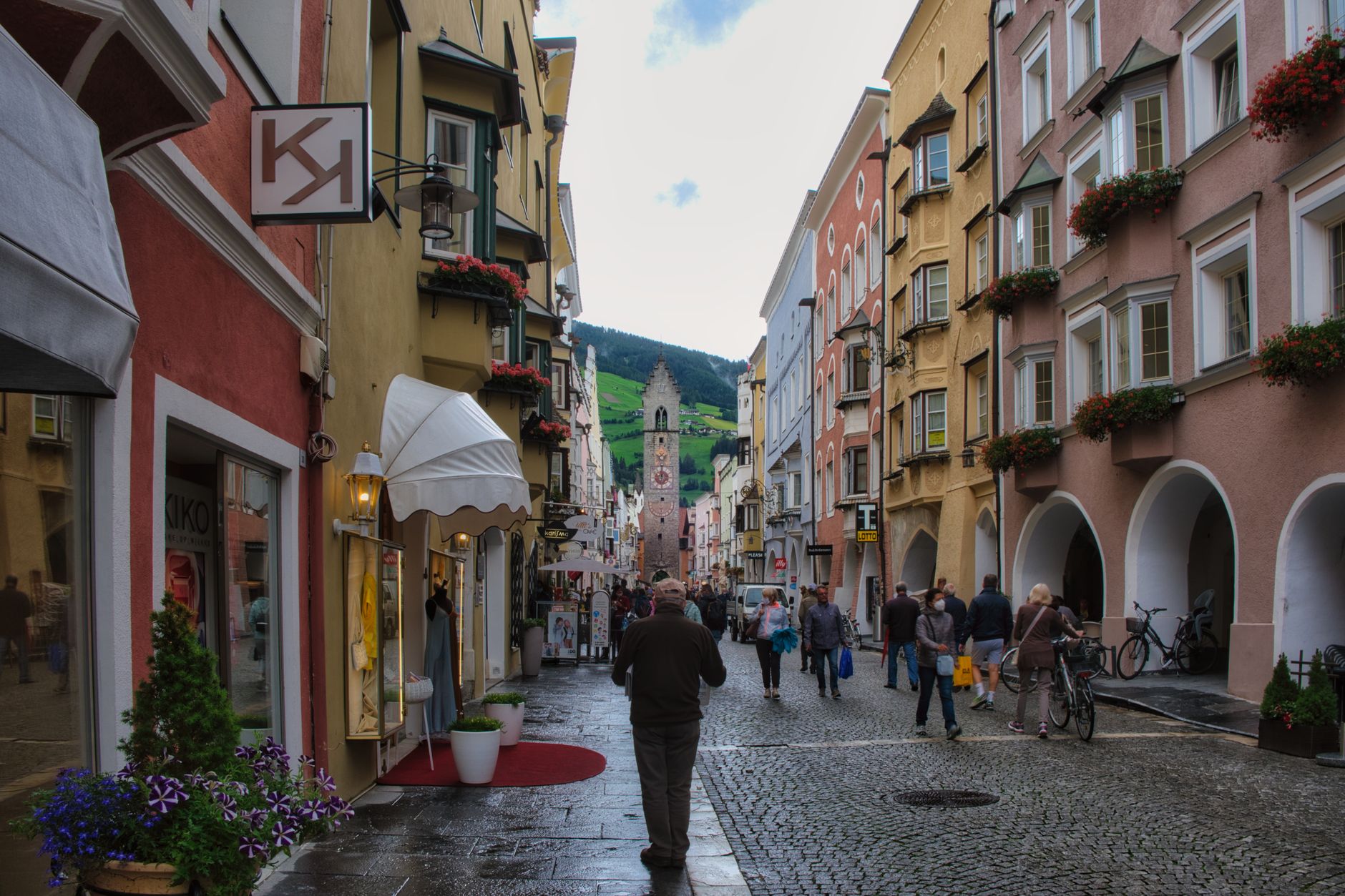

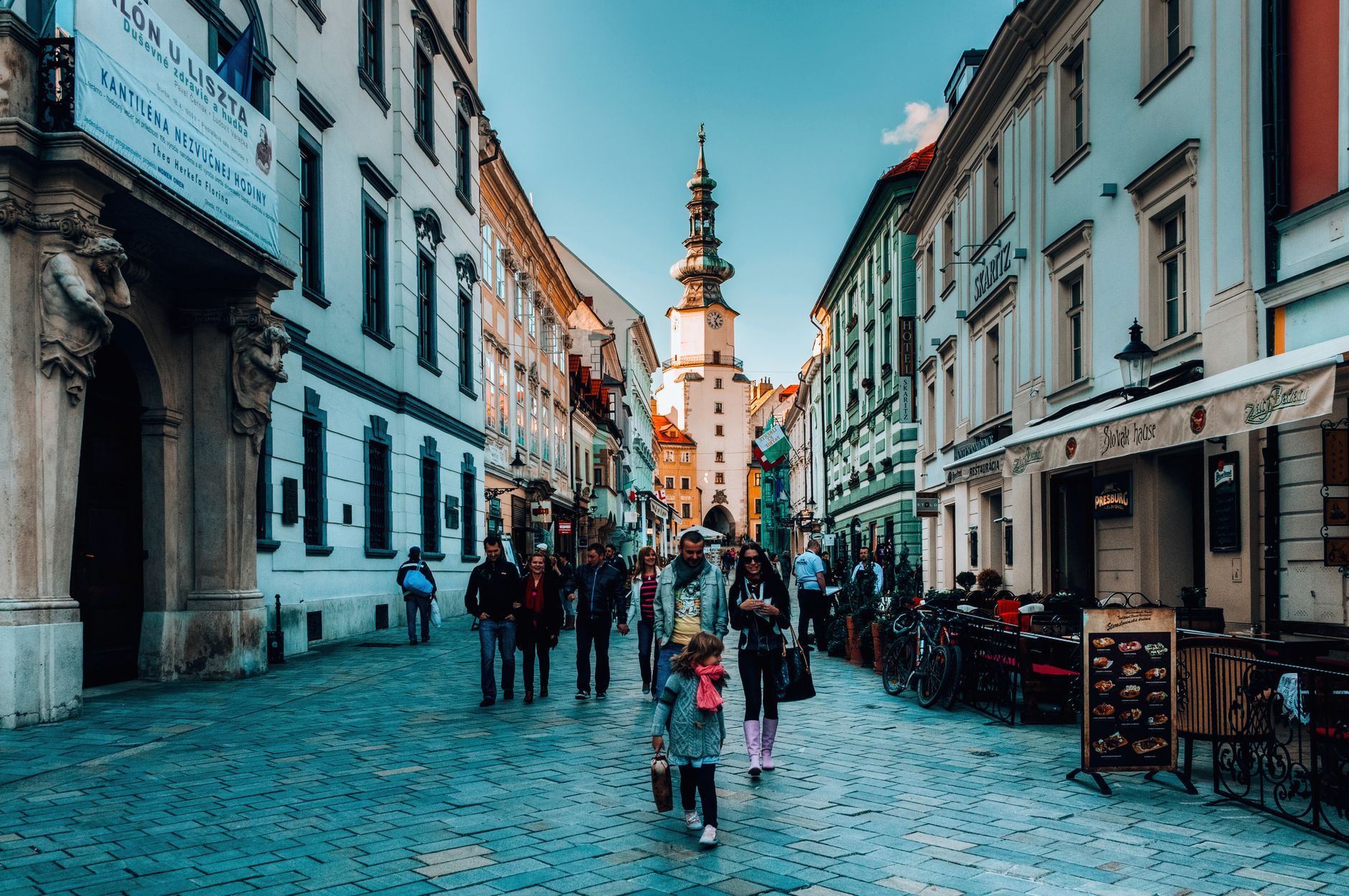
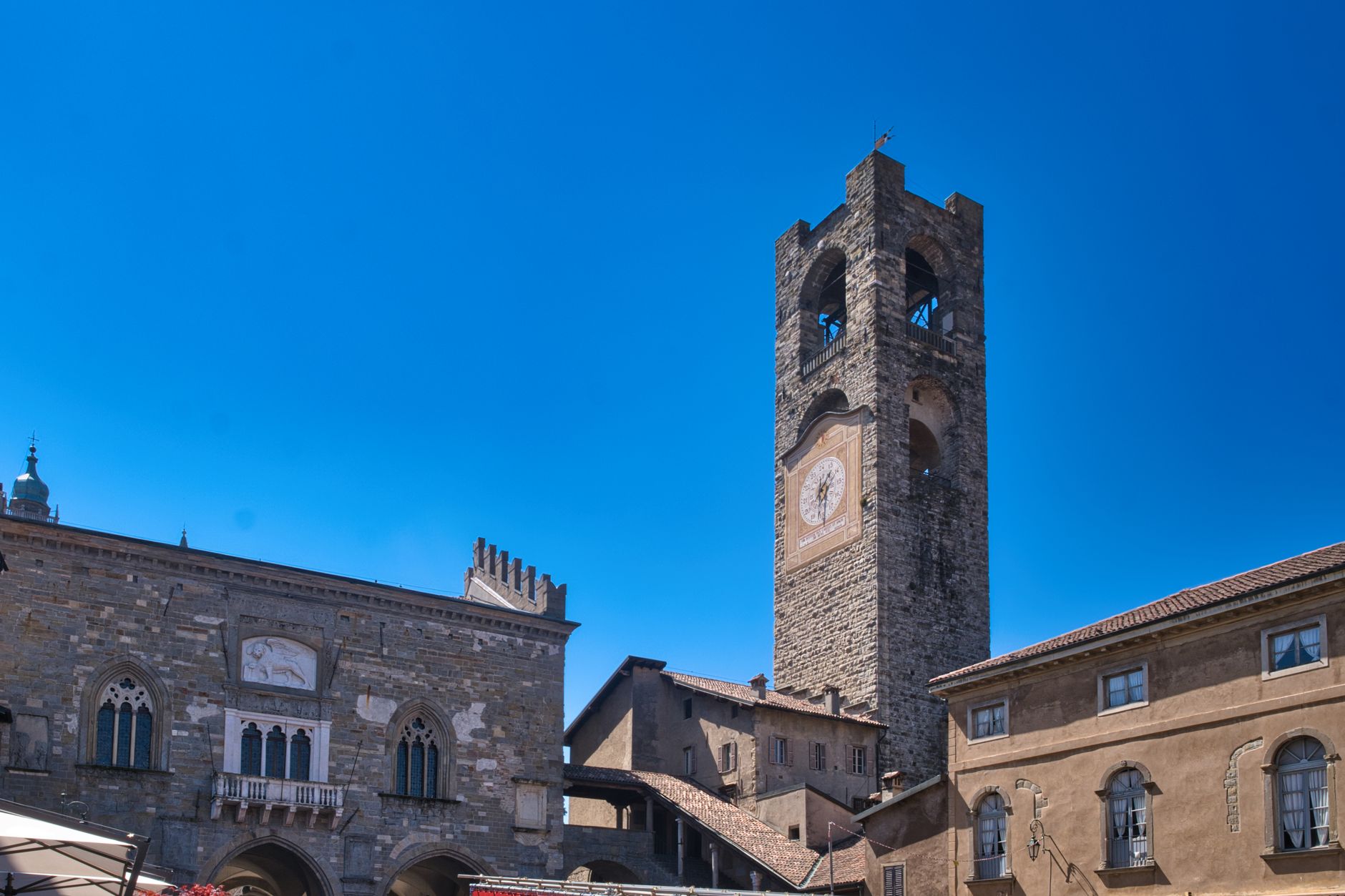
At the northern edge of Italy, close enough to the Brenner Pass that you can feel Austria in the air, Vipiteno keeps a medieval street plan that silver money built. The Torre delle Dodici — a 46-metre Gothic tower from 1472 — chimes at noon over the Stadtplatz, and the sound carries the same way it did when this town was flush with mining wealth and trading traffic moving between Innsbruck and the south.
The bilingual signs (Italian above, German below, or the reverse, depending on who put them up) tell you something true about the place: Vipiteno and Sterzing are the same town, and neither name quite wins. That unresolved quality is part of what makes it worth a slow afternoon.
💛 What travellers fall for
People who come back tend to time it for a Friday between May and October — the guided town walk leaves the tourist office at Stadtplatz at 4 pm and covers ground a solo wander misses, including the Town Hall courtyard where a copy of the Stele of God Mithra sits quietly beside the Gothic council chamber still in use today.
Experiences you don't want to miss


Deals in Vipiteno
Book directly at the provider

How Vipiteno came to be
A Roman military camp called Vipitenum was established here in 14 BC by Nero Claudius Drusus, securing the road between Italy and the Germanic north. The settlement appears in documents from 985–990 as 'Wibitina', and by 1280 the Earl of Tirol, Meinhard II, had granted it full city rights.
The town's defining moment came in the 15th and 16th centuries, when silver mines in the surrounding valleys poured money into its streets. A fire in 1443 destroyed part of the old fabric; what rose in its place — the 'New Town' district, the Torre delle Dodici, the Church of the Holy Spirit with its 1402 frescoes by Giovanni da Brunico — is largely what you walk through today. The Italian name Vipiteno was revived from the Roman original during the 20th-century Italianization of South Tyrol.
Who and what shaped it
People who shaped it
Landmark buildings
See Vipiteno in motion
Plan your visit
On the map
When to go
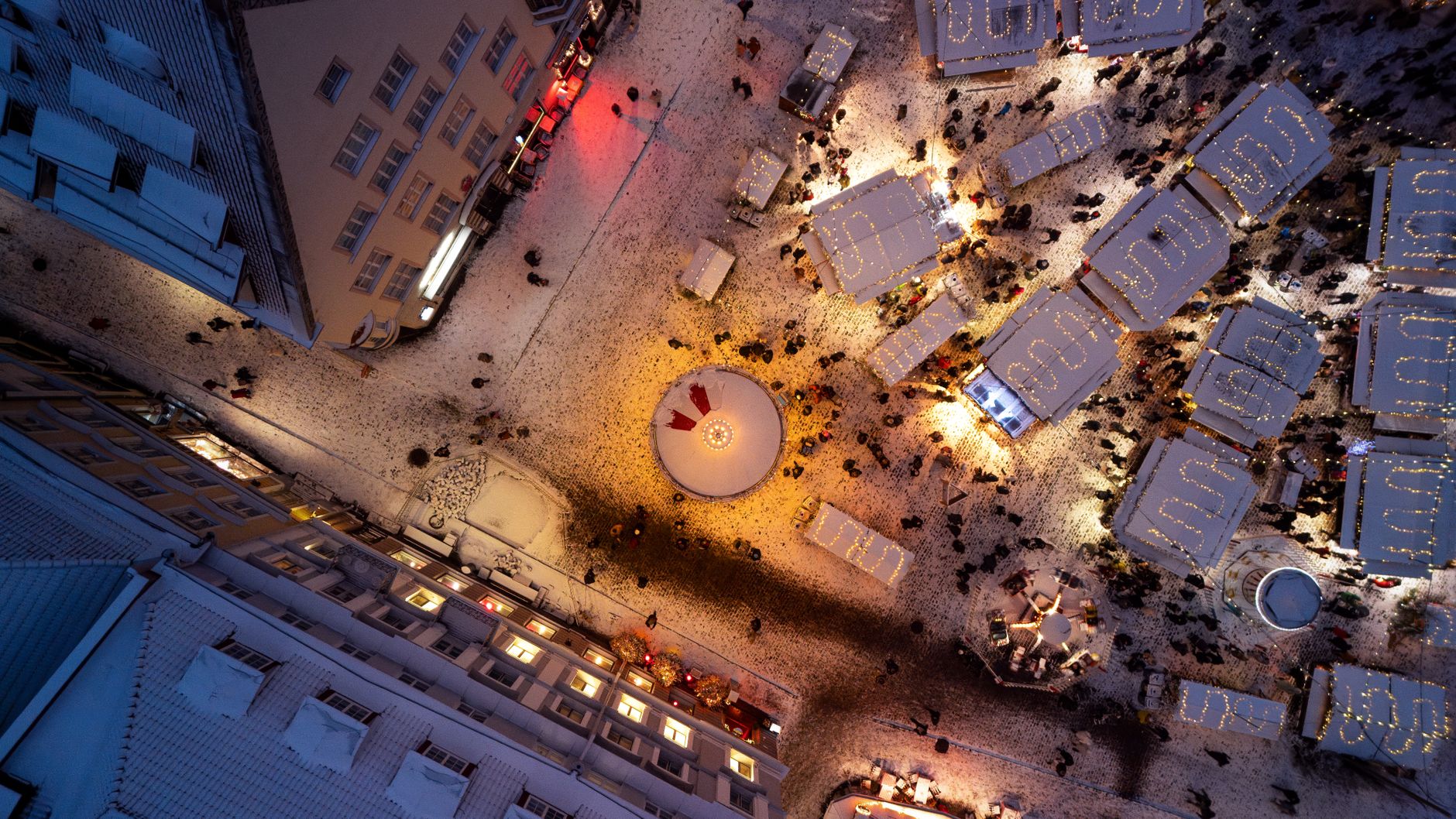
At 948 metres, summers are cool — June averages around 15°C by day and can drop to 5°C at night, so a layer is always worth carrying. Winters are cold and snowy, but the Christmas market period is one of the few times the Torre delle Dodici opens its doors for rooftop views.
Right now
Background & history adapted from Wikipedia (CC BY-SA) · specs from Wikidata (CC0) · weather from Open-Meteo · map data © OpenStreetMap contributors · photos from Wikimedia Commons / Unsplash with per-image credit. No third-party reviews or social posts reproduced.