
Vietri sul Mare
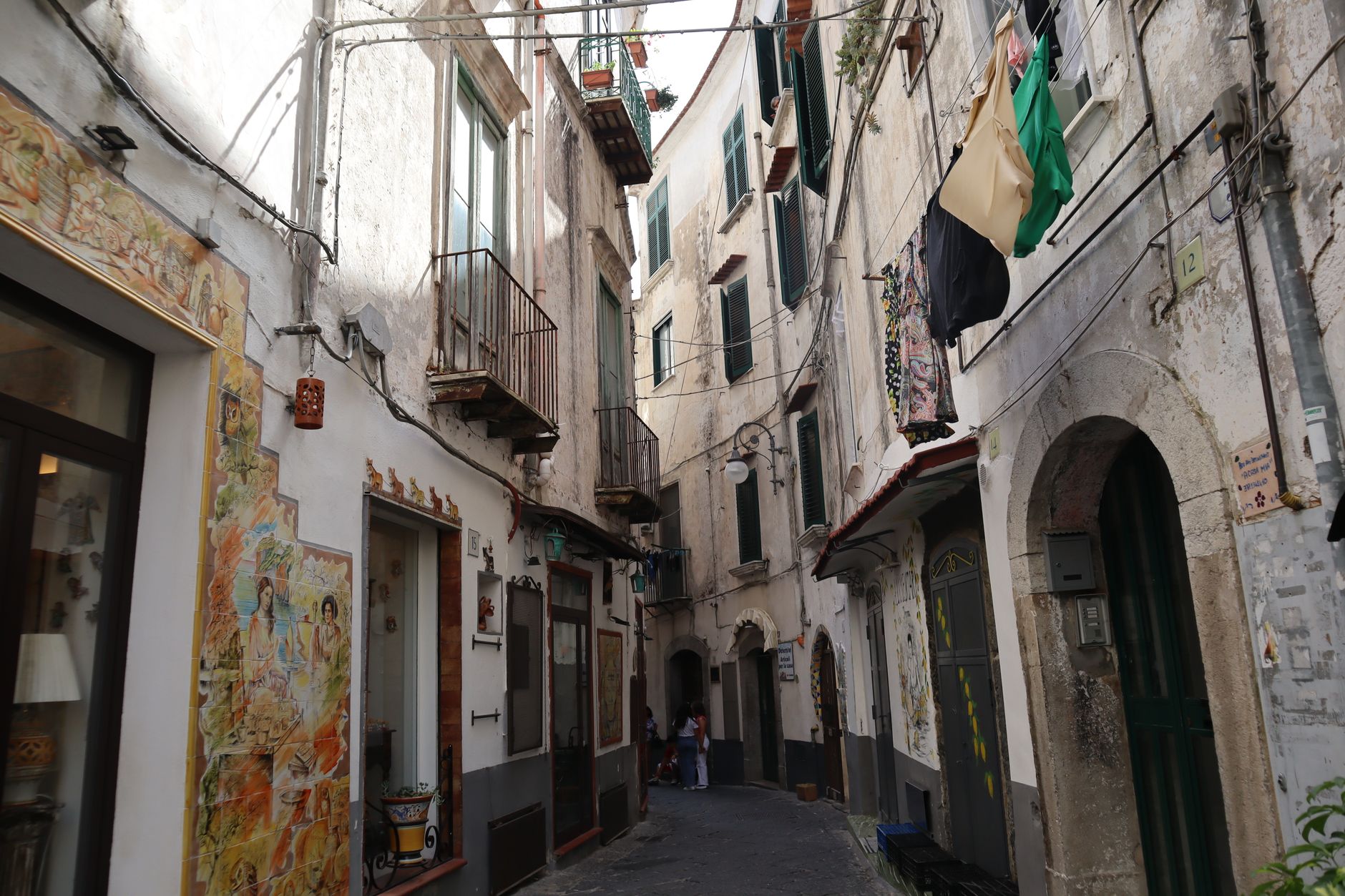
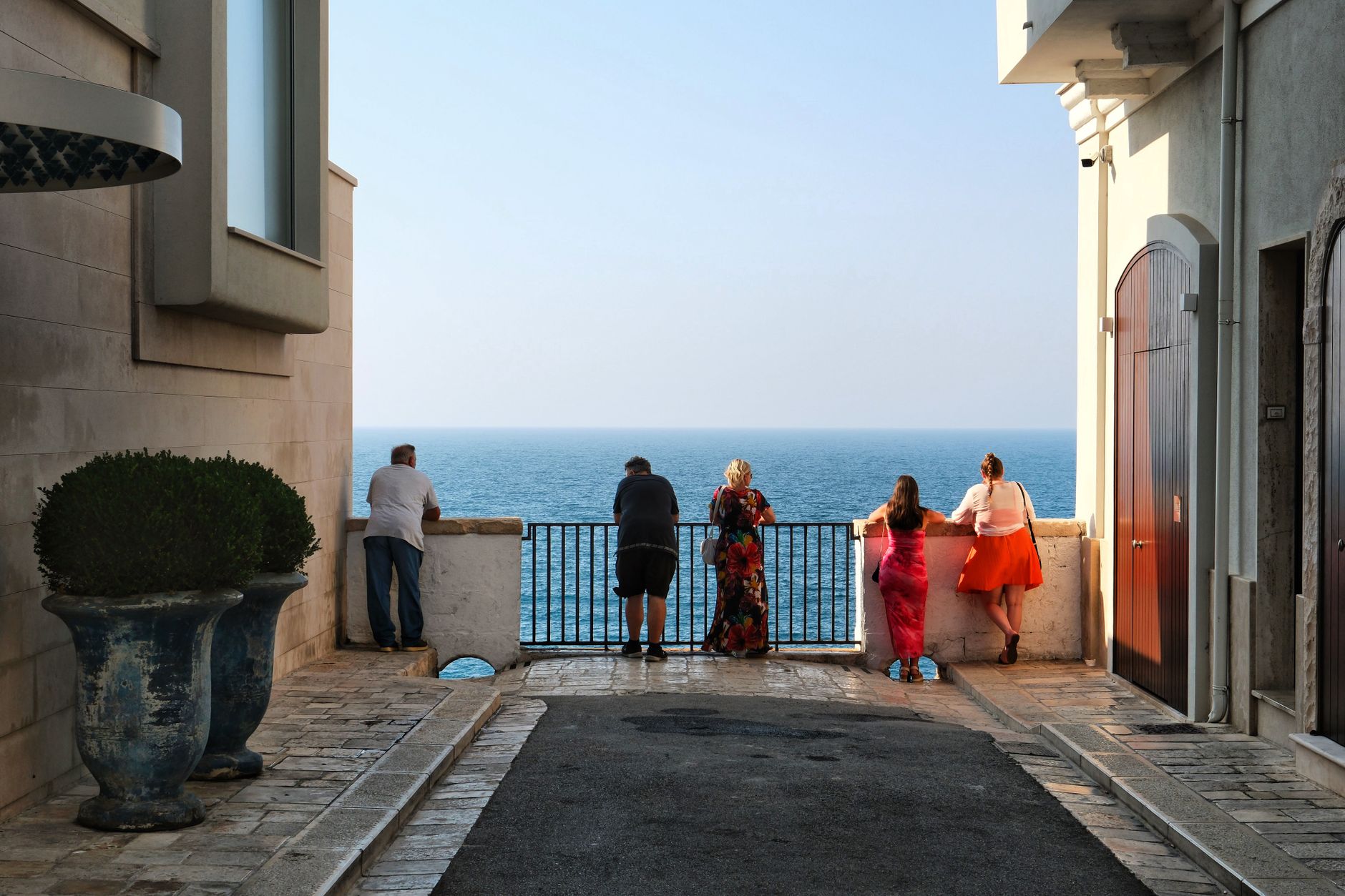
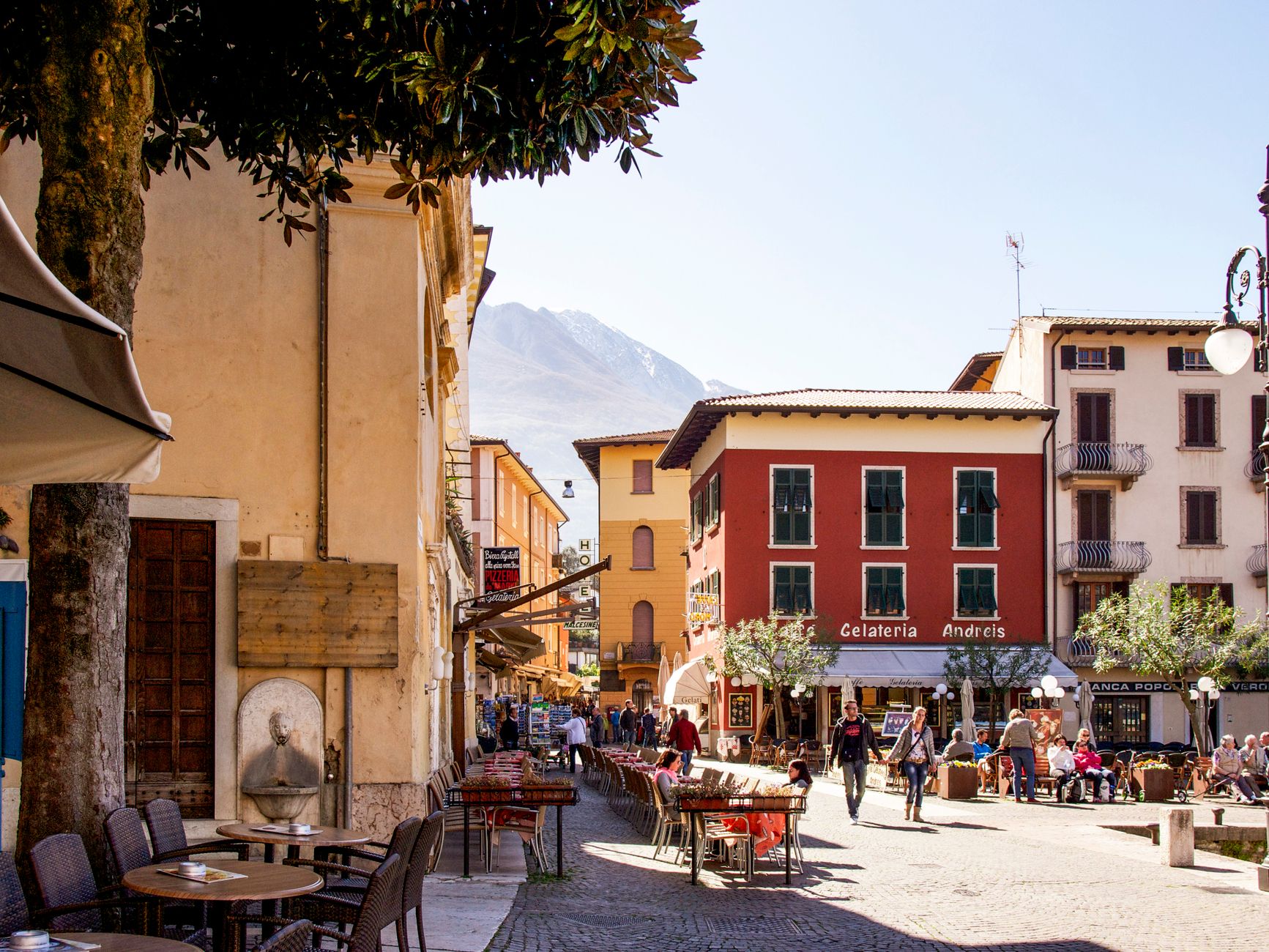
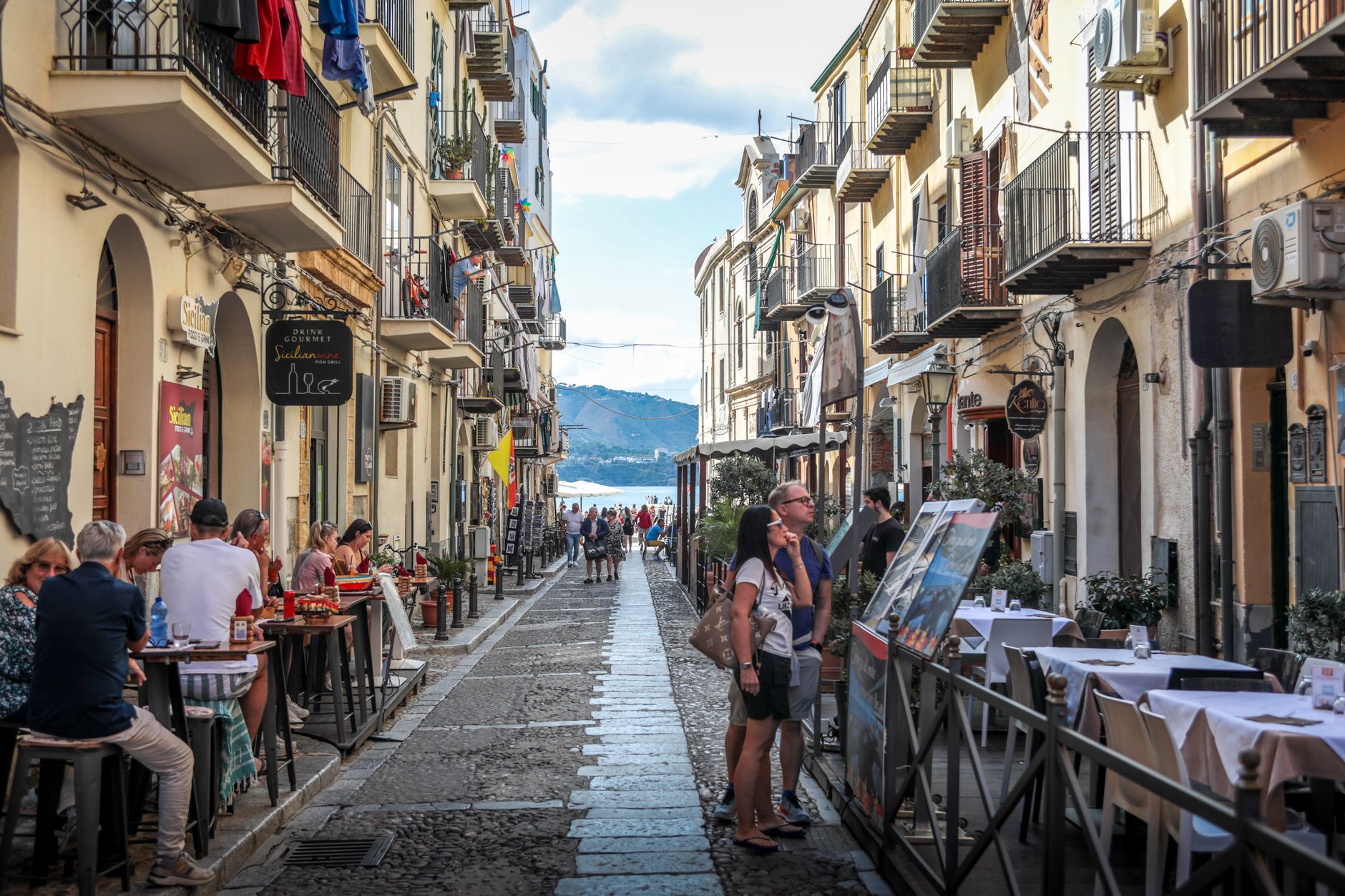
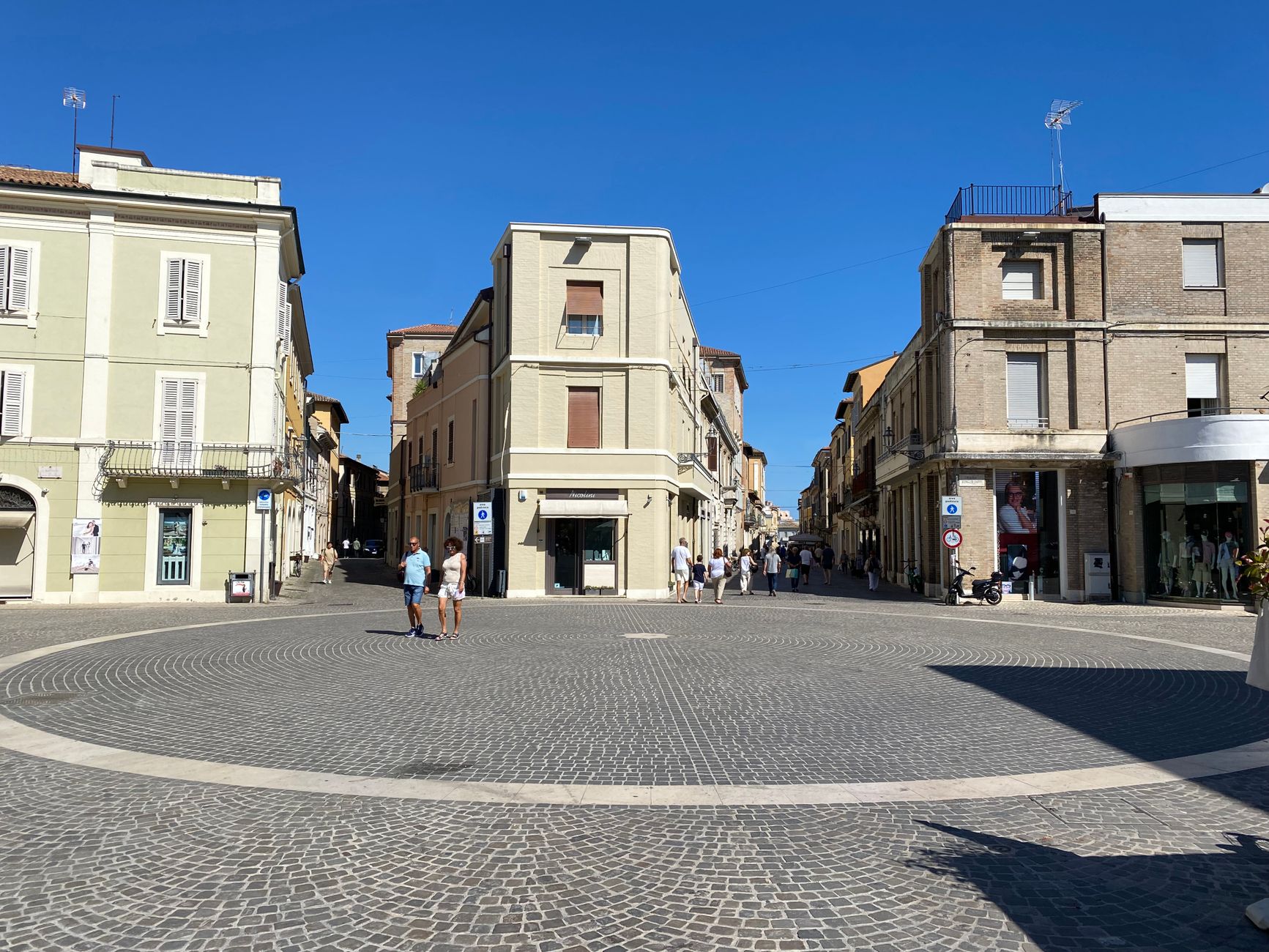
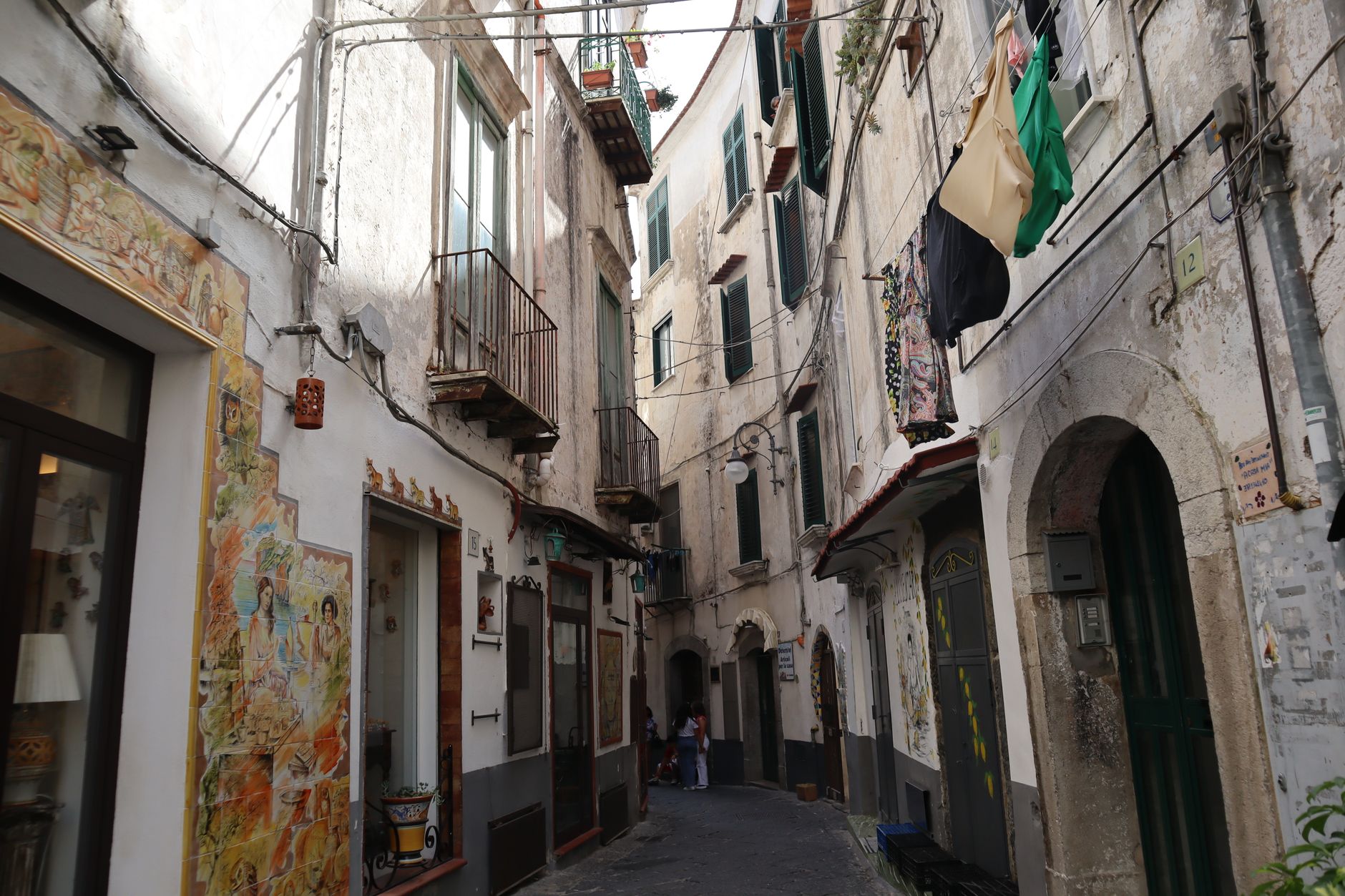
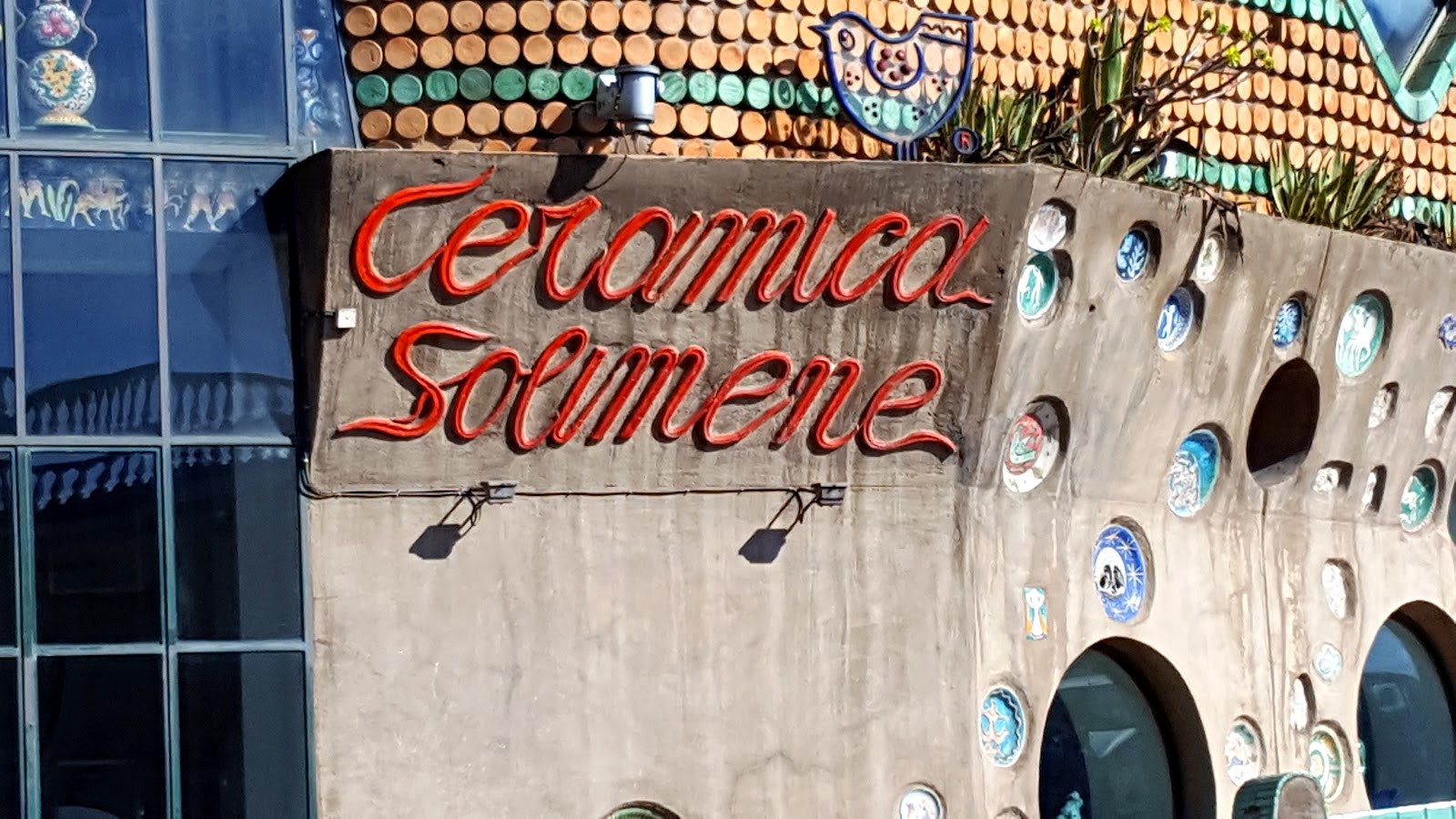
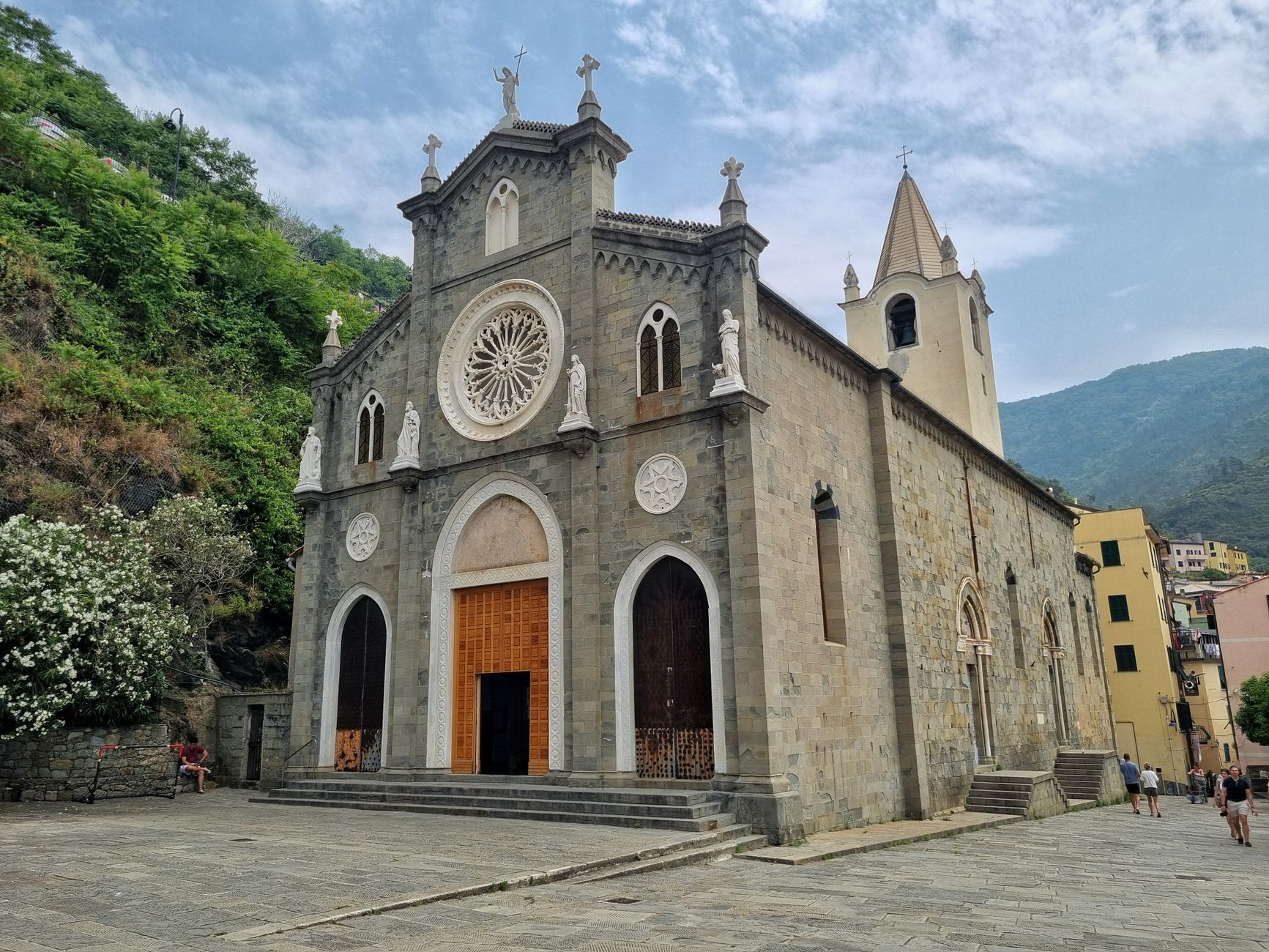
Vietri sul Mare announces itself in colour before you've even stepped off the train. The dome of the Church of San Giovanni Battista — green, yellow and blue majolica tiles arranged in geometric bands — catches the light above the rooftops and tells you exactly what kind of town this is. Ceramics are not a souvenir industry here; they are the architecture, the street furniture, the rhythm of the place. Plates and vases fill workshop doorways, donkey figurines line windowsills, and the oldest documented piece — a votive aedicule on a tower wall in the hamlet of Raito, dated 1627 — is still out there on the stone, weathering quietly.
💛 What travellers fall for
People who come back tend to make straight for the Museo Provinciale della Ceramica in the Torretta Belvedere on the Villa Guariglia grounds in Raito — less visited than the town-centre shops, calmer, with pieces from the interwar German period that show just how strange and inventive that chapter was. Tuesday to Sunday, ten to five, five euros.
Experiences you don't want to miss


Deals in Vietri sul Mare
Book directly at the providerHow Vietri sul Mare came to be
The name carries its own etymology: Vietri derives from the Latin vetus — old, ancient — a name the town earned after Genseric's Vandals destroyed the Roman settlement of Veteri in 456 AD. Survivors rebuilt on the ruins in the 8th century, and the place spent much of the medieval period as a hamlet under Cava de' Tirreni, only gaining independence in 1806.
The ceramic tradition runs back at least to the 15th century, when master potters set up the first workshops and began supplying Neapolitan nobility. The craft found its most distinctive voice during the interwar decades — the so-called German period — when a wave of Central European artists, among them Doelker and Studemann, relocated here seeking cheaper living costs. Doelker invented the ceramic donkey that became the town's emblem; Studemann founded the Fontana Limite majolica workshop. Their influence reshaped the local visual language entirely.
Who and what shaped it
People who shaped it
Landmark buildings
See Vietri sul Mare in motion
Plan your visit
On the map
When to go
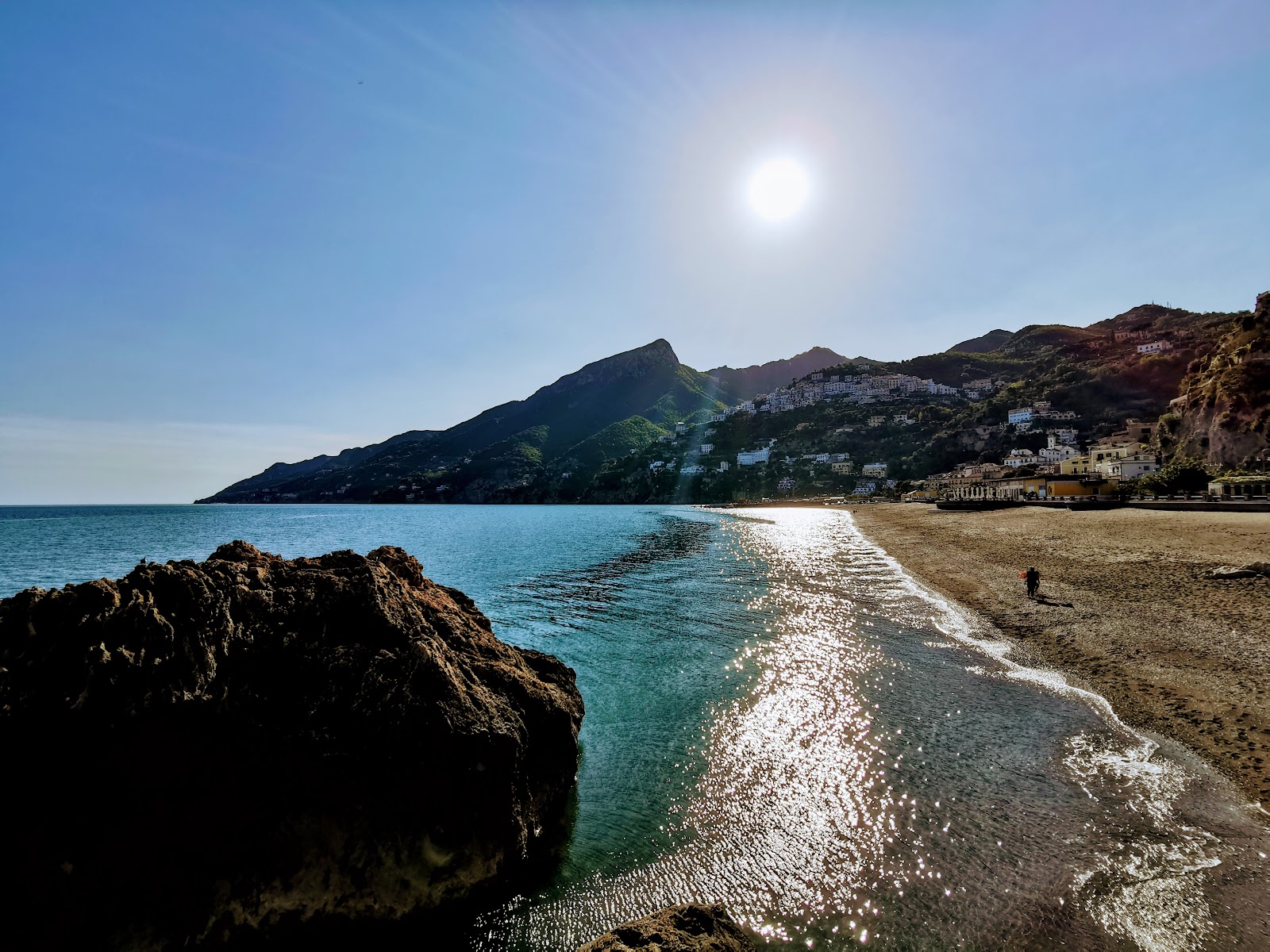
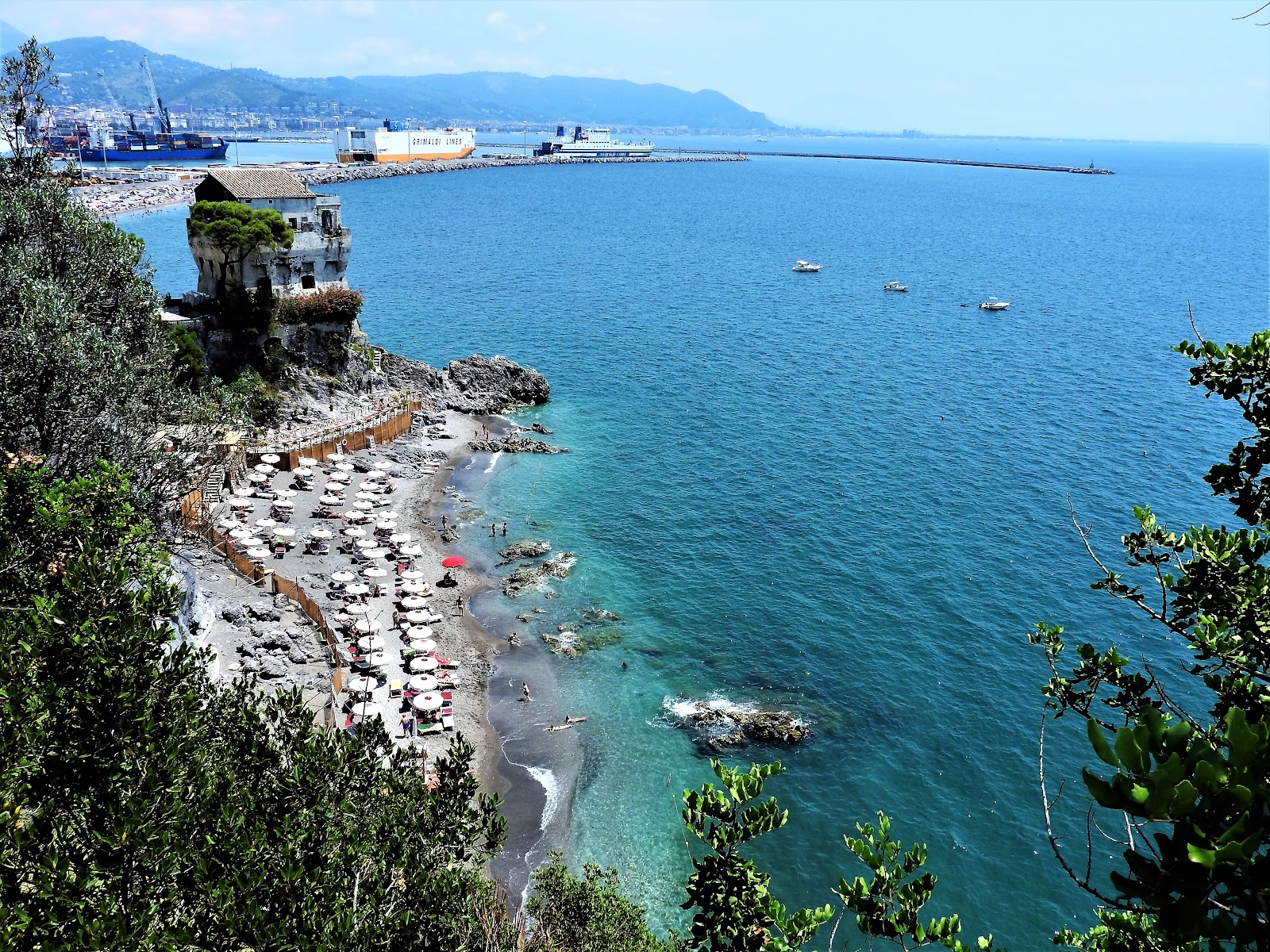
Vietri sits on a Mediterranean coast, which means dry, warm summers and mild, occasionally rainy winters. Spring and autumn give you the most comfortable conditions for walking between the hamlets — Raito, Albori, Benincasa — without the July and August heat bearing down on the hillside lanes.
Right now
↡ Attractions





Background & history adapted from Wikipedia (CC BY-SA) · specs from Wikidata (CC0) · weather from Open-Meteo · map data © OpenStreetMap contributors · photos from Wikimedia Commons / Unsplash with per-image credit. No third-party reviews or social posts reproduced.