
Vichy
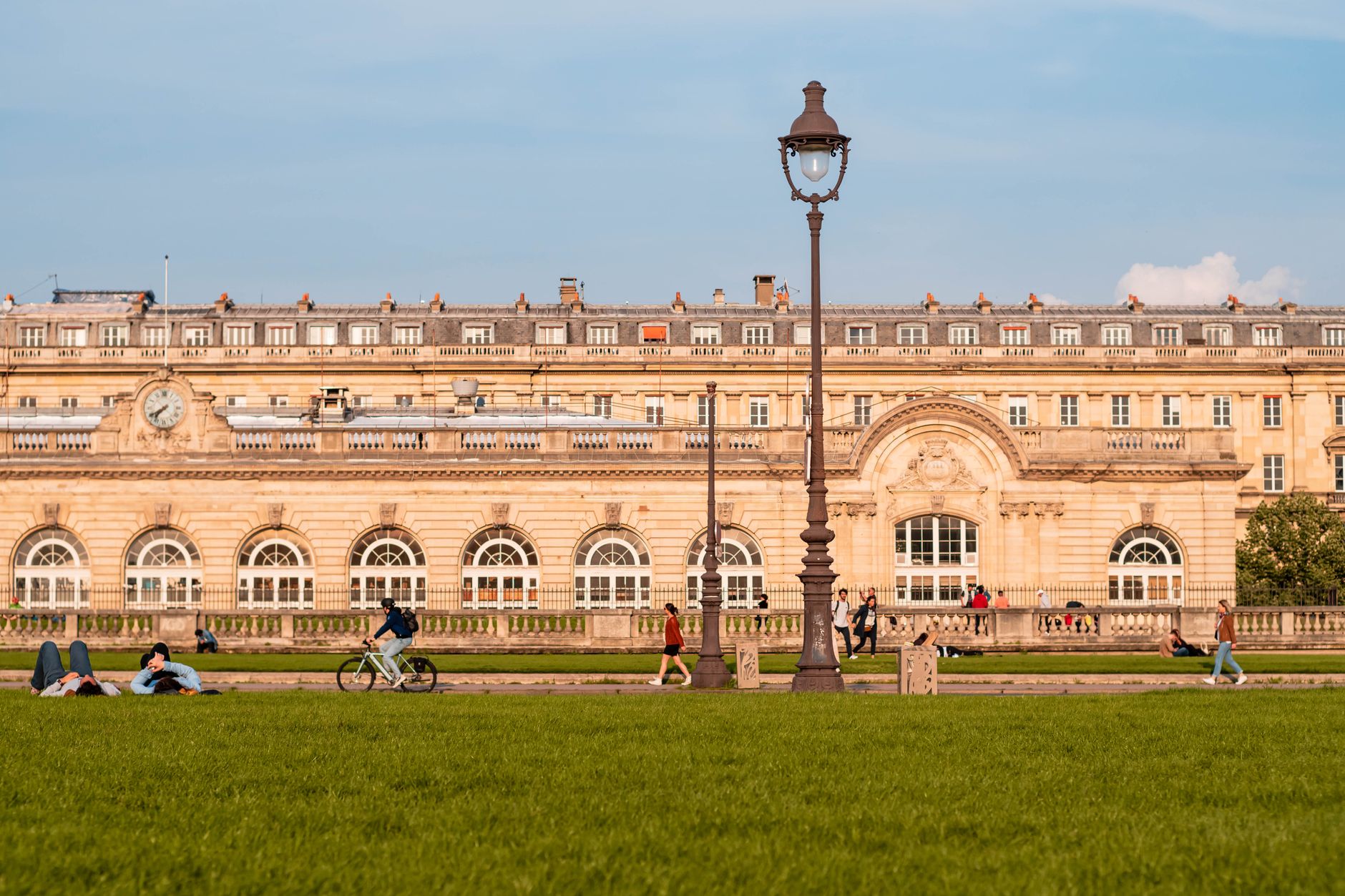
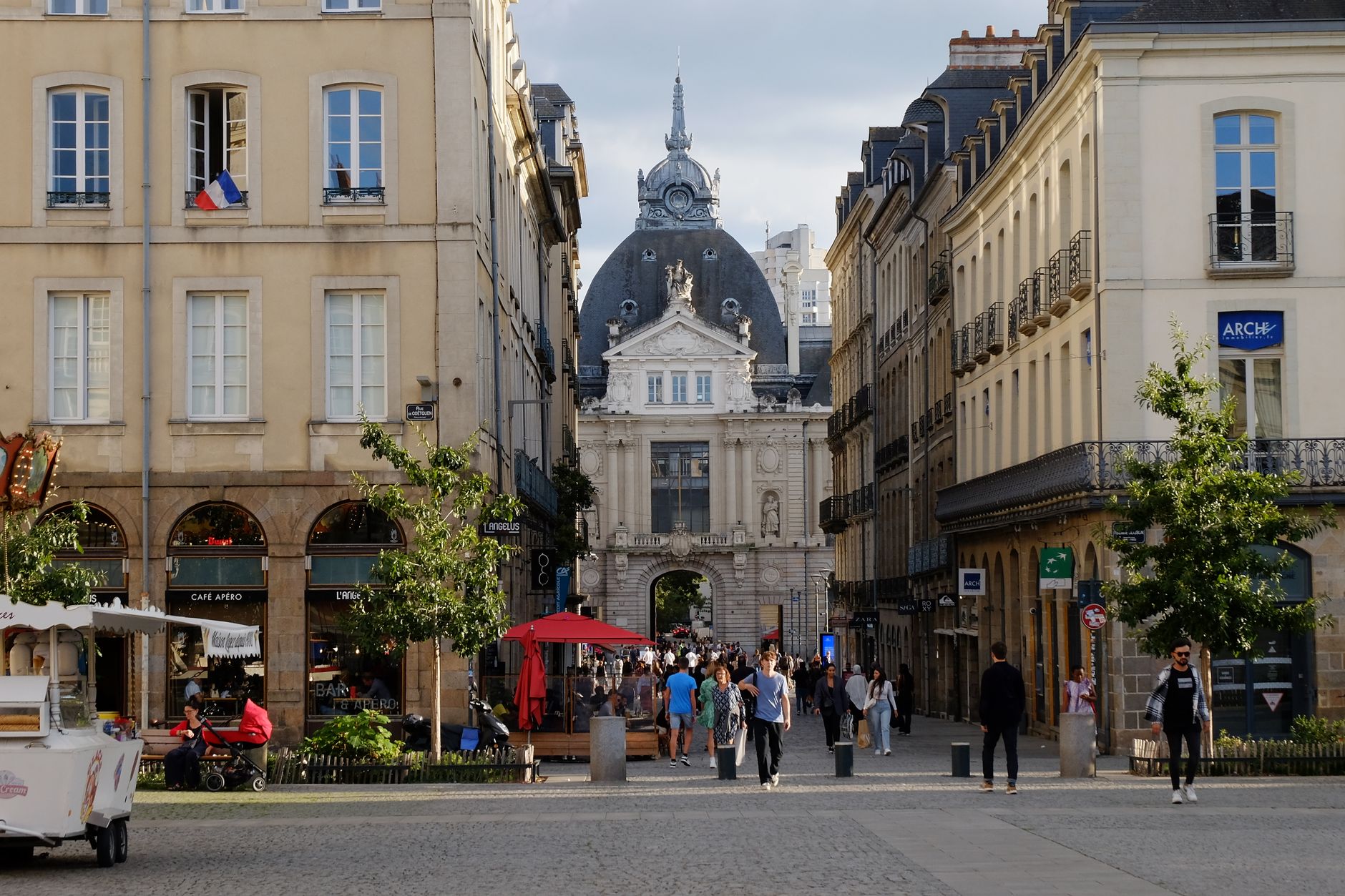
Vichy is a city that carries two very different histories in the same body. Walk the Parc des Sources — its iron-and-glass gallery shading rows of chestnut and plane trees — and you're moving through the Belle Époque fantasy Napoleon III built to make this the Queen of the Water Cities. The opera house is gold and ivory Art Nouveau, the spa architecture tips toward neo-Moorish, and the whole ensemble has sat on the UNESCO World Heritage List since 2021.
The other history is harder. In July 1940, the French government voted itself out of existence here and handed power to Marshal Pétain. That chapter doesn't disappear into the thermal mist — it sits alongside the cure-seekers and the ornate facades, asking you to hold both things at once.
💛 What travellers fall for
People who come back tend to book the Vichy Célestins Thermal Spa well ahead — the 7,500 m² facility fills up, and the booking process is genuinely complicated. They also make a point of stopping at the Hall des Sources to drink from the five springs, each with a distinct taste, and of spending an evening inside the Palais des Congrès-Opéra just to see that gold-and-ivory interior.
Experiences you don't want to miss


Deals in Vichy
Book directly at the provider

How Vichy came to be
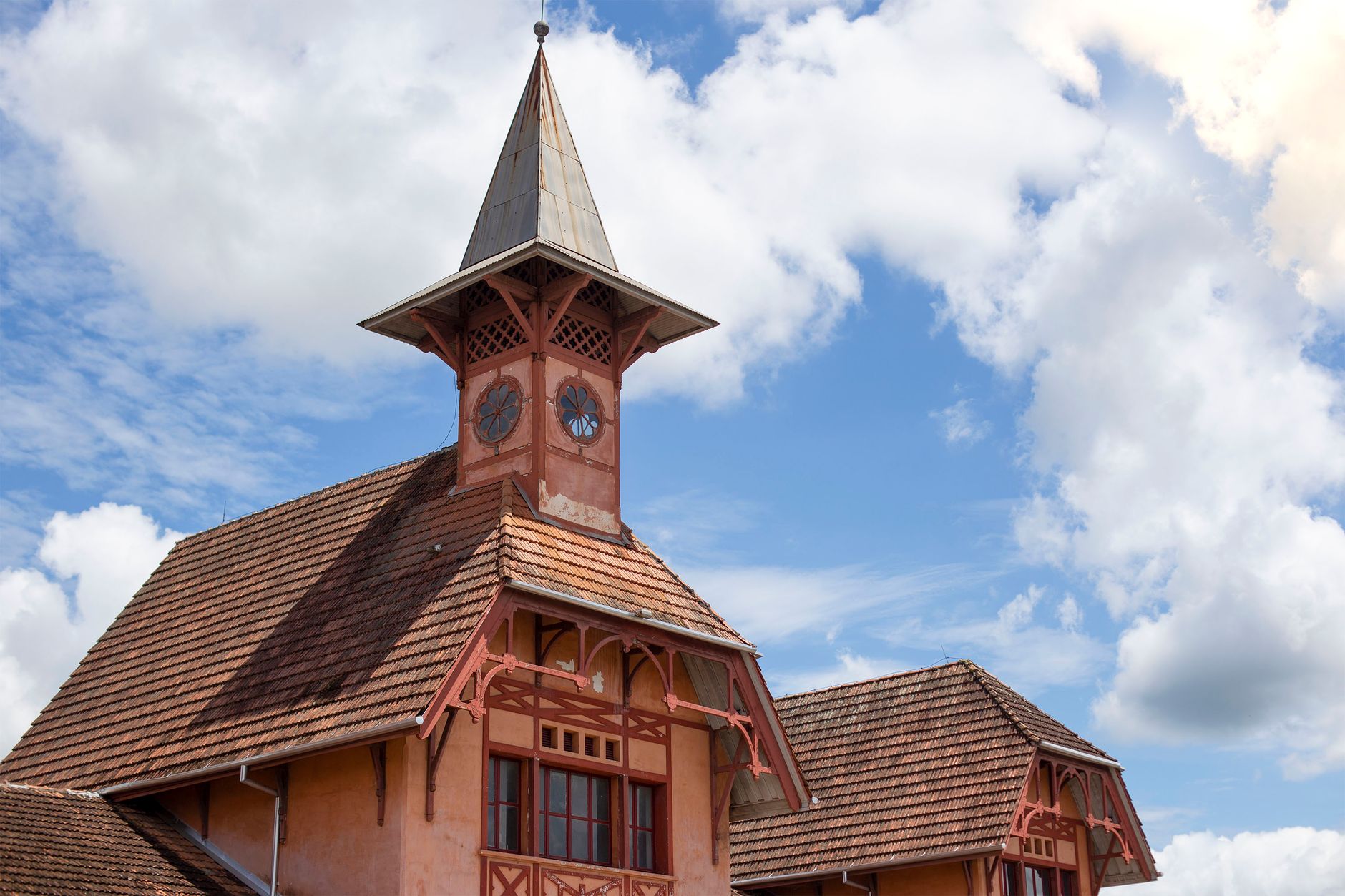
The Romans knew these springs as Aquis Calidis. Henri IV ordered the first proper baths in the early 17th century, and the daughters of Louis XV pushed through roads and an esplanade in 1785. Laetitia Bonaparte's visit in 1799 brought paved paths and new fountain shelters. But it was Napoleon III who rewrote the city entirely — railway, hotels, the opera house, the Emperor's cottages — establishing the Compagnie de Vichy in 1853 to manage the spring economy and launching the bottling industry by 1862.
In the summer of 1940, the same hotels that had housed European aristocracy became ministries. The National Assembly voted full powers to Pétain on July 10, and Vichy gave its name to four years of collaboration. The regime ended in September 1944, but the name has meant something specific ever since.
Who and what shaped it
People who shaped it
Landmark buildings
See Vichy in motion
Plan your visit
On the map
When to go
Summers are warm and genuinely pleasant — August highs reach around 27°C — making the parks and open-air promenades easy to enjoy. The rest of the year is mild but reliably wet, with nearly 940 mm of rain spread across the calendar; the covered gallery of the Parc des Sources starts to make a lot of sense by October.
Right now
Background & history adapted from Wikipedia (CC BY-SA) · specs from Wikidata (CC0) · weather from Open-Meteo · map data © OpenStreetMap contributors · photos from Wikimedia Commons / Unsplash with per-image credit. No third-party reviews or social posts reproduced.