
Viana
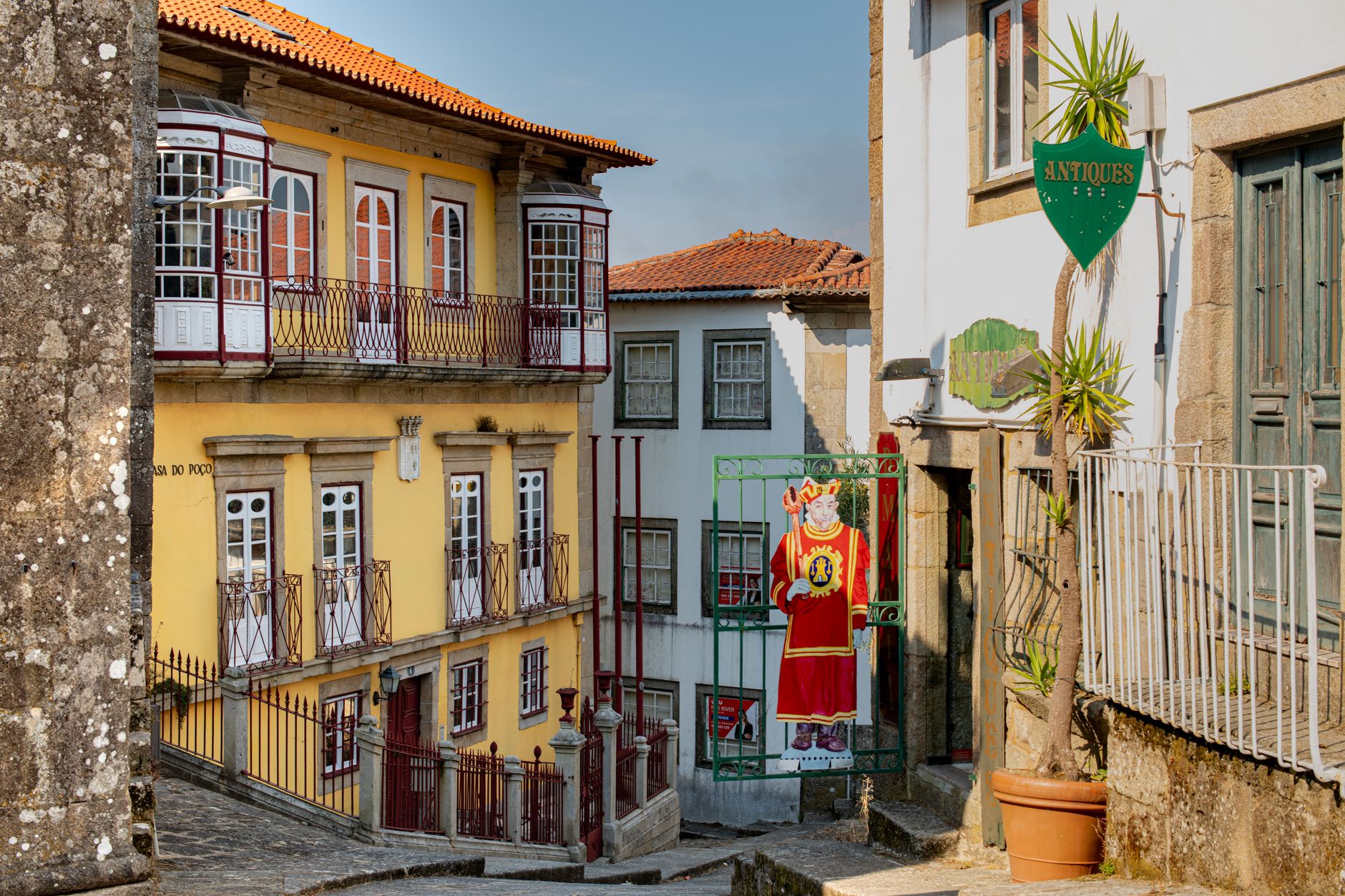
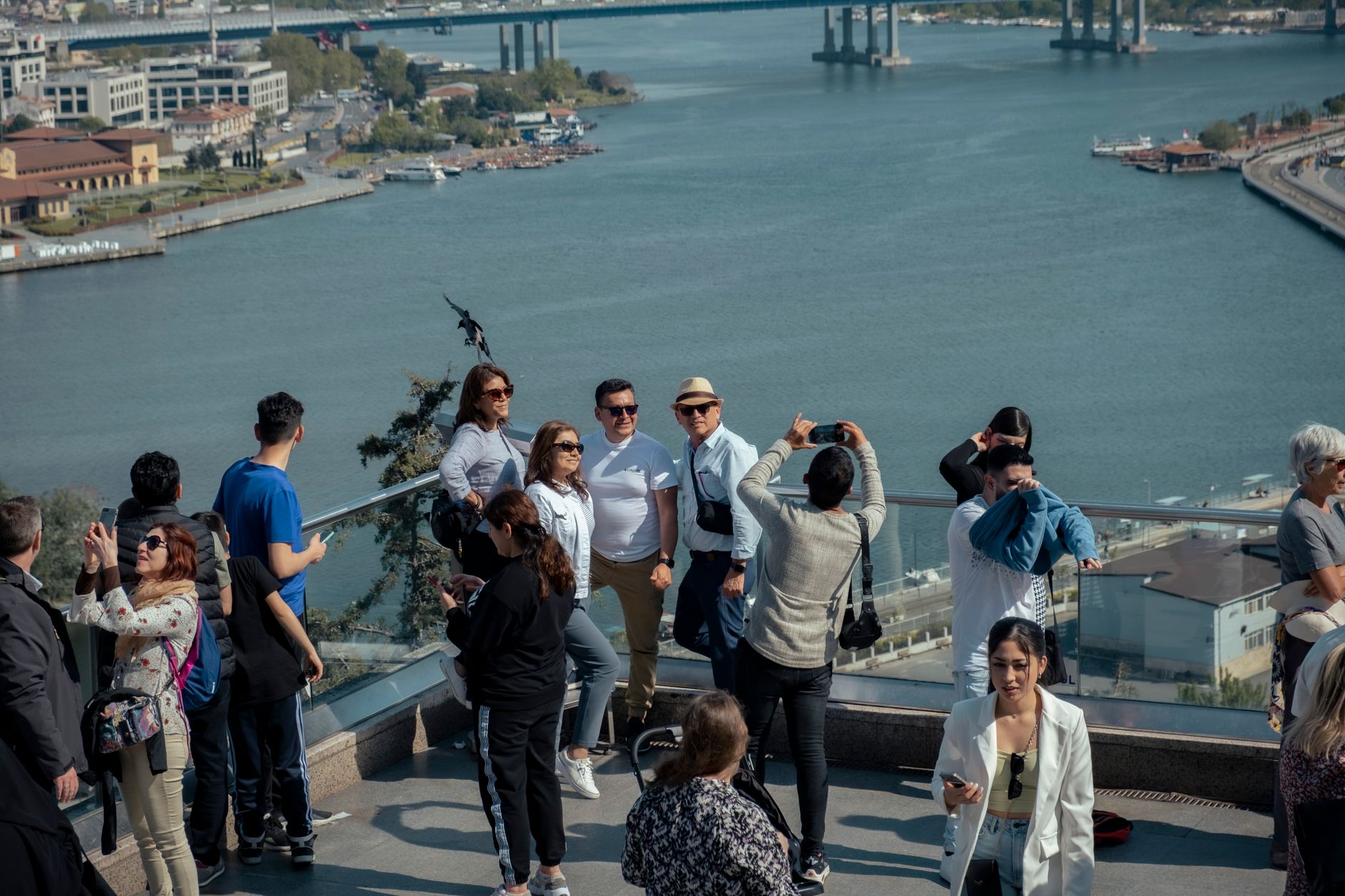
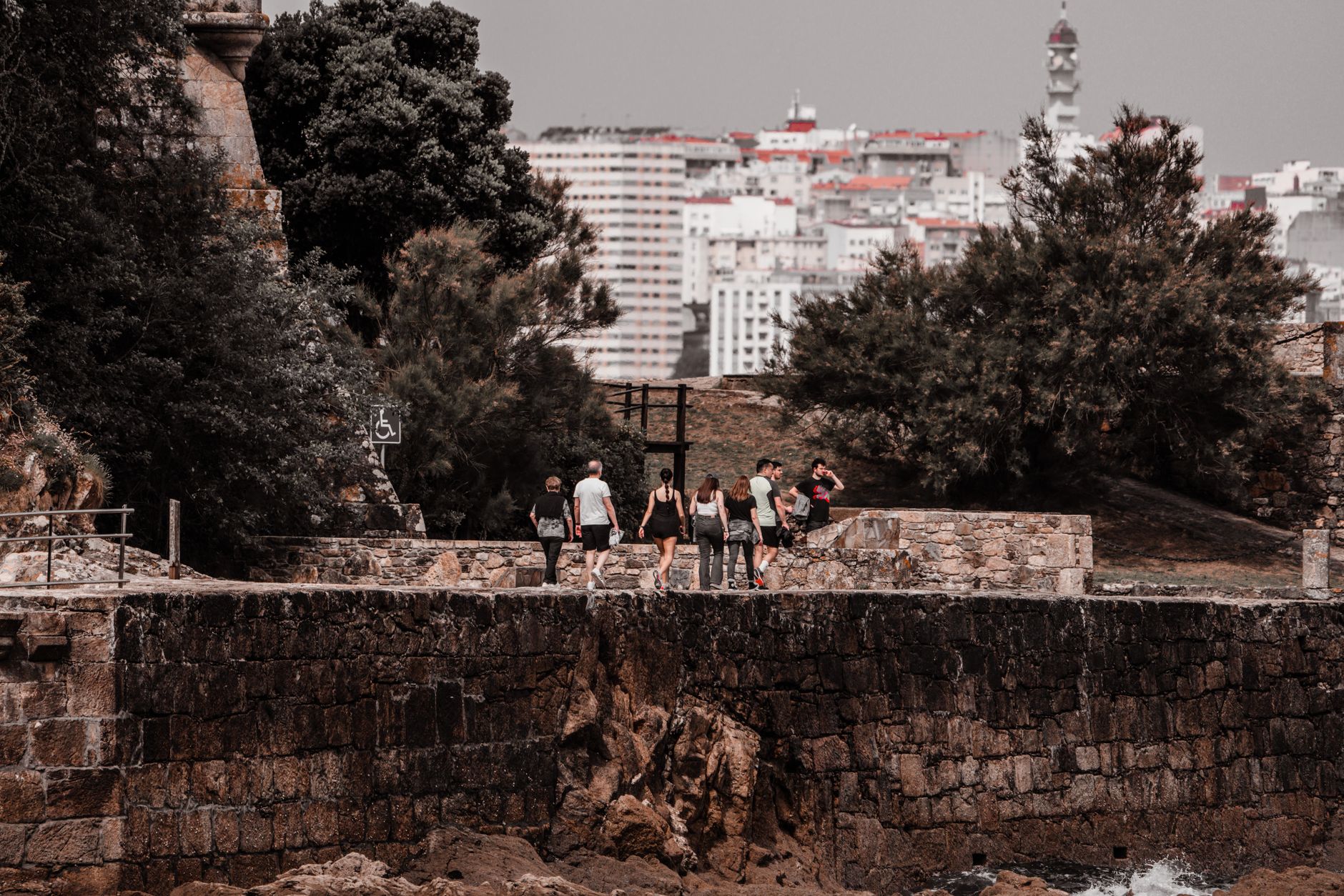
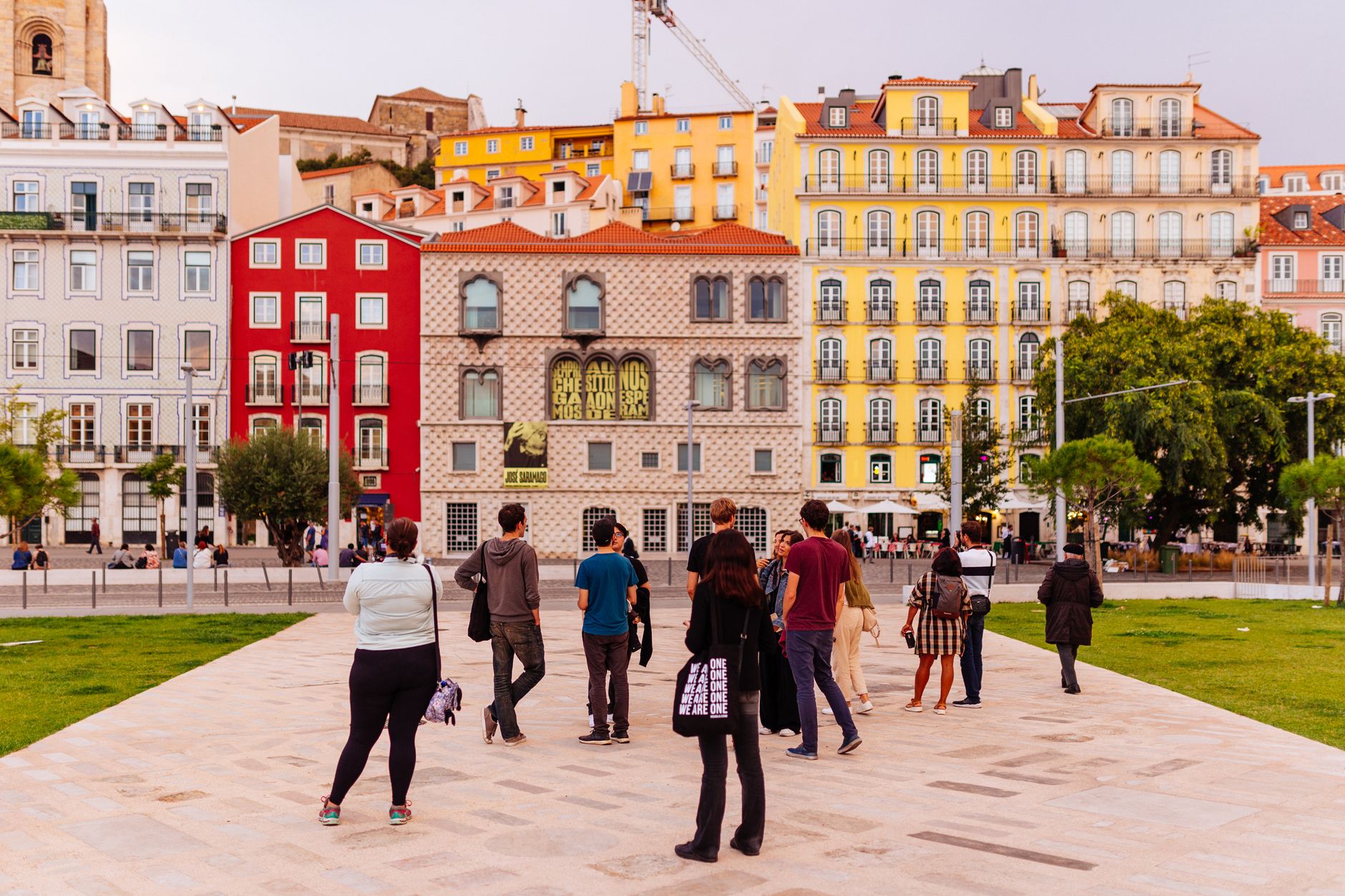
The last town in Navarre before the border with La Rioja, Viana earns its keep on the Camino de Santiago as more than a waypoint. At the base of a marble slab inside the Church of Santa María la Real lies the tomb of Cesare Borgia — son of a pope, model for Machiavelli's prince, dead in an ambush on a cold March morning in 1507. That the Renaissance's most notorious operator ended up here, in a small Navarrese hilltop city of four thousand souls, says something about the strange gravity of the place.
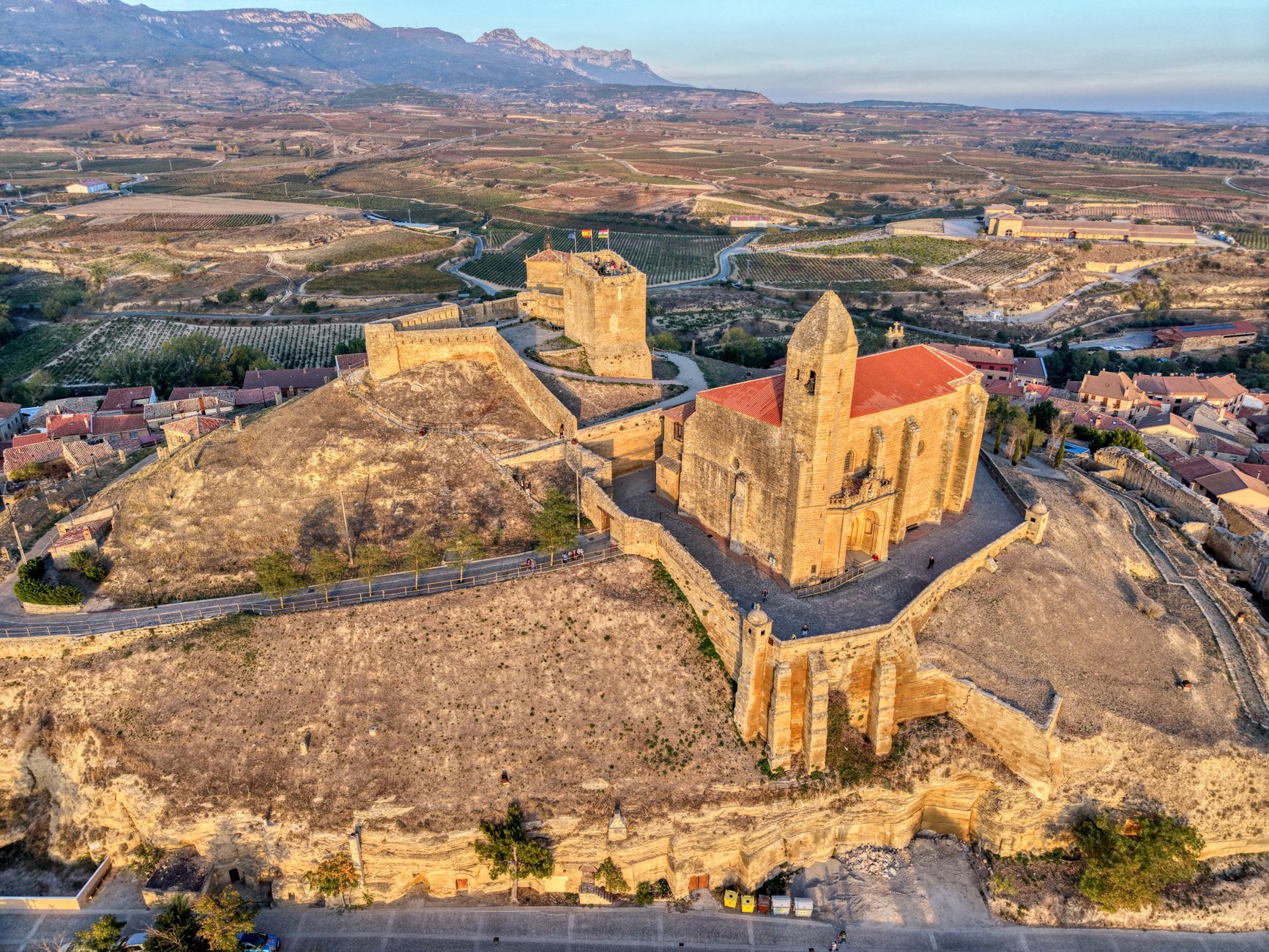
Viana's old town is compact and walkable, its stone streets still enclosed by medieval walls with four gates pointing to the cardinal directions. The church alone — a Gothic structure completed over several centuries, with one of the most monumental Renaissance façades in Spain — could anchor an afternoon.
💛 What travellers fall for
People who come back tend to linger at Las Cañas reservoir on the way out, where the bird observatory known as El Bordón sits at the lagoon's edge. The wetland is one of Navarre's most important, and on a quiet morning you can watch marsh harriers without another soul nearby — a different register entirely from the stone streets above.
Experiences you don't want to miss



Deals in Viana
Book directly at the provider


How Viana came to be
Viana was founded on 1 February 1219 by King Sancho VII the Strong, assembled from eight smaller villages as a defensive bulwark against Castile. Its strategic position shaped its character for centuries — in 1291 the city received a coat of arms for its role in that same defence, and in the early fifteenth century King Charles III made Viana the seat of the Principality of Navarre, a title held by the crown's heirs. The town's grandest buildings date from after 1630, when Philip VI granted it city status and the nobility commissioned the civic and religious architecture still standing today.
The incorporation into Castile came in 1512 under Ferdinand the Catholic, but Viana's most enduring piece of history arrived five years earlier. Cesare Borgia, retreating through Navarre after a military reverse, was ambushed and killed outside the city walls on 11 March 1507. He was buried in Santa María la Real, and his tomb remains there.
Who and what shaped it
People who shaped it
Landmark buildings
See Viana in motion
Plan your visit
On the map
When to go
Summers are warm and dry by local standards, with July averaging only 27 mm of rain — the most comfortable window for walking the old town and the surrounding countryside. The rest of the year sees steady precipitation, peaking in November, so a waterproof layer is worth carrying outside of high summer.
Right now
Background & history adapted from Wikipedia (CC BY-SA) · specs from Wikidata (CC0) · weather from Open-Meteo · map data © OpenStreetMap contributors · photos from Wikimedia Commons / Unsplash with per-image credit. No third-party reviews or social posts reproduced.