
Vézelay
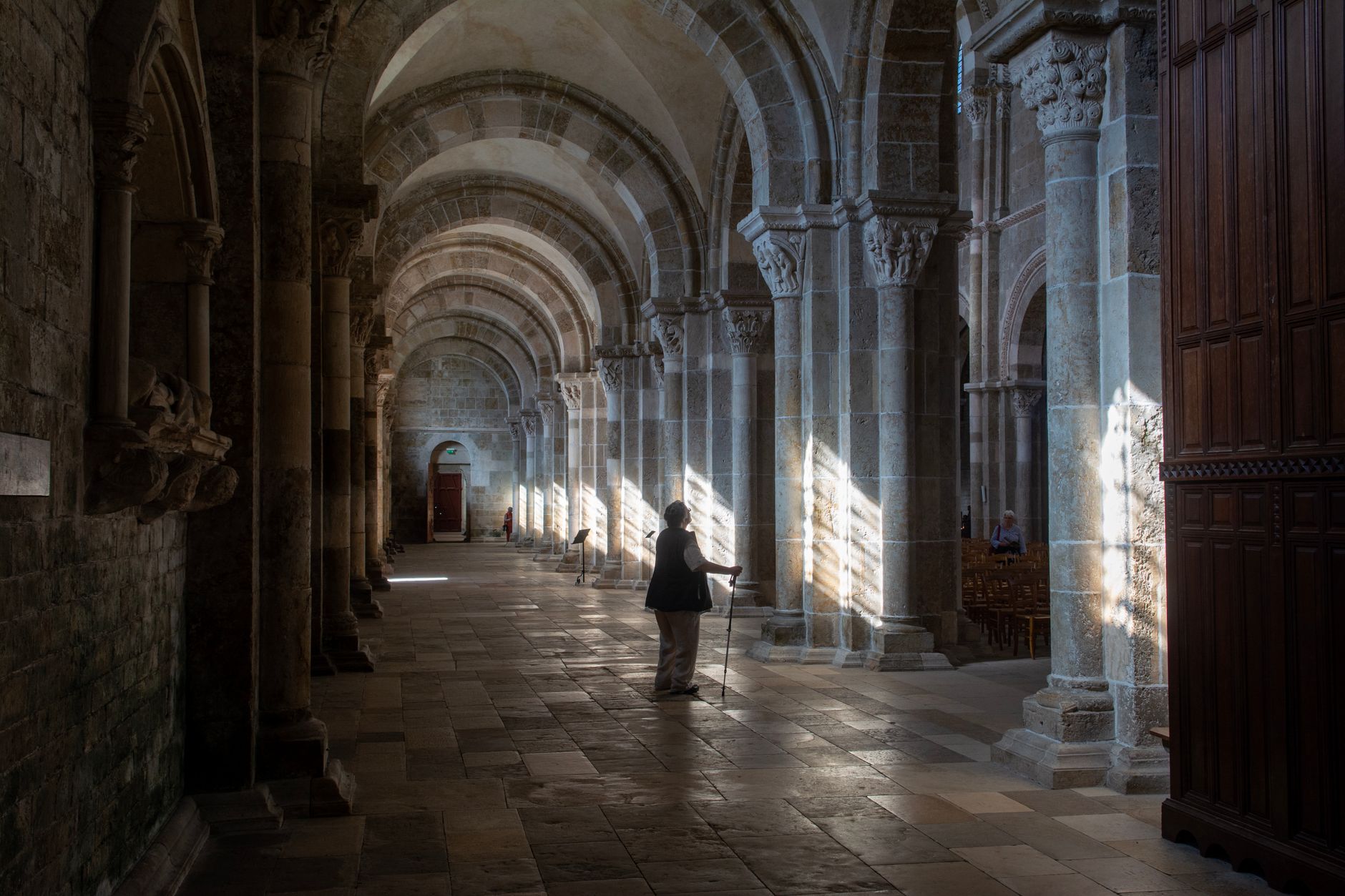
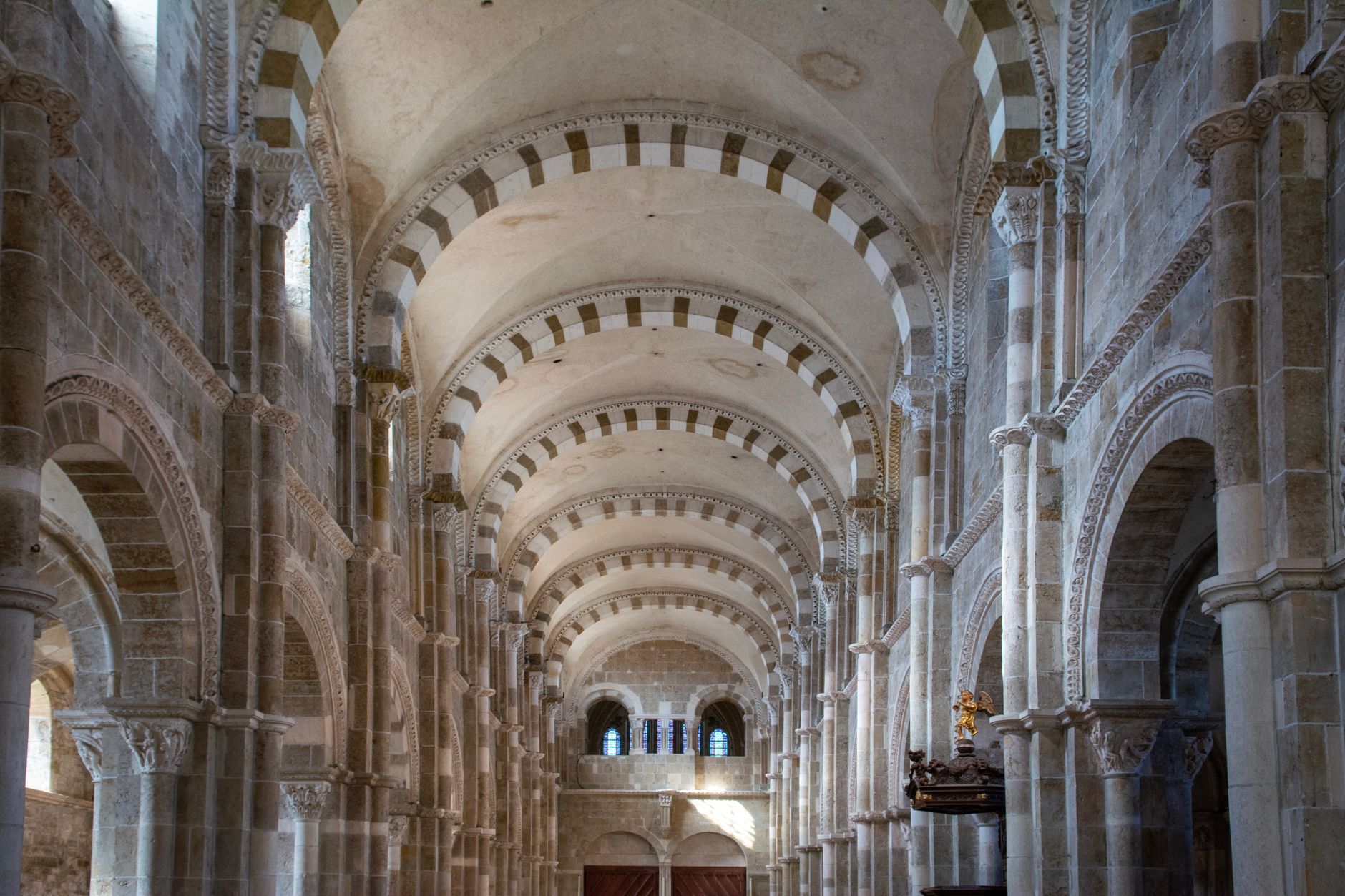
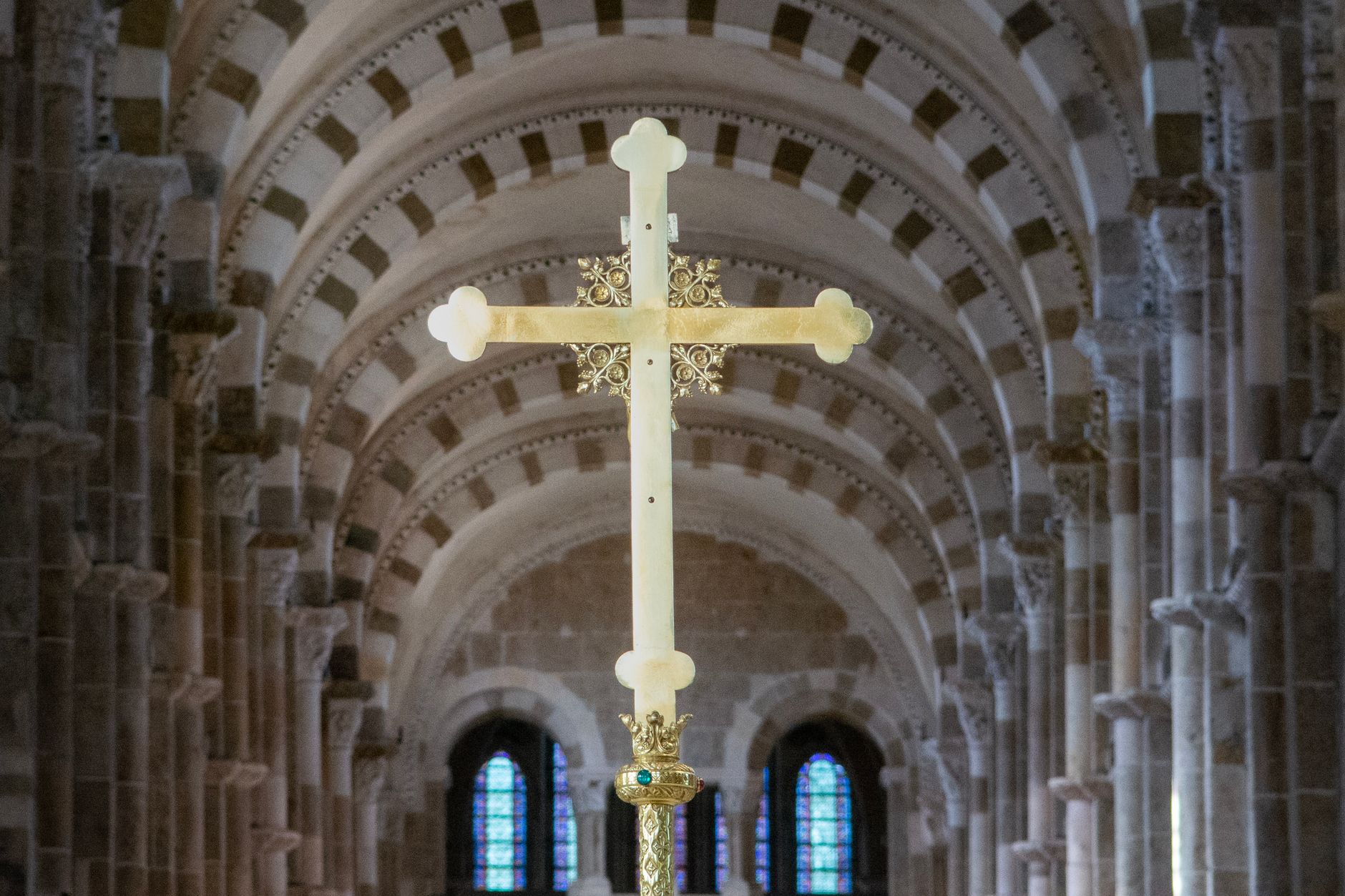
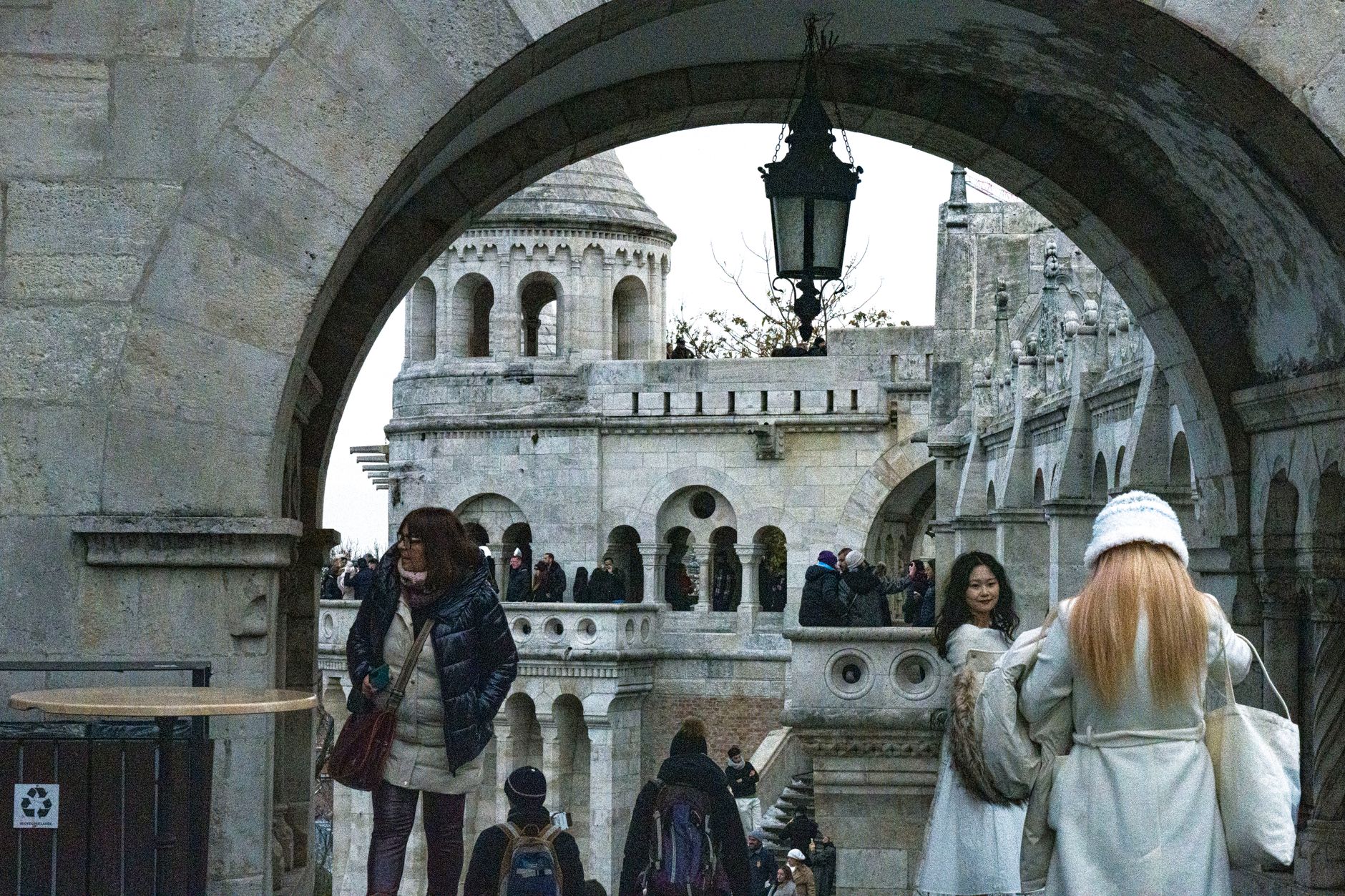
The hill at Vézelay does the work before you even reach the top. You climb the single main street — stone houses pressing close on both sides — and the Basilica of Sainte-Marie-Madeleine appears at the summit the way things appear in dreams: too large, too calm, too old to be accidental. Step inside and your eyes take a moment to adjust to the alternating dark and pale voussoirs of those horseshoe arches, striped like the rings of a tree.
Around the summer solstice, sunlight through the southern clerestory falls in a chain of illuminated spots down the nave floor — a medieval calculation carved in stone and glass. The choir shifts register entirely, from Romanesque weight to early Gothic lift, the two styles meeting mid-building without apology.
💛 What travellers fall for
People who come back tend to time a return visit for late June, when the solstice light trick in the nave actually works on a clear day. They also mention the Musée Zervos — a Picasso, a Calder, a Giacometti, in a small-town room — as the most reliably surprising hour in the whole département. Go on a weekday morning, before the basilica tour groups arrive.
Experiences you don't want to miss


Deals in Vézelay
Book directly at the provider
How Vézelay came to be
A Carolingian count named Girart de Roussillon founded a Benedictine monastery here in 858, but Vézelay's real transformation came in 1037, when Abbot Geoffroy claimed the abbey held the relics of Mary Magdalene. Within two centuries it had grown into the largest Magdalenian sanctuary in Western Europe. Bernard of Clairvaux preached the Second Crusade from this hilltop in 1146; in 1190, Richard the Lion-Hearted and Philip II Augustus assembled here before departing on the Third.
The pilgrimage trade collapsed in 1279 when the Pope declared Magdalene's true relics lay elsewhere, at Saint-Maximin-la-Sainte-Baume. Huguenots sacked the town in 1569. By the nineteenth century the abbey church was near ruin — until Prosper Mérimée registered it as a historic monument in 1840 and handed the restoration to a 26-year-old architect named Eugène Viollet-le-Duc, who spent nearly two decades putting it back together.
Who and what shaped it
People who shaped it
Landmark buildings
See Vézelay in motion
Plan your visit
On the map
When to go
Burgundy summers are warm and reliably sunny — the best window for the solstice light phenomenon and for sitting outside in the village after the day-trippers leave. Spring and early autumn bring cooler, softer light and far smaller crowds; winters are cold and quiet, with the basilica essentially yours.
Right now
Background & history adapted from Wikipedia (CC BY-SA) · specs from Wikidata (CC0) · weather from Open-Meteo · map data © OpenStreetMap contributors · photos from Wikimedia Commons / Unsplash with per-image credit. No third-party reviews or social posts reproduced.