
Vannes
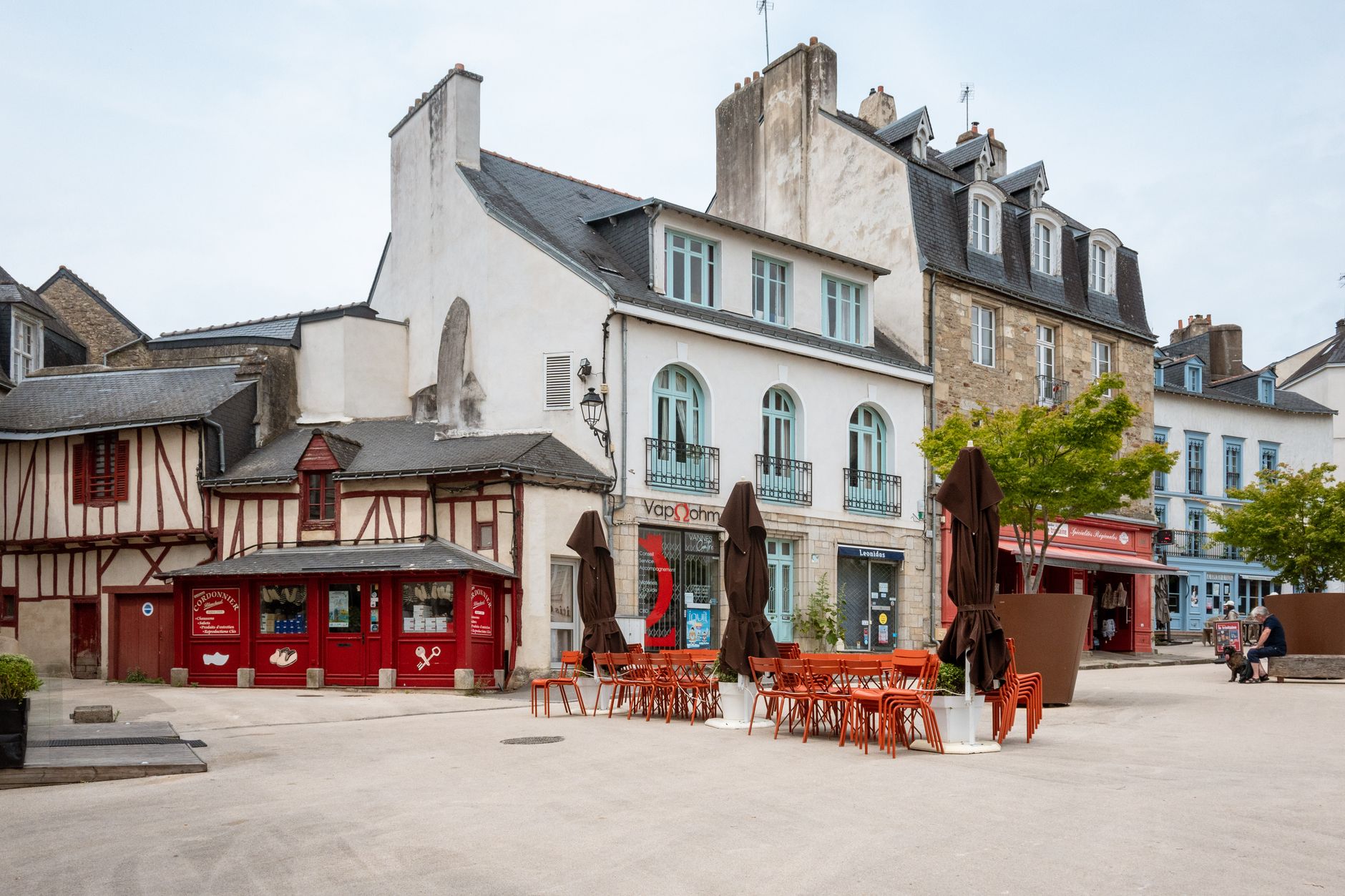
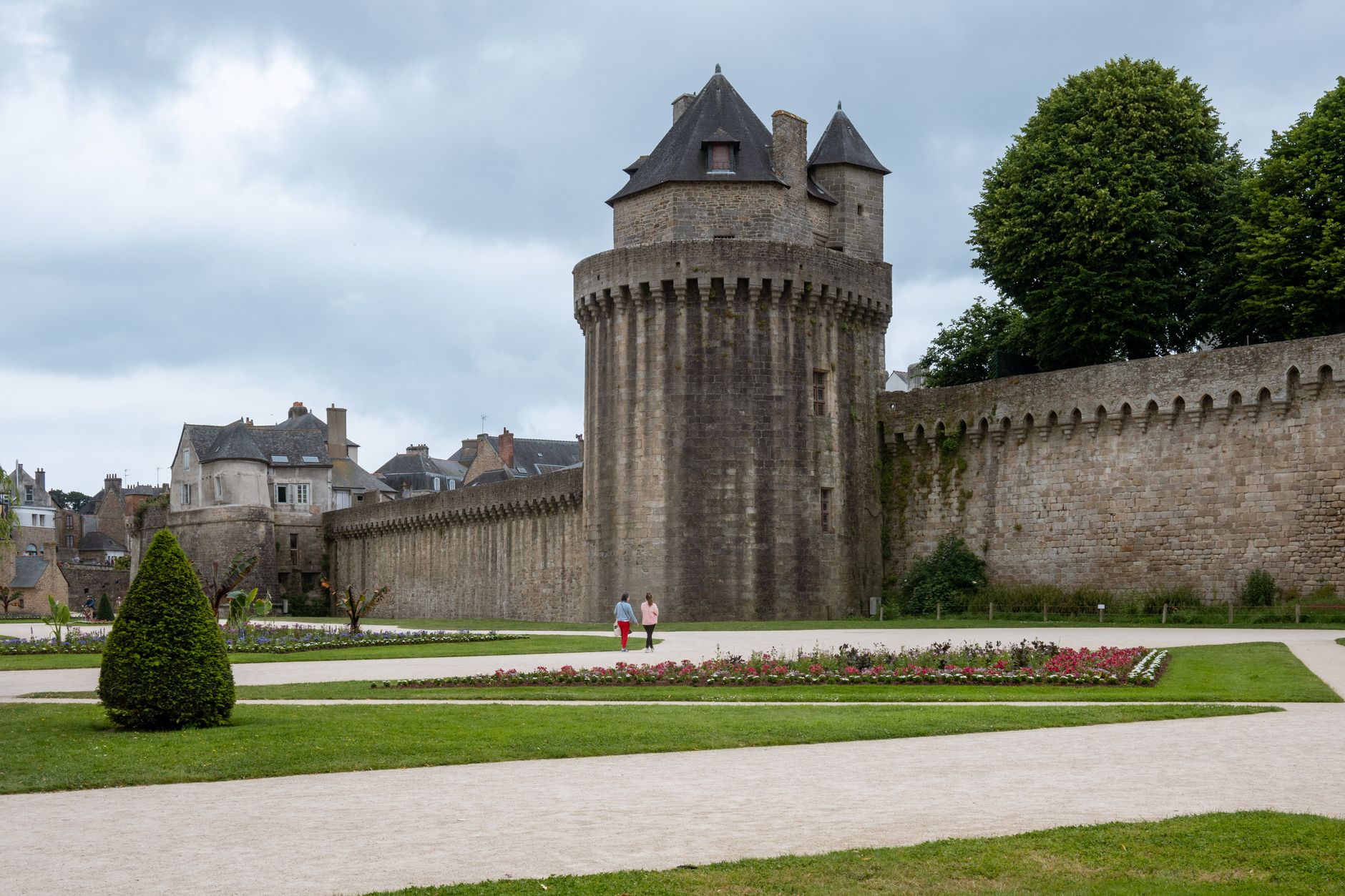
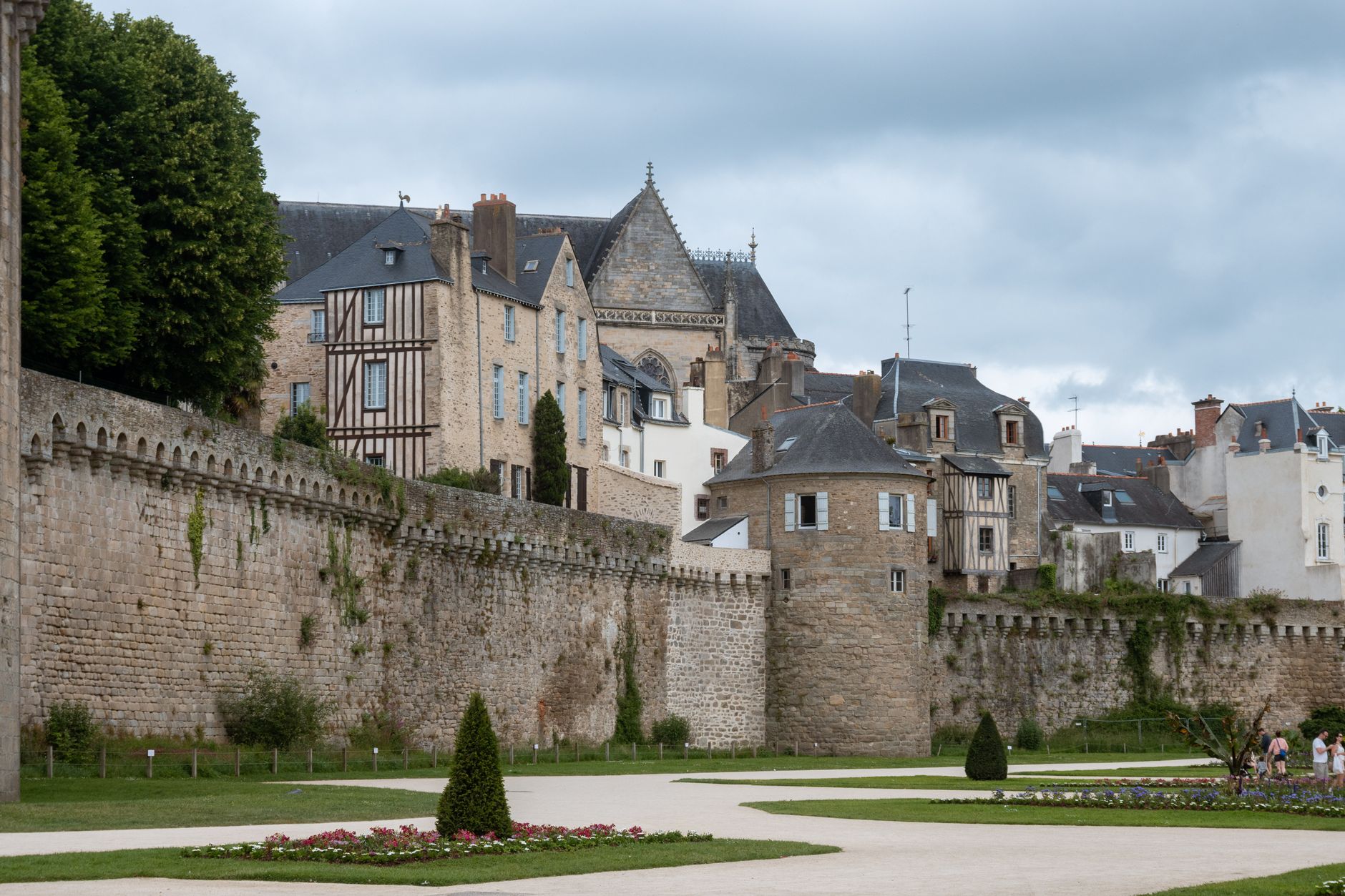
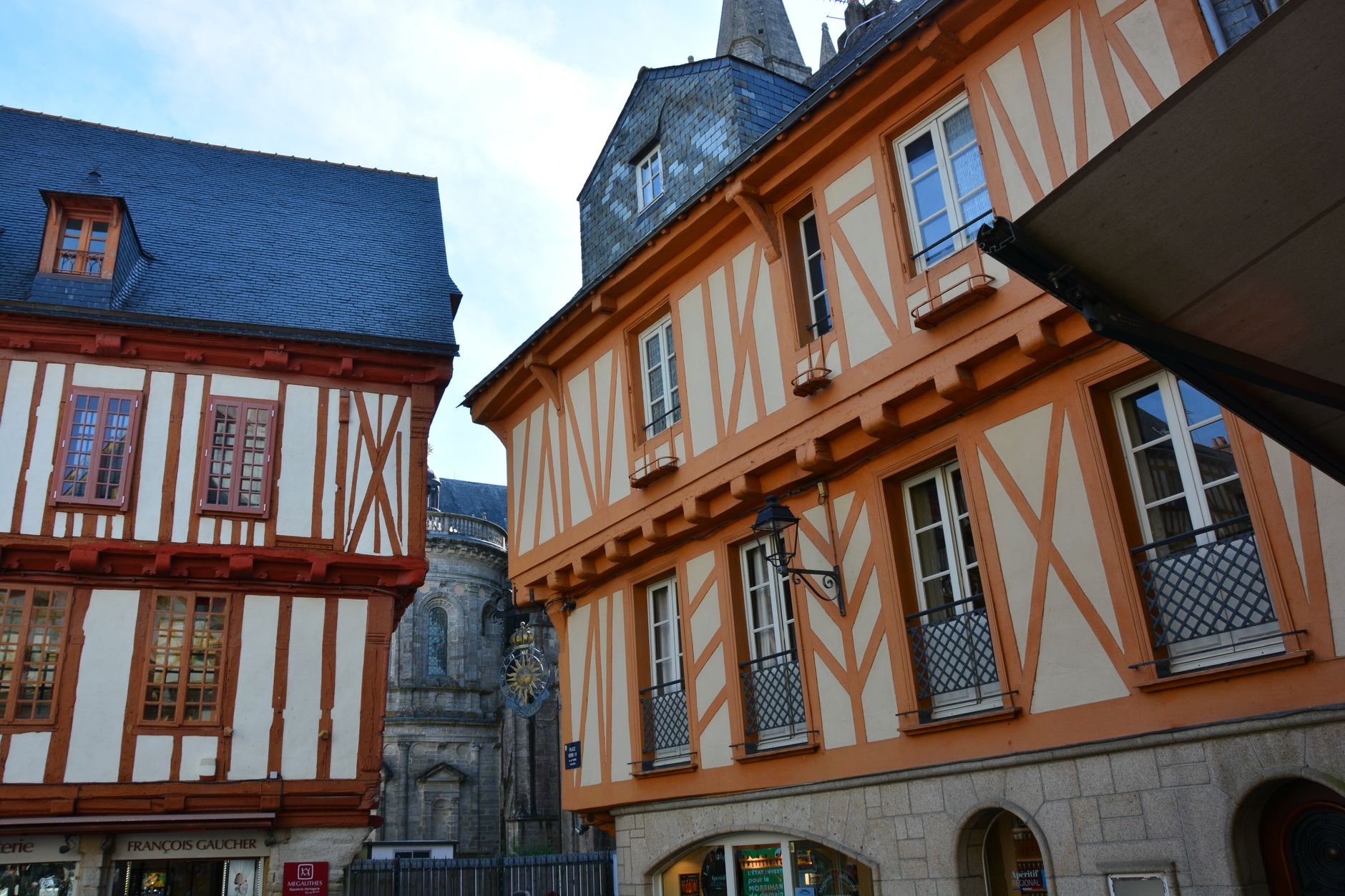
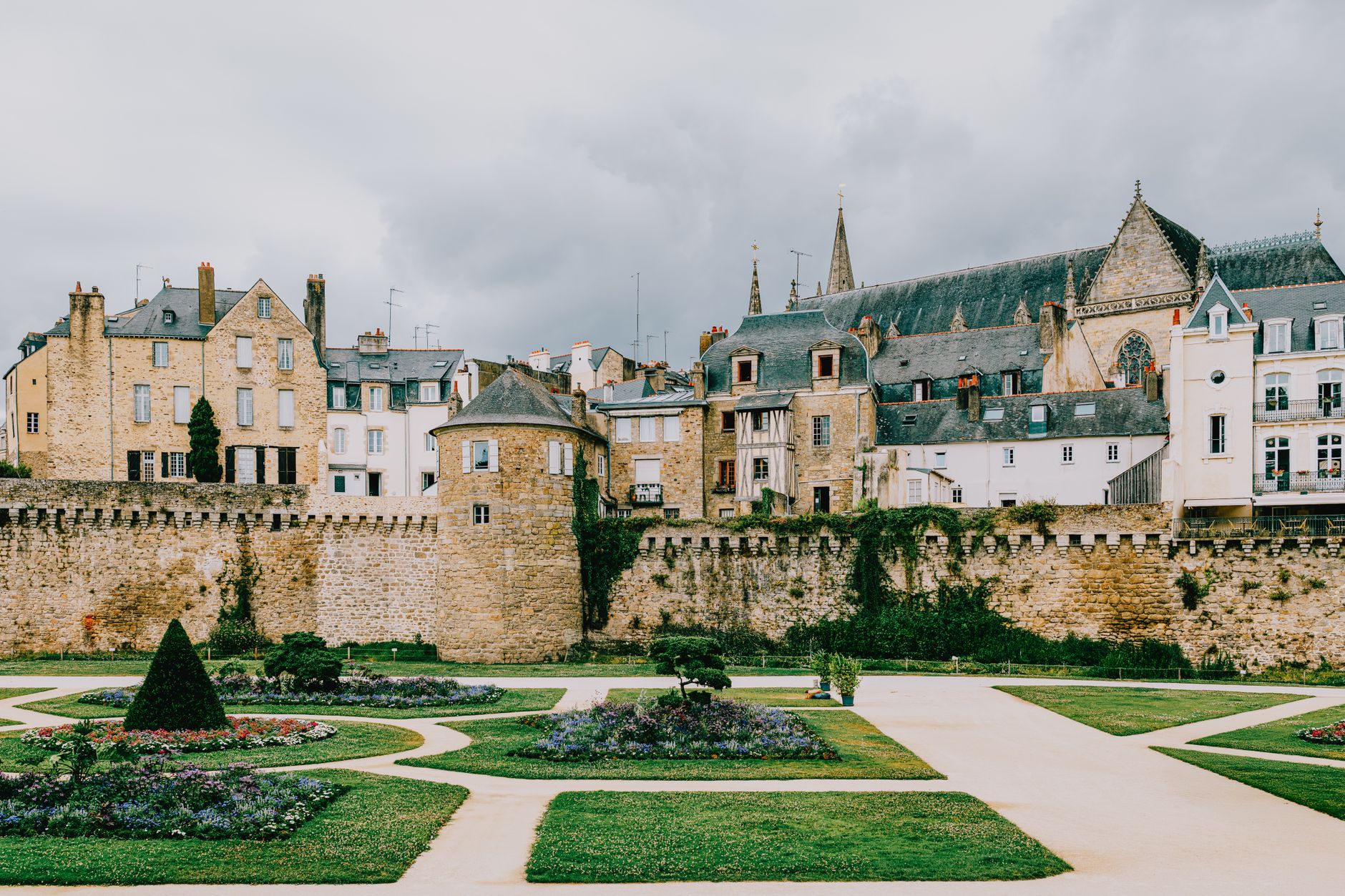
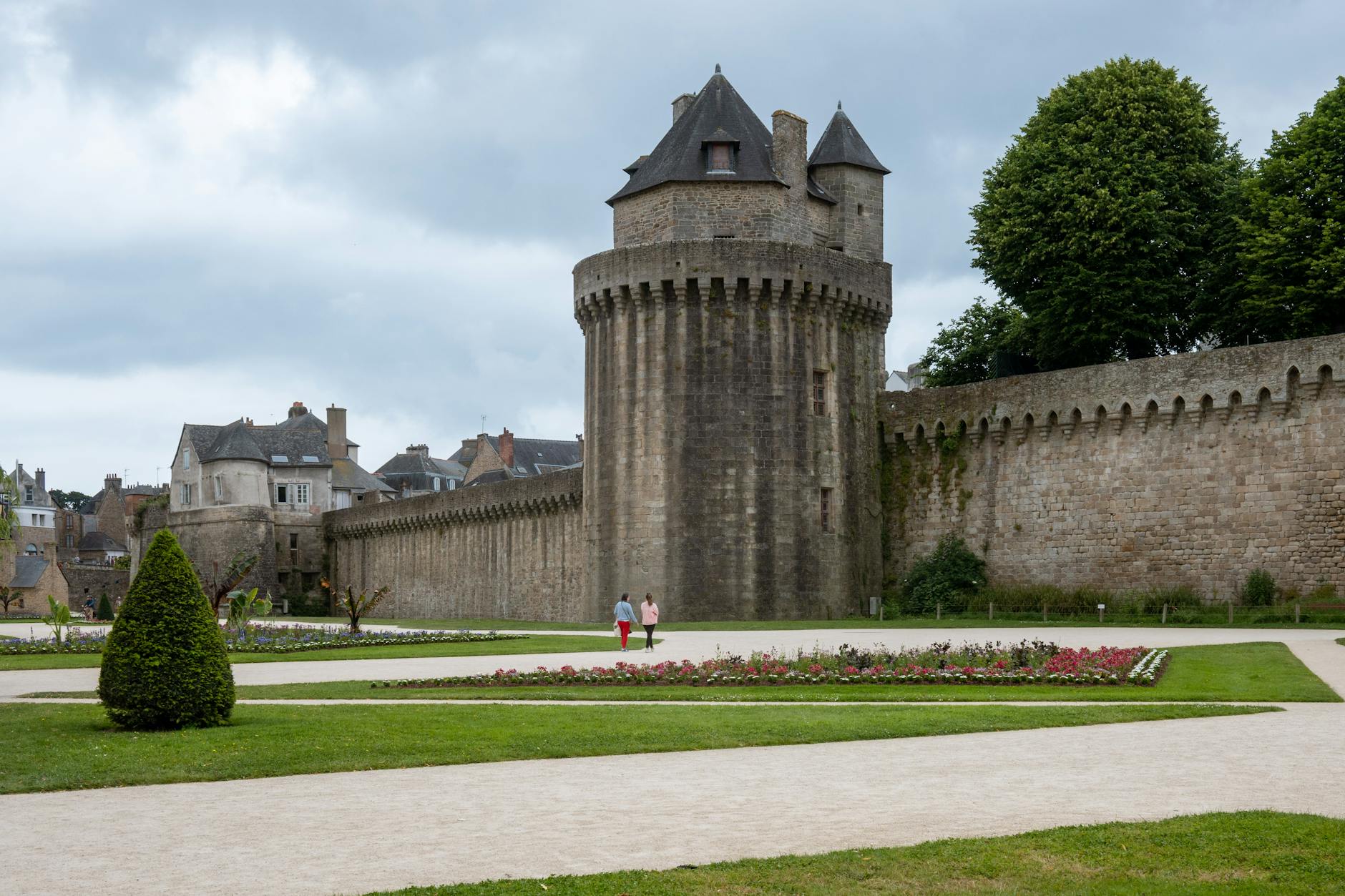
The ramparts of Vannes still stand above the Rohan stream, their stone towers dating back to the 13th century, and the old town behind them is dense with half-timbered houses — around 170 of them, their overhanging upper floors leaning gently over cobbled lanes. This is a place that kept its shape while history moved through it: Celtic, Roman, Breton ducal capital, then French by treaty.
Place Henri IV is the heart of it, ringed by gabled facades from the 1500s. The covered market hall called La Cohue has been standing since the 1200s. The cathedral has been rebuilt so many times it carries five centuries of architectural argument in a single building.
💛 What travellers fall for
People who come back tend to arrive early at La Cohue before the tour groups find it, eat moules-frites somewhere off Place des Lices, and spend a long evening walking the rampart gardens when the light goes low and gold. The carved stone faces of 'Vannes et sa femme' above a half-timbered facade on the market square become a private landmark you look for every time.
Experiences you don't want to miss


Deals in Vannes
Book directly at the provider
How Vannes came to be
The city takes its name from the Veneti, a seafaring Celtic people whose defeat by Julius Caesar's fleet in 56 BC — fought in sight of what is now Locmariaquer — ended their independence with devastating finality. The Romans built a town called Darioritum on Boismoreau hill, and by the 9th century Nominoë, the first ruler of an independent Brittany, had made Vannes his residence and capital.
For two centuries it was the seat of the Duchy of Brittany, and the dukes left their marks: John IV built the Château de l'Hermine and reinforced the ramparts; Duke François II convened the first Breton Parliament here in 1485; and in 1532, François I signed the Union of Brittany and France within the city's walls, folding an independent duchy into the French kingdom for good.
Who and what shaped it
People who shaped it
Landmark buildings
See Vannes in motion
Plan your visit
On the map
When to go
Brittany's Atlantic position keeps temperatures moderate year-round — winters are mild but wet, summers warm rather than hot, with long evenings in June and July. Rain is possible in any season; a layer and a compact umbrella are sensible companions even in August.
Right now
Background & history adapted from Wikipedia (CC BY-SA) · specs from Wikidata (CC0) · weather from Open-Meteo · map data © OpenStreetMap contributors · photos from Wikimedia Commons / Unsplash with per-image credit. No third-party reviews or social posts reproduced.