
Valladolid
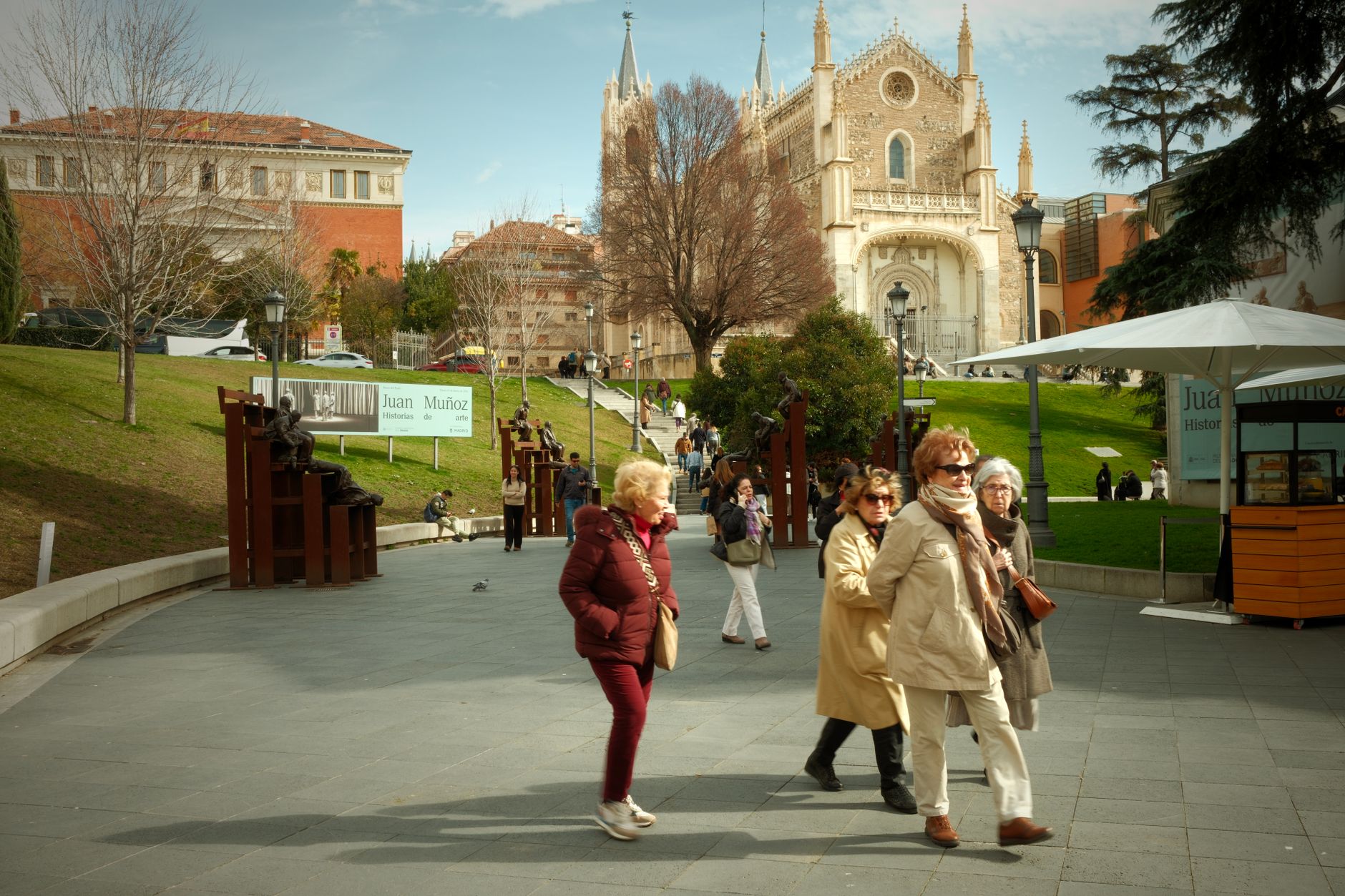
The Plaza Mayor stops you before you've even thought to look at a map. Built in 1562, it was the first regular rectangular arcaded square in Spain — the template that Madrid, Salamanca and dozens of Latin American cities would copy. Valladolid has a habit of coming first: first Renaissance building in Spain, first capital of the Spanish Empire, birthplace of Philip II. It wore that importance for centuries, then quietly let it settle into stone.
Today the city moves at a pace that lets you actually look at things. The sculpture museum in the Colegio de San Gregorio holds some of the finest carved woodwork in Europe, and Columbus died here in 1506, in a city that had already seen everything.
💛 What travellers fall for
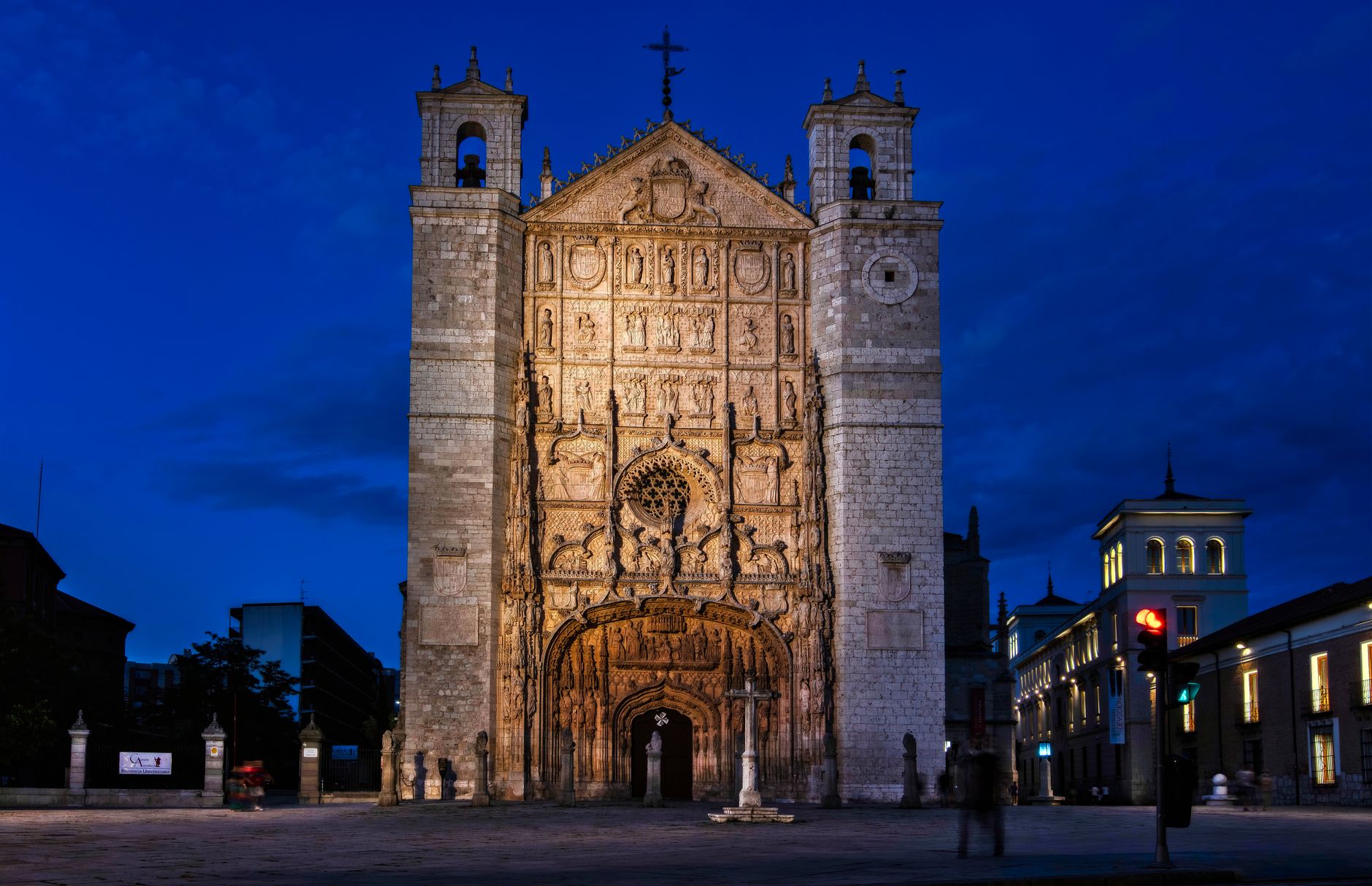
People who return tend to make the National Sculpture Museum a priority on every visit — not a quick pass but a slow hour among the polychrome figures. They also mention that the Iglesia de San Pablo rewards a long look at its facade in morning light, when the Isabelline carvings throw sharp shadows.
Experiences you don't want to miss


Deals in Valladolid
Book directly at the provider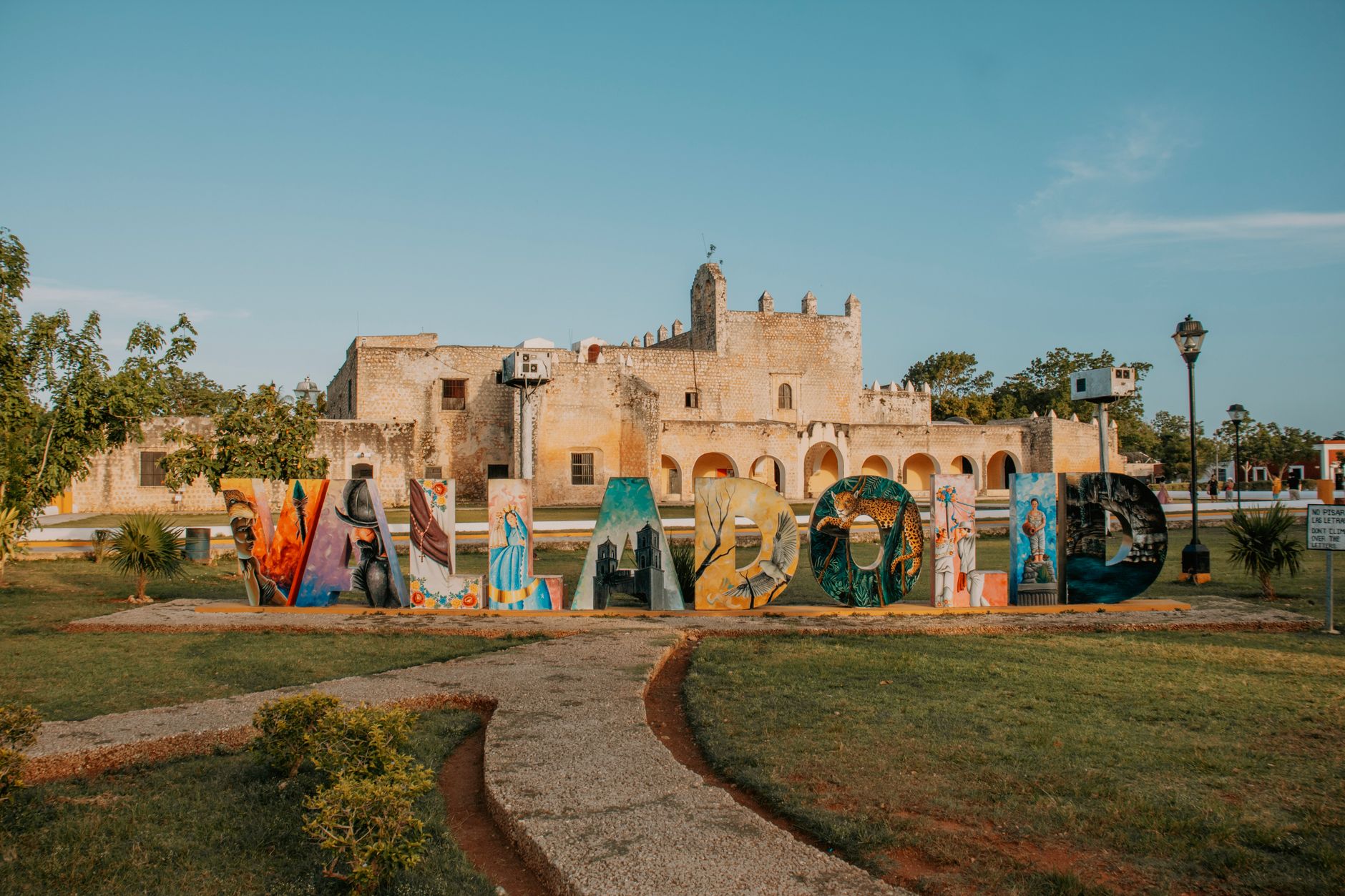
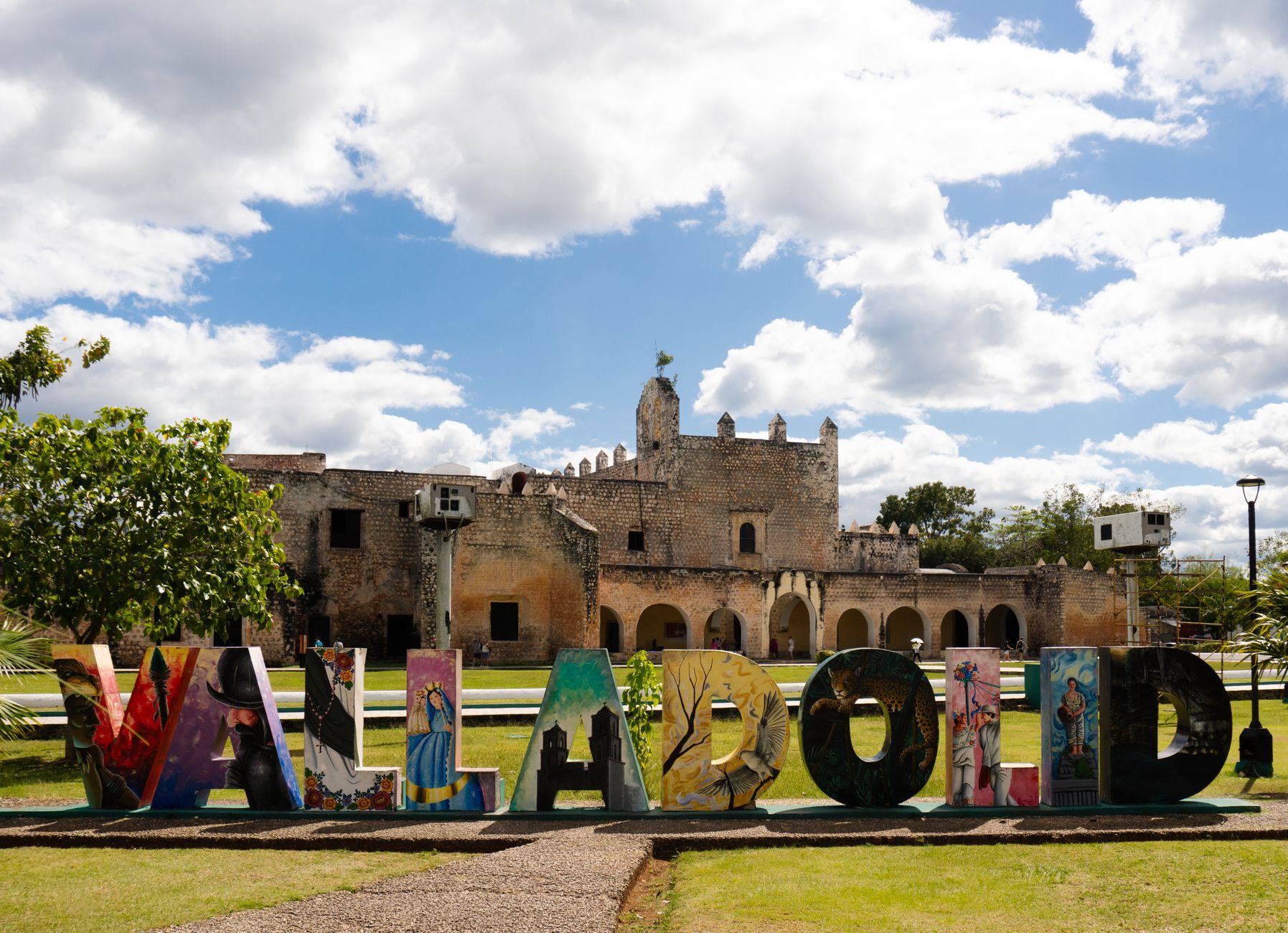
How Valladolid came to be
Count Pedro Ansúrez founded Valladolid in 1072, building its first churches, palaces and a hospital on behalf of King Alfonso VI. The city grew steadily, and by the late 15th century it had become one of the most powerful places in Castile. Christopher Columbus died here in 1506. Miguel de Cervantes was living on what is now a museum street when Don Quixote was published in 1605.
A catastrophic fire in 1561 destroyed much of the old city. Philip II — born here in 1527 in the Palacio de Pimentel — commissioned a rebuild, and the Plaza Mayor that emerged became the model for public squares across Spain and the Americas. The city briefly reclaimed its role as imperial capital from 1601 to 1606, then ceded it back to Madrid for good.
Who and what shaped it
People who shaped it
Landmark buildings
See Valladolid in motion
Plan your visit
On the map
When to go
Winters are cold and dry, with January averages around 4°C; summers run hot and sunny, reaching the mid-to-high 20s, though evenings cool down noticeably. May, June and September give you warmth without the full weight of July and August.
Right now
Background & history adapted from Wikipedia (CC BY-SA) · specs from Wikidata (CC0) · weather from Open-Meteo · map data © OpenStreetMap contributors · photos from Wikimedia Commons / Unsplash with per-image credit. No third-party reviews or social posts reproduced.