
Valence
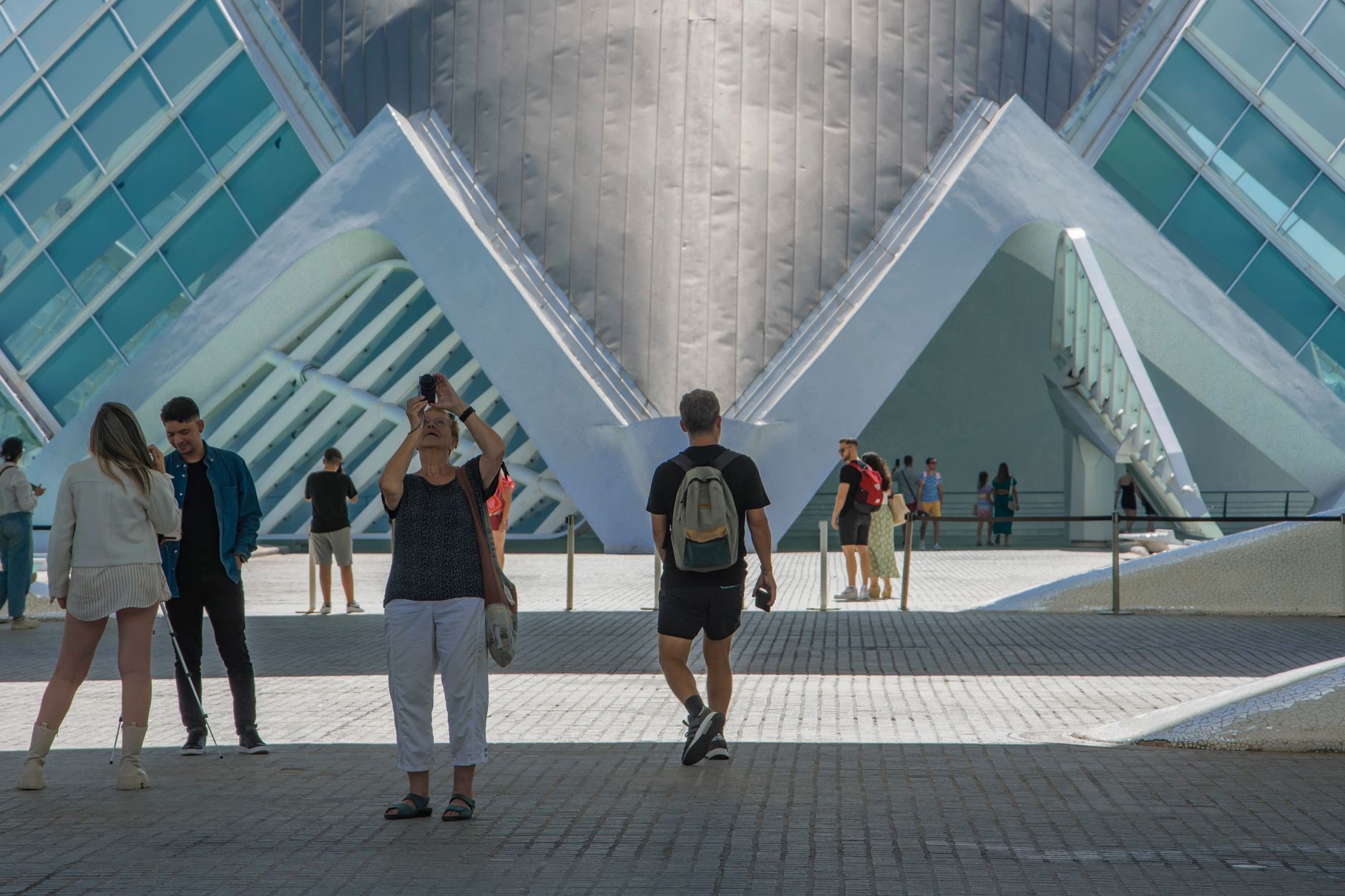
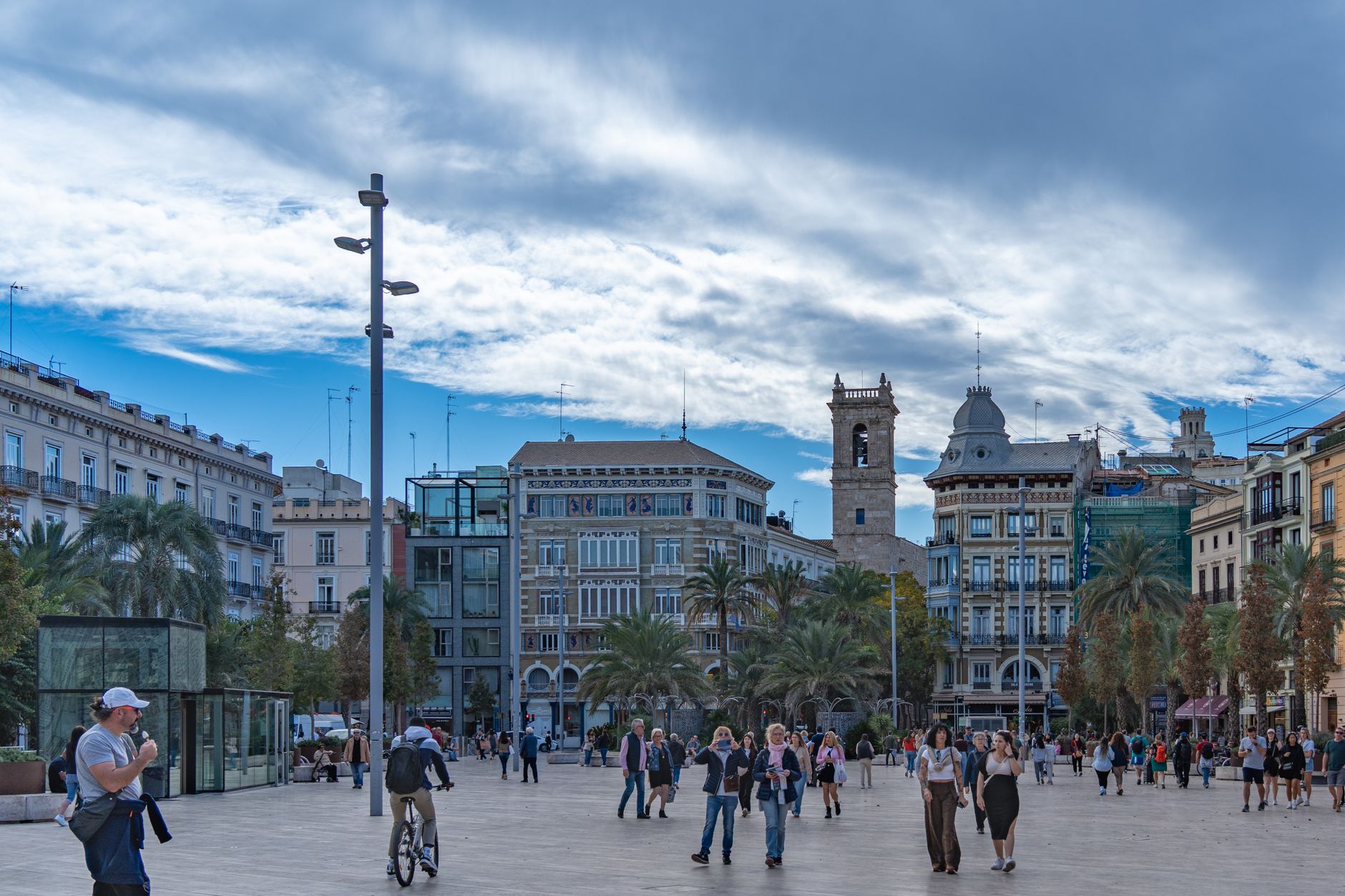
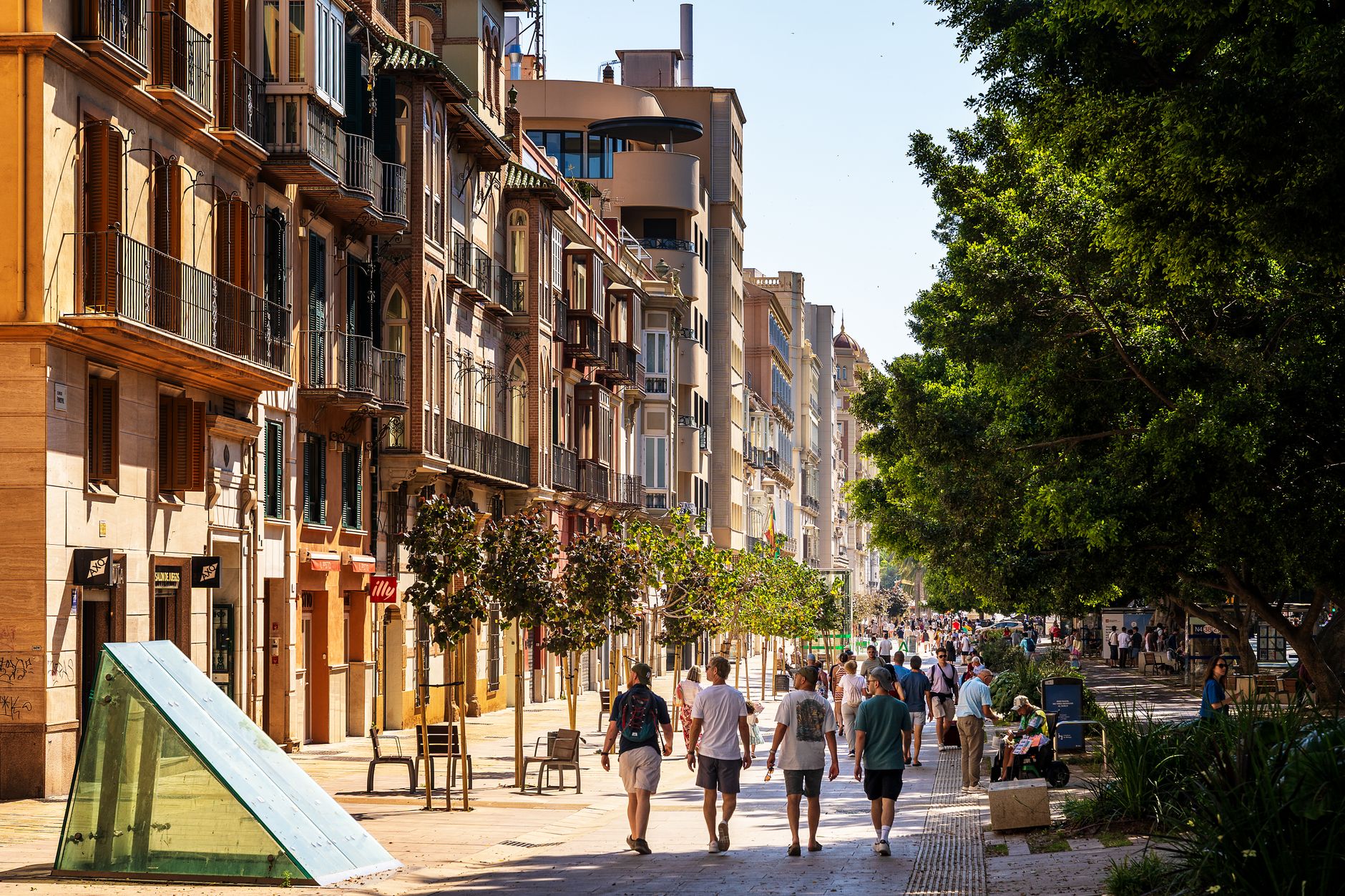
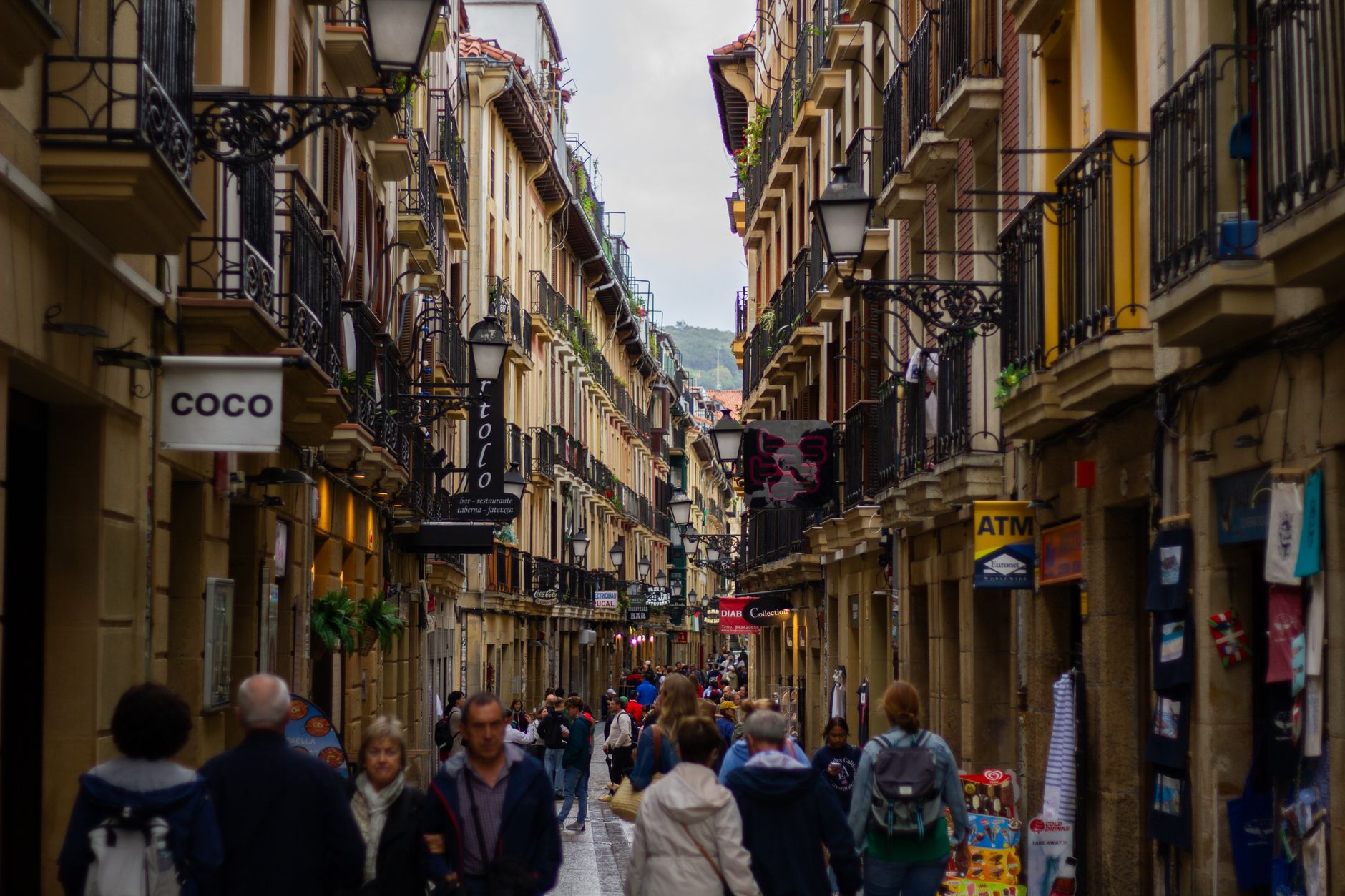
Valence sits on the left bank of the Rhône at the point where the south of France starts to feel like itself — the light shifts, the plane trees thicken, and the air carries something warmer. The city is old in the way that accumulates quietly: a Roman colony turned bishopric turned university town, with a Renaissance façade on one street and a pair of 1960s helical water towers on the next.
What holds it together is a certain unhurried seriousness. This is a place where a young Napoleon read himself into history in rented rooms, where Anne-Sophie Pic runs the three-Michelin-star kitchen her family built, and where the tomb of a pope sits inside a cathedral that had to be rebuilt after the Wars of Religion. Valence earns its weight.
💛 What travellers fall for
People who come back tend to mention the same few things: breakfast near Maison Pic even if you're not eating there, a long loop through Parc Jouvet where some of the trees are formally listed as remarkable specimens, and the Pendentif — the 1548 funerary monument in the cathedral cloister that most visitors walk straight past.
Experiences you don't want to miss


Deals in Valence
Book directly at the provider

How Valence came to be
Founded in 121 BC as the Roman colony Valentia — the name means strong or valiant — the city had become a bishopric by the 4th century. The medieval golden age arrived in the late 15th and early 16th centuries: the University of Valence was founded in 1452 by the future Louis XI, and the Maison des Têtes was completed in 1532. Jacques Cujas and François Rabelais both taught law here, giving the university a reputation that reached across France.
Valence also absorbed waves of displacement. It became a Protestant stronghold in the 1560s, then lost much of its population and commerce when the Edict of Nantes was revoked in 1685. After the Armenian genocide of 1915, local employers began recruiting survivors; by 1931 more than 1,600 Armenians had settled here, a community whose history is now preserved in the Armenian Heritage Centre in the former Faculty of Law.
Who and what shaped it
People who shaped it
Landmark buildings
See Valence in motion
Plan your visit
On the map
When to go
Summers are warm and reliably sunny, with the Rhône Valley channelling heat from the south. Spring and September offer comfortable temperatures without the peak-season crowds; winters are mild by French standards but can turn grey and damp for stretches.
Right now
Background & history adapted from Wikipedia (CC BY-SA) · specs from Wikidata (CC0) · weather from Open-Meteo · map data © OpenStreetMap contributors · photos from Wikimedia Commons / Unsplash with per-image credit. No third-party reviews or social posts reproduced.