
Ushuaia
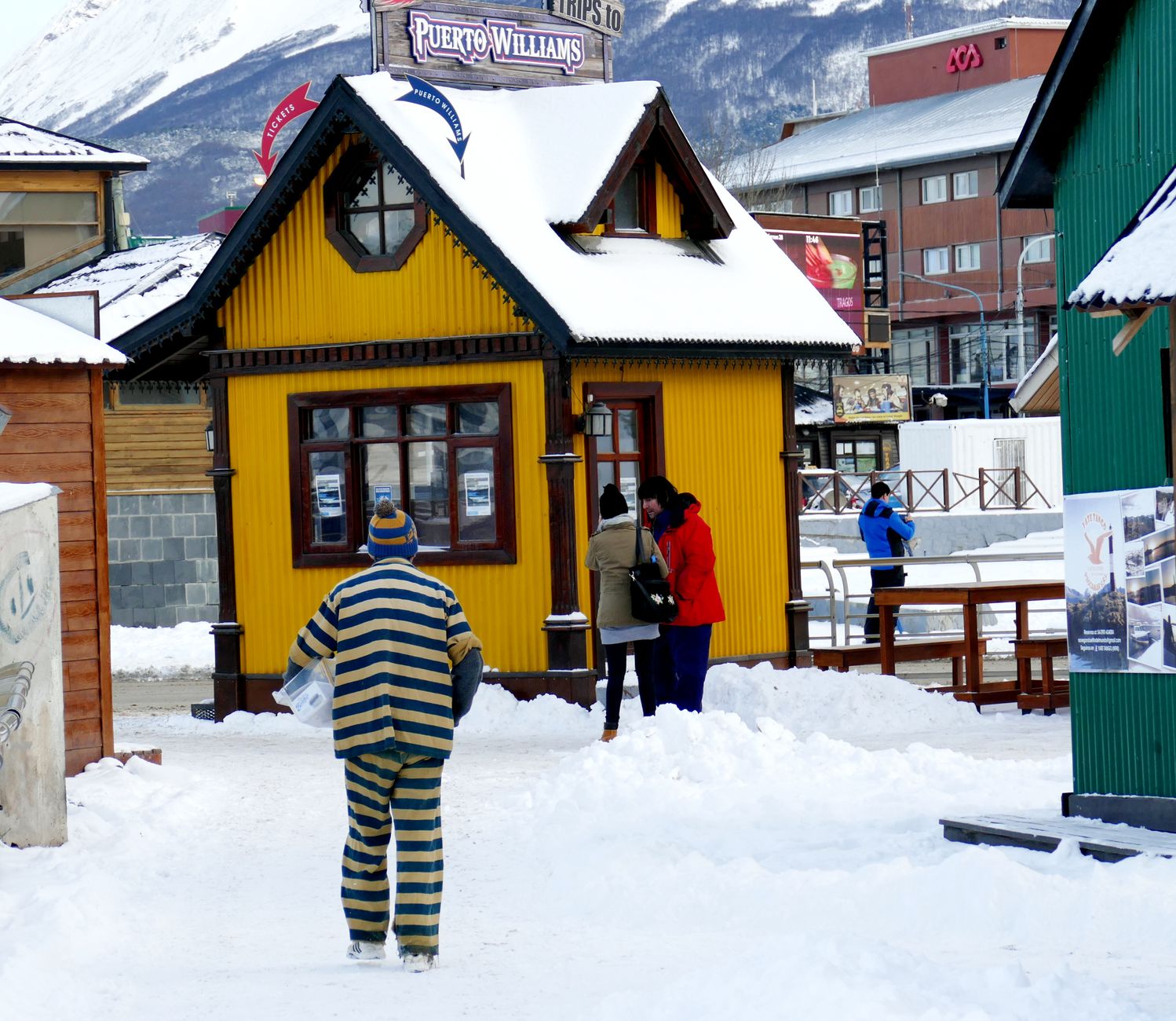
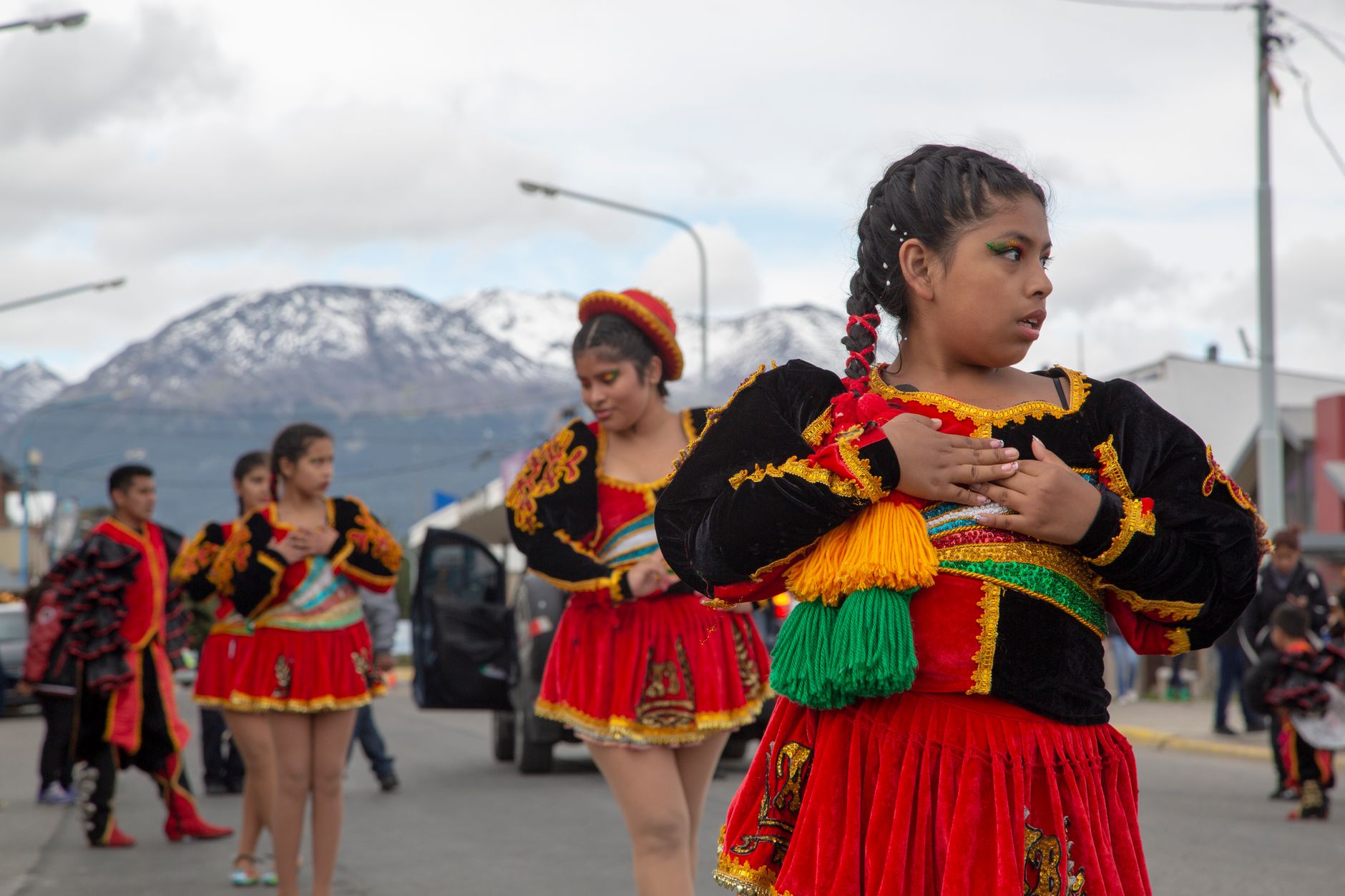
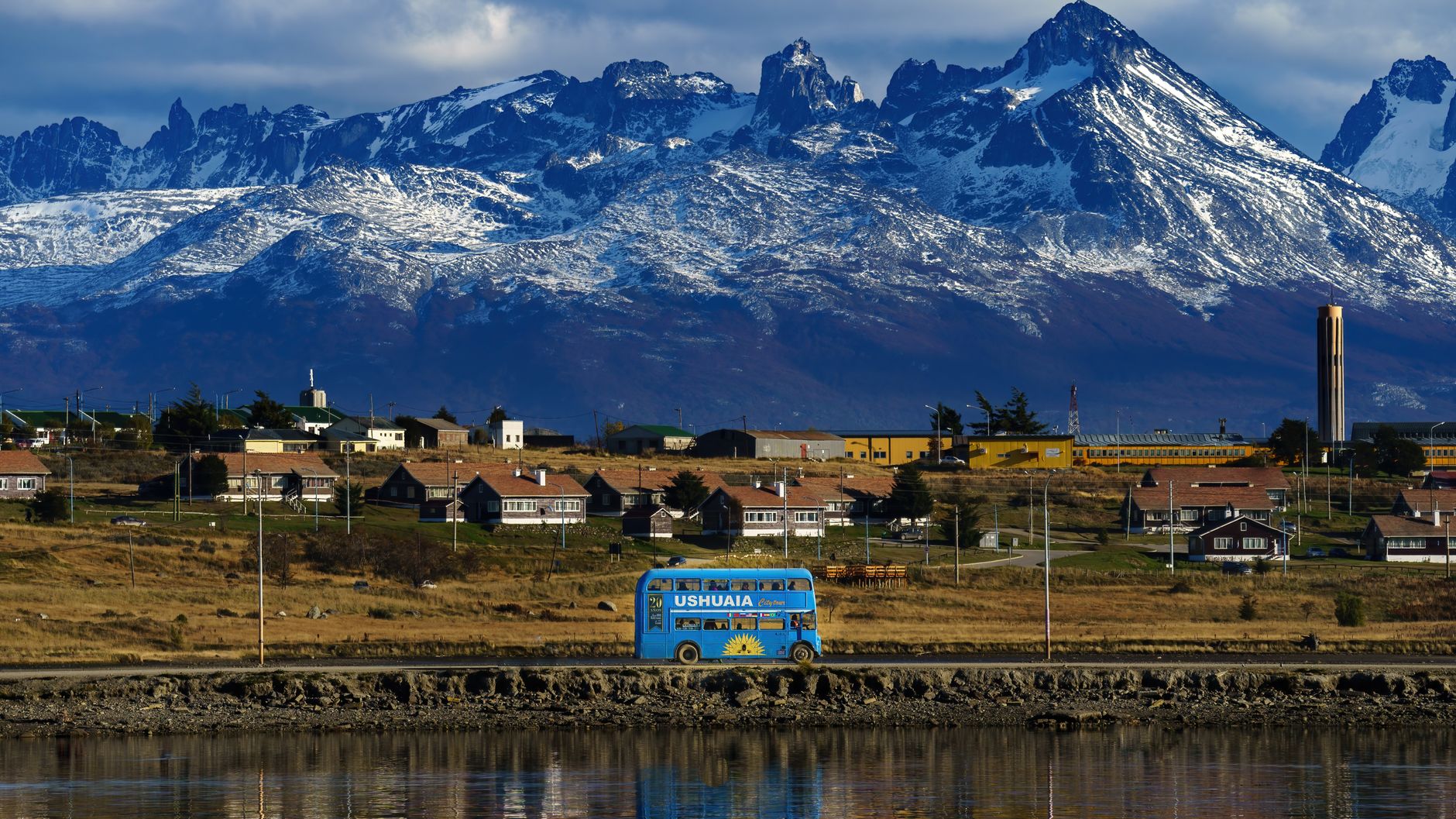
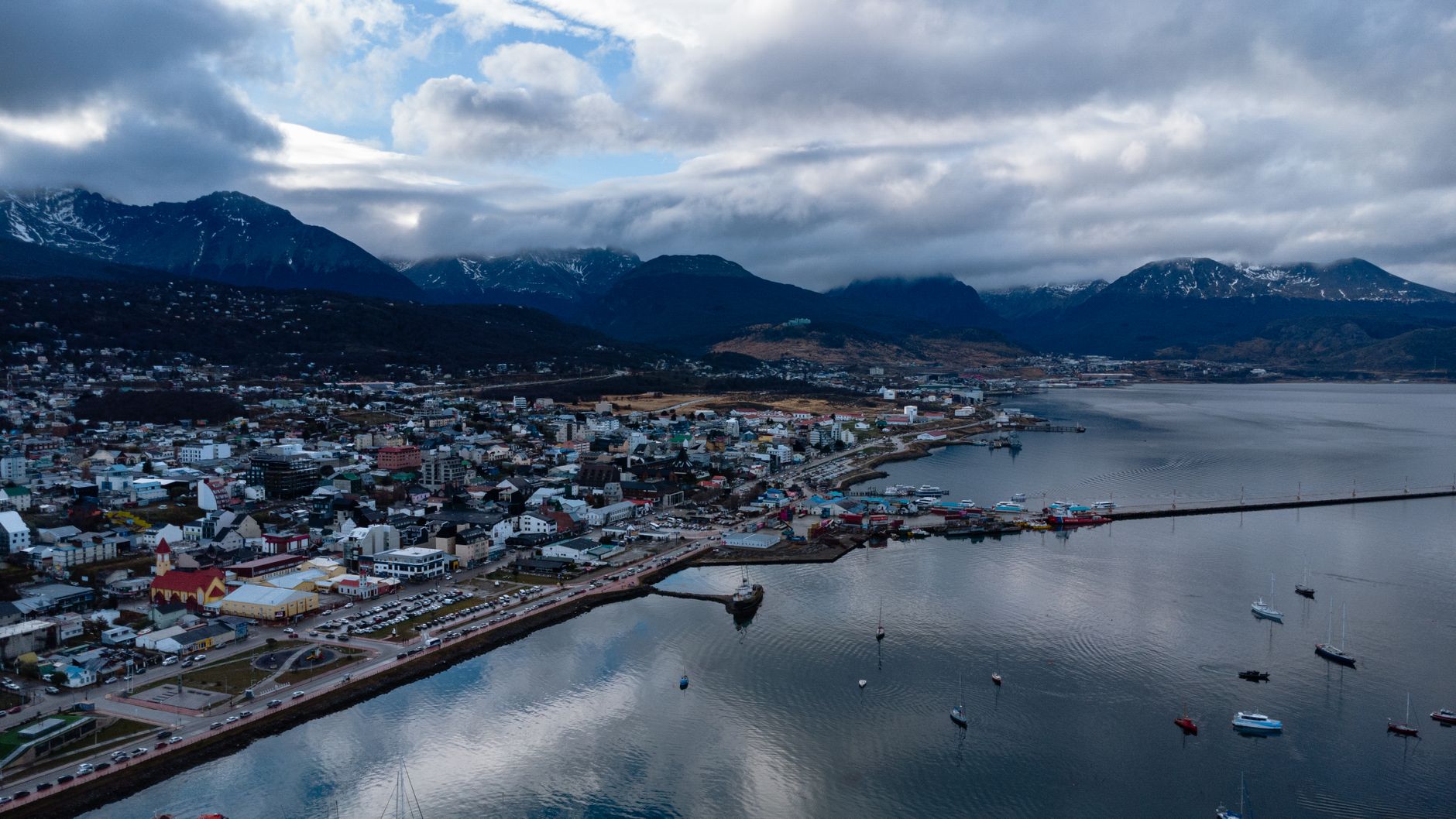
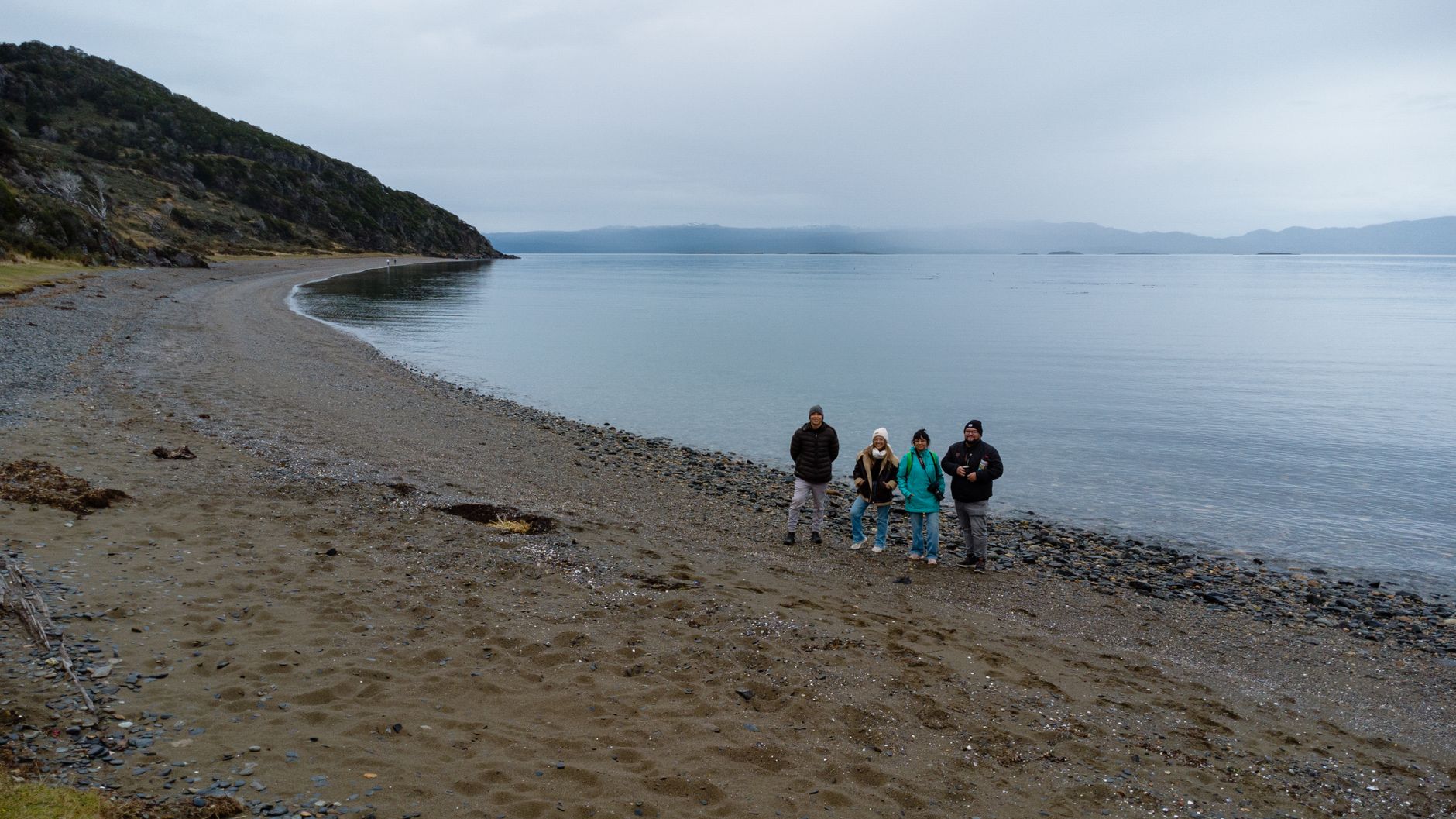
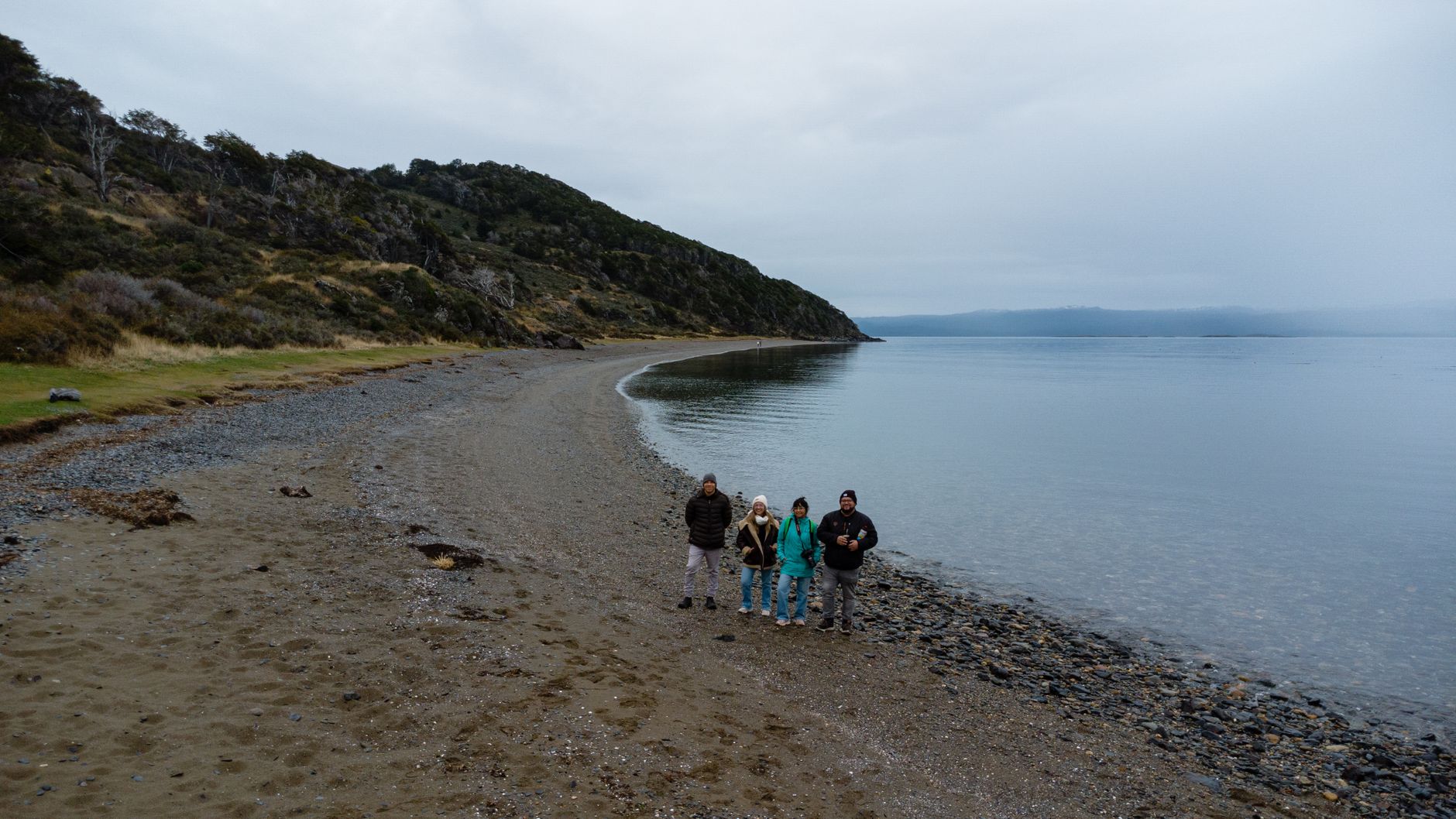
The sign on the waterfront promenade says 'End of the World' and, standing there with the Beagle Channel stretching south toward Antarctica, you understand it isn't hyperbole. Ushuaia sits at the foot of the Martial Range on Tierra del Fuego, the last city of any size before the continent simply runs out.
It is a place that earned its strangeness honestly — through missionaries, prisoners, naval expeditions, and the kind of weather that makes you take the mountains seriously. The harbour where the ARA General Belgrano once anchored still faces south, and the narrow streets climb steeply from the water into forests that lean hard in the Patagonian wind.
💛 What travellers fall for
People who come back tend to mention the same things: take the Tren del Fin del Mundo not for the history lesson but for the slow, tree-level view of the valley; spend at least an hour inside the Maritime Museum reading the prisoner records; and eat centolla — king crab — wherever the chalkboard says it's fresh.
Deals in Ushuaia
Book directly at the provider

How Ushuaia came to be
British missionaries arrived before the Argentine state did. Thomas Bridges, an Anglican linguist, established a permanent mission in Ushuaia in 1869 and spent decades compiling a dictionary of the Yamana language — the most rigorous record of that culture to survive. It wasn't until 12 October 1884 that Commodore Augusto Lasserre sailed into the bay, raised the Argentine flag, and made the founding official.
The government's solution for controlling this remote territory was a prison. The first inmates arrived in 1896; construction of the National Prison began in 1902; a narrow-gauge railway — the Tren del Fin del Mundo — was built in 1910 so prisoners could haul timber from the forest. The prison closed in 1947, and the building reopened in 1994 as the Maritime Museum. Lucas Bridges, son of Thomas, grew up among the Yamana and Selk'nam peoples and later wrote 'Uttermost Part of the Earth,' still the most vivid account of what this place once was.
Who and what shaped it
People who shaped it
Landmark buildings
See Ushuaia in motion
Plan your visit
On the map
When to go
Summer (December to February) brings long daylight hours and temperatures that occasionally reach 15°C, though wind and rain can arrive without warning at any time of year. Winter is cold and dark but draws visitors for snow-dusted scenery and the novelty of skiing at the world's southernmost resort; pack layers regardless of the season.
Right now
Background & history adapted from Wikipedia (CC BY-SA) · specs from Wikidata (CC0) · weather from Open-Meteo · map data © OpenStreetMap contributors · photos from Wikimedia Commons / Unsplash with per-image credit. No third-party reviews or social posts reproduced.