
Upper West Side
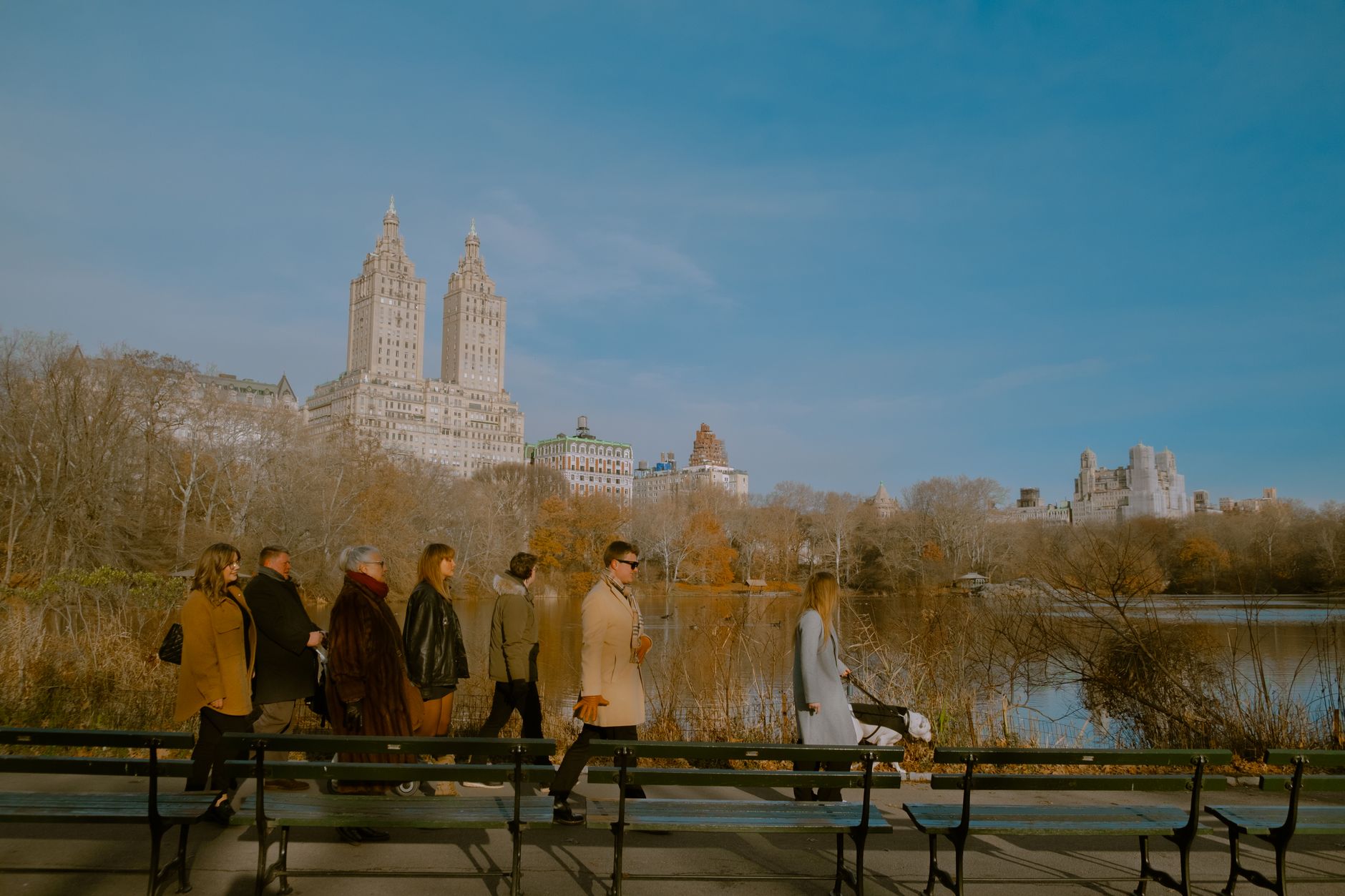
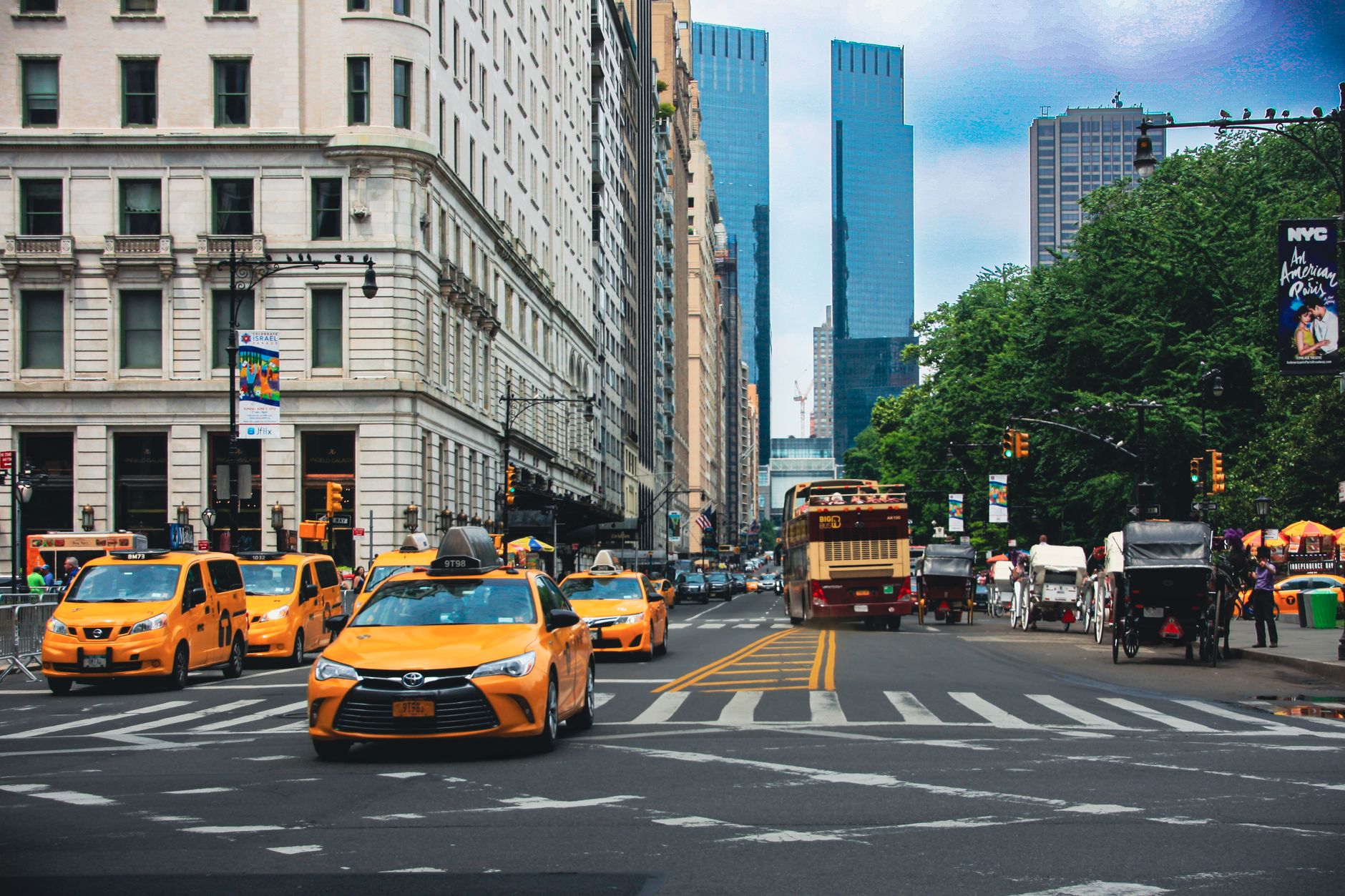
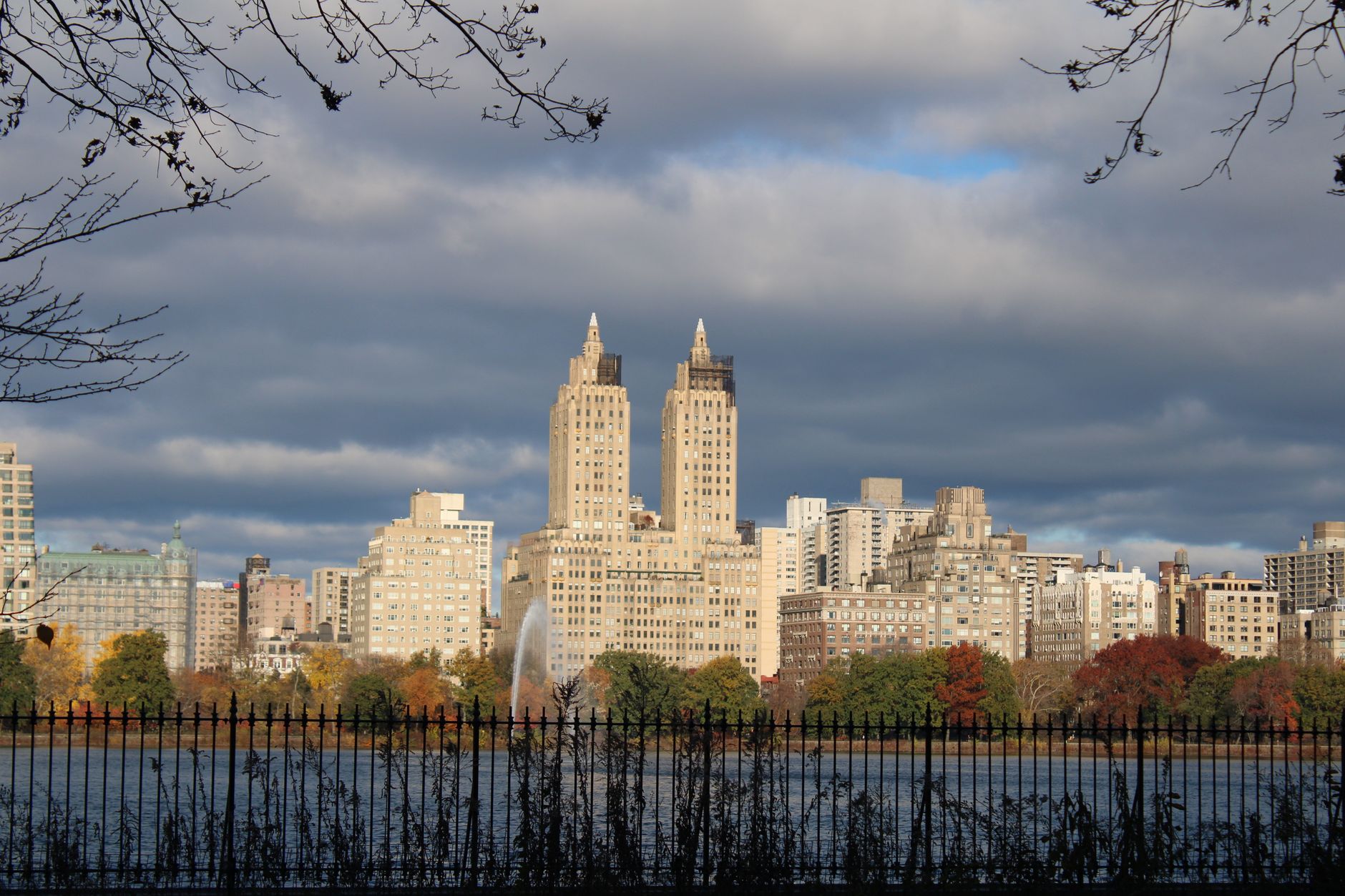
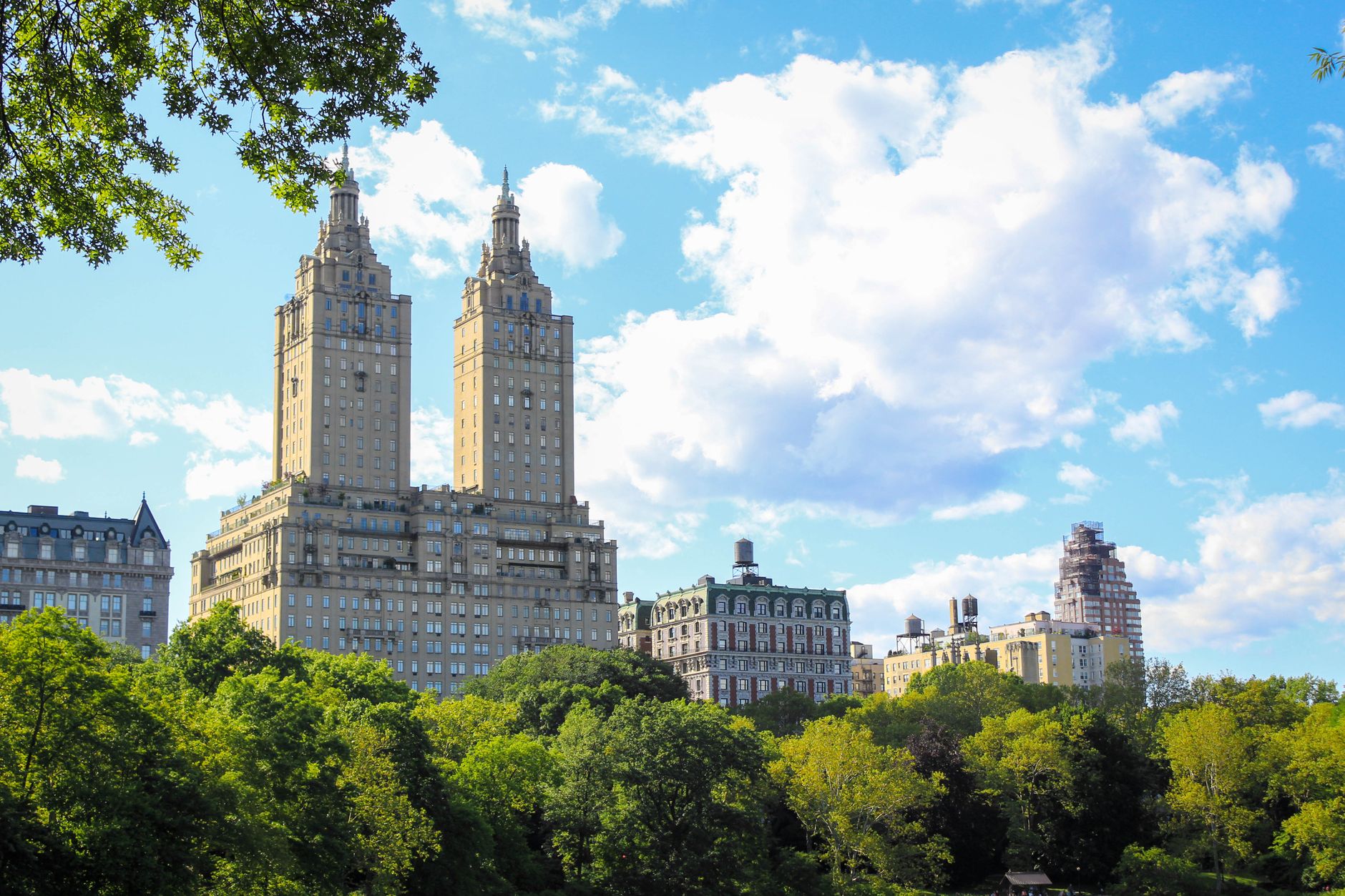
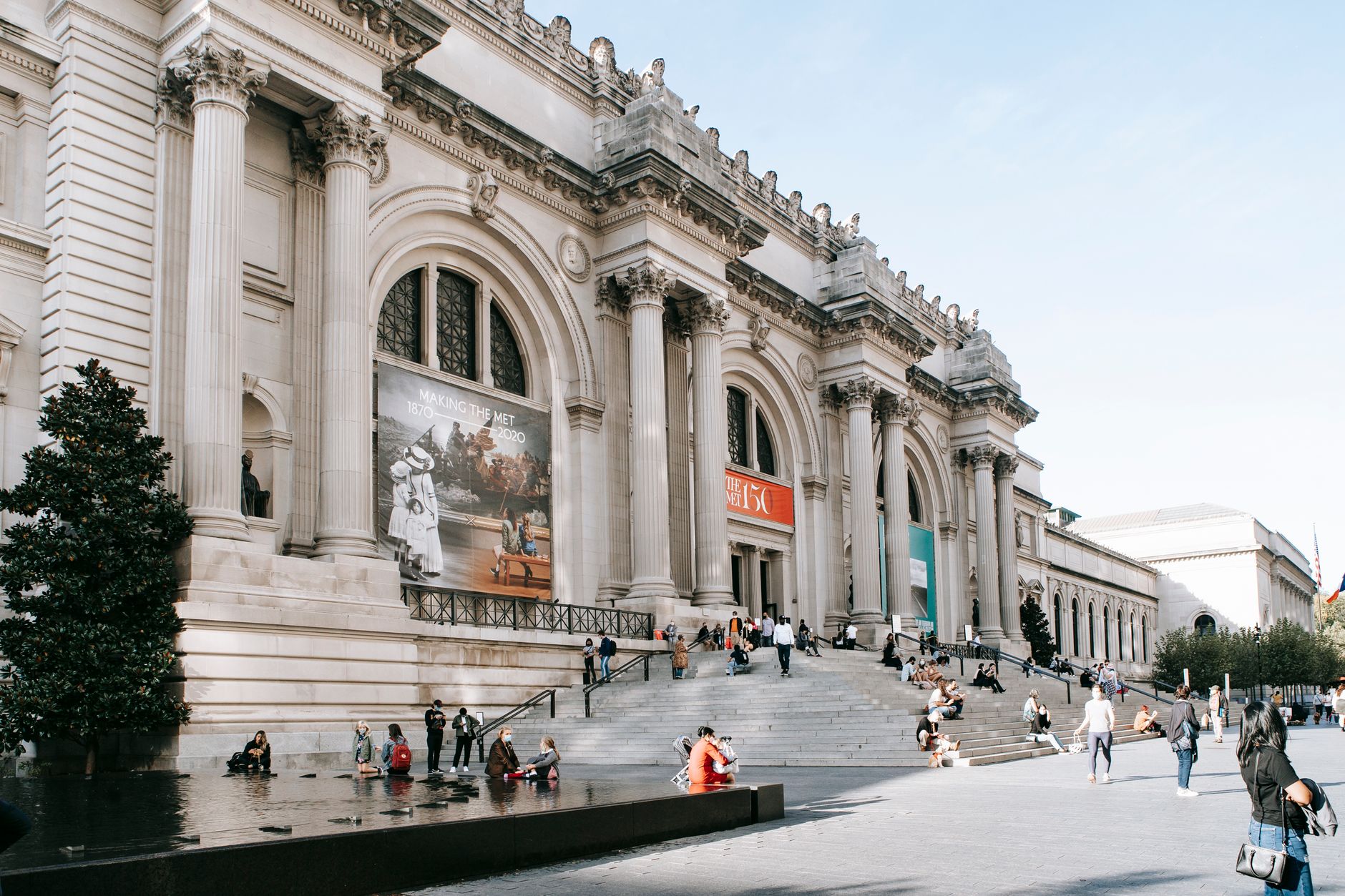
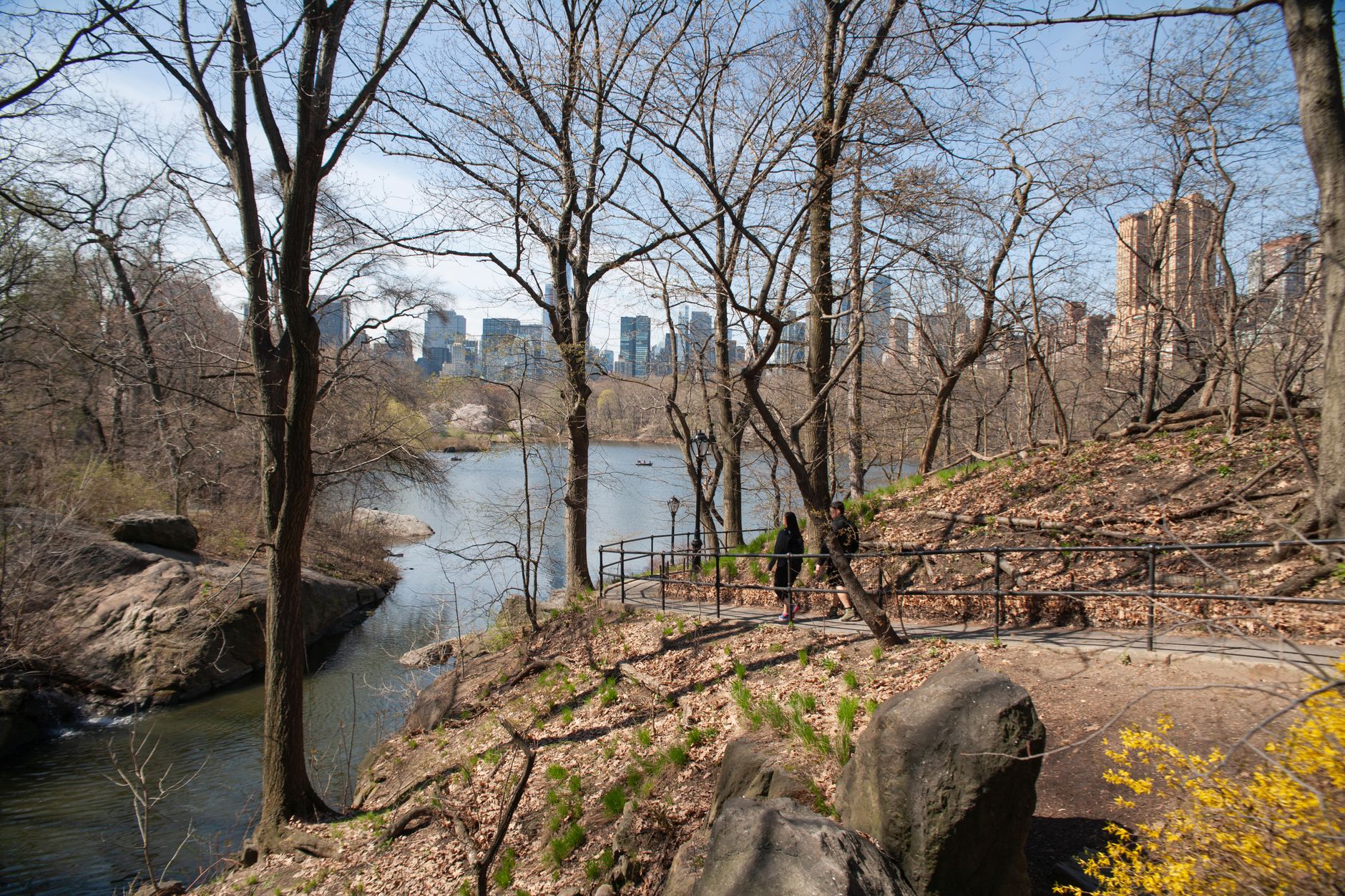
Broadway here still follows the old Bloomingdale Road, a colonial-era track that preceded the grid and gives the Upper West Side its slight diagonal restlessness. Between Central Park's western edge and the Hudson River, roughly 59th to 110th Street, the neighbourhood stacks limestone apartment towers above delis, independent bookshops, and one of the great natural history museums in the world.
This is a residential place first. The Dakota's steep Germanic roofline anchors one end of Central Park West; the San Remo's twin Art Deco crowns punctuate the middle. People live here, walk their dogs here, argue at the farmers' market. That domesticity is precisely what makes it worth a slow afternoon.
💛 What travellers fall for
Regulars tend to start at Zabar's on 80th and Broadway — not to buy anything in particular, just to orient. From there, the rhythm becomes clear: coffee, a lap around the Dakota block, then south along Central Park West to read the buildings properly. The Ansonia's rounded towers on 73rd stop you whether you mean them to or not.
Deals in Upper West Side
Book directly at the provider

How Upper West Side came to be
Dutch settlers pushed into this land in the early seventeenth century, though raids by the Munsee people halted northward expansion through the 1650s. By the early 1700s the area, then called Bloomingdale, was growing tobacco, and in 1703 Bloomingdale Road was cut through — the same diagonal that became Broadway.
The neighbourhood's character as New York knows it today was largely built in a single generation. A construction boom ran from 1885 to 1910, accelerated by the 1904 opening of the city's first subway line, which planted stations at intervals from 59th to 125th Street. Columbia University's move to Morningside Heights in the 1890s added institutional weight. Development then stalled for nearly fifty years, from the early 1930s through the early 1980s, before gentrification took hold and has continued since.
Who and what shaped it
People who shaped it
Landmark buildings
See Upper West Side in motion
Plan your visit
On the map
When to go
Summers are hot and humid, with Central Park offering genuine relief under its canopy. Spring and autumn are the most comfortable seasons for walking the avenues; winters are cold and occasionally snowy, but the buildings along Central Park West look their best under a grey sky.
Right now
Background & history adapted from Wikipedia (CC BY-SA) · specs from Wikidata (CC0) · weather from Open-Meteo · map data © OpenStreetMap contributors · photos from Wikimedia Commons / Unsplash with per-image credit. No third-party reviews or social posts reproduced.