
Upper East Side
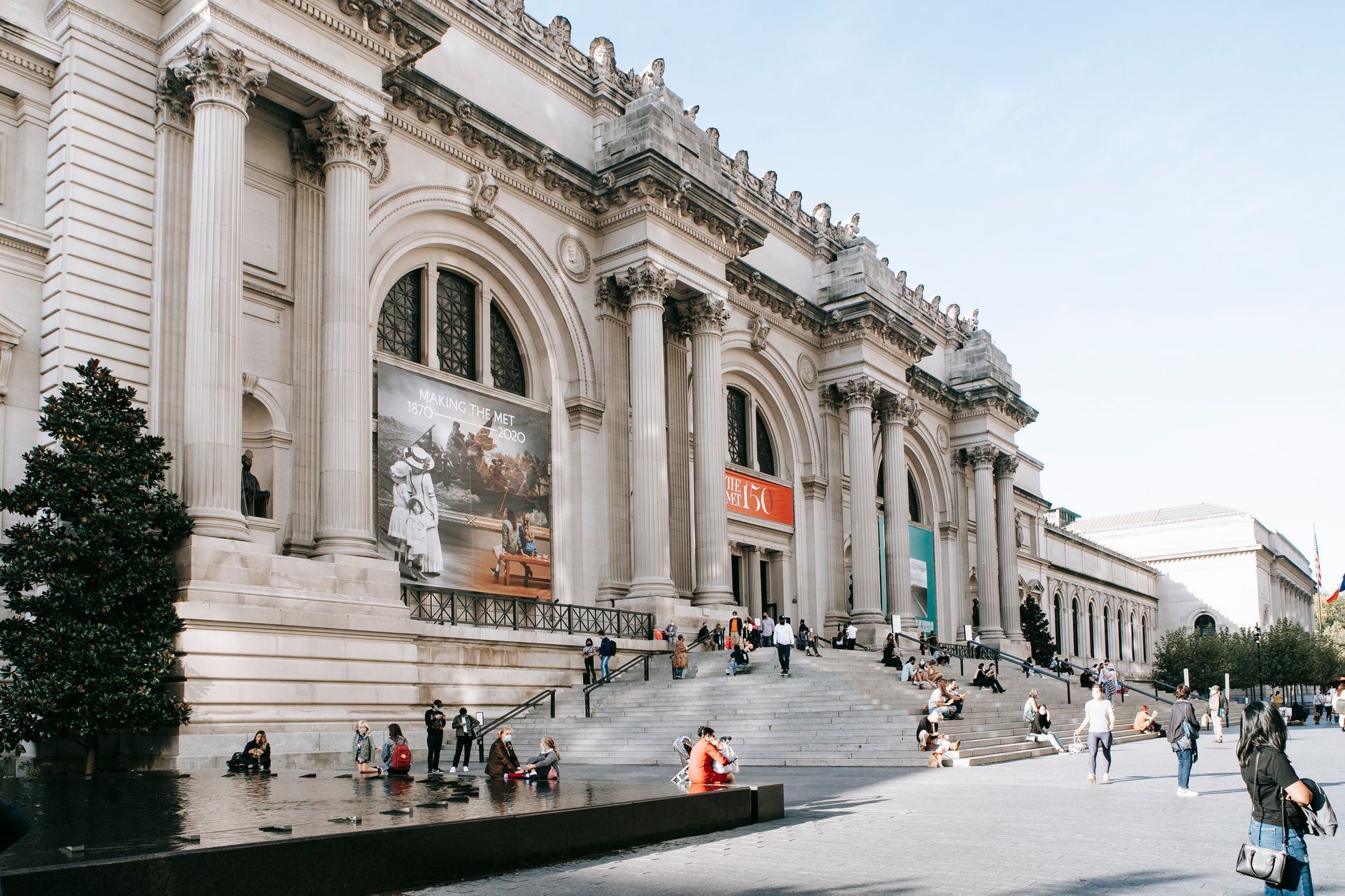
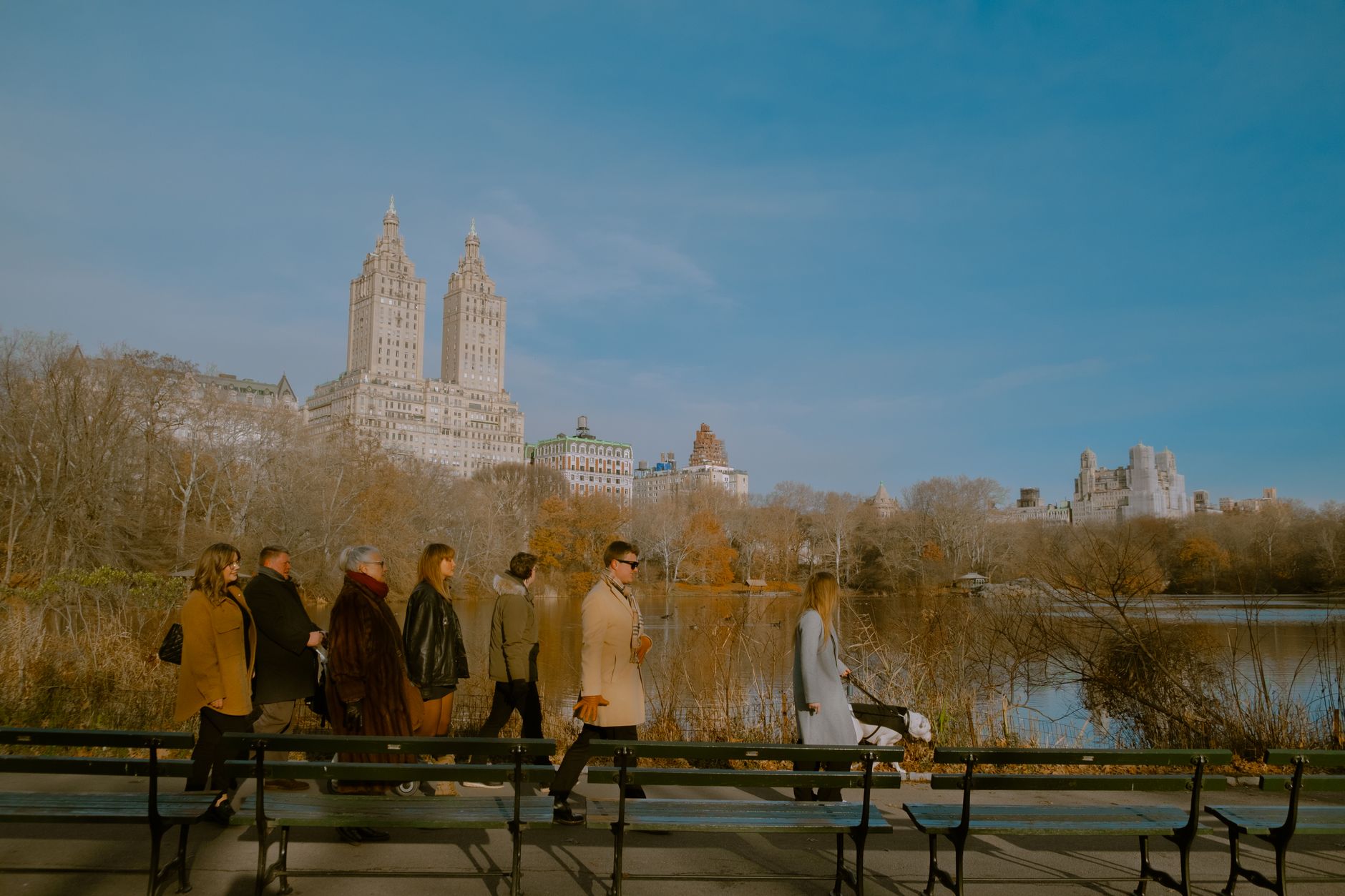
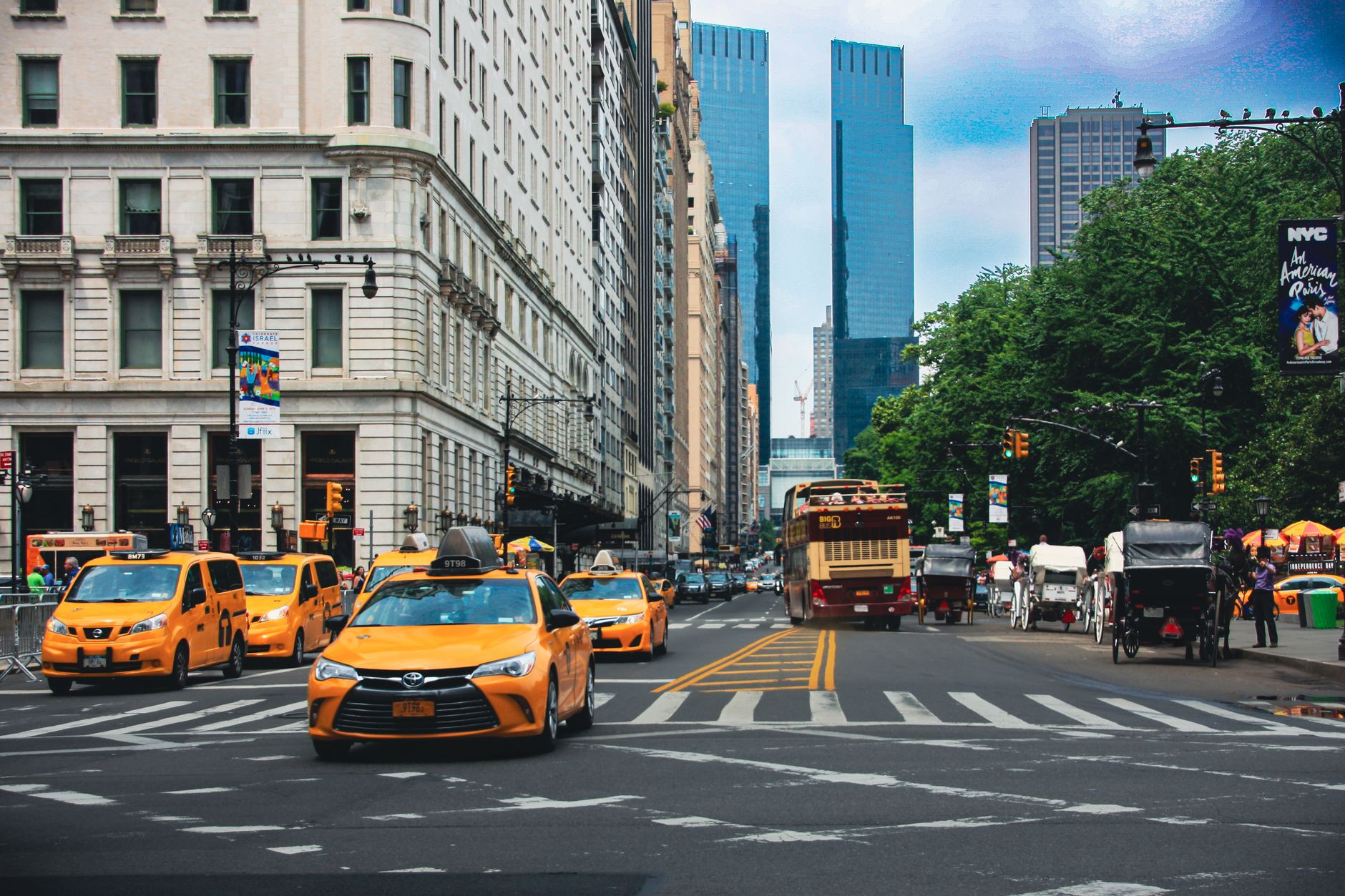
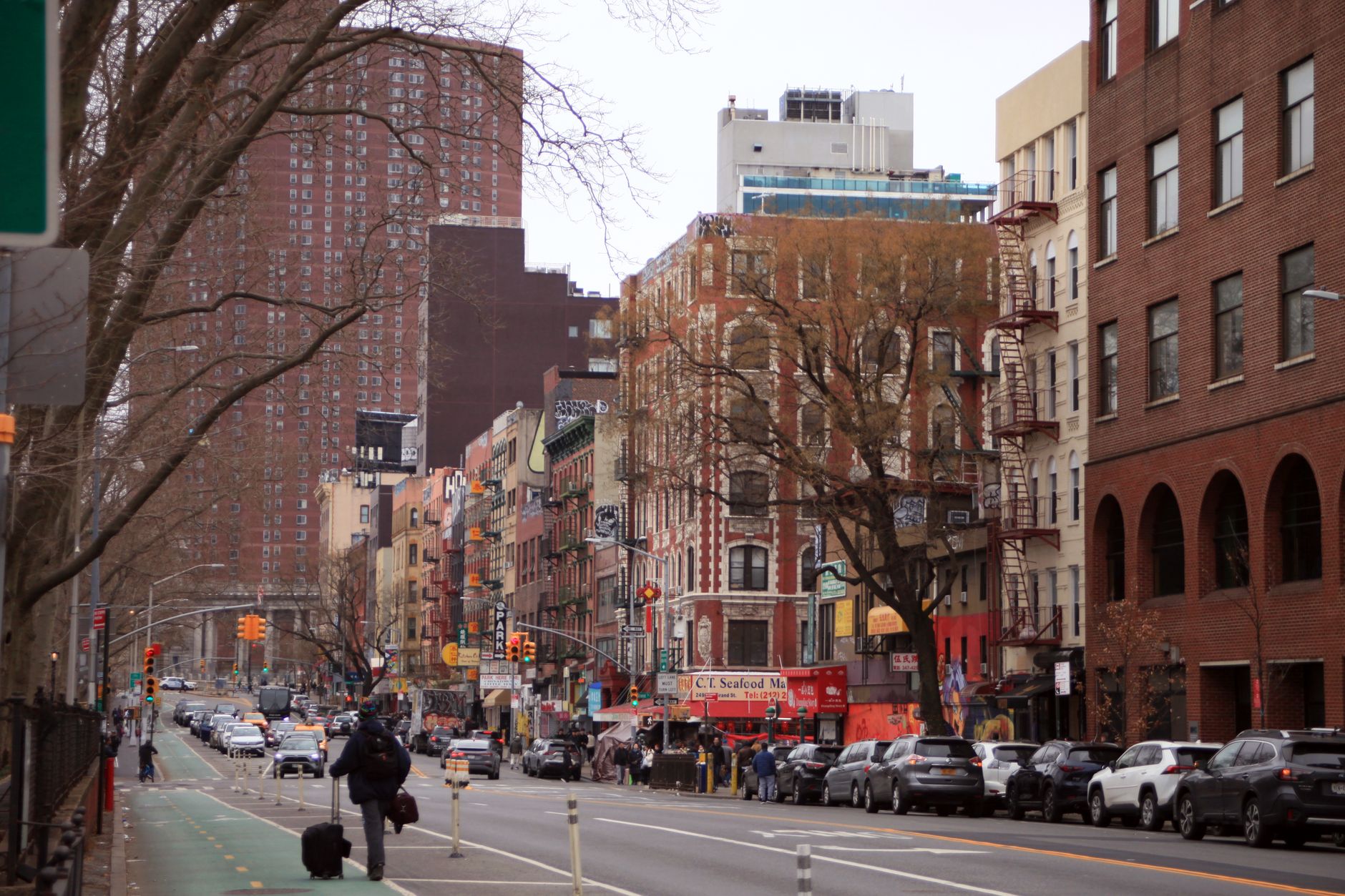
Fifth Avenue along the upper seventies and eighties is one of the strangest streets in New York — a continuous wall of limestone and marble that is, block by block, also one of the world's great museum corridors. The Met alone runs the length of four city blocks. Behind that avenue, the Upper East Side settles into something quieter: townhouses with polished brass knockers, Carnegie-funded branch libraries, the occasional armory built to look like a medieval castle.
This is the neighborhood that old money built and kept. The grid is rational, the sidewalks wide, and the coffee shops tend toward the unhurried.
💛 What travellers fall for
People who come back tend to have a museum rotation — the Frick on a rainy Tuesday, the Neue Galerie for a slow Viennese coffee and a Klimt, the Cooper Hewitt when they need to think about design. The Second Avenue subway finally makes the eastern avenues feel connected to the rest of the city, which took long enough.
Deals in Upper East Side
Book directly at the provider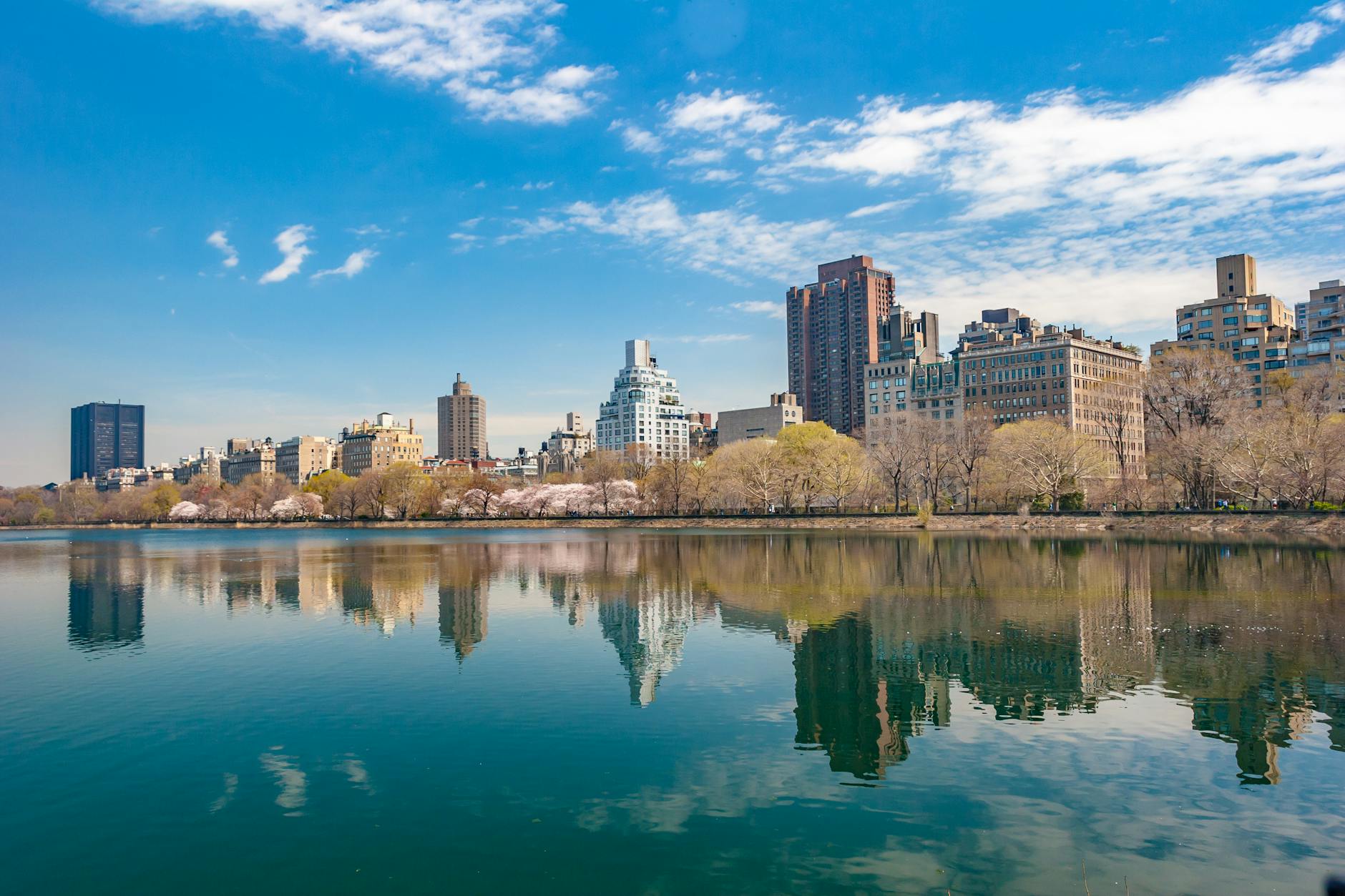

How Upper East Side came to be
The Lenape fished the shoreline here long before the Dutch arrived in the early 1600s. European development came slowly — brownstone rows in the 1860s and 1870s, then mansions along the avenues once the Third Avenue Elevated Railway opened in 1878 and made the area genuinely accessible. By the 1890s, Andrew Carnegie and Henry Clay Frick had arrived, and the stretch of Fifth Avenue facing Central Park was quietly becoming the most expensive address in America.
The 1913 income tax effectively ended the era of private mansion construction. Luxury apartment buildings took over, including Rosario Candela's 740 Park Avenue, completed in 1929. Robert Moses reshaped the eastern edge with the East River Drive in 1934, later extended as FDR Drive. When the Third and Second Avenue elevated lines came down in the mid-twentieth century, the avenues opened for high-rise development — and the neighborhood's character shifted from Gilded Age grandeur to the dense residential mix it is today.
Who and what shaped it
People who shaped it
Landmark buildings
See Upper East Side in motion
Plan your visit
On the map
When to go
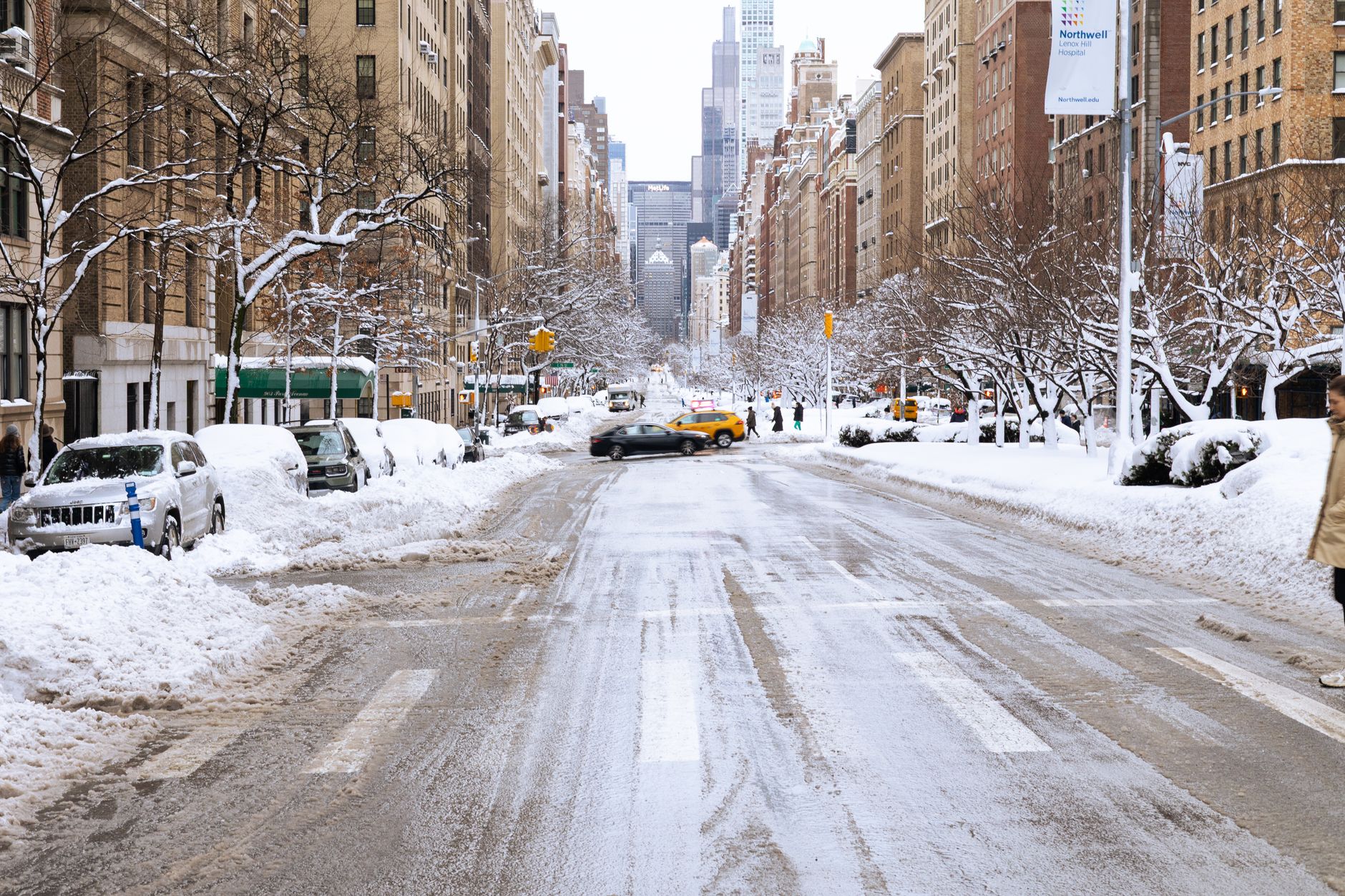
Summers are hot and humid, though the shade of the park and the cooler interiors of the museums make the heat manageable. Spring and early autumn are the most comfortable seasons to walk the avenues; winters are cold and occasionally icy, but the neighborhood stays very much open year-round.
Right now
Background & history adapted from Wikipedia (CC BY-SA) · specs from Wikidata (CC0) · weather from Open-Meteo · map data © OpenStreetMap contributors · photos from Wikimedia Commons / Unsplash with per-image credit. No third-party reviews or social posts reproduced.