
Ubungo

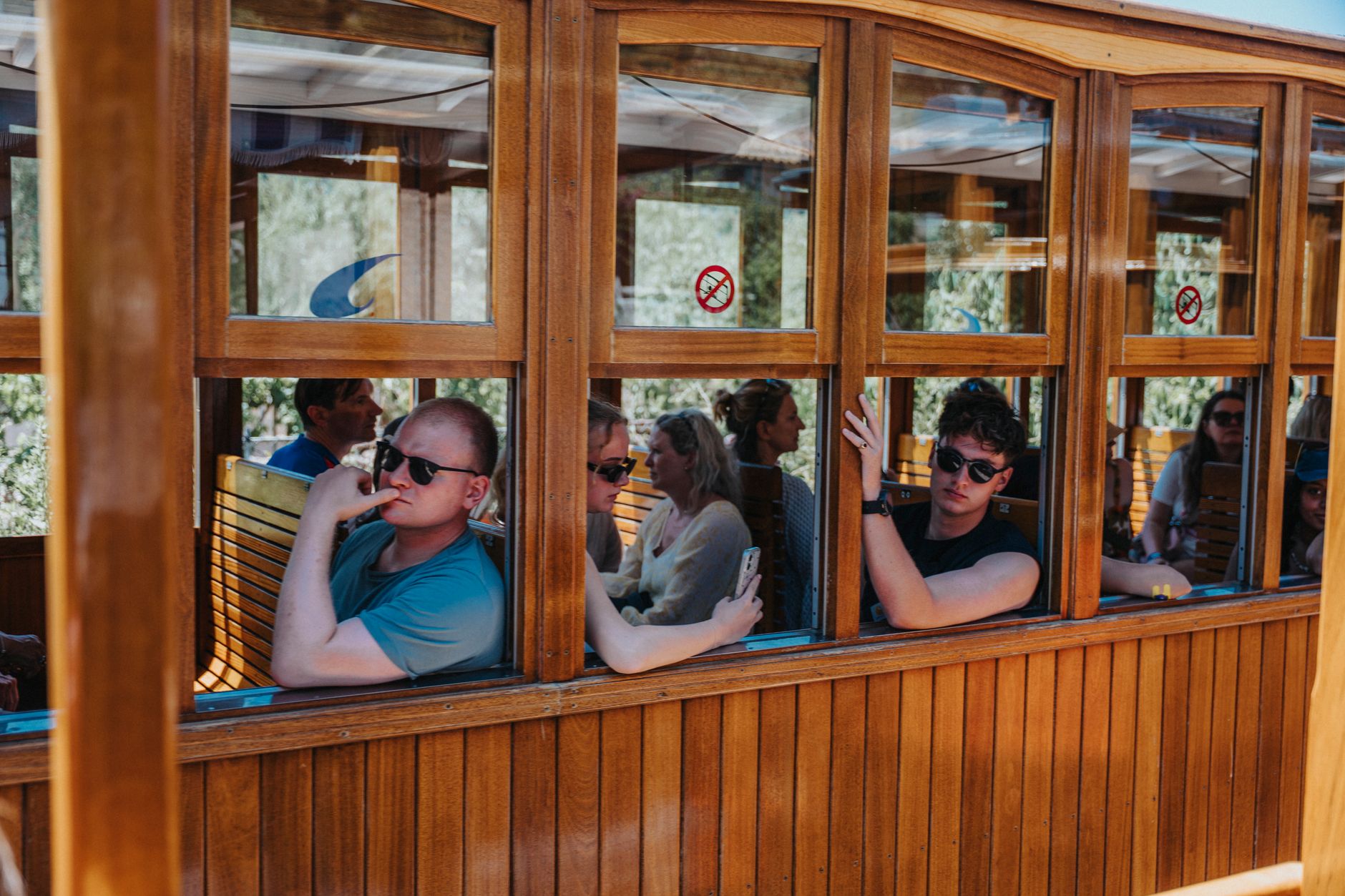
Ubungo is where Dar es Salaam does its actual moving. The Magufuli Bus Terminal — the largest in the country — sends coaches in every direction before dawn, and the BRT corridor along Morogoro Road carries the city's daily rhythm in ten-minute pulses. This is a district built for transit, but it holds more than crossroads: a university campus of 1,200 acres, a Chagga community far from Kilimanjaro, and a power station that keeps the lights on for much of the city.
The name itself comes from the Swahili for 'hump' or 'mound', a small topographical fact that most people passing through never stop to consider. With just over a million residents recorded in the 2022 census, Ubungo is less a destination you arrive at than one you move through — and in that movement, notice.
💛 What travellers fall for
People who pass through regularly tend to time their BRT leg to avoid the April rains. The Dar Rapid Transit bus from Ubungo to Jangwani runs every five minutes for roughly a dollar, and regulars know it beats any taxi when Morogoro Road backs up. The University of Dar es Salaam's Sam Nujoma Road entrance is quieter than it looks on the map.
Deals in Ubungo
Book directly at the provider

How Ubungo came to be
Ubungo's formal existence as a district dates to 2015, when Dar es Salaam's rapid growth pushed the city to decentralize governance and carve out new administrative units. But the land itself was settled long before that: the Zaramo and Ndengereko peoples were the area's original inhabitants, and their presence predates any municipal boundary.
The infrastructure came in layers. The Ubungo Thermal Power Station opened in 1995; a second plant began commercial operations on 30 July 2008, adding 110 megawatts to the grid. The BRT corridor was completed in December 2015 and went fully operational on 10 May 2016. The Ubungo Interchange, opened in February 2021, was named in honor of the late Chief Secretary John Kijazi.
Who and what shaped it
Landmark buildings
See Ubungo in motion
Plan your visit
On the map
When to go
The driest and most comfortable months to visit are July through September, when temperatures sit around 24°C and rain is minimal. If you're here between March and May, expect heavy afternoon downpours — April alone averages 17 rainy days.
Right now
Background & history adapted from Wikipedia (CC BY-SA) · specs from Wikidata (CC0) · weather from Open-Meteo · map data © OpenStreetMap contributors · photos from Wikimedia Commons / Unsplash with per-image credit. No third-party reviews or social posts reproduced.