
U Street Corridor
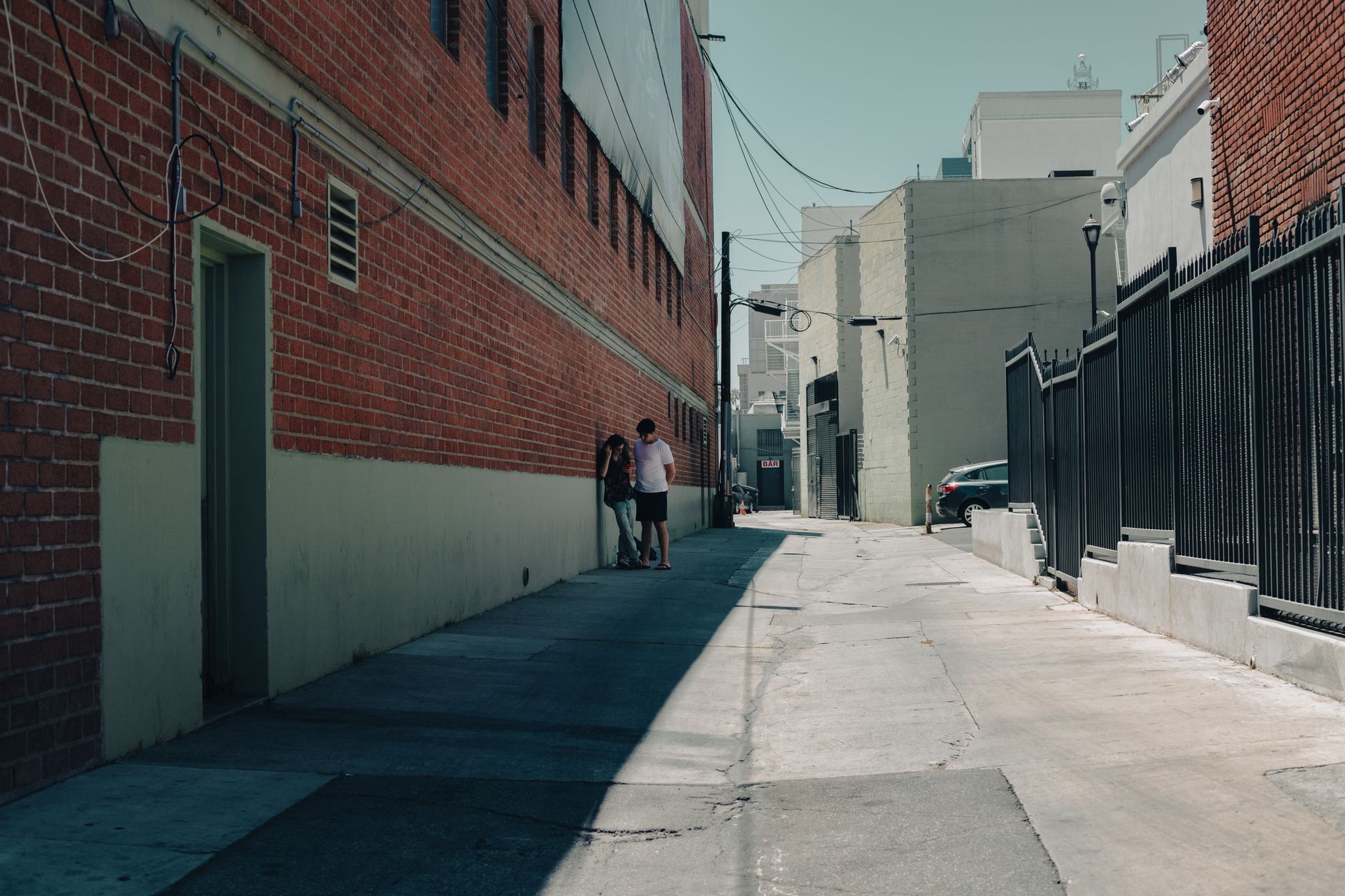
The corner of 14th and U Streets carries weight you can almost feel underfoot. This is where Washington burned in April 1968, where 1,200 homes and businesses were damaged in three days of riots that followed Martin Luther King Jr.'s assassination. Walk it now and you'll find murals on nearly every wall, a Saturday farmers market on the Reeves Center plaza, and a string of music venues that keeps the block loud well past midnight.
The stretch of U Street NW between 9th and 16th streets was once the cultural center of Black America — 'Black Broadway,' as singer Pearl Bailey named it — drawing Cab Calloway, Billie Holiday, and a teenage Duke Ellington to its stages. That history is still legible in the buildings, if you know where to look.
💛 What travellers fall for
Regulars tend to time a visit around the Funk Parade if they can, but any Saturday works: the farmers market at 14th and U is a good anchor for the morning, followed by a slow walk east toward Little Ethiopia for lunch. Miss Pixie's Furnishings rewards anyone who lingers — the inventory shifts constantly. Save Ben's Chili Bowl for the half-smoke; the current pop-up at 1208 U Street NW is the move while the main location is under renovation.
Deals in U Street Corridor
Book directly at the provider


How U Street Corridor came to be
The neighborhood took shape after the Civil War, built quickly by speculative developers whose Italianate, Second Empire, and Queen Anne row houses still line the side streets. The streetcar network that arrived in the 1880s accelerated growth, and by the early twentieth century U Street had become the largest urban African American community in the country. The Lincoln Theatre opened in 1921, the Howard Theatre — regarded as the first Black theater in America — in 1926, the same year Bohemian Caverns began drawing jazz crowds.
The 1968 riots ended that era abruptly. The Lincoln sat closed for decades before a $10 million restoration brought it back in 1994. The U Street Metro station opened in 1991, signaling a slower return; HUD grants in 1998 funded the historic signage and façade improvements that made the street's layered past readable again. The American Planning Association designated U Street a Great Street in 2011.
Who and what shaped it
People who shaped it
Landmark buildings
See U Street Corridor in motion
Plan your visit
On the map
When to go
Washington summers are genuinely humid and hot — the corridor's evening outdoor events and rooftop bars make more sense once you accept that. Spring and fall are the most comfortable seasons for walking the full length of U Street; winters are cold but rarely severe enough to shut things down.
Right now
Background & history adapted from Wikipedia (CC BY-SA) · specs from Wikidata (CC0) · weather from Open-Meteo · map data © OpenStreetMap contributors · photos from Wikimedia Commons / Unsplash with per-image credit. No third-party reviews or social posts reproduced.