
Triberg im Schwarzwald
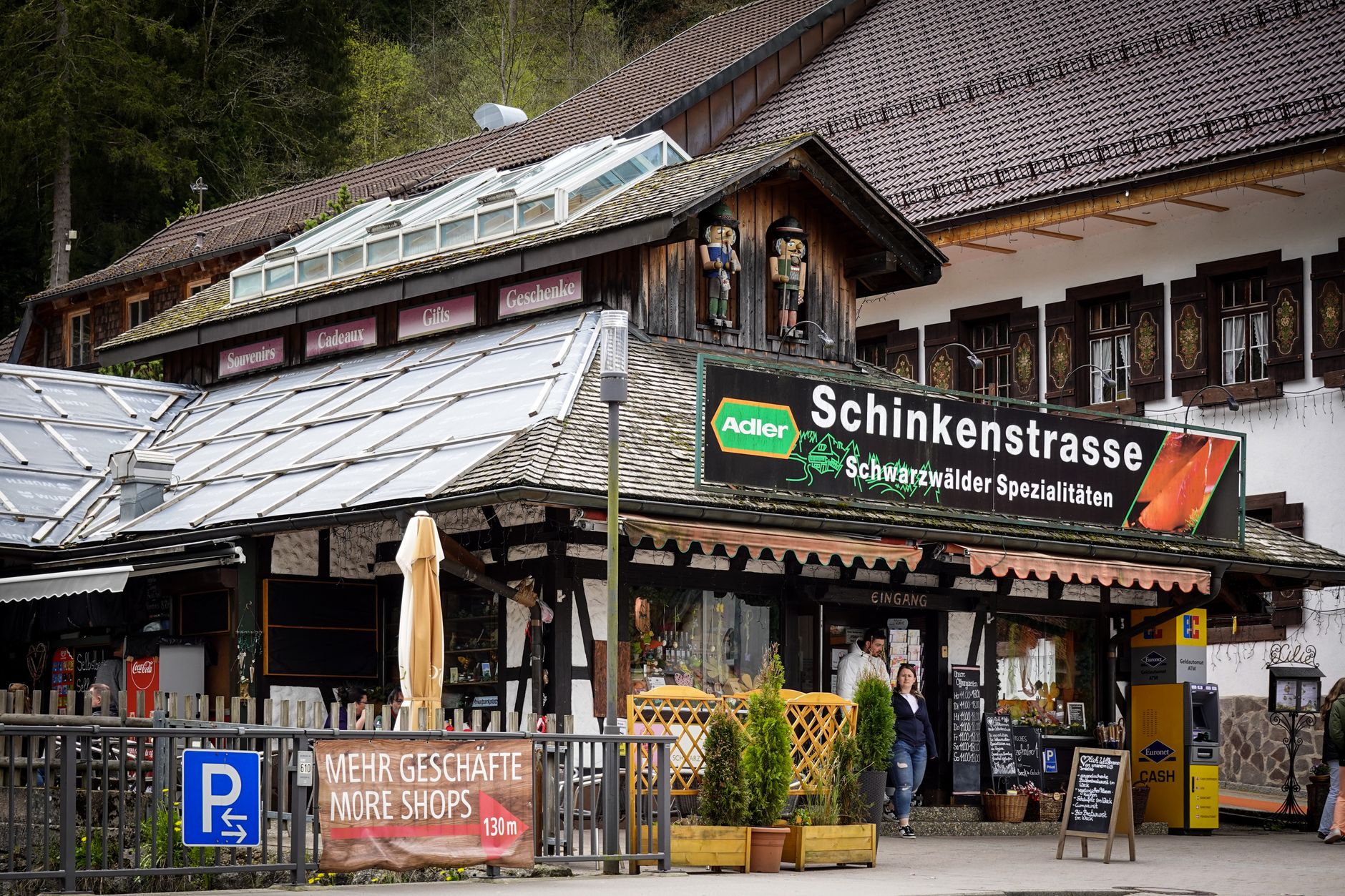
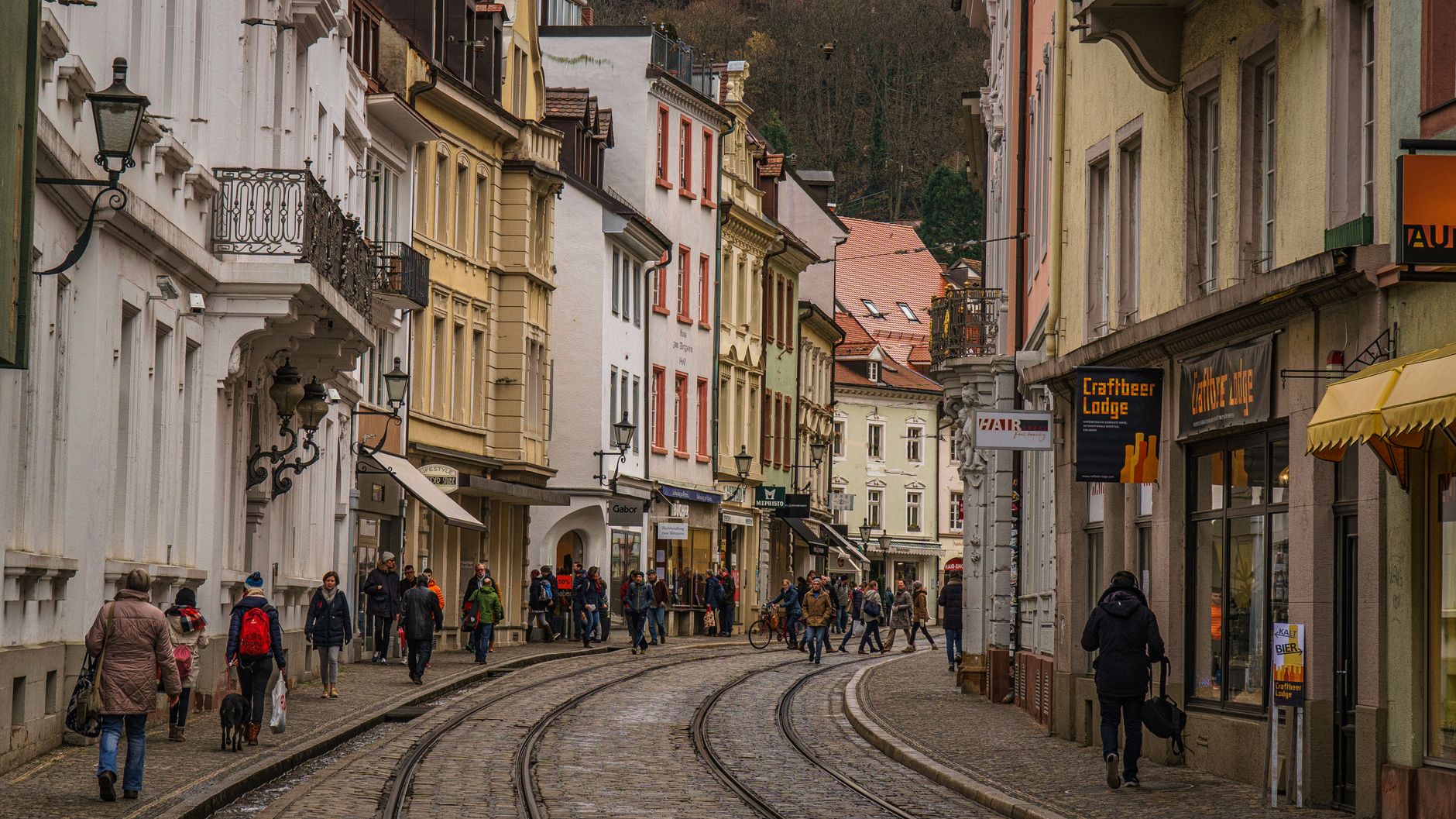
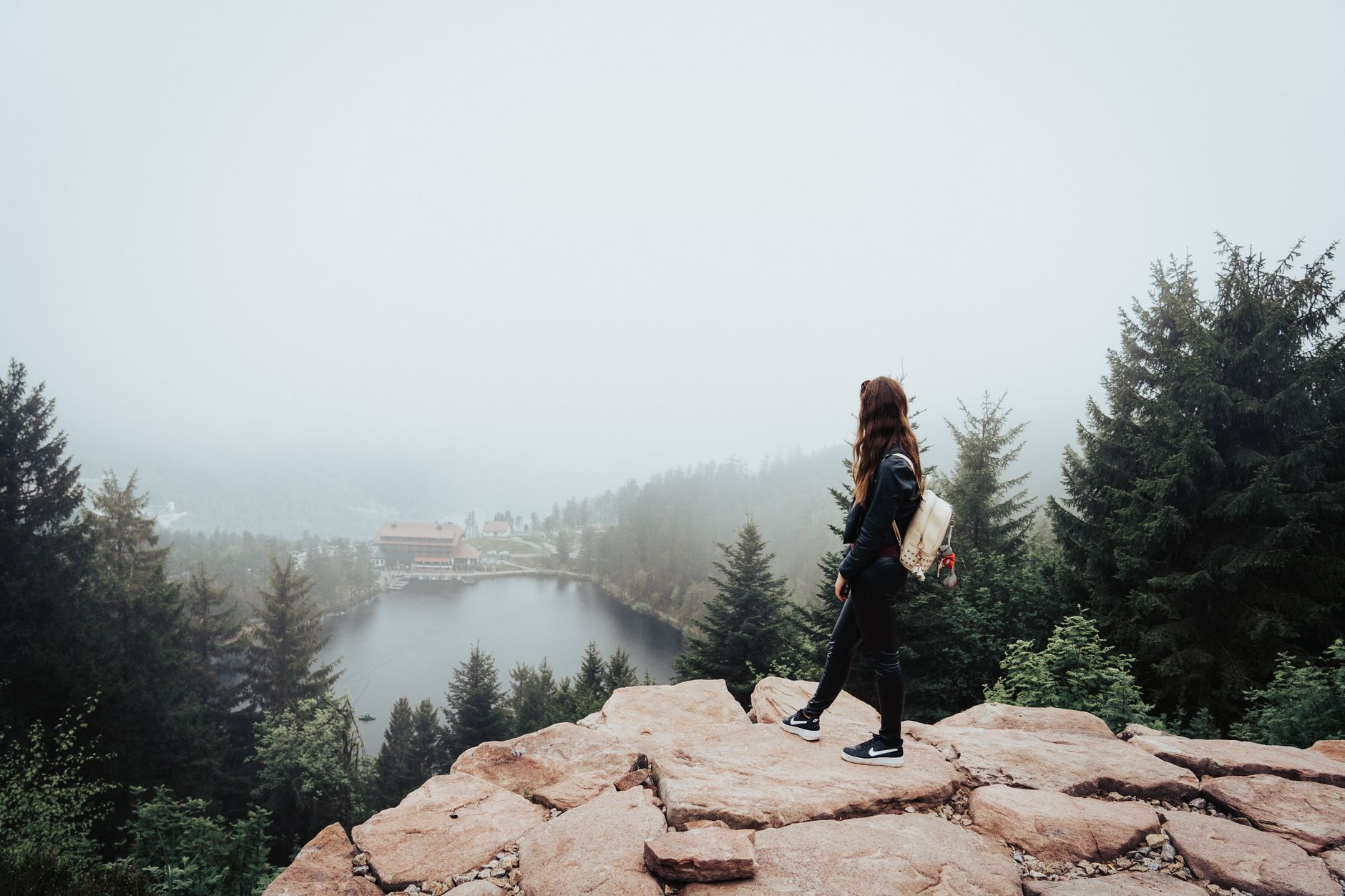
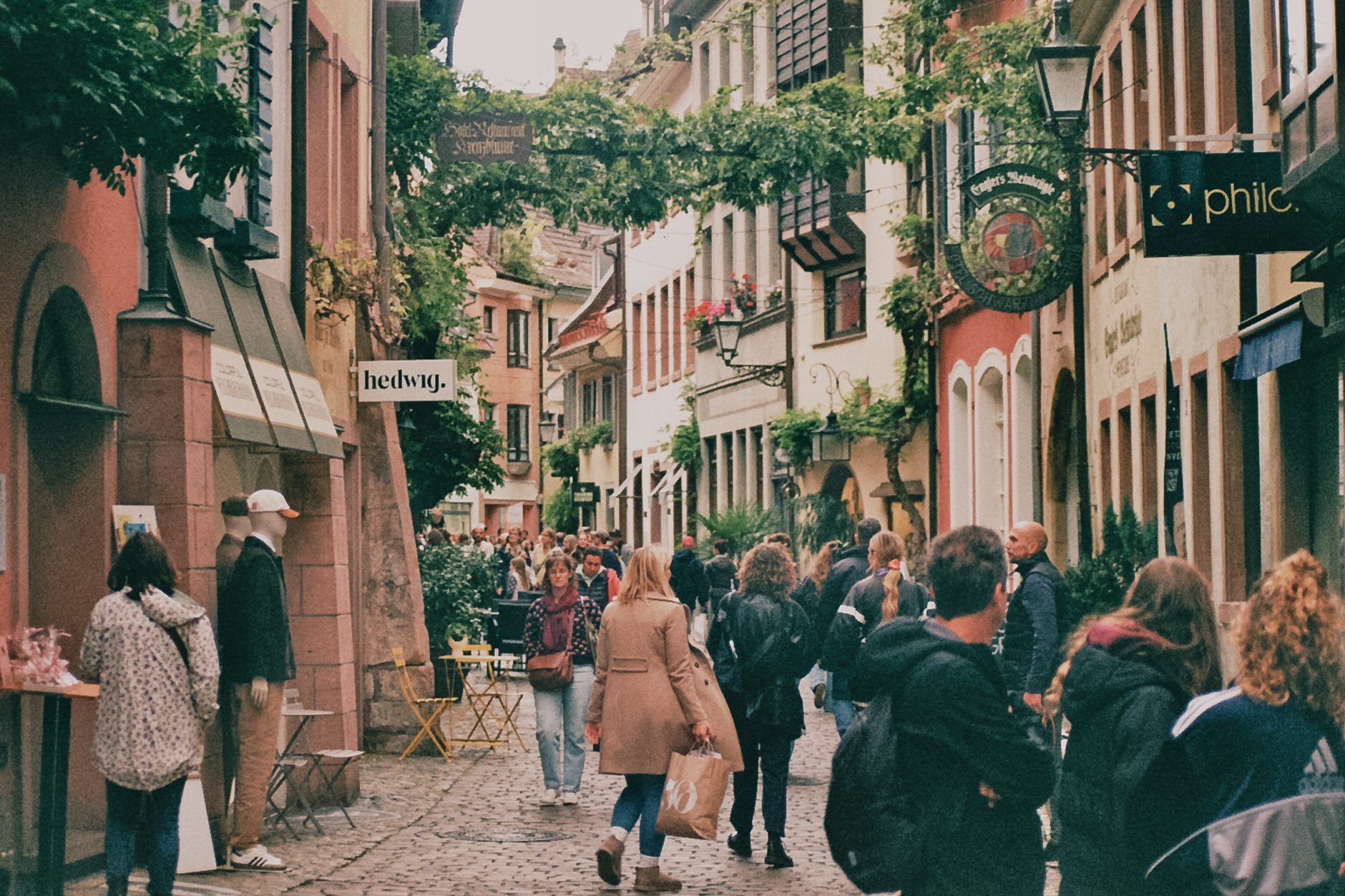
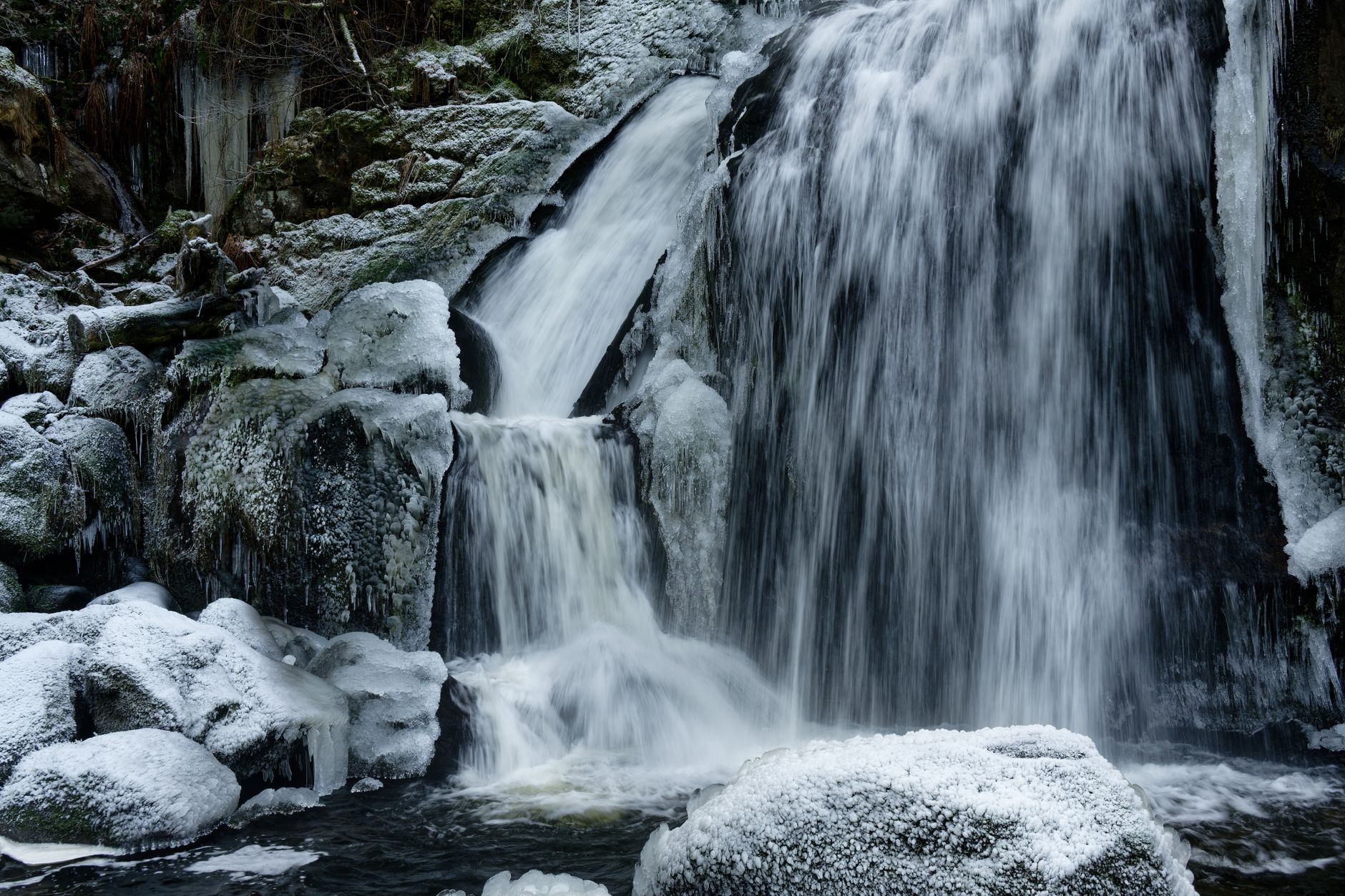
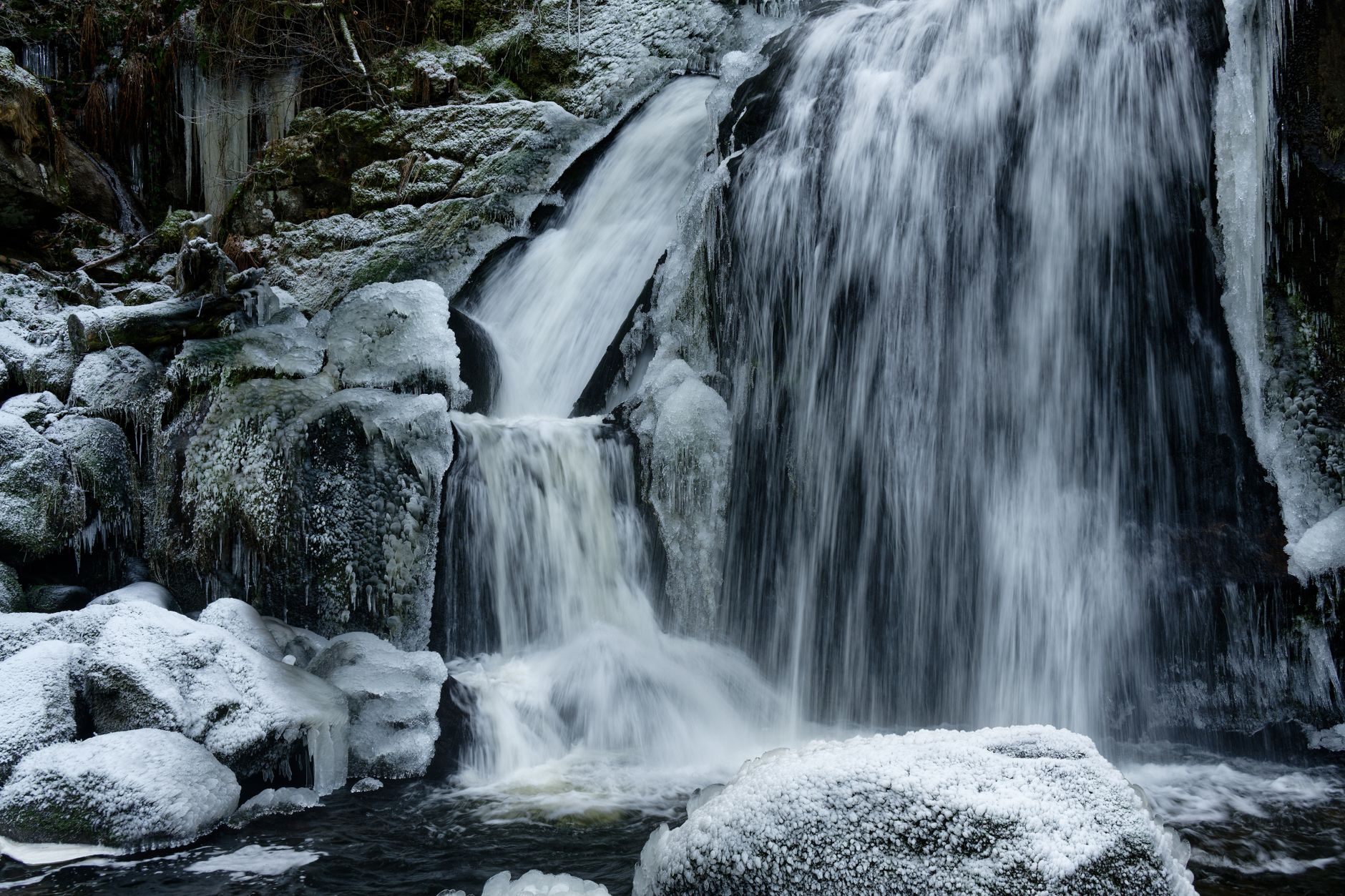
The Gutach river drops 163 metres in seven plunging steps through a forest of silver fir, and the sound of it reaches you before the water does. Triberg built itself around that fact — first as a medieval market town under Austrian rule, then as one of the first places in Germany to light its streets by hydropower, in 1884, drawing current straight from the falls.
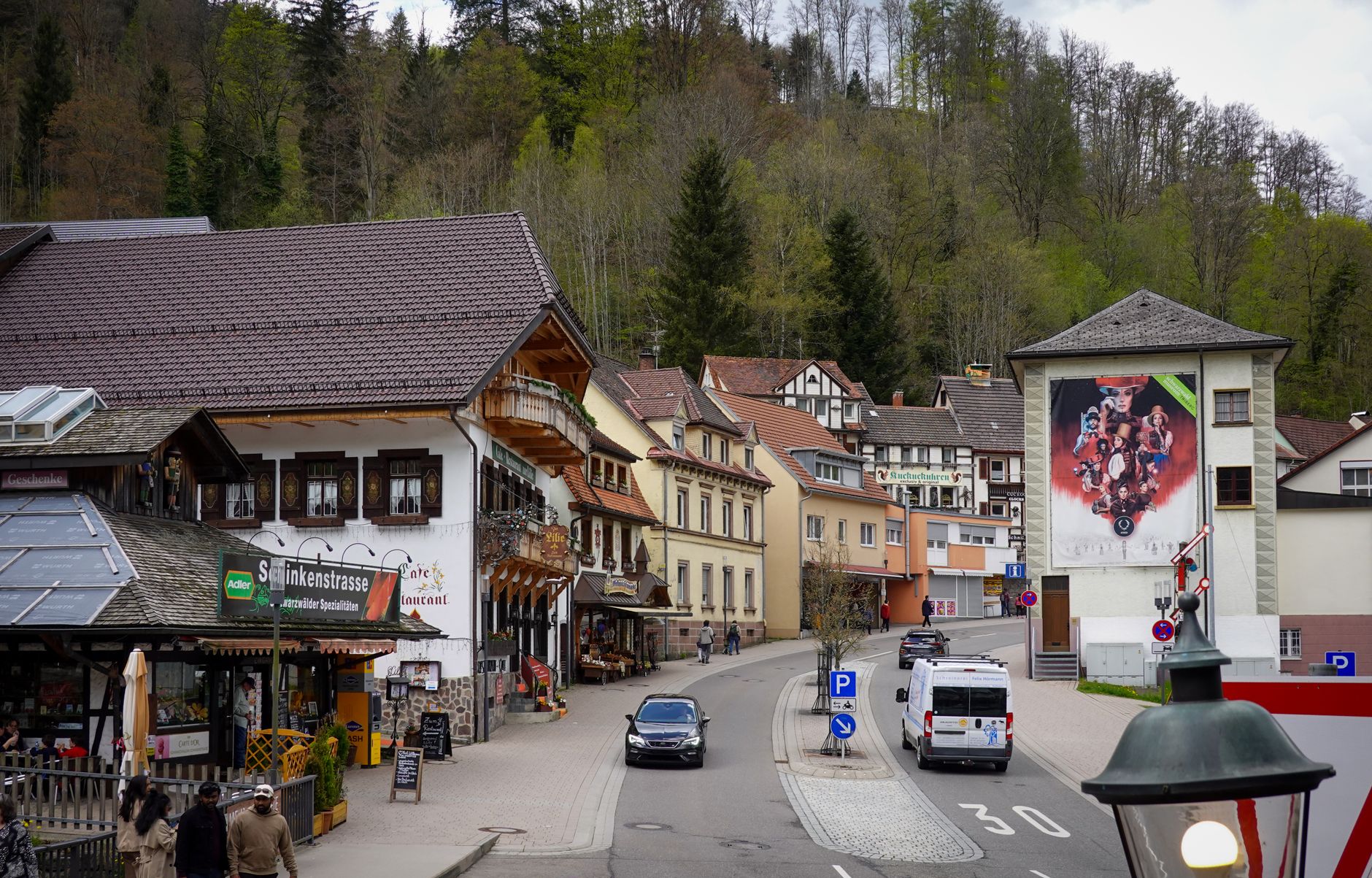
Today the town sits between 500 and 1,038 metres above sea level, strung along a valley the Black Forest Railway has threaded since 1873. The cuckoo clocks in the shop windows are real enough, but so is the Baroque pilgrimage church, the chess grandmaster buried in the local cemetery, and the steam locomotive parked outside the station.
💛 What travellers fall for
People who return tend to time it for spring snowmelt, when the Gutach is loudest and the upper stages of the falls run white all the way down. They also mention the Black Forest Museum on a quiet Tuesday — the barrel organ collection alone takes longer than expected — and the Schwarzwaldbahn Erlebnispfad trail as the honest way to earn the view.
Deals in Triberg im Schwarzwald
Book directly at the provider
How Triberg im Schwarzwald came to be
Settlement here traces back to around 1100, when Knight Adelbert von Ellerbach opened the Gutach valley and established a castle in what is now the Gremmelsbach district. The town grew under the Hornberg domain, received city status in 1324, and after the Triberger noble line died out the following year, passed through the hands of the Counts of Hohenberg before coming under Austrian control.
Watchmaking once gave the local economy its backbone, and the railway — completed in 1873 after a decade of construction — connected Triberg to the wider world. The town moved faster than most: hydroelectric street lighting arrived in 1884, and in 1896 Carl von Linde, Wilhelm Eduard von Schoen, and Friedrich Wilhelm Schoen founded the Elektrizitäts-Gesellschaft Triberg utility. Population peaked at nearly 6,000 in 1961 and has since settled around 4,600.
Who and what shaped it
People who shaped it
Landmark buildings
See Triberg im Schwarzwald in motion
Plan your visit
On the map
When to go
May through September is the most comfortable window, with daytime highs between 18 and 23°C, though the falls run at their most dramatic during spring snowmelt or after heavy rain. Winters are genuinely cold — January nights drop to around -3°C — and snow falls on roughly 66 days a year, which suits the town's Advent market well but demands proper layers if you're walking the waterfall trail.
Right now
Background & history adapted from Wikipedia (CC BY-SA) · specs from Wikidata (CC0) · weather from Open-Meteo · map data © OpenStreetMap contributors · photos from Wikimedia Commons / Unsplash with per-image credit. No third-party reviews or social posts reproduced.