
Trento
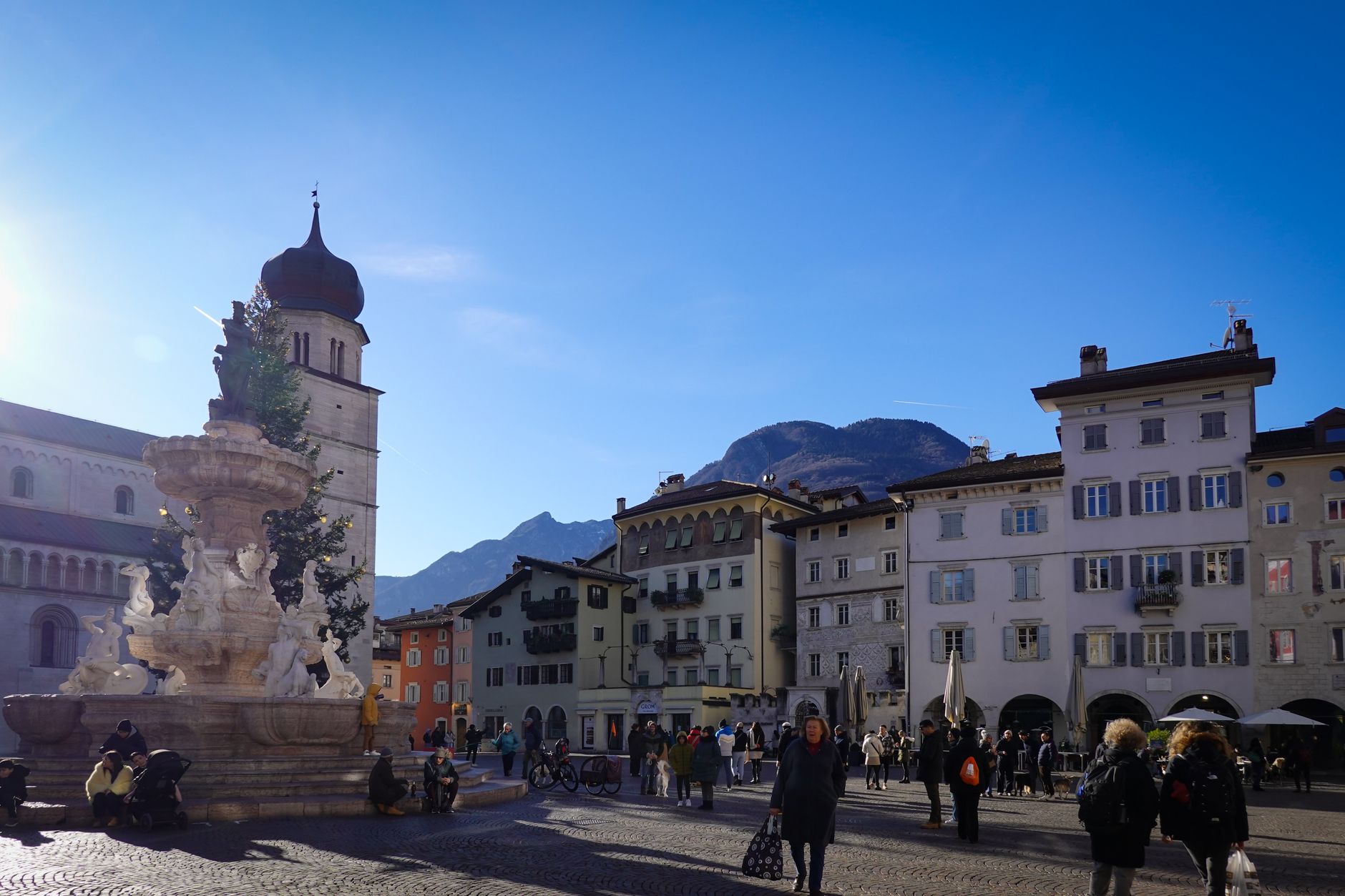
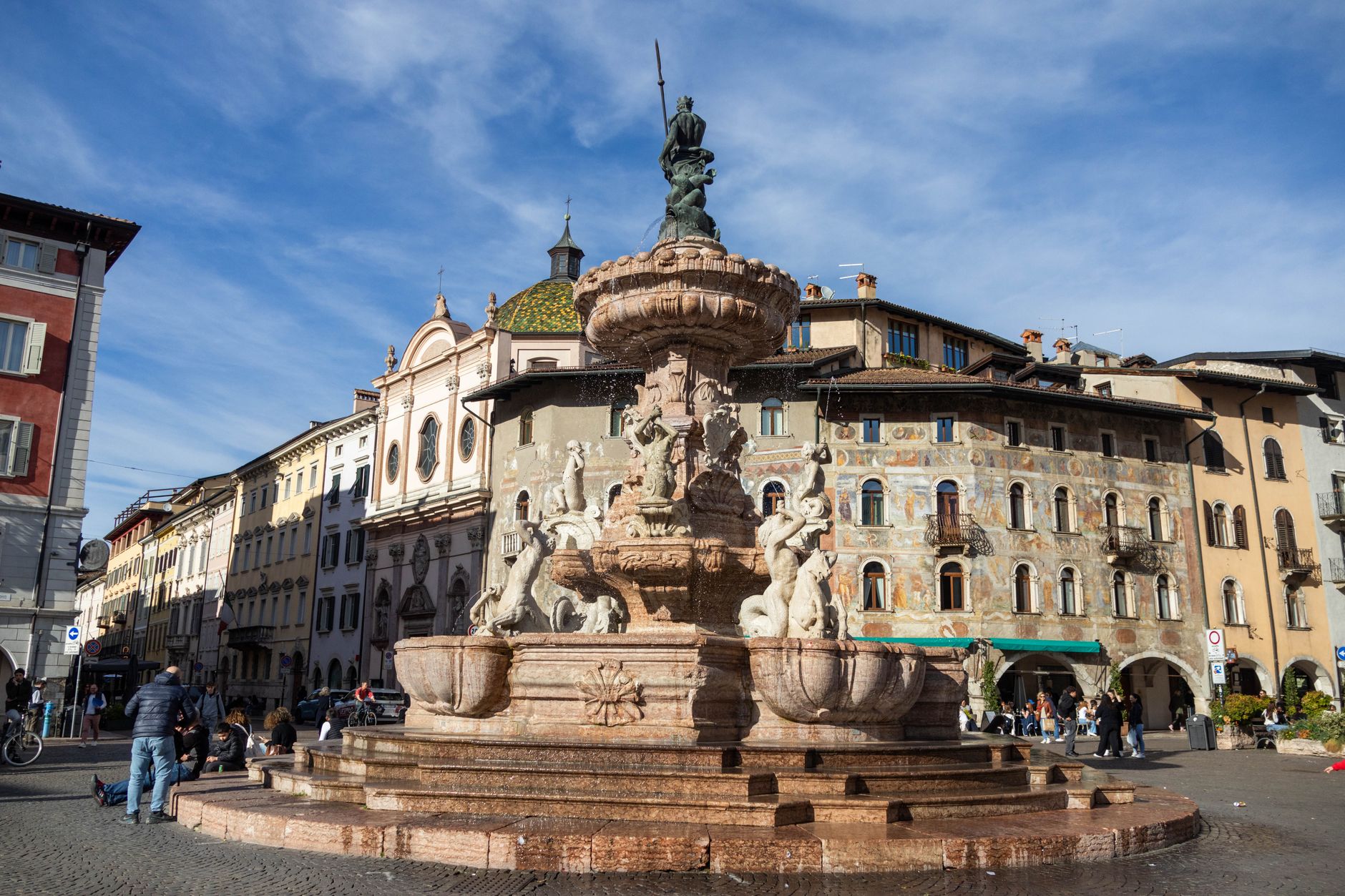
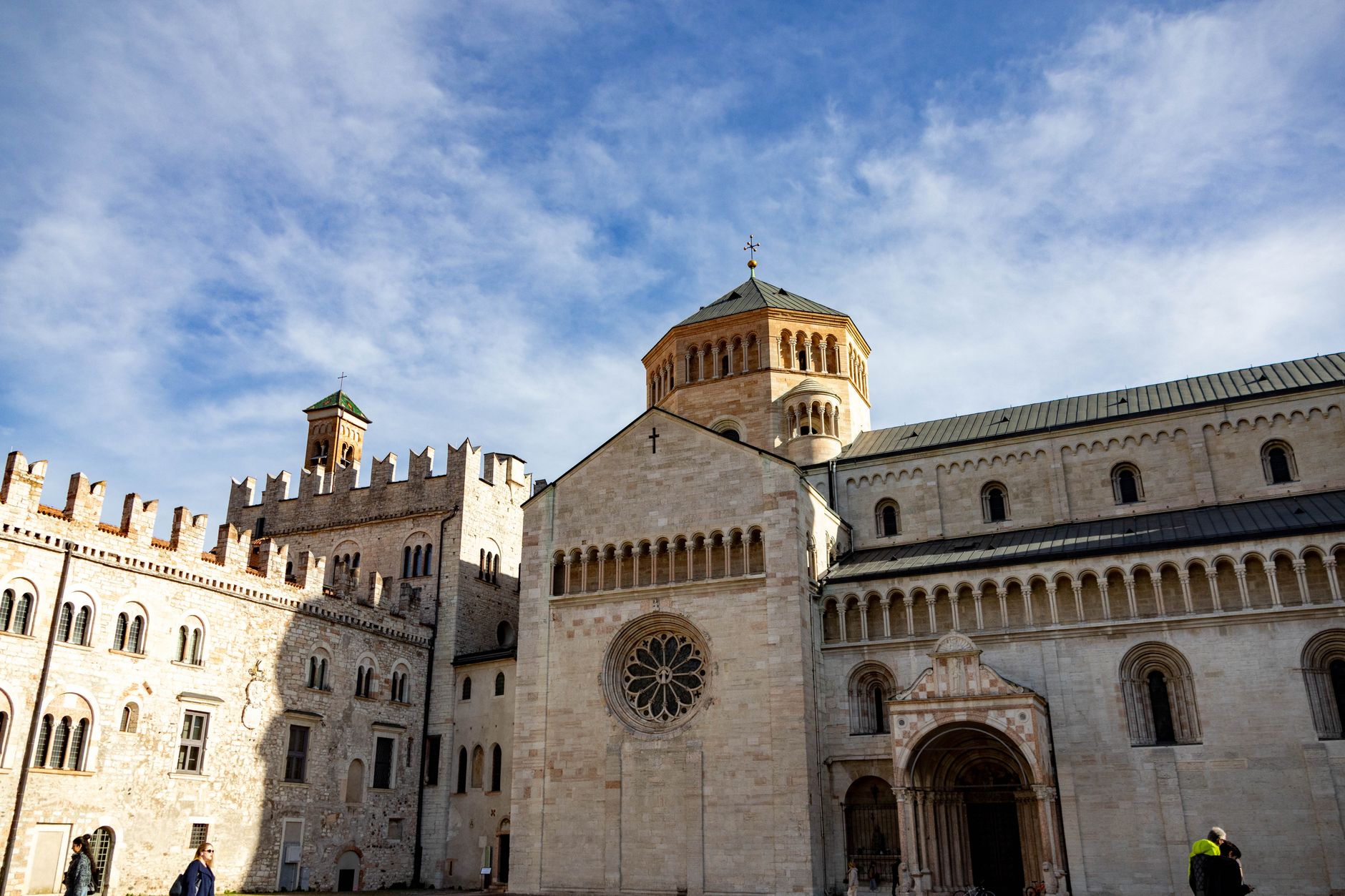
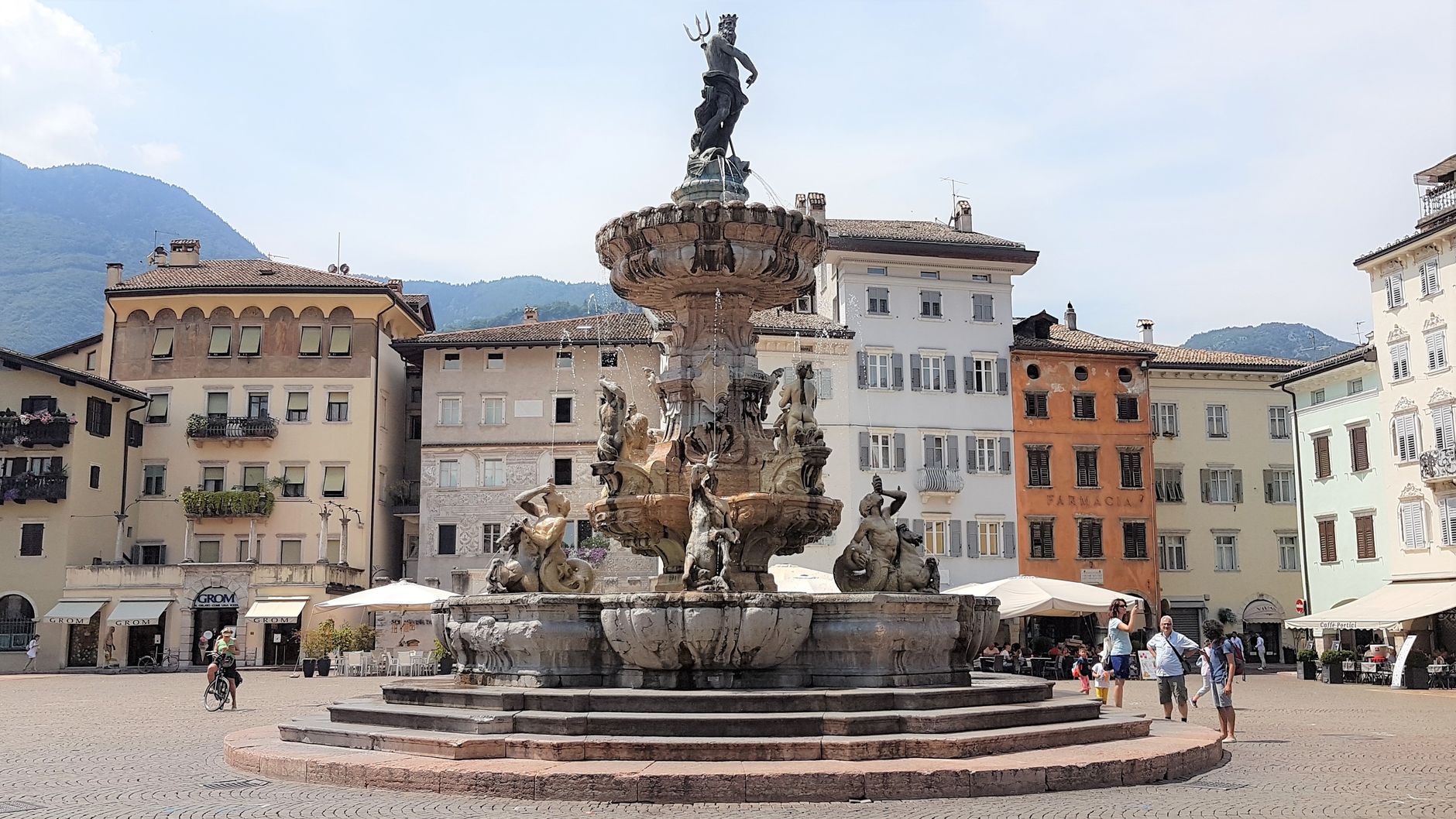
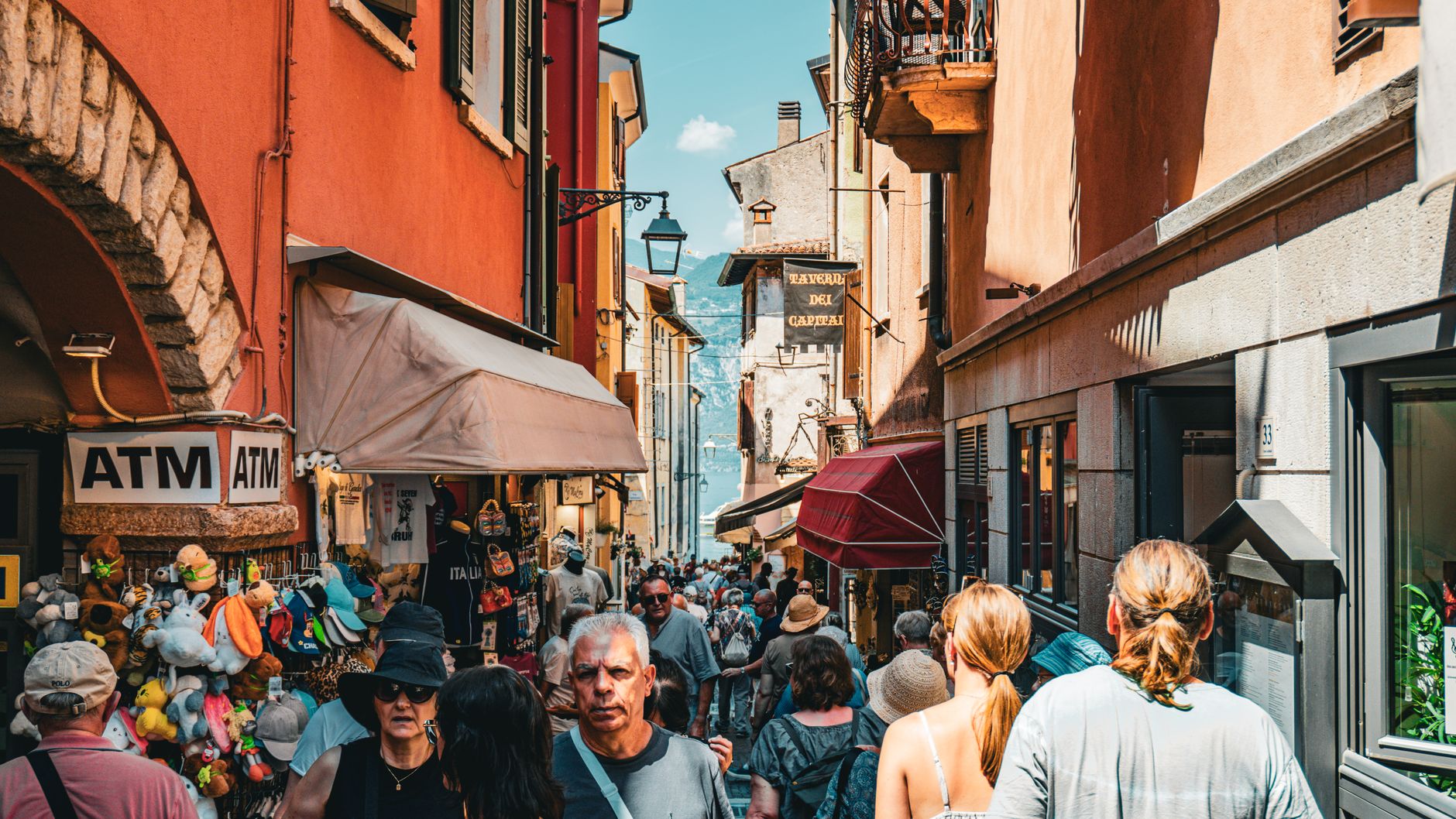
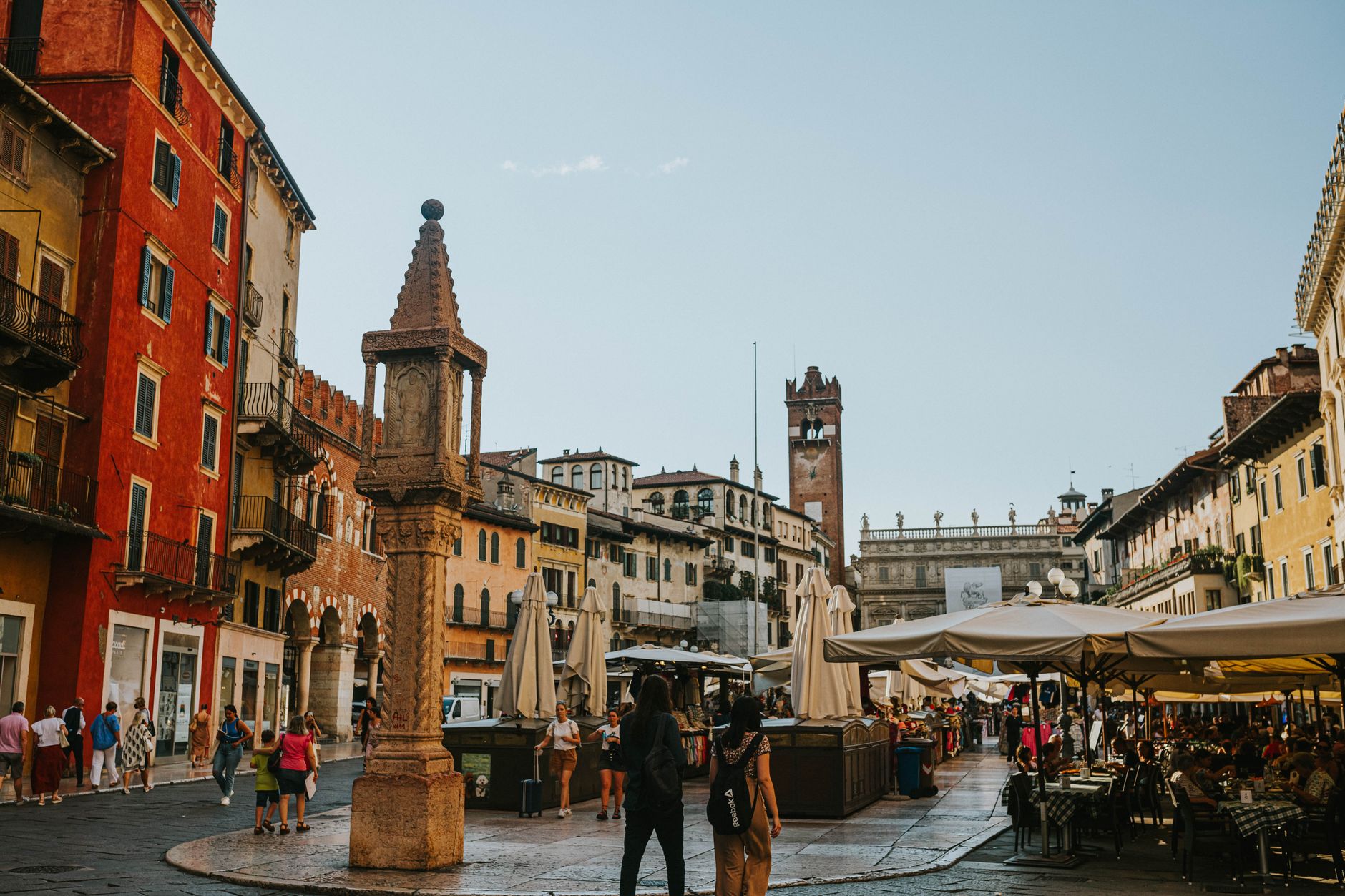
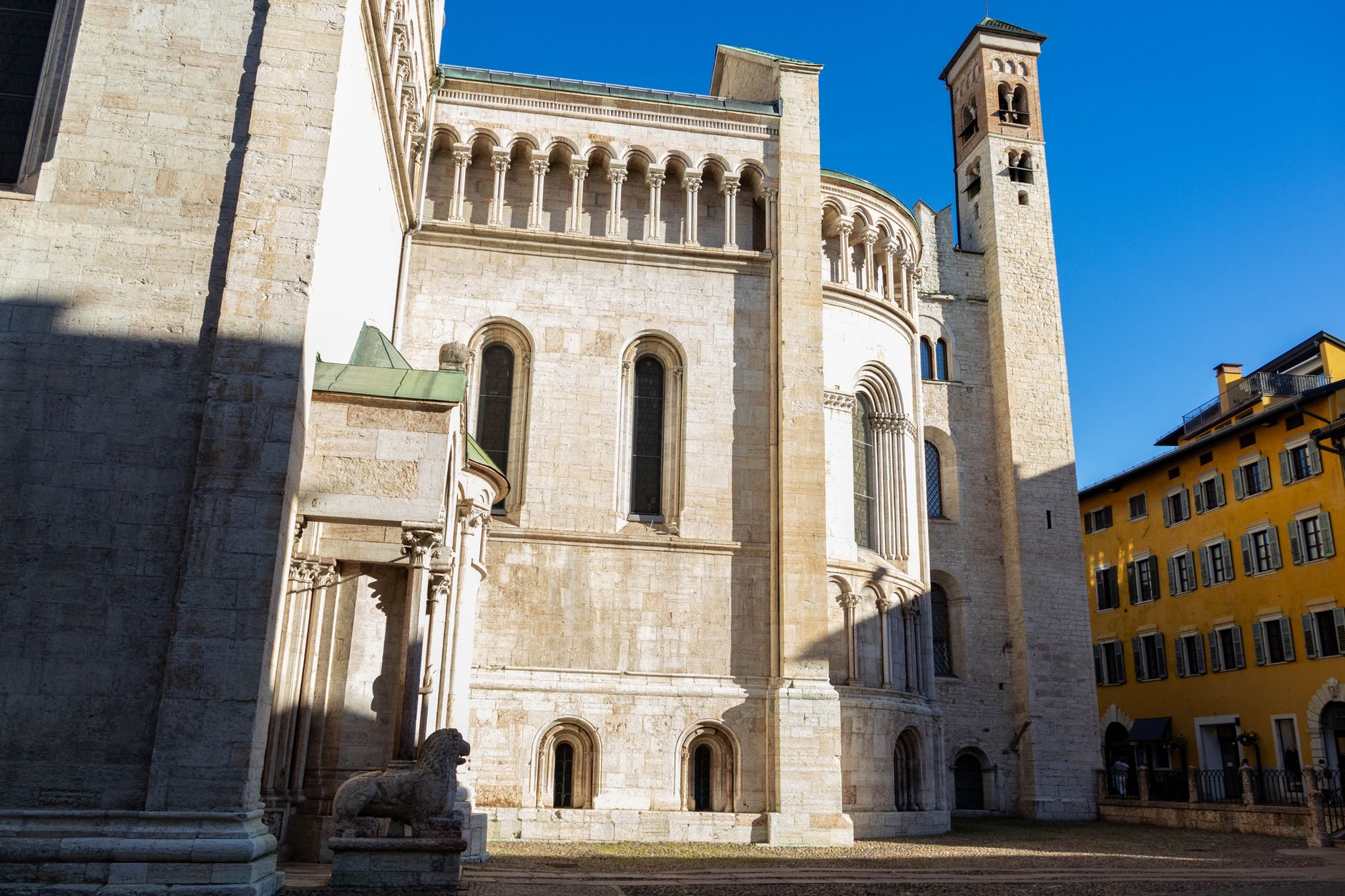
Stand in Piazza del Duomo long enough and the layers start to show themselves: a Romanesque cathedral consecrated in 1145 sitting above the foundations of a late-Roman basilica, a Late Baroque fountain of Neptune at its centre, and Renaissance facades painted in colours that hold their warmth even on overcast days. Trento is a city that accumulated history the way a valley accumulates snow — quietly, in depth.
Sitting on the Brenner rail corridor between Verona and Innsbruck, it has always been a place where things passed through and left a mark. The Council of Trent met here for eighteen years across the sixteenth century. Alcide De Gasperi, one of the architects of postwar European integration, was born in its province. The city carries all of this without making a performance of it.
💛 What travellers fall for
People who come back tend to mention the same two things: walking Via Belenzani in the early morning before the shops open, when the 15th- and 16th-century frescoes on the building facades are lit flat and clear, and taking the Trento-Malè metre-gauge railway into the Val di Non — a journey that feels genuinely unhurried in a way most of Europe no longer is.
Experiences you don't want to miss


Deals in Trento
Book directly at the provider

How Trento came to be
The Romans called it Tridentum — a name tied to the three rocky peaks visible above the valley — and Julius Caesar refounded it as a Roman municipality in the first century BC. The underground crypt of the cathedral still exposes the floor of the late-Roman basilica it was built over, a detail worth pausing on.
In 1027 the city passed to prince-bishops under Holy Roman imperial patronage, a form of governance that shaped it for centuries. Its most consequential chapter opened in 1545, when the Council of Trent convened here and met, with interruptions, until 1563 — reformulating Catholic doctrine in response to the Reformation. Napoleon's armies took the city; Austria held it from 1814 until 1918, when it passed to Italy. Cesare Battisti, a deputy in the Austrian parliament who chose to fight with the Italian Army in WWI, was executed here by Austrian forces — a fact the city has not forgotten.
Who and what shaped it
People who shaped it
Landmark buildings
See Trento in motion
Plan your visit
On the map
When to go
Winters in the Adige valley are cold and often cloudy, with cold air pooling between the surrounding mountains; fog is common and daylight feels compressed. Summers can push to 35°C on good days. The shoulder seasons — particularly late April through early June and September — give you warmth without the heat and light without the murk.
Right now
Background & history adapted from Wikipedia (CC BY-SA) · specs from Wikidata (CC0) · weather from Open-Meteo · map data © OpenStreetMap contributors · photos from Wikimedia Commons / Unsplash with per-image credit. No third-party reviews or social posts reproduced.