
Trawsfynydd
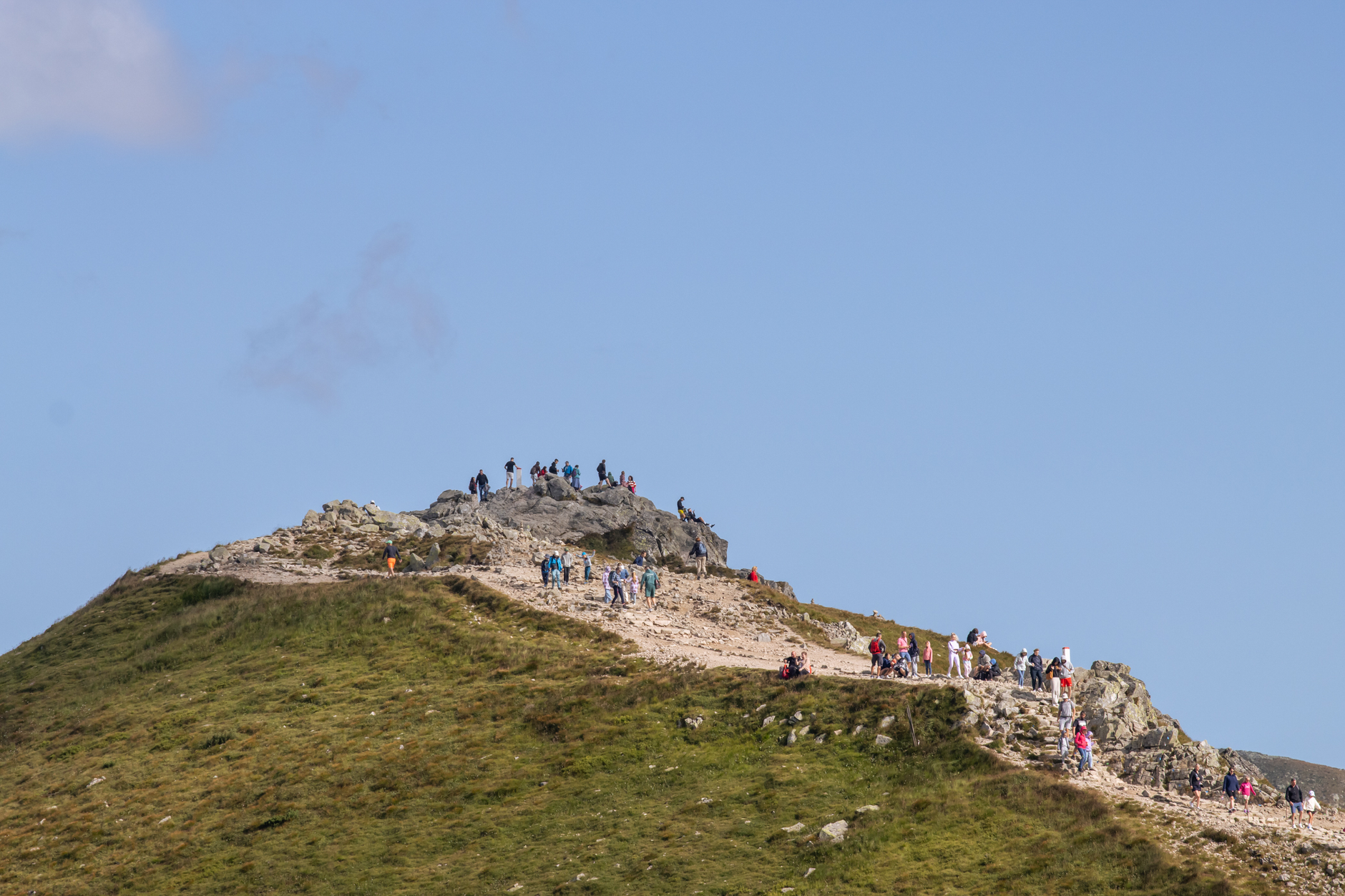

Trawsfynydd sits on the southern edge of Snowdonia around a wide, man-made lake — the third largest body of water in Wales — with the concrete silhouette of a decommissioned nuclear power station on the far shore. That pairing, moorland and reactor, is the honest face of the place. Come here and you find a village where a shepherd-poet died in Flanders before he could collect his Eisteddfod chair, where a medieval farmhouse still holds his belongings, and where the lake was flooded into existence within living memory to power the grid.
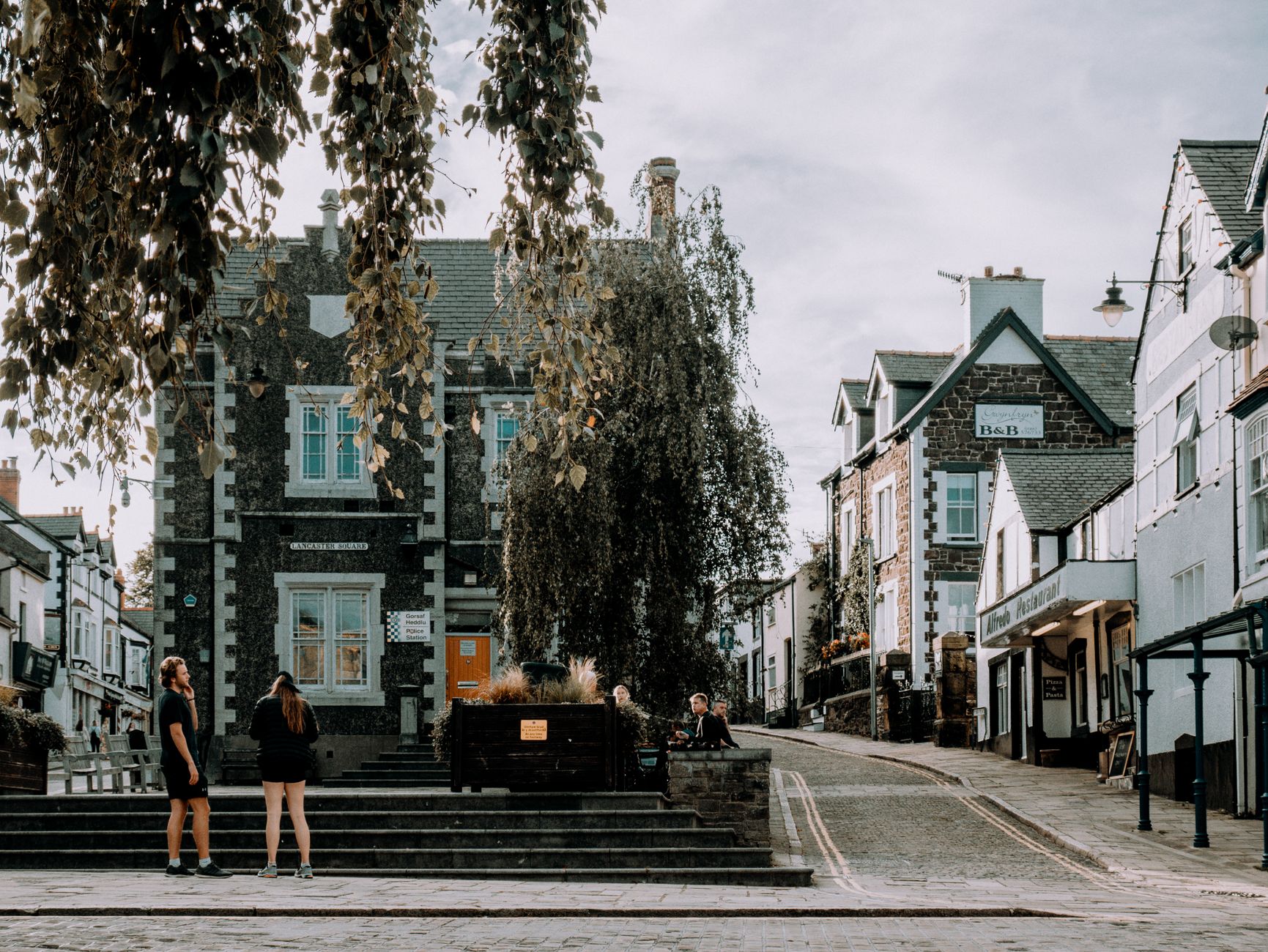
This is not a place that performs for visitors. The main street is short, the chapel sits above the road in a railed enclosure, and the hills close in quickly. That plainness is the point.
💛 What travellers fall for
People who return tend to come back for Yr Ysgwrn — the farmhouse where Hedd Wyn grew up, now run by Eryri National Park Authority. Go on a quieter weekday. Hire a fishing boat on Llyn Trawsfynydd and you'll have the lake largely to yourself, the power station watching from the far bank in total silence.
Deals in Trawsfynydd
Book directly at the provider

How Trawsfynydd came to be
People have lived in this valley since prehistory — circular hut settlements stood near the Afon Crawcwellt two miles south of today's village. By the mid-seventeenth century the wider parish held around 1,200 people, though Trawsfynydd itself was little more than a dozen properties and a church. The parish's most dramatic earlier figure was John Roberts, born here in the late sixteenth century, hanged, drawn and quartered in 1610 and later canonised as one of the Forty Martyrs of England and Wales.
The twentieth century remade the landscape twice over. The North Wales Power Company flooded the valley in the 1920s to create Llyn Trawsfynydd, the reservoir feeding Maentwrog hydro-electric station, operational by October 1928. Then in July 1959, construction began on Trawsfynydd Nuclear Power Station — designed with Sir Basil Spence as architectural consultant and Sylvia Crowe as landscape architect — its two Magnox reactors eventually generating 470 megawatts before closure in 1991.
Who and what shaped it
People who shaped it
Landmark buildings
See Trawsfynydd in motion
Plan your visit
On the map
When to go
Snowdonia weather arrives fast and without much warning; summer days can be bright and mild but cloud drops onto the hills quickly, and rain is possible in any month. Winter visits are raw and often wet, but the lake and moorland take on a particular stillness that rewards the determined.
Right now
Background & history adapted from Wikipedia (CC BY-SA) · specs from Wikidata (CC0) · weather from Open-Meteo · map data © OpenStreetMap contributors · photos from Wikimedia Commons / Unsplash with per-image credit. No third-party reviews or social posts reproduced.