
Tlatelolco
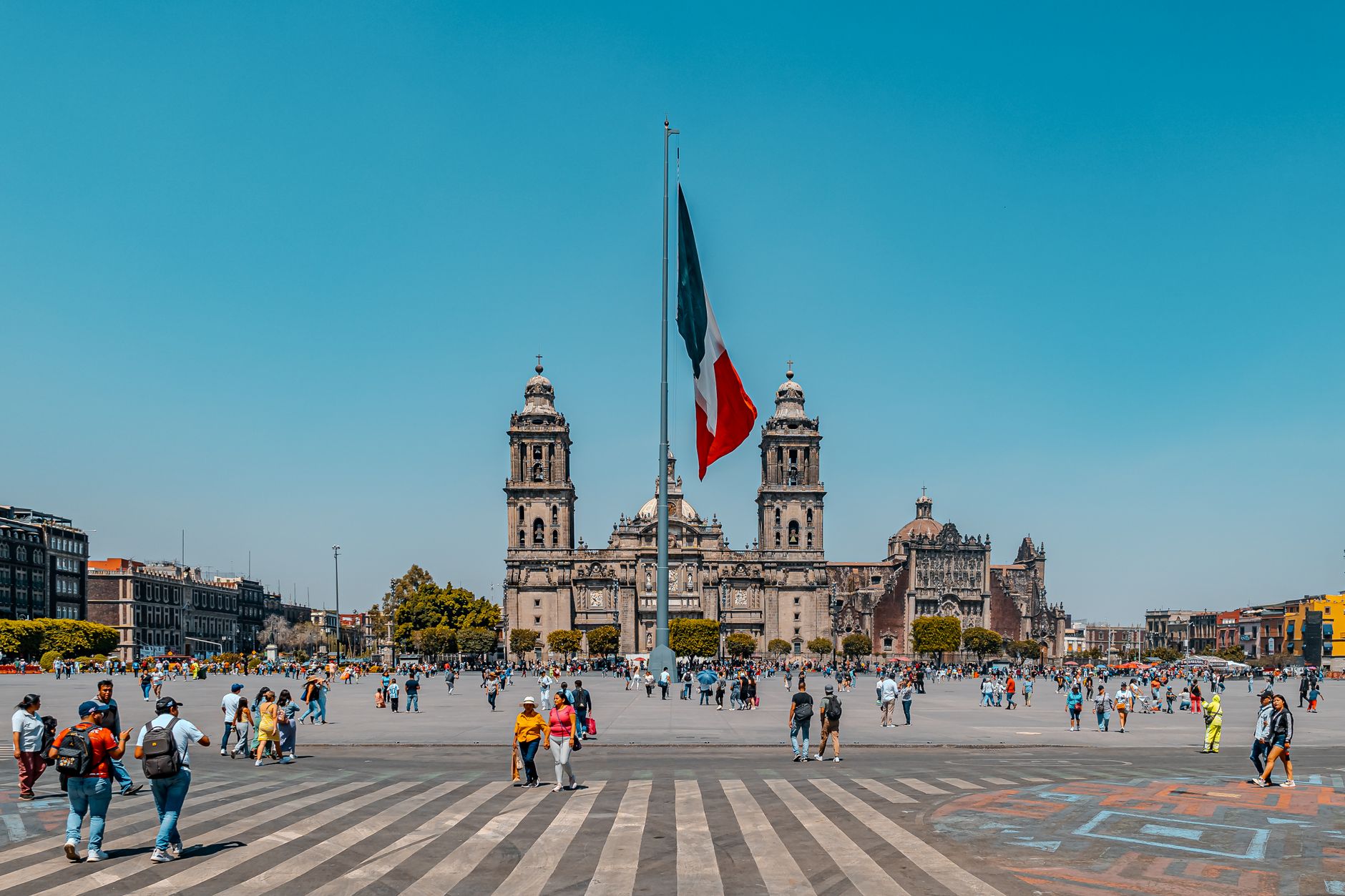
Stand in Plaza de las Tres Culturas and three distinct worlds press in on you at once: Aztec pyramid foundations rising from the earth, a 17th-century colonial church built with stones stripped from those same structures, and a 1960s housing complex looming behind both. Tlatelolco is one of the few places in Mexico City where that layering isn't metaphor — it's the actual ground beneath your feet.
The neighborhood carries a lot of weight. It was founded in 1337 by Mexica dissidents who wanted to run their own market, was conquered from within by a rival Aztec ruler in 1473, and then became the site of the 1968 student massacre — a wound that took decades for Mexico to begin to name publicly.
💛 What travellers fall for
People who come back tend to do the archaeological site first, when it opens at 8am and the light is still low and directional across the stone. The Memorial 68 museum, run by UNAM, rewards a second visit once you've read a little about the events of October 2, 1968 — the exhibits hit differently with context.
Deals in Tlatelolco
Book directly at the provider

How Tlatelolco came to be
Tlatelolco started as an act of defiance. In 1337, thirteen years after Tenochtitlan was founded on the same lake island, a group of dissenting Mexica established their own city-state specifically to keep control of their market — which grew into the largest in Central America. That independence lasted until 1473, when the Tenochca ruler Axayacatl defeated the Tlatelolca tlatoani Moquihuix and absorbed the city.
After the Spanish conquest of 1521, Tlatelolco became a colonial experiment: the Colegio de Santa Cruz, built in 1536, was the first European institution of higher learning in the Americas, where Franciscan friar Bernardino de Sahagún coordinated the Florentine Codex. The pyramid ruins lay buried under pavement until 1900. In the 1960s, architect Mario Pani designed the housing complex and plaza that now frames it all — and on October 2, 1968, the square became the site of a massacre of student demonstrators by the Mexican military, estimated to have killed up to 400 people.
Who and what shaped it
People who shaped it
Landmark buildings
See Tlatelolco in motion
Plan your visit
On the map
When to go
Mexico City's altitude keeps temperatures moderate year-round, but Tlatelolco's open plaza offers little shade. The dry season, November through April, gives you clear skies and cooler mornings — the best window for the archaeological site. In the rainy season, May through October, expect afternoon downpours that pass quickly but can make the stone ruins slick.
Right now
Background & history adapted from Wikipedia (CC BY-SA) · specs from Wikidata (CC0) · weather from Open-Meteo · map data © OpenStreetMap contributors · photos from Wikimedia Commons / Unsplash with per-image credit. No third-party reviews or social posts reproduced.