
Titisee-Neustadt
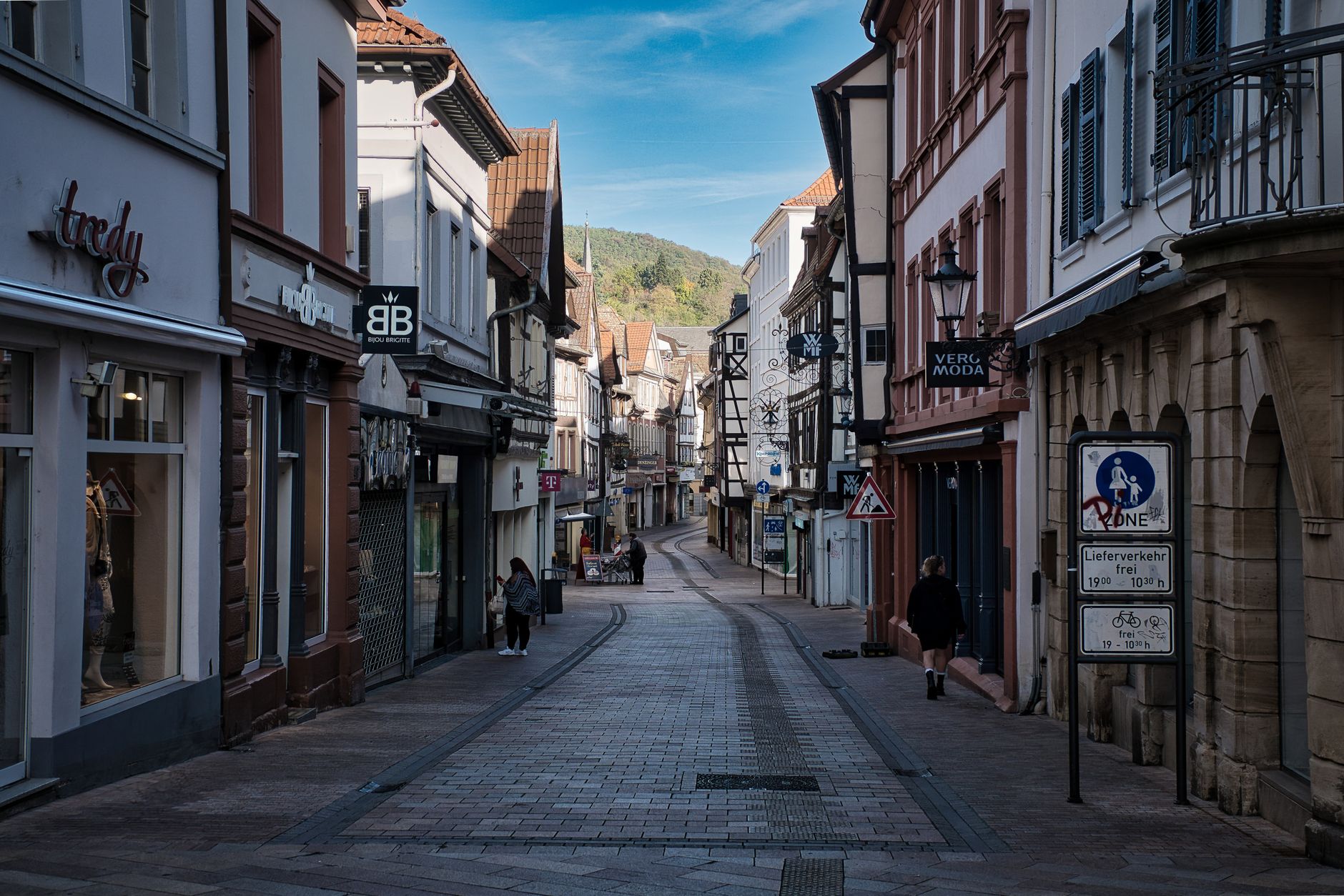
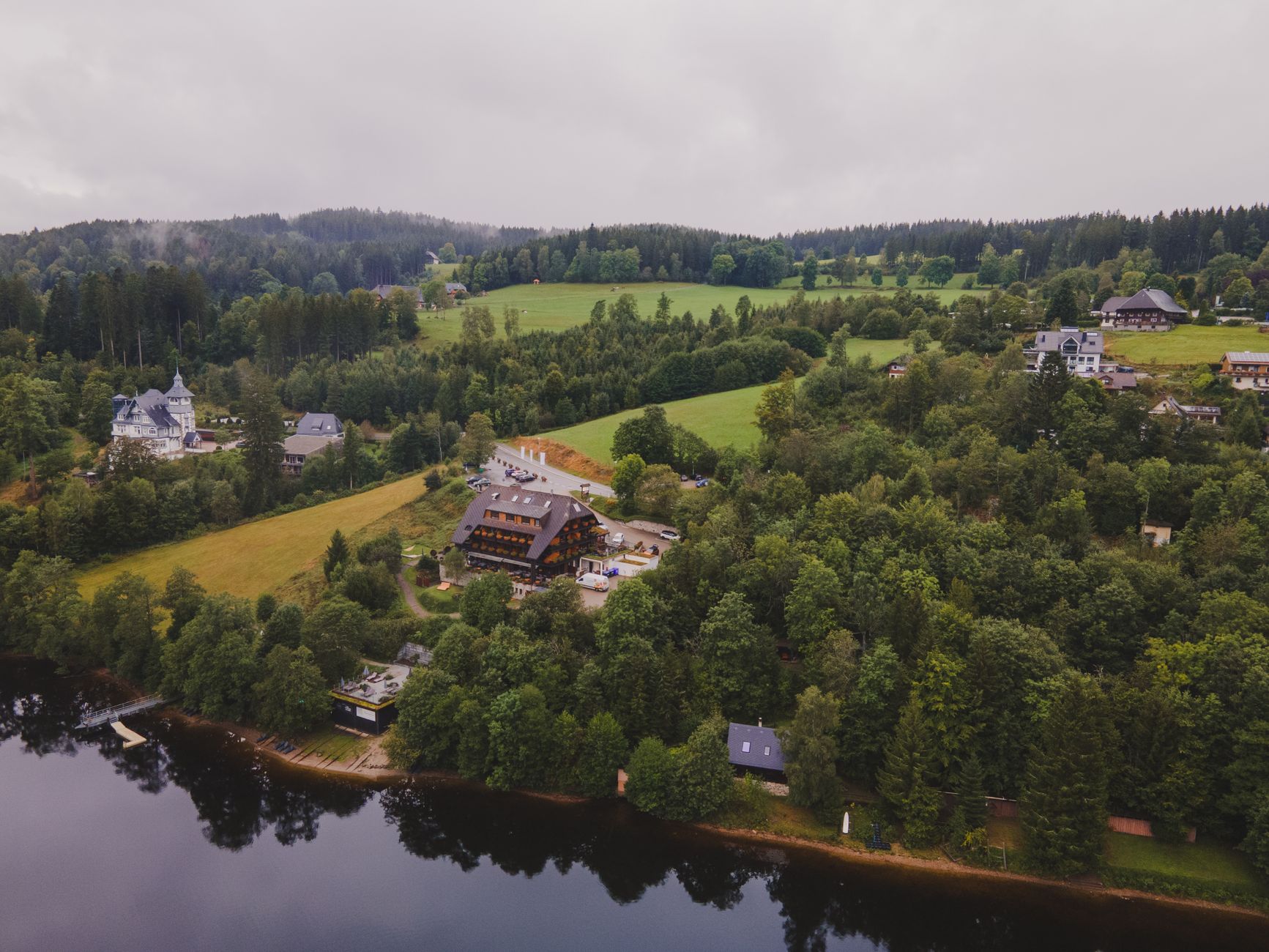
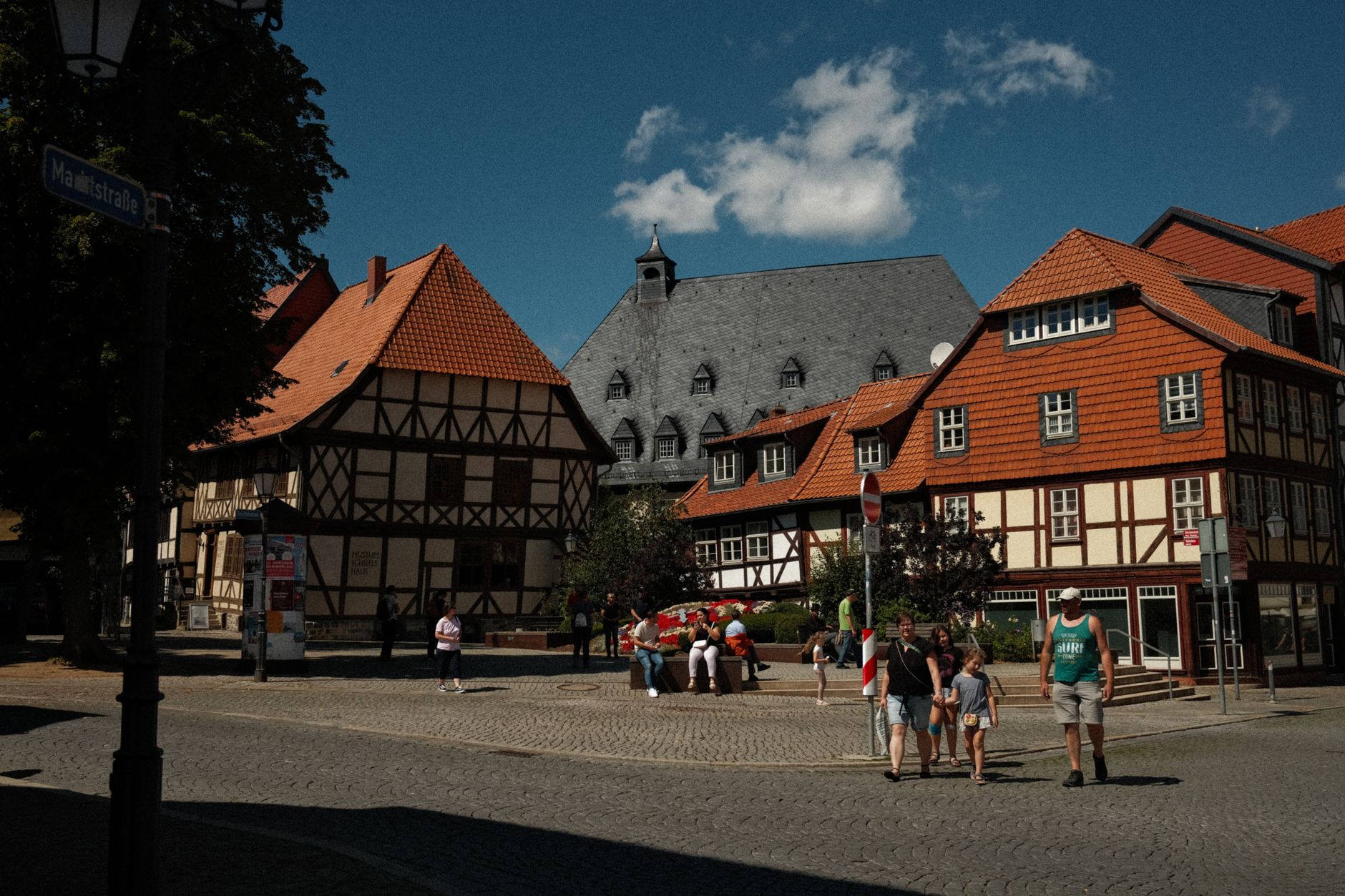
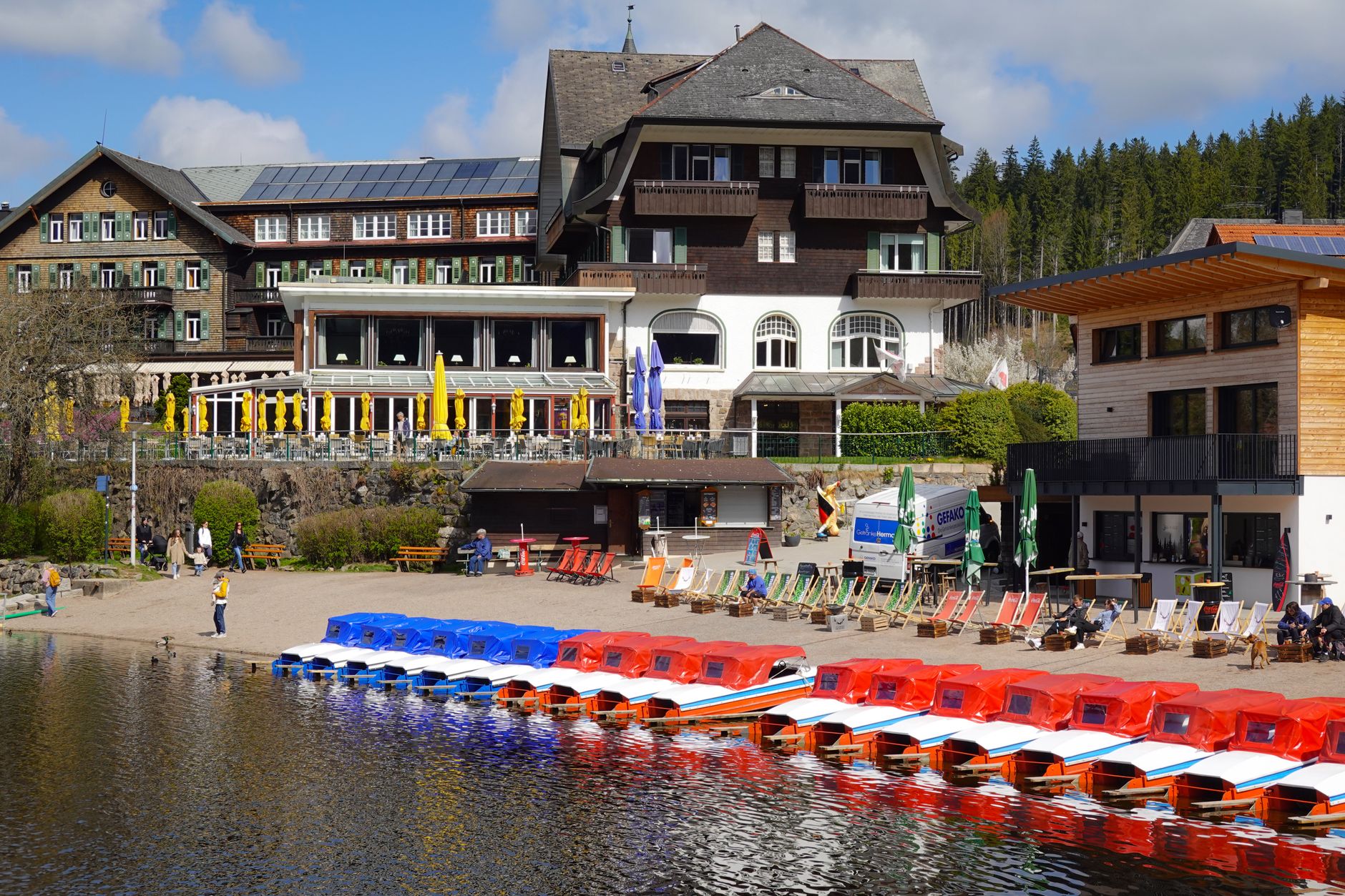
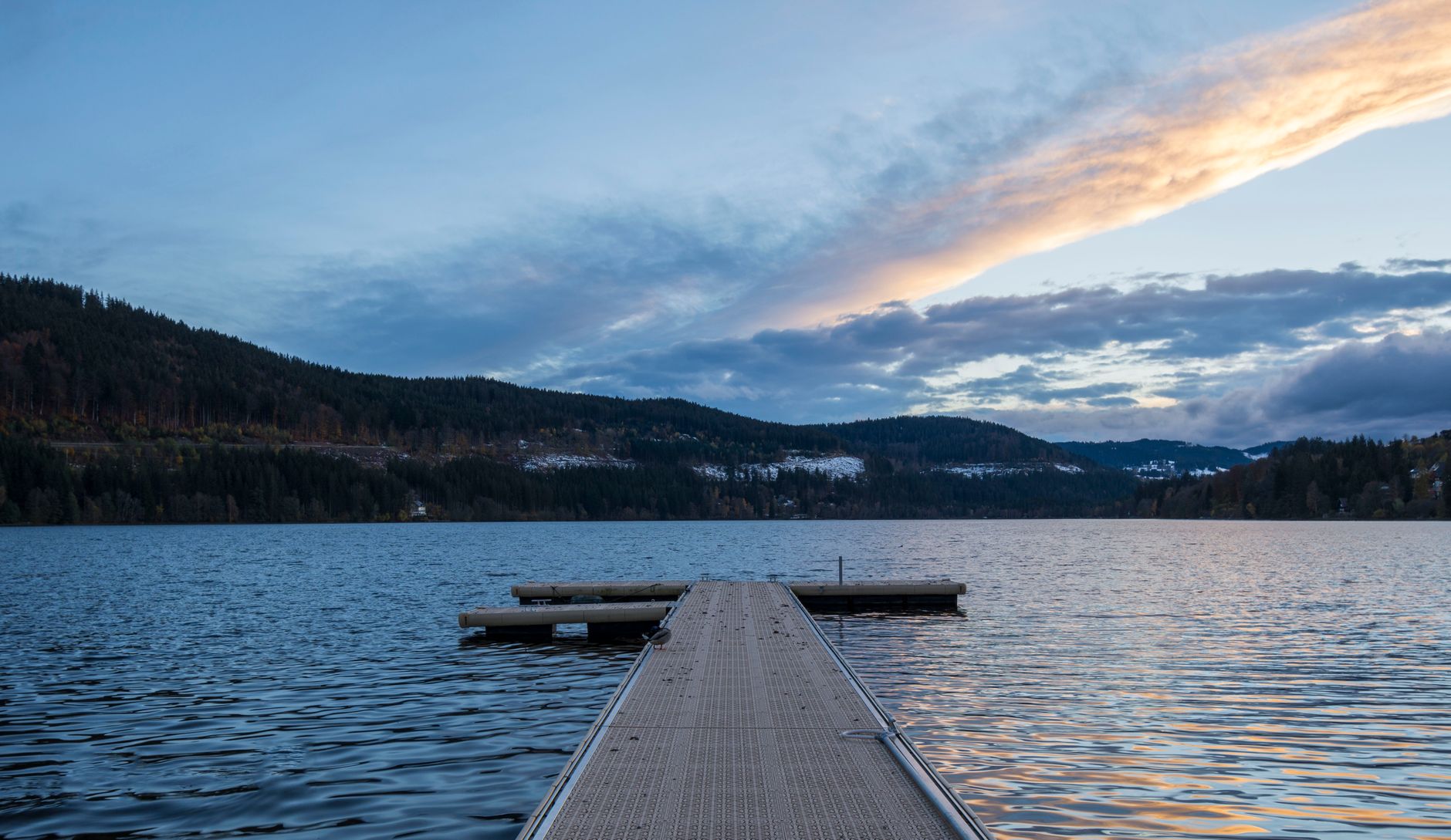
The lake comes before you expect it — a flat, dark sheet of water held in place by ancient glacier moraines, ringed by fir trees that run straight to the waterline. Titisee-Neustadt is two places that became one: the old market town of Neustadt, with its half-timbered streets and baroque church, and Titisee, the resort that grew up around the water after the railway arrived in 1887.
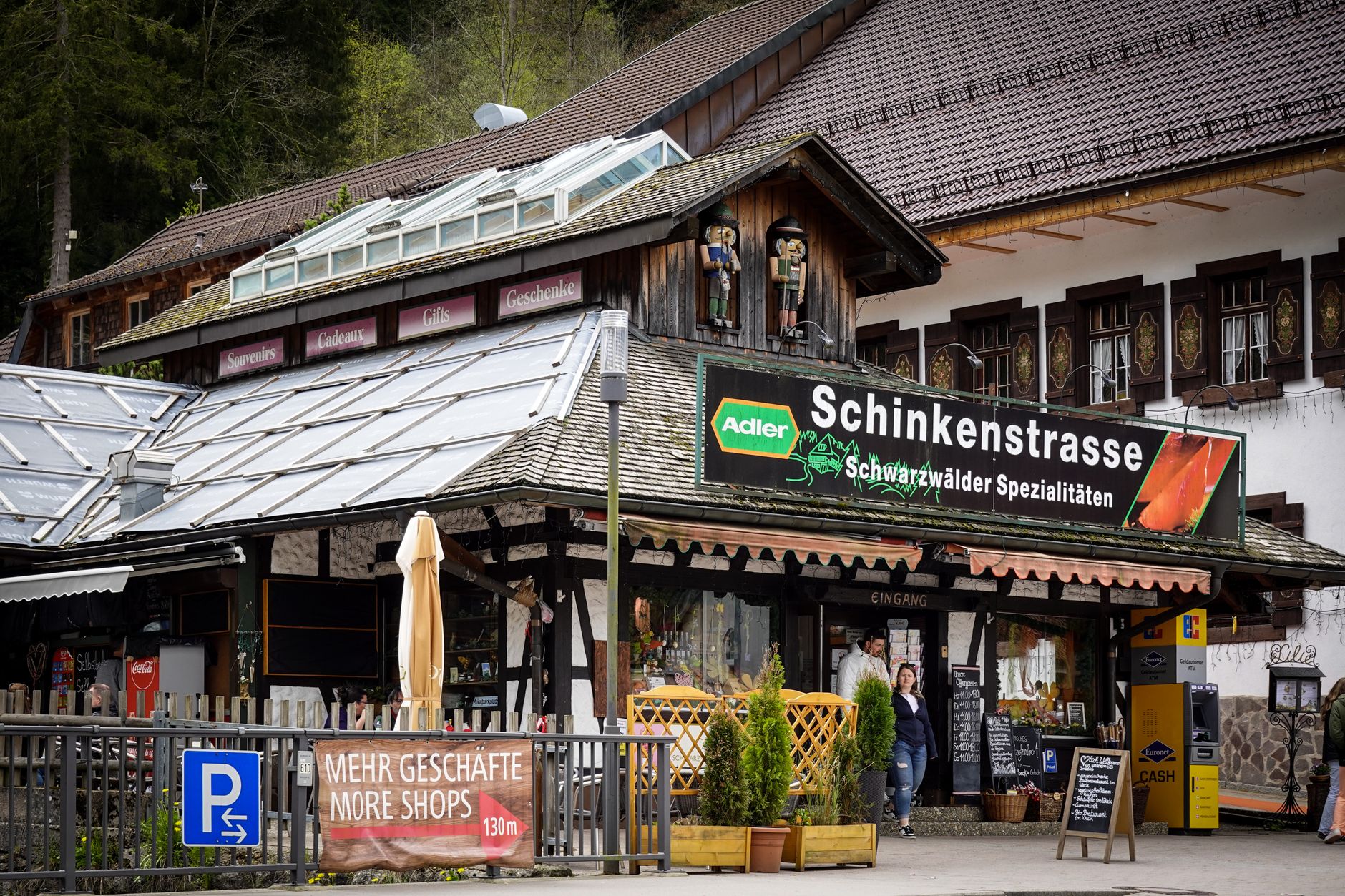
The lakeside Seestraße draws the crowds — excursion buses, cuckoo clock shops, Black Forest ham by the slice — and there is no point pretending otherwise. But the ski jump at Hochfirst still draws World Cup competitors each winter, the lake is genuinely cold and genuinely beautiful, and the train connections make this a practical base for a corner of the Black Forest that rewards patience.
💛 What travellers fall for
People who keep coming back tend to arrive by train from Freiburg — forty minutes, around nine euros, no parking drama in August. They walk past the souvenir strip quickly and find the quieter western shore. The KONUS guest card, issued free with any registered accommodation, covers that train ride and the regional buses, which changes the arithmetic of the whole stay.
Deals in Titisee-Neustadt
Book directly at the provider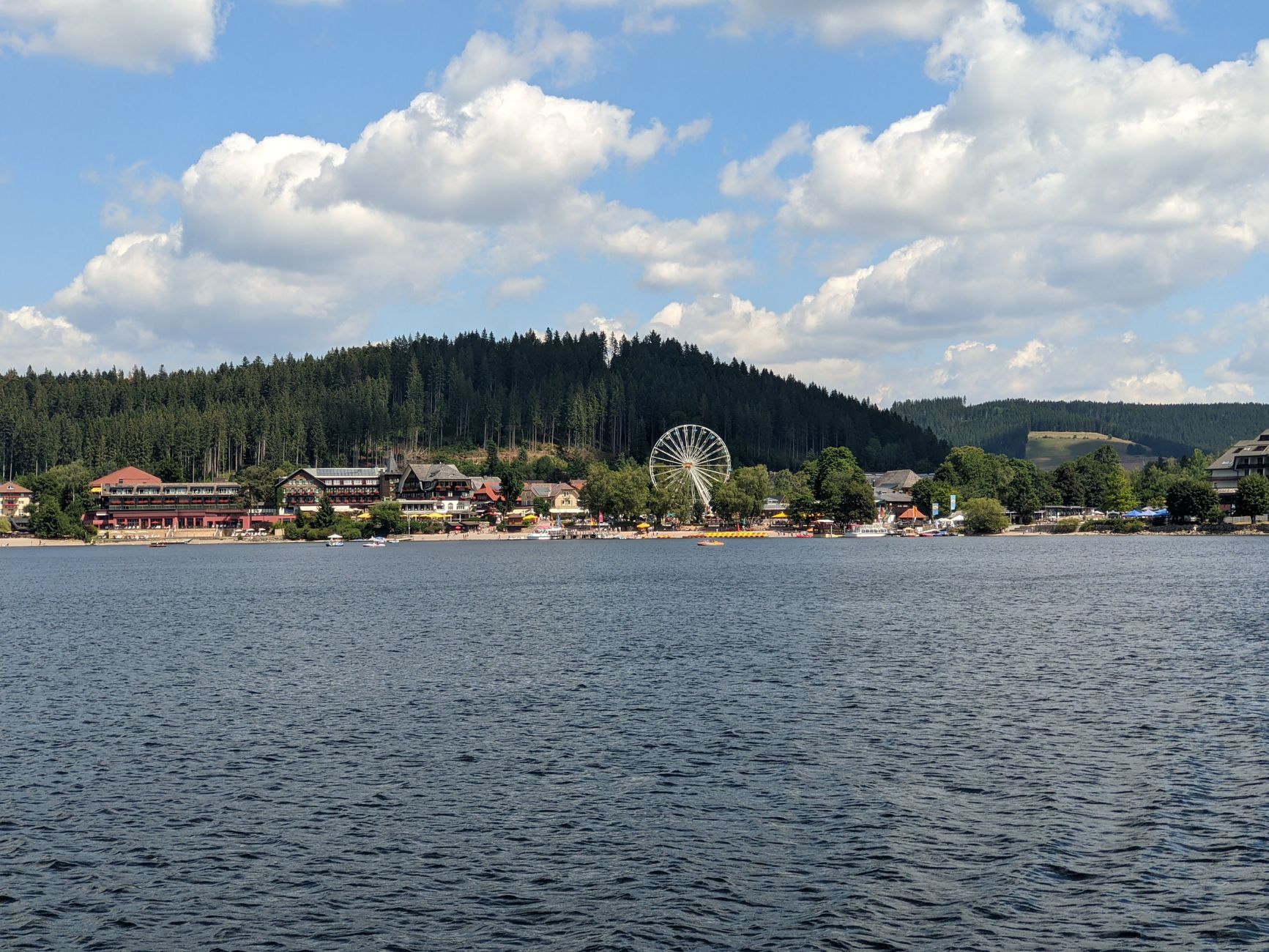
How Titisee-Neustadt came to be
Neustadt was first documented in 1275, and by the 16th century it had the half-timbered fabric that still survives in its old town. The Klösterle, a Capuchin monastery founded in 1669, now operates as a restaurant. The lake settlement — then called Viertäler — appears in a Turkish taxation list dated 11 November 1543, a bureaucratic footnote that quietly confirms how long people have been living beside this water.
The Höllentalbahn railway, completed to the area in 1887 and extended to Donaueschingen by 1902, turned what had been a remote valley into a destination. The town renamed itself after the lake on 1 May 1929, a small act of civic rebranding that acknowledged where the visitors were actually headed. The modern municipality took its current shape through a series of mergers between 1971 and 1974, joining Neustadt, Titisee, Rudenberg, and several surrounding villages into one administrative unit.
Who and what shaped it
People who shaped it
Landmark buildings
See Titisee-Neustadt in motion
Plan your visit
On the map
When to go
Summers are comfortable but genuinely wet — July averages a high of around 23°C with good sunshine, though cloud and rain are regular company. Winters are cold and snowy, with January daytime highs rarely above 4°C and close to 86 snow days recorded across the year, which is precisely why the ski jump at Hochfirst stays busy.
Right now
Background & history adapted from Wikipedia (CC BY-SA) · specs from Wikidata (CC0) · weather from Open-Meteo · map data © OpenStreetMap contributors · photos from Wikimedia Commons / Unsplash with per-image credit. No third-party reviews or social posts reproduced.