City

The Bronx

The Bronx
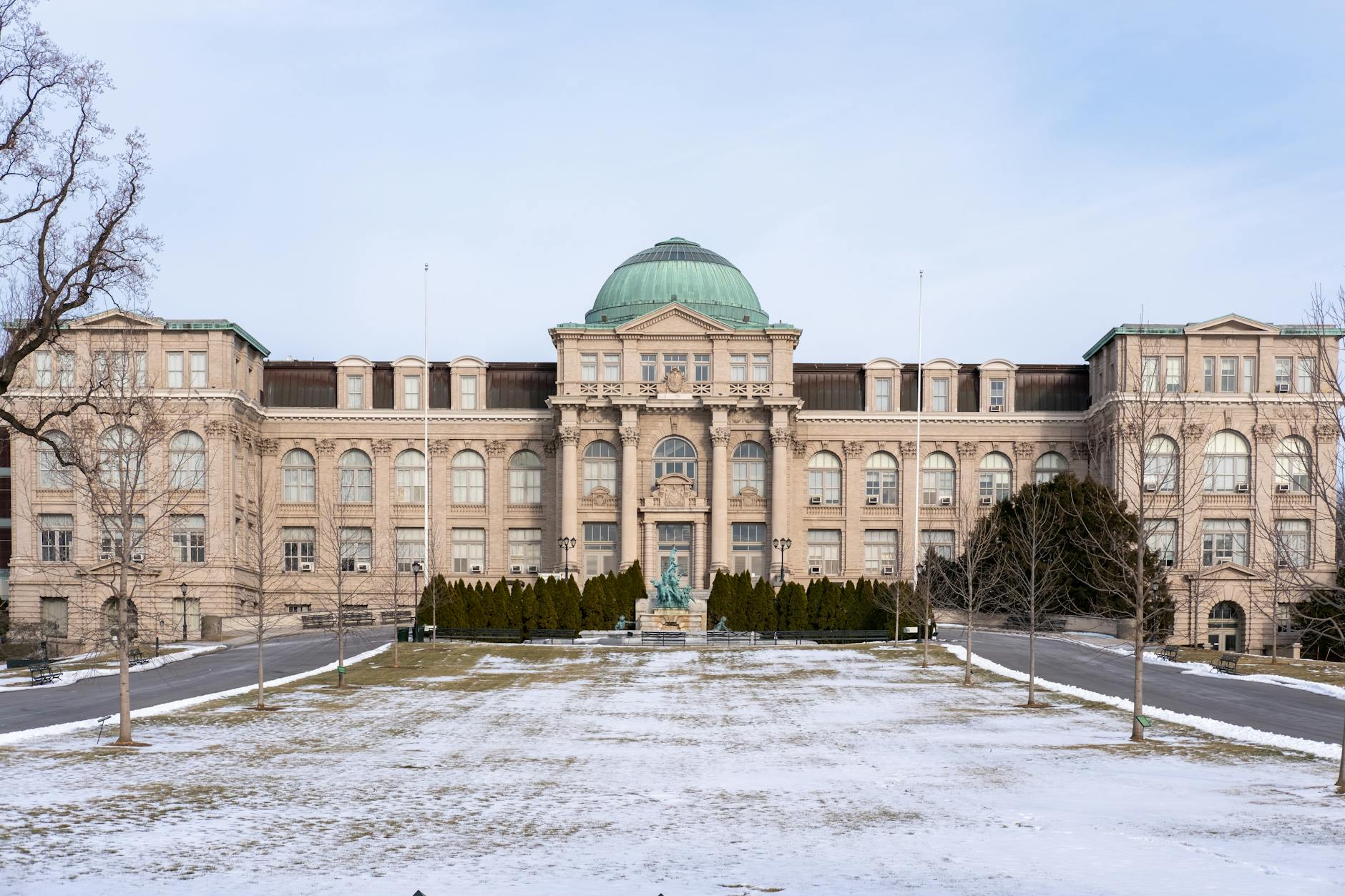
Photo by Darya Sannikova on Pexels
The Bronx
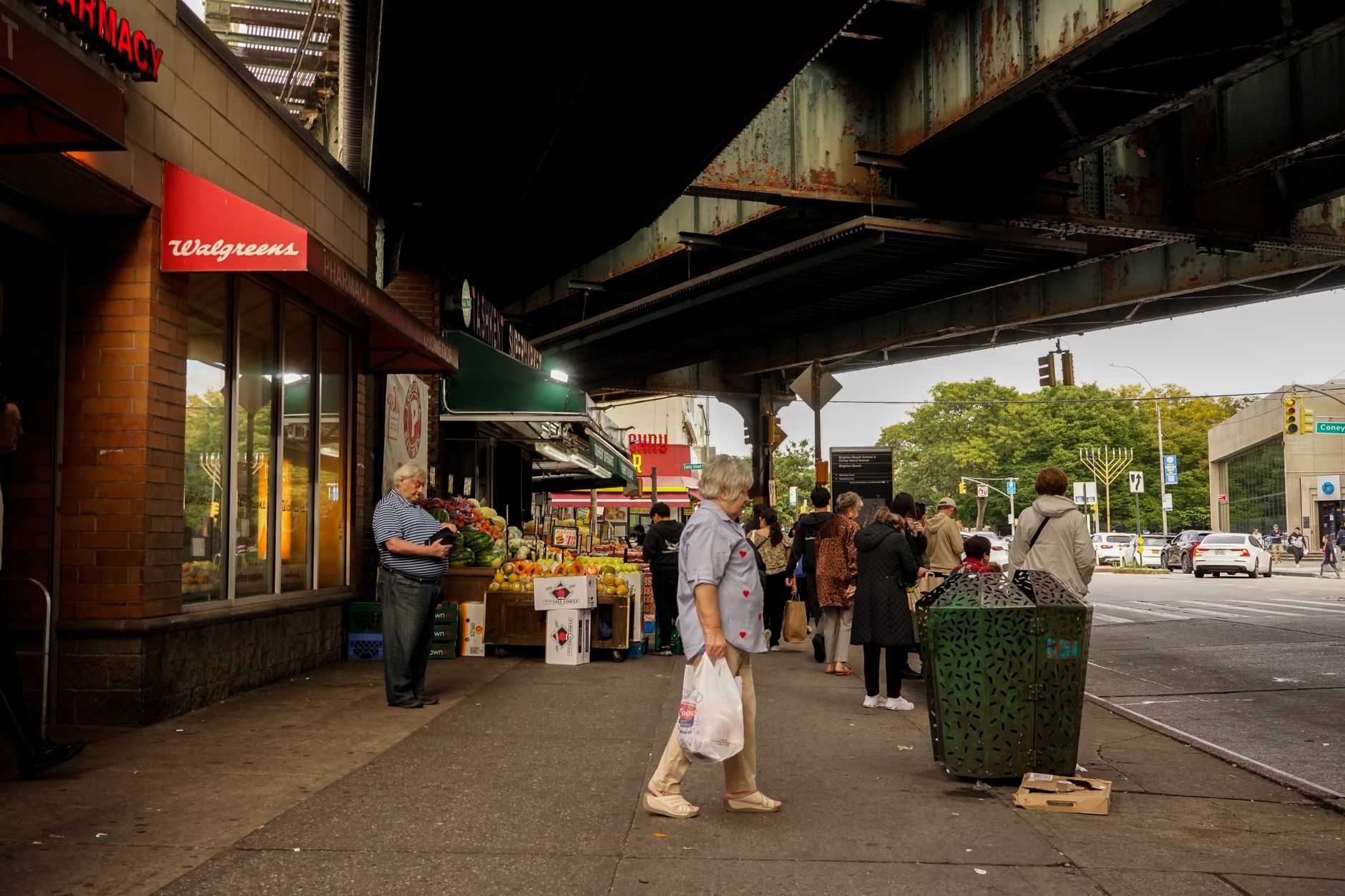
Photo by Pixabay on Pexels
The Bronx
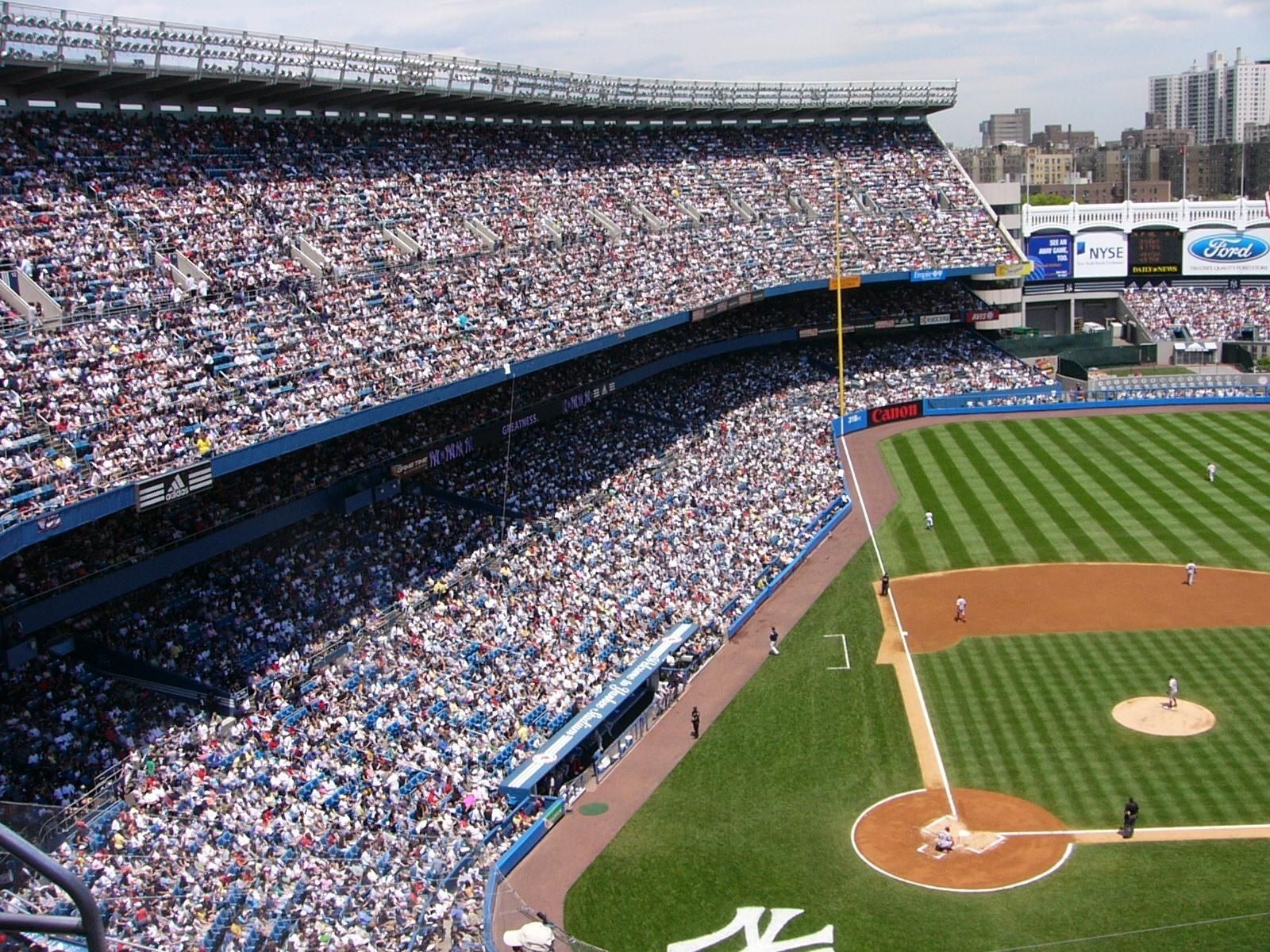
Photo by Airam Dato-on on Pexels
The Bronx
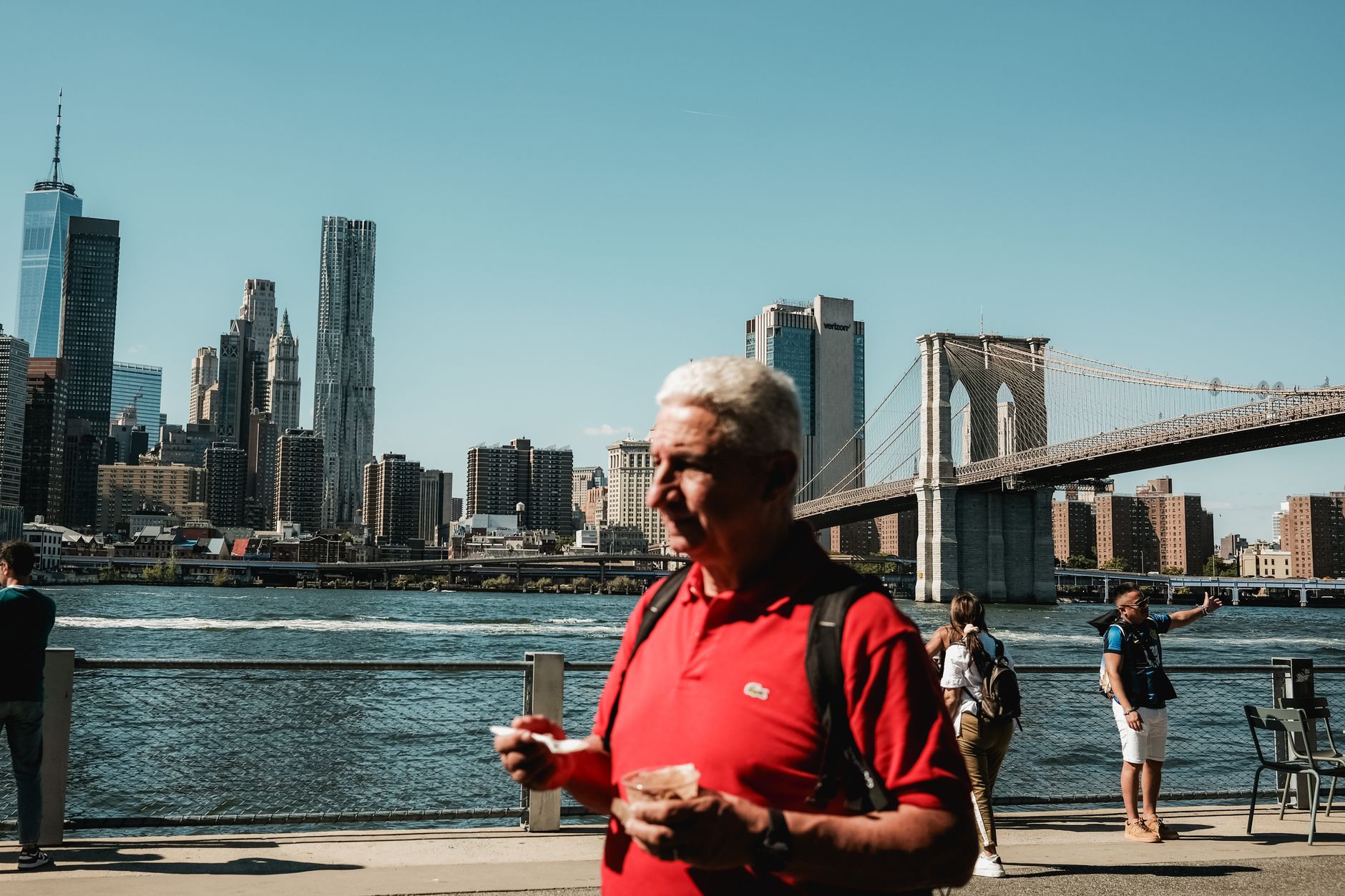
Photo by Fernando Gonzalez on Pexels

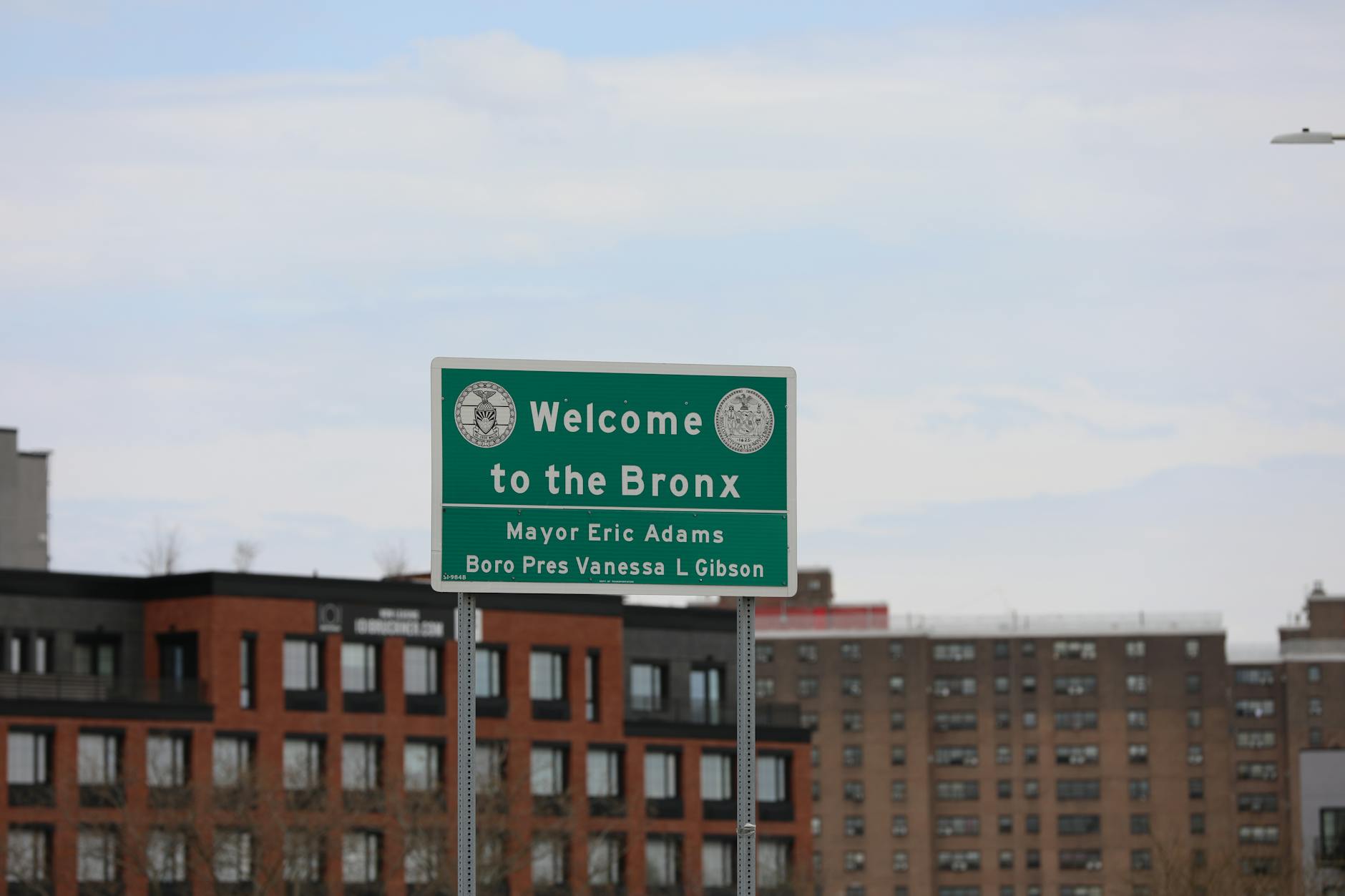
The only borough on the mainland, the Bronx sits just above Manhattan but operates on its own terms entirely. Start at the New York Botanical Garden, where the Thain Family Forest — thousands of years old and the largest remaining tract of original forest in New York City — grows quietly alongside the rose gardens and glass conservatory. This is a borough where a hemlock forest, a Greek Revival mansion, and the birthplace of hip hop can all claim equal ground.

The Bronx rewards lateral movement. Woodlawn Cemetery is a National Historic Landmark where Duke Ellington and Herman Melville are buried and guided tours are genuinely worth your time. Yankee Stadium anchors the south. Wave Hill, out in Riverdale, looks west over the Hudson toward the New Jersey Palisades.

💛 What travellers fall for

People who come back tend to build a loop: morning at the Botanical Garden before the crowds arrive, then lunch in Belmont — the neighborhood around Arthur Avenue — before an afternoon at the Bronx Zoo, the largest urban zoo in the country. The Edgar Allan Poe Cottage in Fordham surprises almost everyone who finds it.

Good to know
Seventy subway stations serve the borough; lines 4, B, and D are your main arteries. The zoo and Botanical Garden sit close enough to share a day. Spring and early fall give you the gardens at their best. Summer weekends at Yankee Stadium mean the surrounding streets fill fast — plan accordingly.

Deals in The Bronx

Book directly at the provider
The story

How The Bronx came to be

In June 1639, a Swedish immigrant named Jonas Bronck sailed from Holland to New Amsterdam with his wife and farmhands and established a farm he called Emmaus. He died in 1643, but the land kept his name — people would say they were going to visit the Broncks, and it stuck. The western portion was annexed to New York City in 1874, the eastern sections in 1895, and on January 1, 1898, the Bronx became a borough of Greater New York. Bronx County itself was formally separated from Manhattan in 1914.

The Grand Concourse rose in the early twentieth century as one of the borough's defining streets, and for decades the Bronx was a destination for working- and middle-class families. From the mid-1960s through the 1970s, arson waves and disinvestment gutted large parts of the South Bronx. Out of that same period came something else: the block parties in the early 1970s where Kool Herc, Afrika Bambaataa, Grandmaster Flash, and Grandmaster Caz built the foundations of hip hop. Population growth returned in the late 1990s and has continued since.

People & landmarks

Who and what shaped it

People who shaped it

Jonas Bronck
Swedish immigrant who established a farm called Emmaus in June 1639; the borough's name derives from his family.
Duke Ellington
Buried in Woodlawn Cemetery.
Herman Melville
Buried in Woodlawn Cemetery.
Kool Herc
Hip hop disc jockey active in the 1970s; helped establish the genre in the Bronx.
Afrika Bambaataa
Hip hop disc jockey active in the 1970s; helped establish the genre in the Bronx.
Grandmaster Flash
Hip hop disc jockey active in the 1970s; helped establish the genre in the Bronx.
Grandmaster Caz
Hip hop disc jockey active in the 1970s; helped establish the genre in the Bronx.
Willa Cather
Author who settled in the Bronx during the 19th and early 20th centuries.
Pierre Lorillard
Tobacco merchant who settled in the Bronx during the 19th and early 20th centuries.
Jordan L. Mott
Inventor who established Mott Haven in the Bronx.

Landmark buildings

Bronx Zoo
Opened 1898; largest urban zoological gardens in the United States.
New York Botanical Garden
Preserves the Thain Family Forest, a thousands-of-years-old hemlock forest and NYC's largest remaining original forest tract.
Yankee Stadium
Major League Baseball stadium; new facility built in 2008 adjacent to the original site.
Edgar Allan Poe Cottage
Final residence of the writer, where he lived in his last years and wrote some of his best works.
Van Cortlandt House Museum
Built 1748; oldest house in the Bronx, used as a patriot safe house and war headquarters during the Revolutionary War.
Bartow-Pell Mansion Museum
19th-century Greek Revival mansion with original furniture, artwork, and gardens documenting wealthy New York life.
Woodlawn Cemetery
National Historic Landmark and one of the most significant historic cemeteries in the United States; offers guided tours.
Grand Concourse
Built in the early 20th century; became one of the most important streets in the Bronx.
Bronx Opera House
Located at 436-442 East 149th Street; designed by theater architect George Keister as part of the Subway Circuit for Broadway productions.
Engine Company 88/Ladder Company 38 Firehouse
Built at the turn of the 20th century to serve Belmont; designed by Herts & Tallant, Broadway theater architects.
Bronx Central Office of the Fire Alarm Telegraph Bureau
Constructed early 1900s in Italian Renaissance Revival style; designed by Brooklyn architect Frank J. Helmle.
Wave Hill
Former estate of George W. Perkins in Riverdale; features historic house, gardens, art installations, and concerts overlooking the Hudson and New Jersey Palisades.
Practical

Plan your visit

On the map

When to go

New York winters reach the Bronx fully — cold, occasionally snowy, and raw near the water. Summers are hot and humid, though the tree cover in the Botanical Garden and Van Cortlandt Park makes a difference. April through June and September through October are the most comfortable months to move around outside.

Right now

☀️
30°C
Clear
Fri
31°
21°
Sat
🌦️
31°
21°
Sun
29°
21°
Mon
29°
19°
Weather data: Open-Meteo

Background & history adapted from Wikipedia (CC BY-SA) · specs from Wikidata (CC0) · weather from Open-Meteo · map data © OpenStreetMap contributors · photos from Wikimedia Commons / Unsplash with per-image credit. No third-party reviews or social posts reproduced.

Top