
Taltal
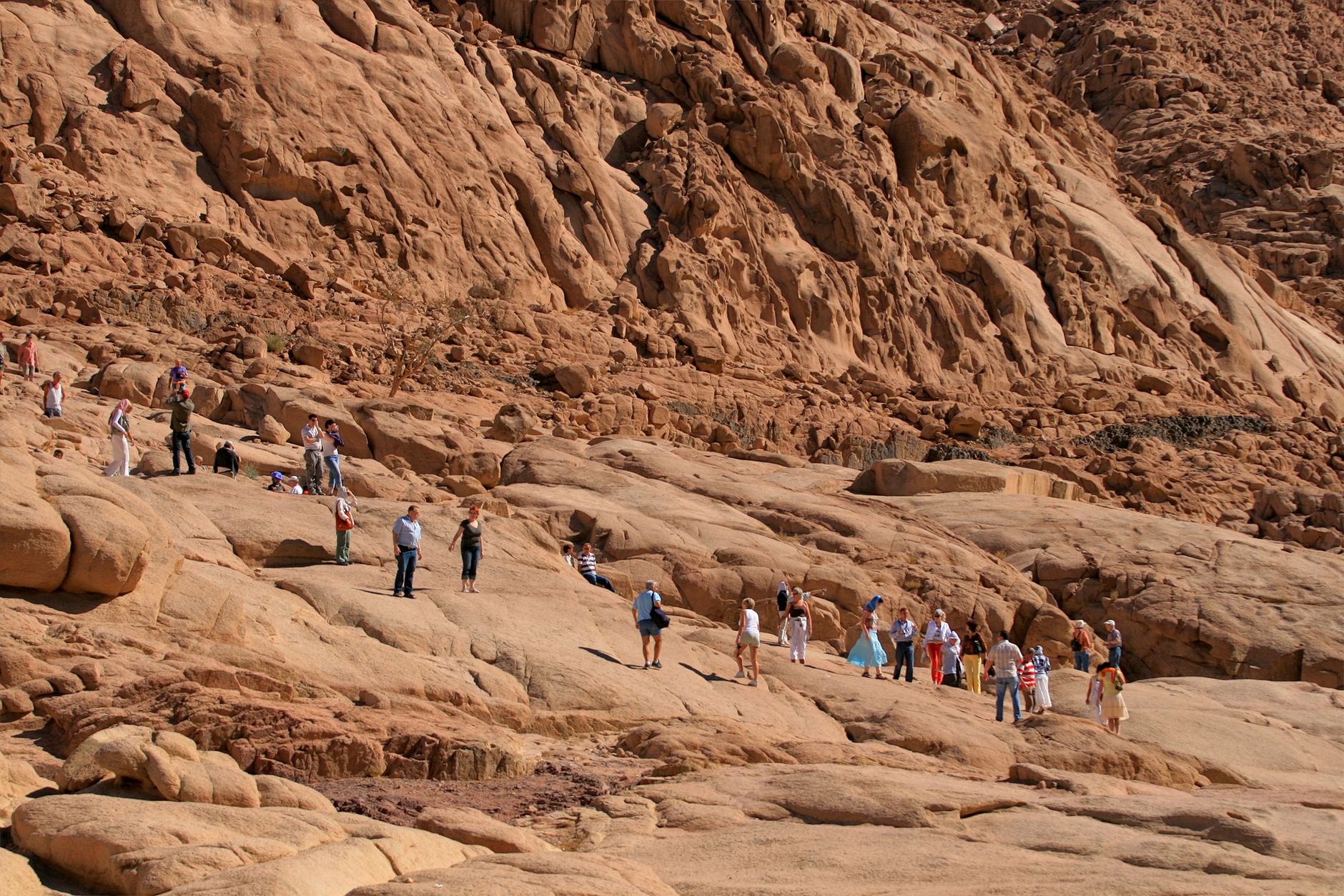
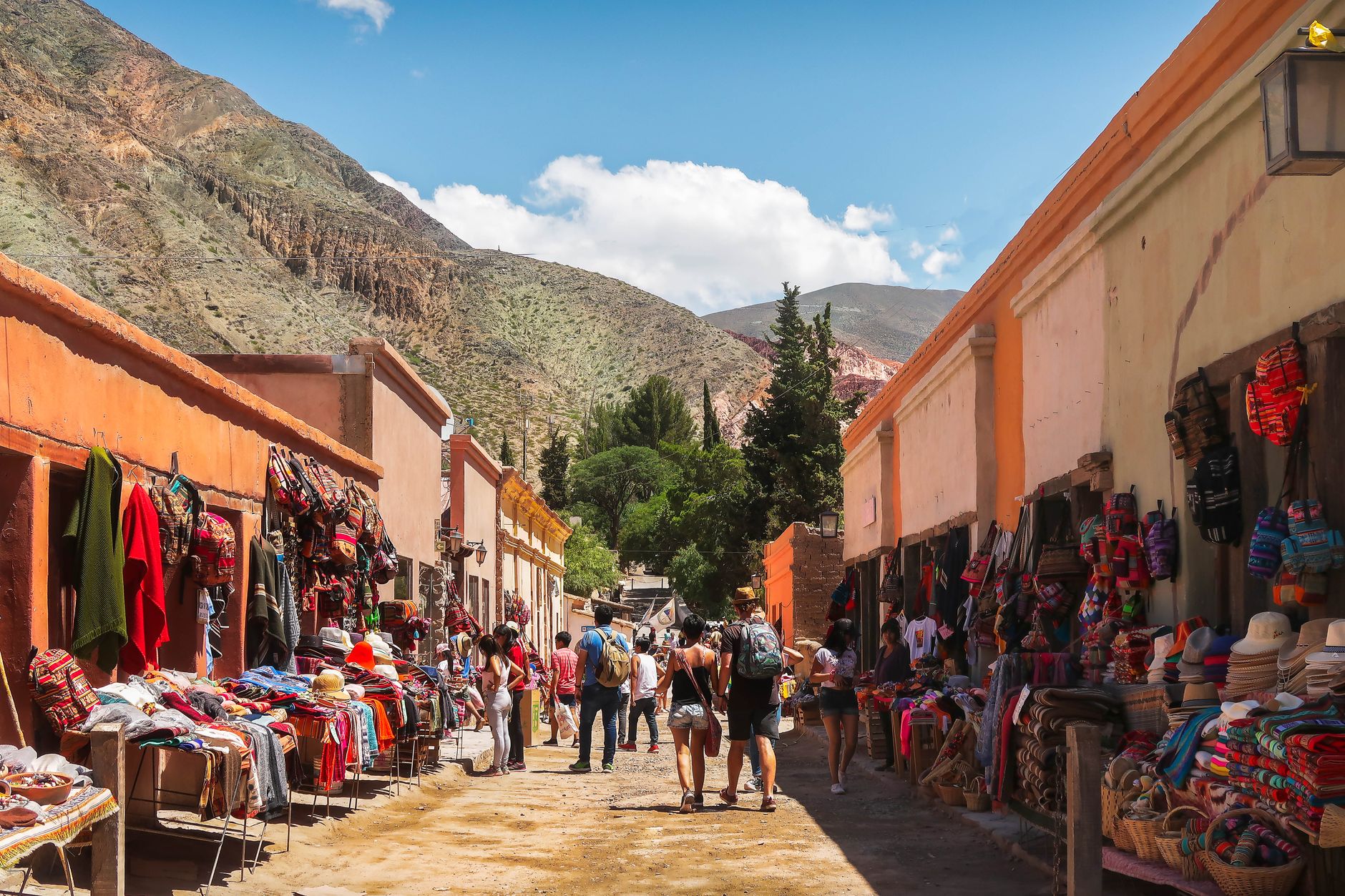
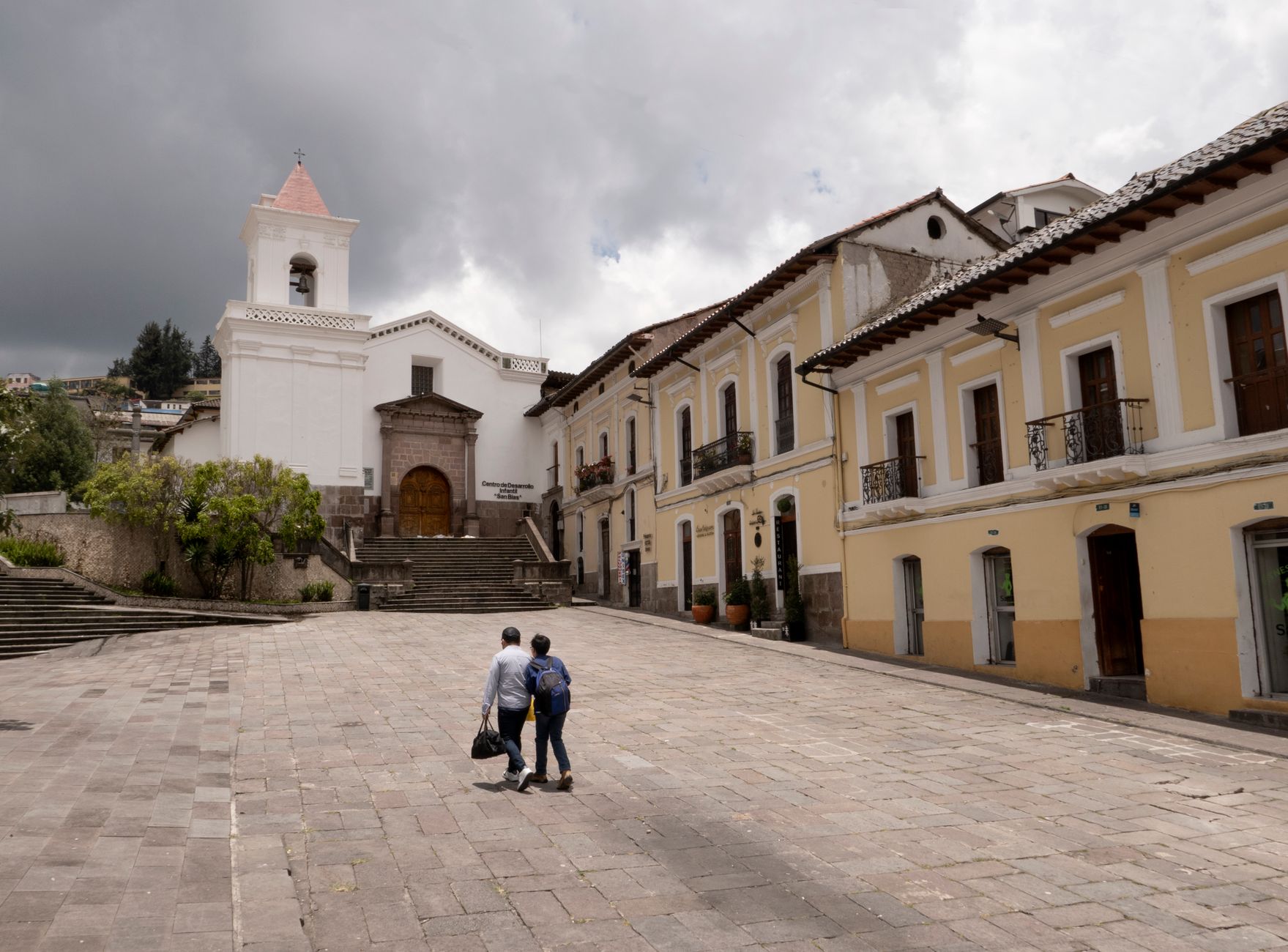


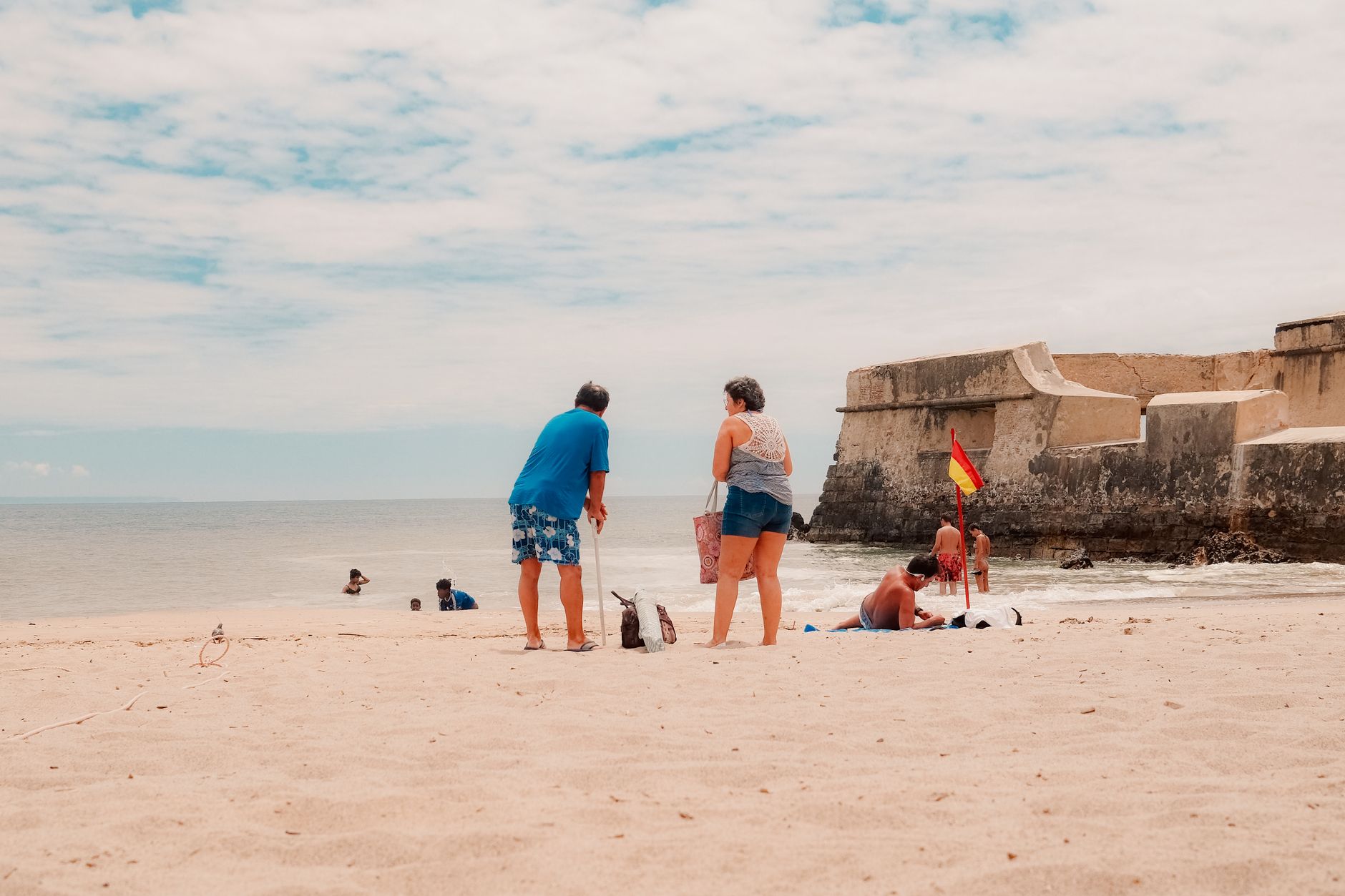
Stand in Taltal's central plaza on a warm evening and you'll hear the town before you see it — music drifting from somewhere, the crack of laughter, the soft percussion of spoons on ice cream cups. This small coastal city sits at the edge of the Atacama on Chile's northern shore, the Pacific pressing in from the west and one of the driest landscapes on earth stretching out to the east.
Under the quiet surface, Taltal holds an unusual depth. A 12,000-year-old iron oxide mine discovered here in 2008 is the oldest ever found in the Americas. The ornate bones of a British-era nitrate boom — a theatre, a Protestant church, a railway — still stand along streets that once served the third-largest nitrate port in Chile.
💛 What travellers fall for
People who come back tend to mention El Andino and its completo — a Chilean hotdog loaded with tomato and avocado that locals consider the finest in the country. They also mention the coastal walk to the iron oxide mine site, two or three kilometres out of town, where the cliffs go rust-red and there's rarely another person in sight.
Deals in Taltal
Book directly at the provider
How Taltal came to be
José Antonio Moreno opened the copper mine El Cobre around 20 km north of Taltal in 1850, then expanded south to the coast. The port was formally recognised by decree on July 12, 1858. The real transformation came in 1876 with the opening of potassium nitrate mines, and by 1882 a British-built railway — the Taltal Railway Company — connected the coast to the mines at Cachinal de la Sierra. The town swelled to over 30,000 people at its peak in the 1930s.
When synthetic nitrates collapsed the market, Taltal contracted sharply. The railway was sold off in 1954 and dismantled by 1970. A mudflow in June 1991 damaged parts of the city. What remains is a compact, unhurried port town with an architectural record — the Alhambra Theatre (1921), the Plaza Hotel (1898), railroad houses from 1886 — that its 11,000 or so current residents live quietly alongside.
Who and what shaped it
People who shaped it
Landmark buildings
See Taltal in motion
Plan your visit
On the map
When to go
Taltal is reliably dry and mild year-round, with temperatures almost always sitting between 11°C and 23°C — warm summer days, cool winter nights, and annual rainfall that amounts to less than a single millimetre. The Humboldt Current keeps a steady coastal breeze running; December through February brings the warmest days and the most visitors.
Right now
Background & history adapted from Wikipedia (CC BY-SA) · specs from Wikidata (CC0) · weather from Open-Meteo · map data © OpenStreetMap contributors · photos from Wikimedia Commons / Unsplash with per-image credit. No third-party reviews or social posts reproduced.