
Tafalla
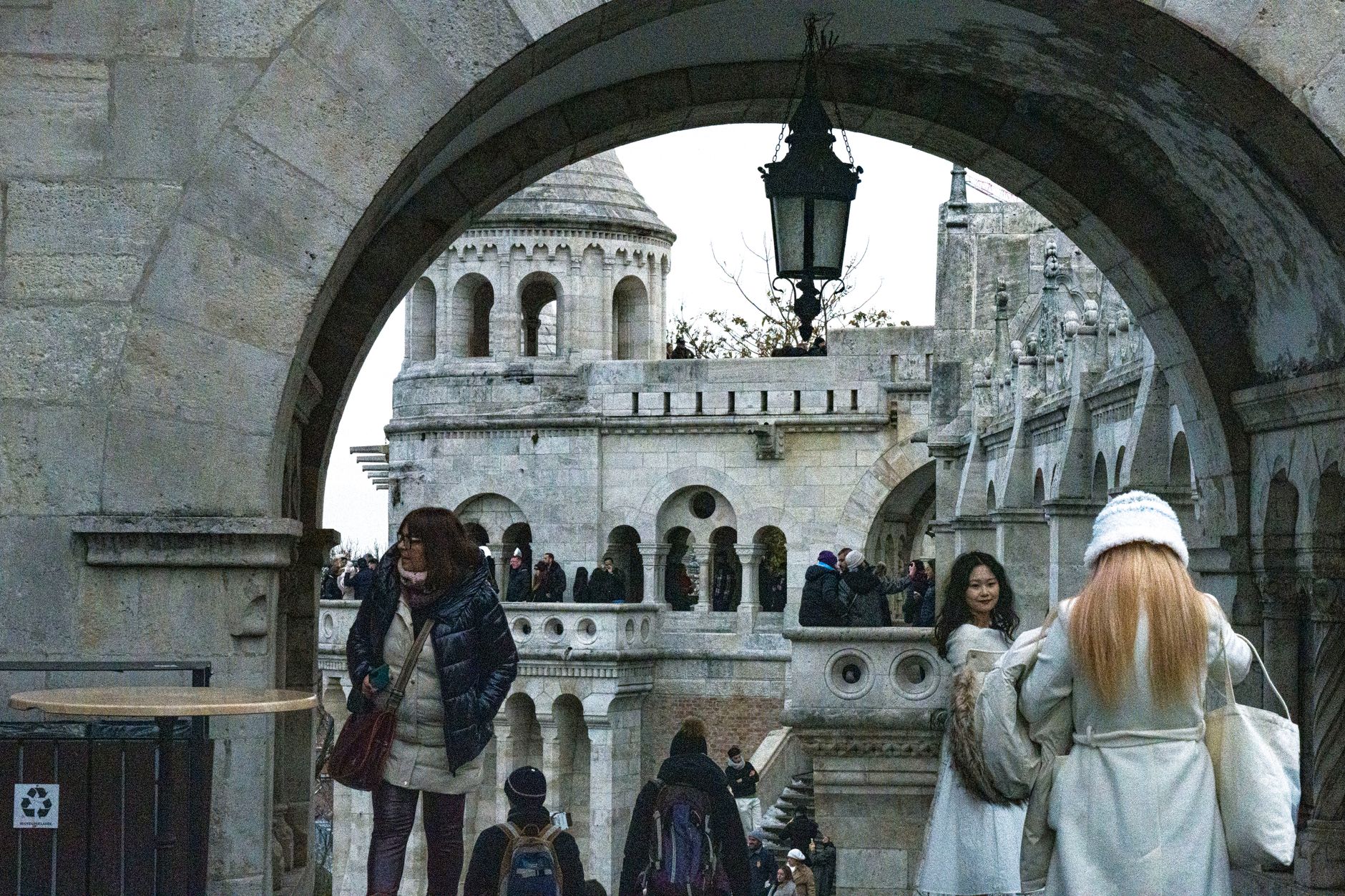
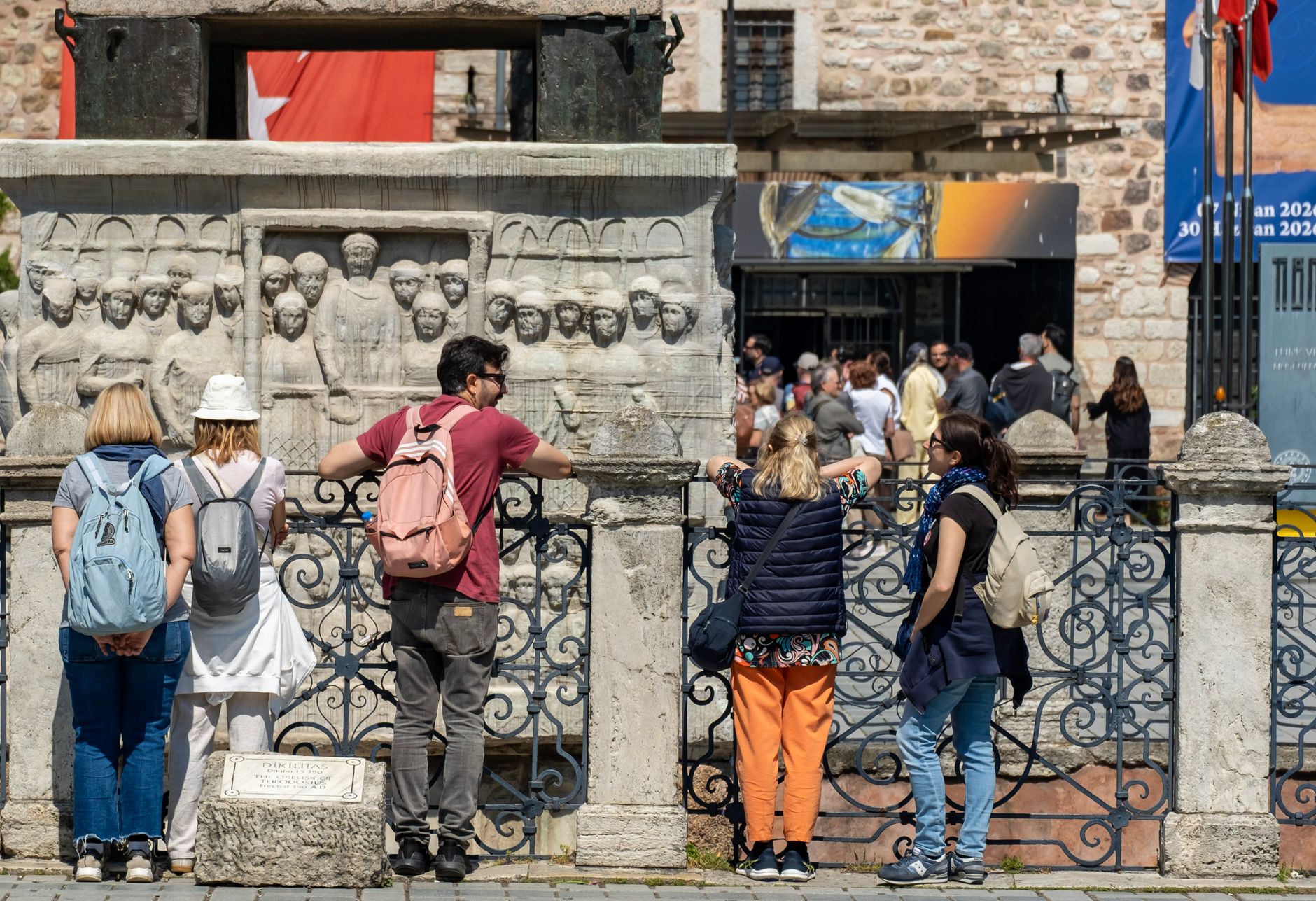
The name Tafalla almost certainly comes from the Arabic *Al-Tafaylla* — 'where the crops begin' — and that etymology still holds. The River Cidacos runs along the edge of town, and the market gardens it feeds have defined the place since Arab chroniclers first noted a settlement here in the tenth century. Thirty kilometres south of Pamplona, Tafalla sits at a quiet remove from the San Fermín circus, with its own compact medieval quarter, two serious churches, and a central square built on the ghost of a royal palace.
The oldest neighbourhood, La Peña, climbs a slope above the modern centre and rewards the detour: restored stone lanes, the proto-Gothic Shrine Chapel of San Nicolás, and the kind of stillness that mid-sized Spanish towns do better than anywhere.
💛 What travellers fall for
People who come back tend to time a visit around the October medieval fair in the old town, when the lanes of La Peña fill with traders and the whole quarter makes sudden sense. They also mention the altarpiece inside Santa María — easy to miss if you arrive at the wrong hour, worth asking locally about access.
Experiences you don't want to miss



Deals in Tafalla
Book directly at the provider


How Tafalla came to be
Tafalla enters the written record in 924, when the Andalusian chronicler Arib Ibn Said recorded a raid by Abd al-Rahman III on this settlement along the Cidacos. The name it carried then — Al-Tafaylla — suggests the town had already been farming this valley for some time before it attracted military attention.
The medieval peak came under Carlos III of Navarre, known as 'the Noble', who granted the town a fair in 1418, a seat in the Cortes in 1423, and declared its people free men. He also built a royal palace here, reputedly linked by underground tunnel to his grander residence at Olite. That palace did not survive: French troops occupied Tafalla in 1808, turning it into barracks, and the fighting that followed in 1812 — when guerrilla commander Espoz y Mina retook the city — destroyed both the palace and the convent of San Francisco. The rubble was cleared in 1856 to make way for the Plaza de Navarra, where the town hall now stands.
Who and what shaped it
People who shaped it
Landmark buildings
See Tafalla in motion
Plan your visit
On the map
When to go
Summer days push to around 30°C and stay dry, with long clear evenings well into September. Winters are cold and partly overcast, with most of the annual rain falling between November and March; if you visit in January, expect around 11°C and pack accordingly.
Right now
Background & history adapted from Wikipedia (CC BY-SA) · specs from Wikidata (CC0) · weather from Open-Meteo · map data © OpenStreetMap contributors · photos from Wikimedia Commons / Unsplash with per-image credit. No third-party reviews or social posts reproduced.