
Suhl
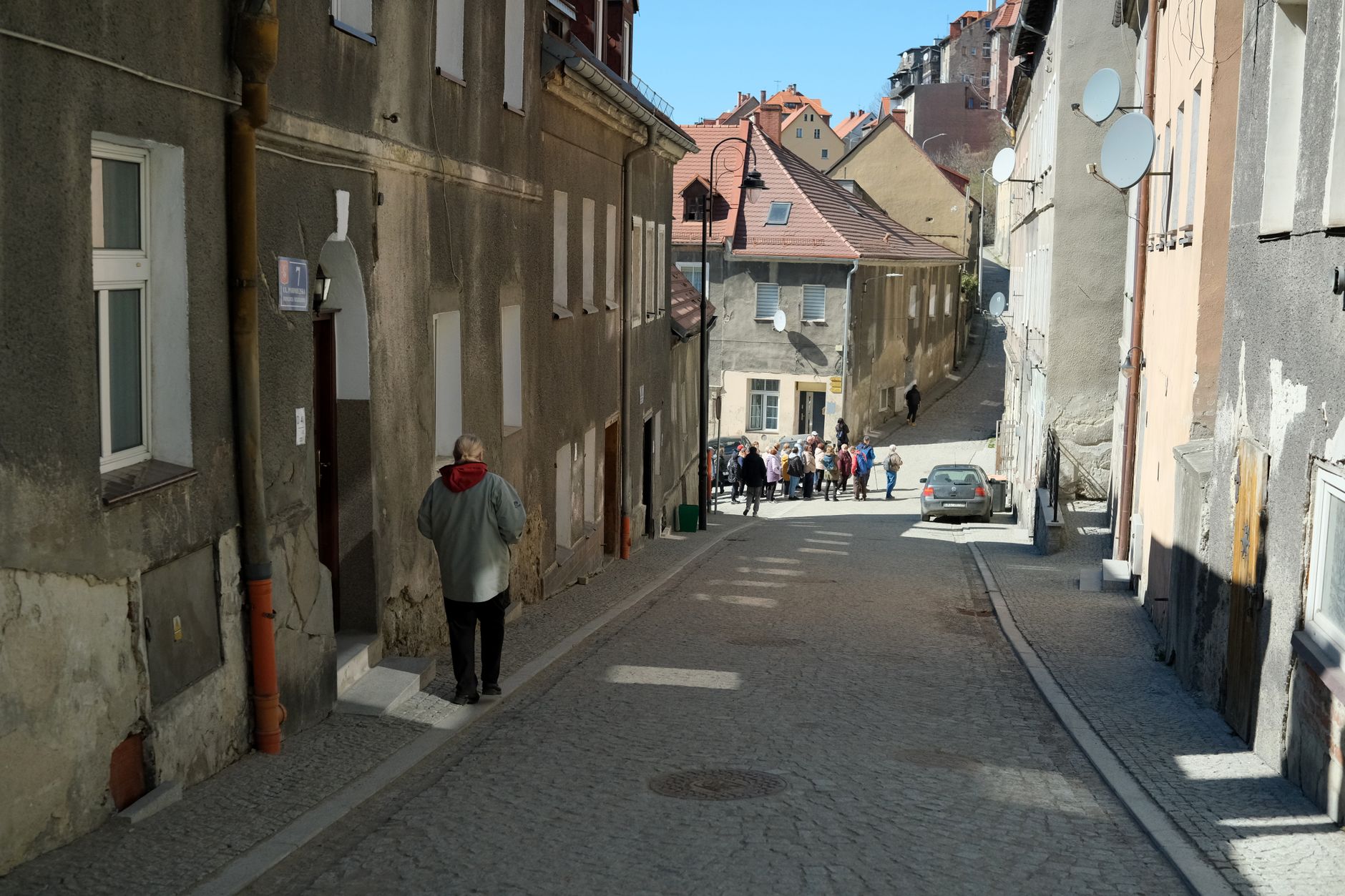
Suhl sits in a fold of the Thuringian Forest with a specific claim on European history: for three centuries, the guns of the continent were made here. Iron ore in the hills, charcoal from the forests, rivers to drive the forges — the geography wrote the economy, and the economy wrote the city. A fire in 1753 erased the medieval town almost entirely, and what replaced it came up in late-Baroque and Rococo stone. Then the GDR added its own layer: concrete civic buildings that still define the centre today, giving Suhl a doubled skyline unlike anywhere nearby.
The arms legacy is neither shy nor simple here. The Waffenmuseum traces it honestly, and the name J.P. Sauer & Sohn still carries weight among hunters worldwide. But Suhl is also the city that produced the Simson moped — a vehicle that became, for many East Germans, a first taste of independent movement.
💛 What travellers fall for
People who come back tend to combine the Waffenmuseum and the Fahrzeugmuseum on the same day — the two together tell a more complete story of Suhl's industrial identity than either does alone. The Ottilia Chapel on its rocky outcrop rewards the short walk up, and the observatory on Hoheloh hill, still running its original Zeiss projector, is worth timing an evening around.
Deals in Suhl
Book directly at the provider


How Suhl came to be
A place called Sulaha appears in Fulda Abbey records as early as the ninth century, though Suhl's first firm documentary mention comes from 1318. It was chartered in 1527, by which point the arms trade was already shaping its identity. Iron ore, forest charcoal, and river-powered forges combined to make the city the dominant weapons-manufacturing centre in German-speaking Europe — by 1631, with a population of 7,000, it carried the epithet 'Rüstkammer Europas': Arsenal of Europe.
A catastrophic fire in 1753 destroyed the medieval fabric almost completely. The city that rose in its place was built in late-Baroque and Rococo styles, including St. Mary's Church, completed by 1756. Prussia absorbed Suhl in 1815. American troops arrived on 3 April 1945; Soviet forces took over that July. Under the GDR, Suhl became capital of the Bezirk Suhl, serving a region of 550,000 people — a status it lost entirely after reunification in 1990, after which the population fell by roughly a third.
Who and what shaped it
People who shaped it
Landmark buildings
See Suhl in motion
Plan your visit
On the map
When to go
Summers are comfortable — July averages around 23°C in the day and brings the most sunshine, making June and July the clearest window for a visit. Winters are cold and genuinely snowy, with January daytime highs around 3°C and overnight temperatures dropping below freezing.
Right now
Background & history adapted from Wikipedia (CC BY-SA) · specs from Wikidata (CC0) · weather from Open-Meteo · map data © OpenStreetMap contributors · photos from Wikimedia Commons / Unsplash with per-image credit. No third-party reviews or social posts reproduced.