
Steinbach-Hallenberg
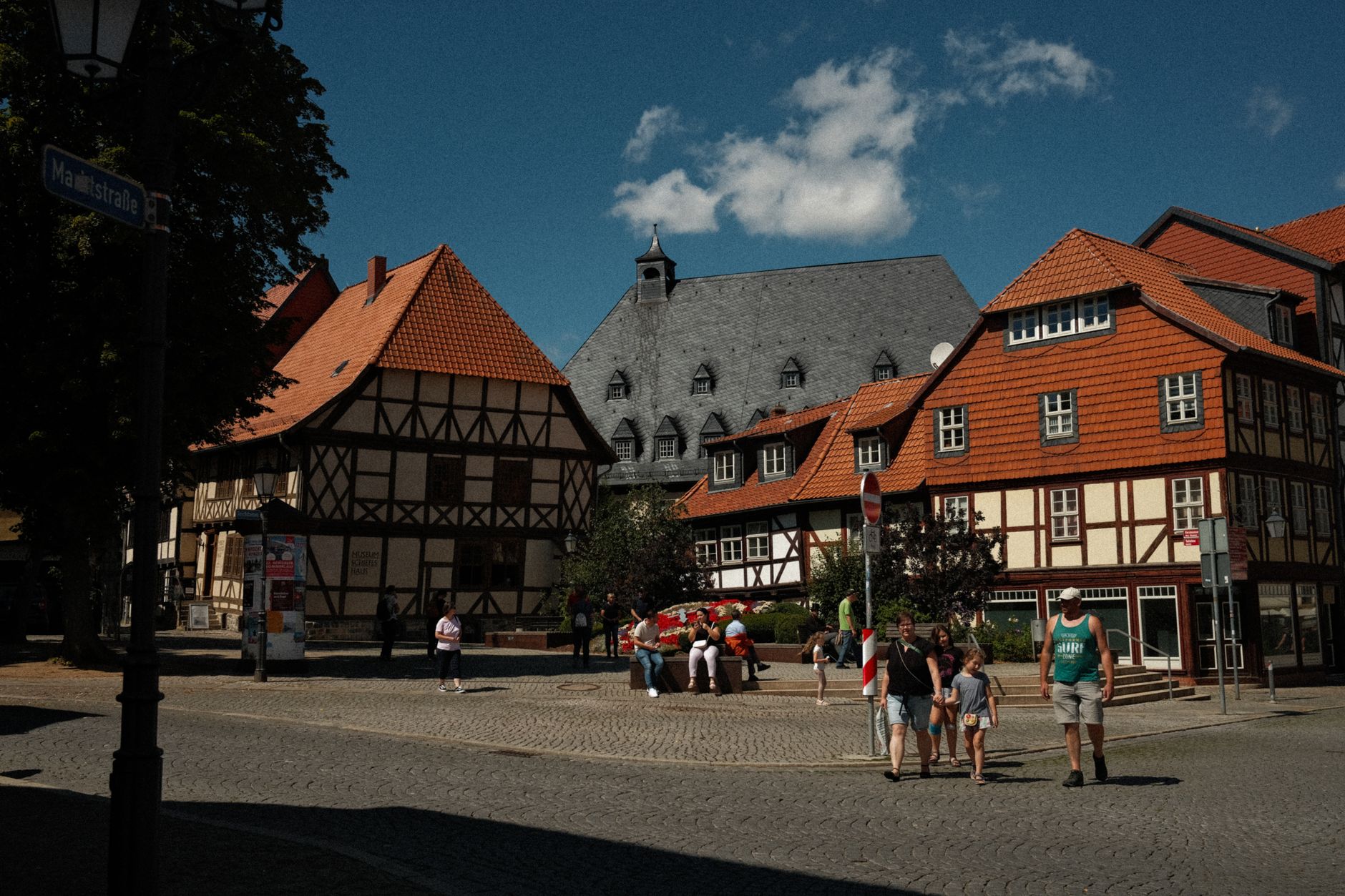
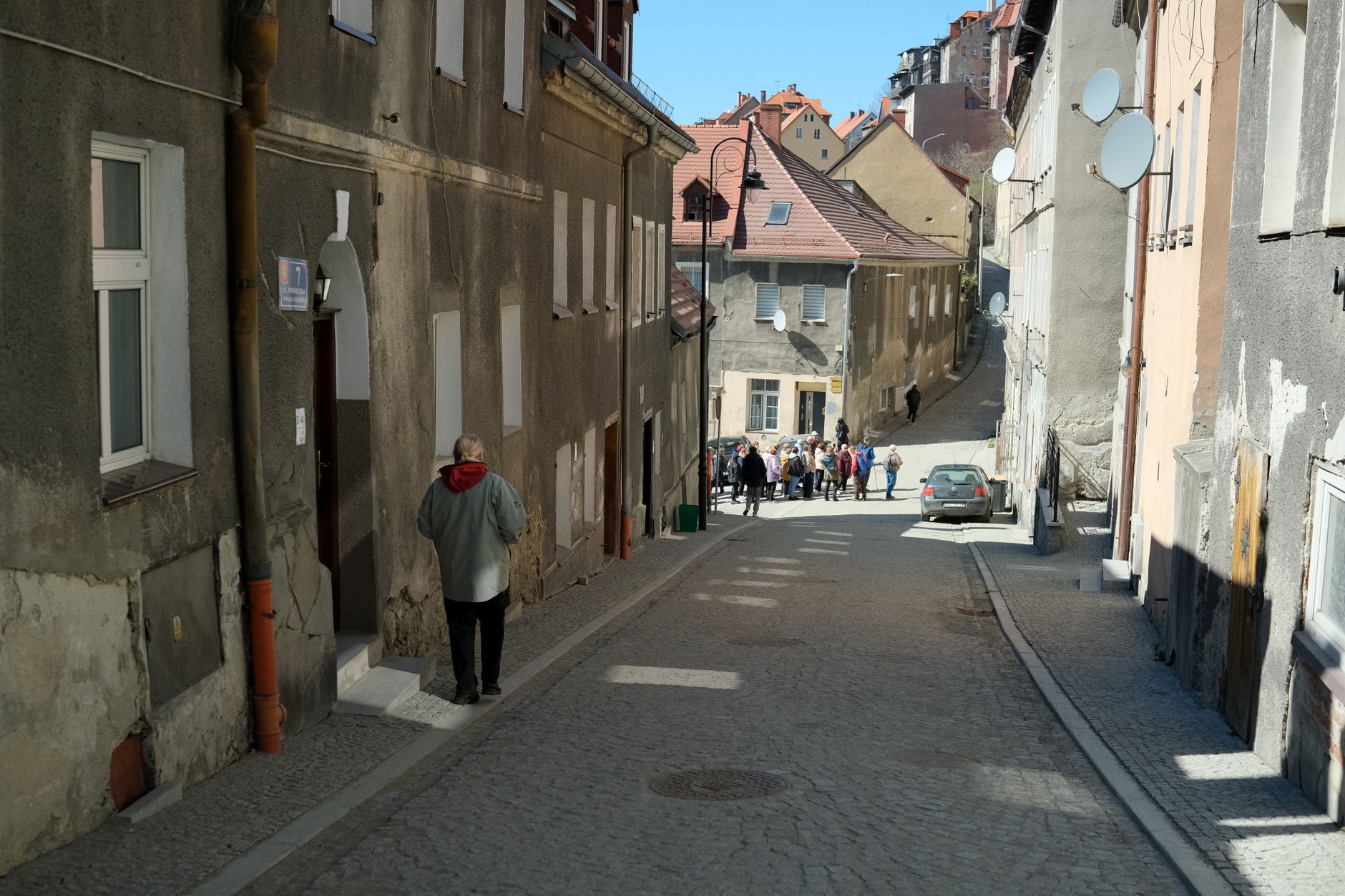
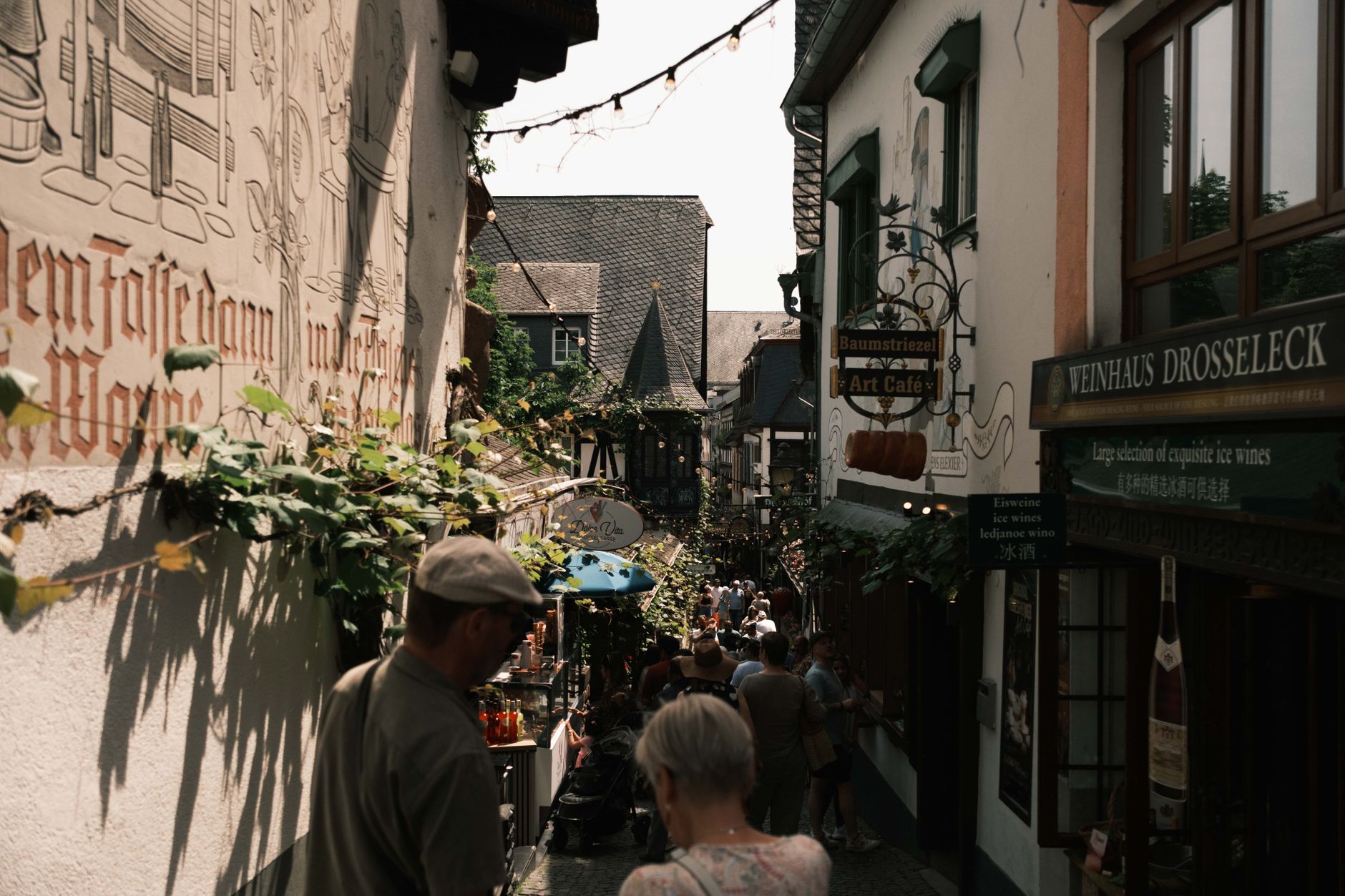
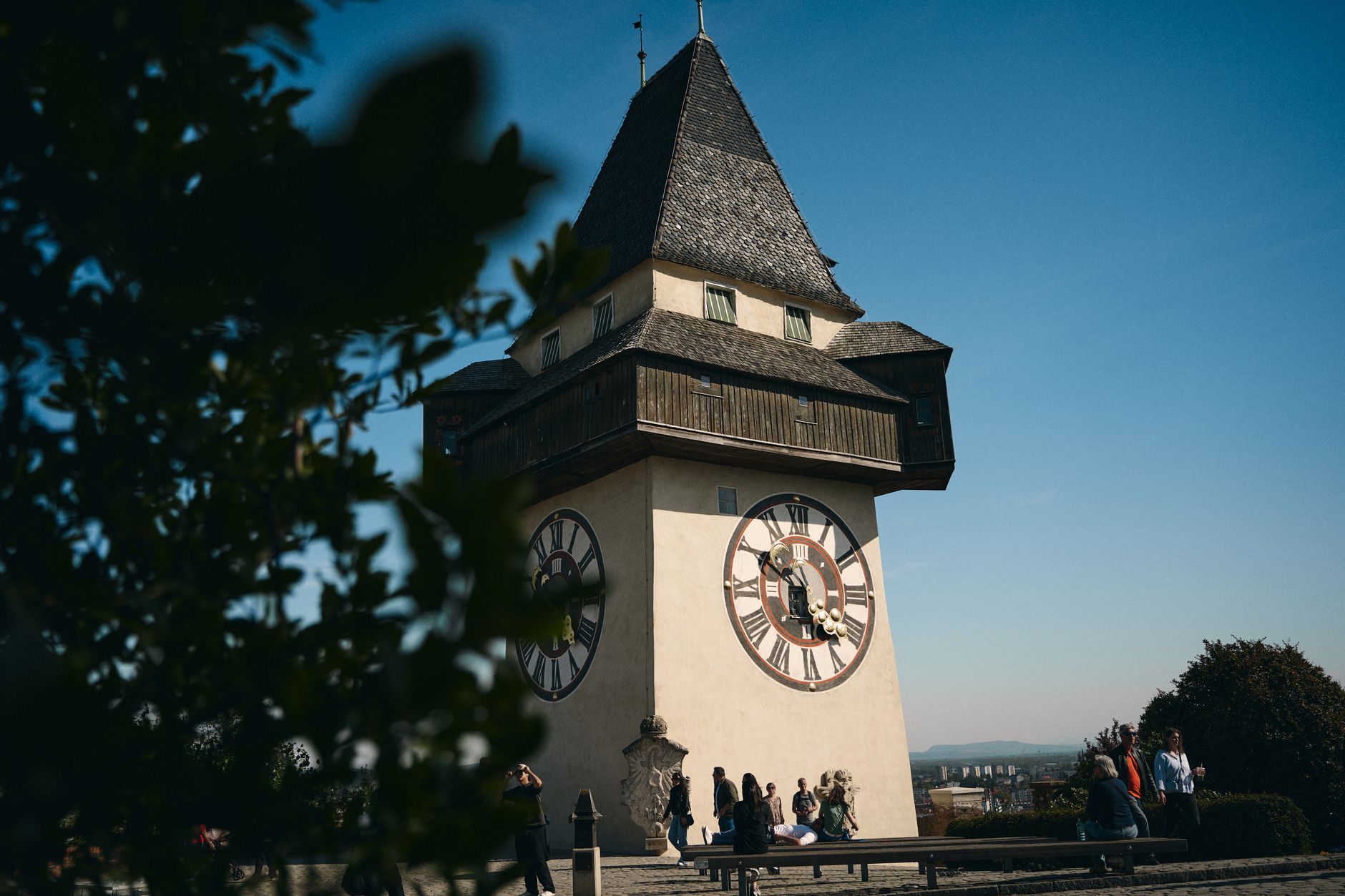
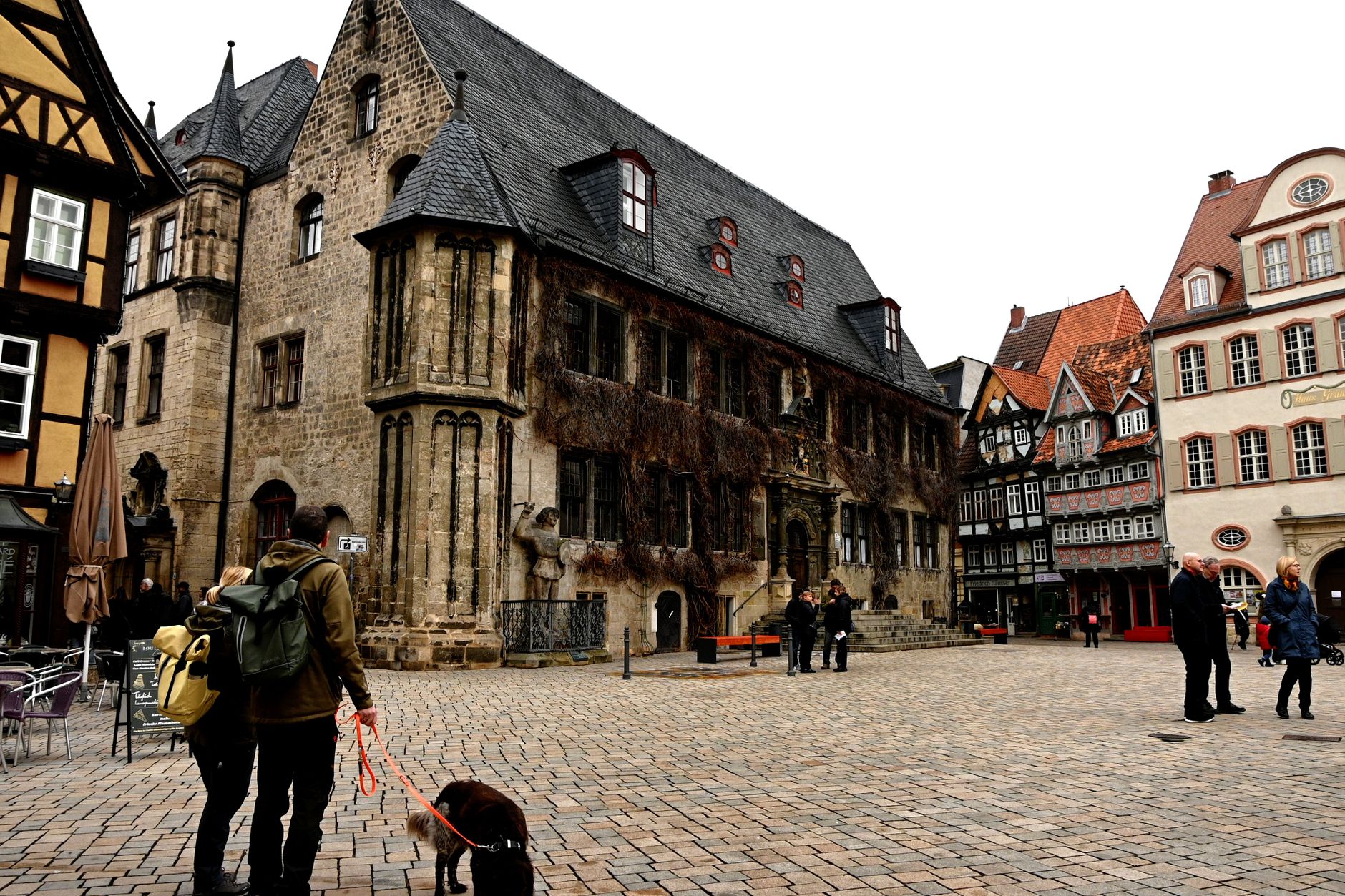

The town's name is already a clue: one half from the stream, one half from the castle ruin that sits on an 80-metre porphyry cliff above it. Stand at the right angle in Steinbach-Hallenberg and you see both — the old Hallenburg tower catching the ridge light, the Hasel brook somewhere below. This is a small Thuringian Forest town where two medieval settlements grew up under the shadow of the same castle and eventually merged into one.
What gives it texture today is the metalworking tradition. The Heimathof houses a workshop where you can watch corkscrews being made by hand — a craft the town claims is preserved nowhere else in the world. The ski jump on the western slope and the cross-country trails around it remind you that winter here is a serious season, not a backdrop.
💛 What travellers fall for
People who come back tend to time a visit for a blacksmith demonstration at the Metallhandwerksmuseum — it's the kind of thing that sounds minor until you're watching a file being shaped by hand. The Hallenburg tower is open by appointment through the tourist office, so it's worth calling ahead rather than arriving and finding it closed.
Deals in Steinbach-Hallenberg
Book directly at the provider

How Steinbach-Hallenberg came to be
The Lords of Hallenberg appear in the records of Fulda monastery in 1228, when a Reginhard de Haldinberc is first documented. The castle itself — castrum Haldenberc — is recorded by 1268, and by the mid-13th century the Counts of Henneberg had taken it as their seat. Below the cliff, two settlement clusters, Ober- and Untersteinbach, grew through the 13th century and gradually consolidated into a single double-settlement.
Market rights arrived in 1669, bringing two annual fairs. The town passed through Prussian hands as part of Hesse-Nassau from 1868 to 1944, then transferred to Thuringia under Soviet administration after 1945. The name Steinbach-Hallenberg, combining stream and castle, solidified in the 19th century. Most recently, in January 2019, six surrounding municipalities — among them Oberschönau, Rotterode and Viernau — merged into the town.
Who and what shaped it
People who shaped it
Landmark buildings
See Steinbach-Hallenberg in motion
Plan your visit
On the map
When to go
Winters are genuinely cold — temperatures can drop to around -4°C, with reliable snow and wind that makes the ski infrastructure worthwhile. Summers are mild and partly cloudy, rarely climbing above 22°C, with July bringing the heaviest rainfall; a light layer is sensible in any season.
Right now
Background & history adapted from Wikipedia (CC BY-SA) · specs from Wikidata (CC0) · weather from Open-Meteo · map data © OpenStreetMap contributors · photos from Wikimedia Commons / Unsplash with per-image credit. No third-party reviews or social posts reproduced.