
Soria
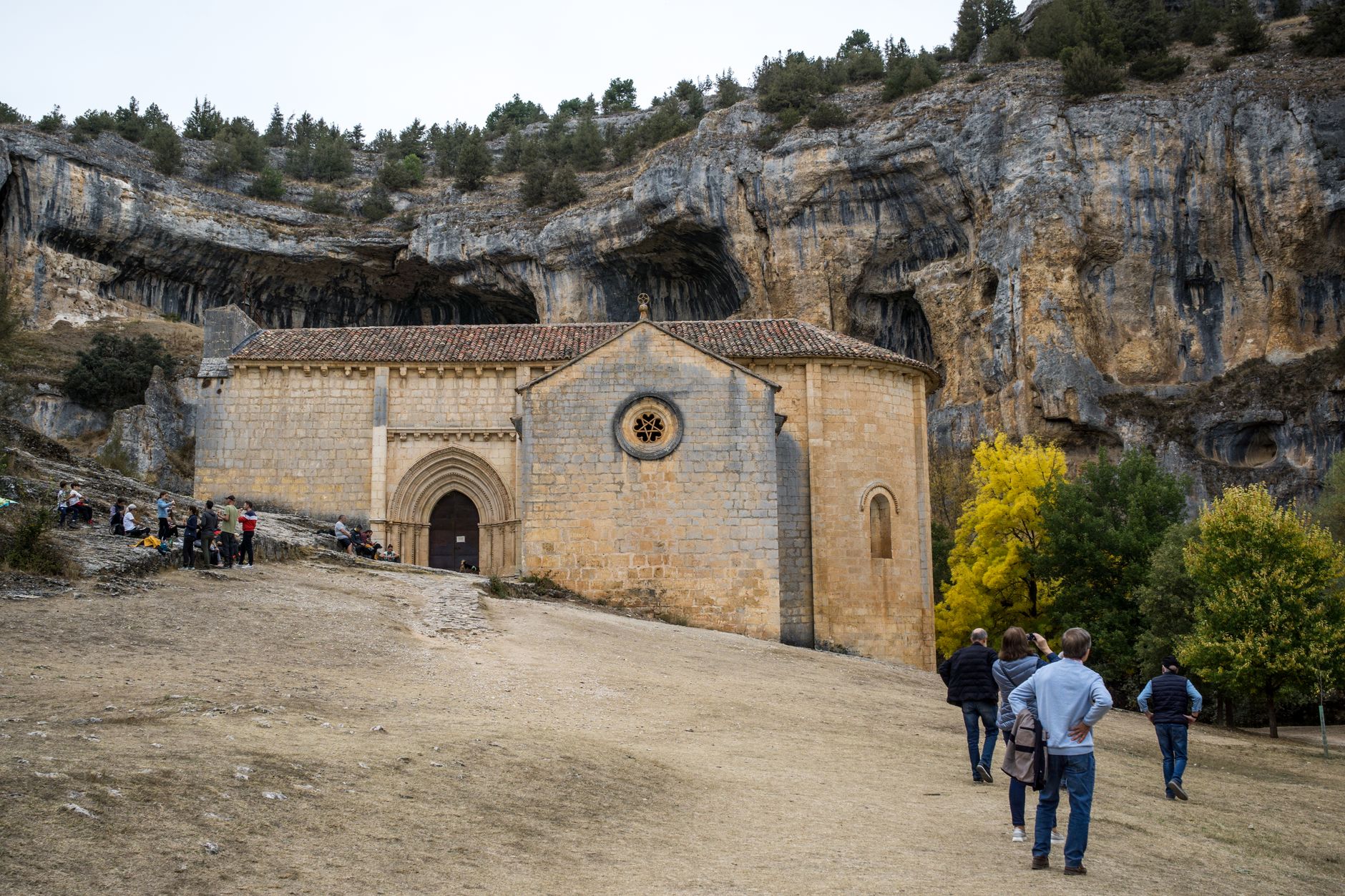
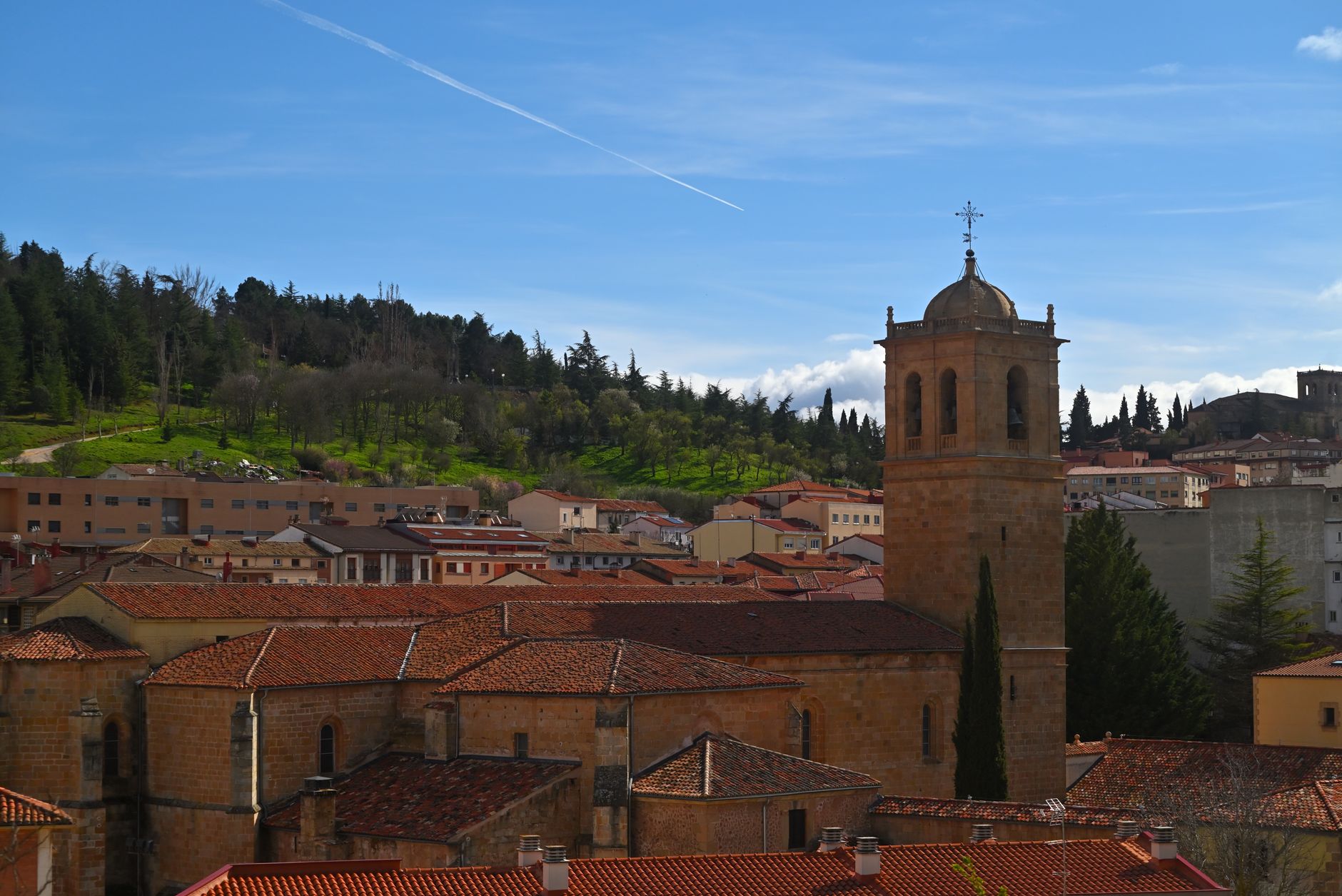
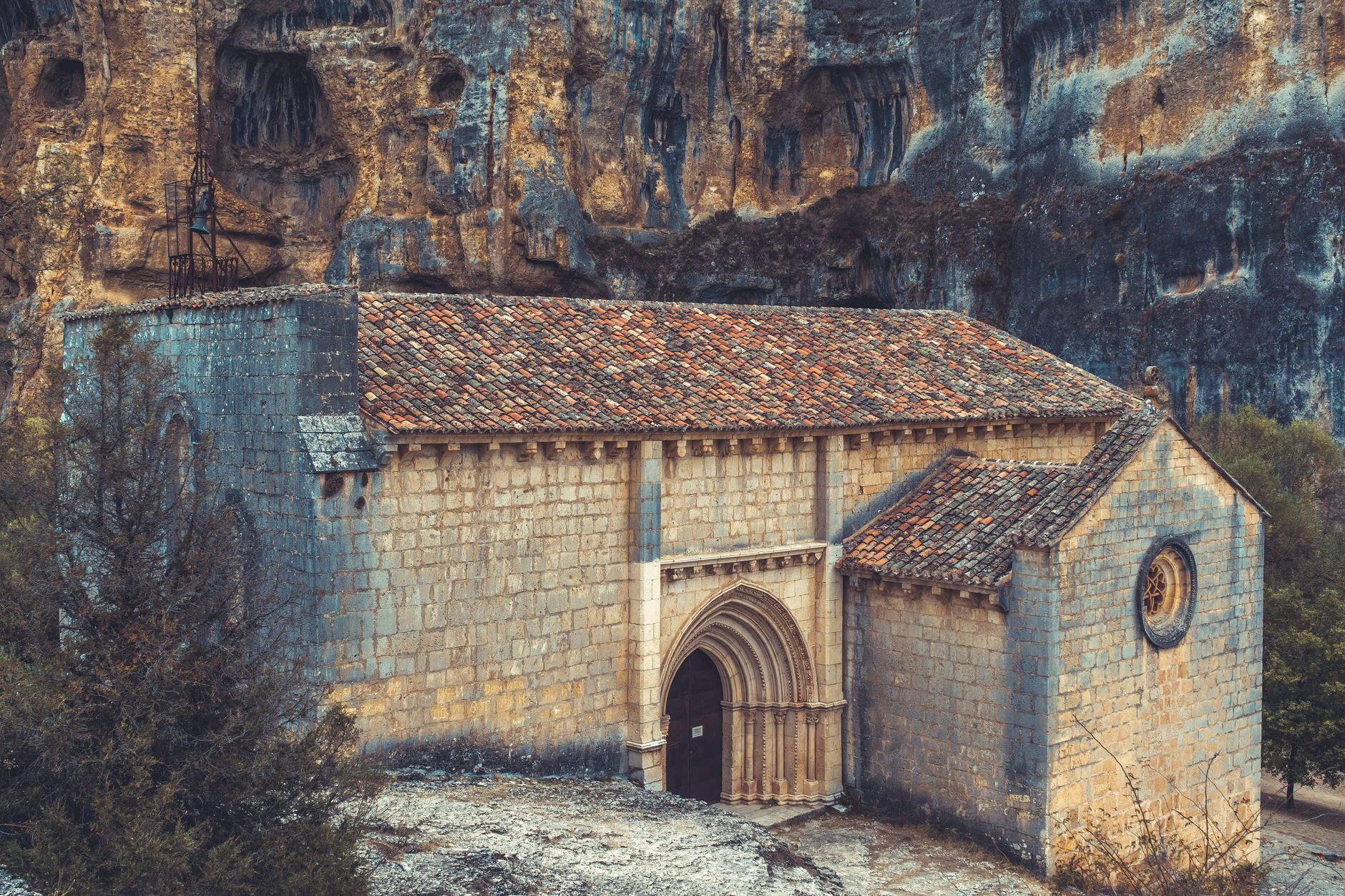
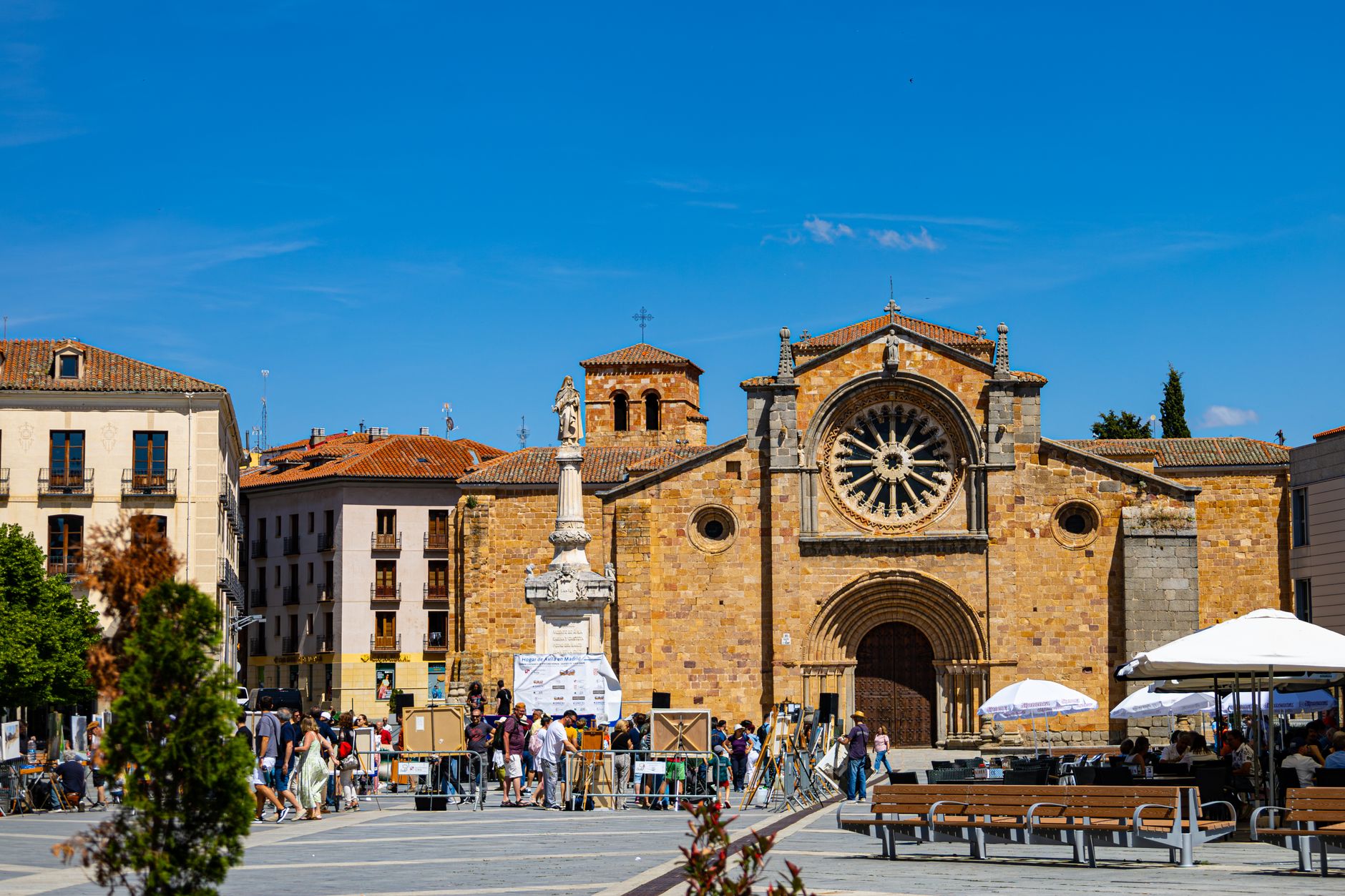
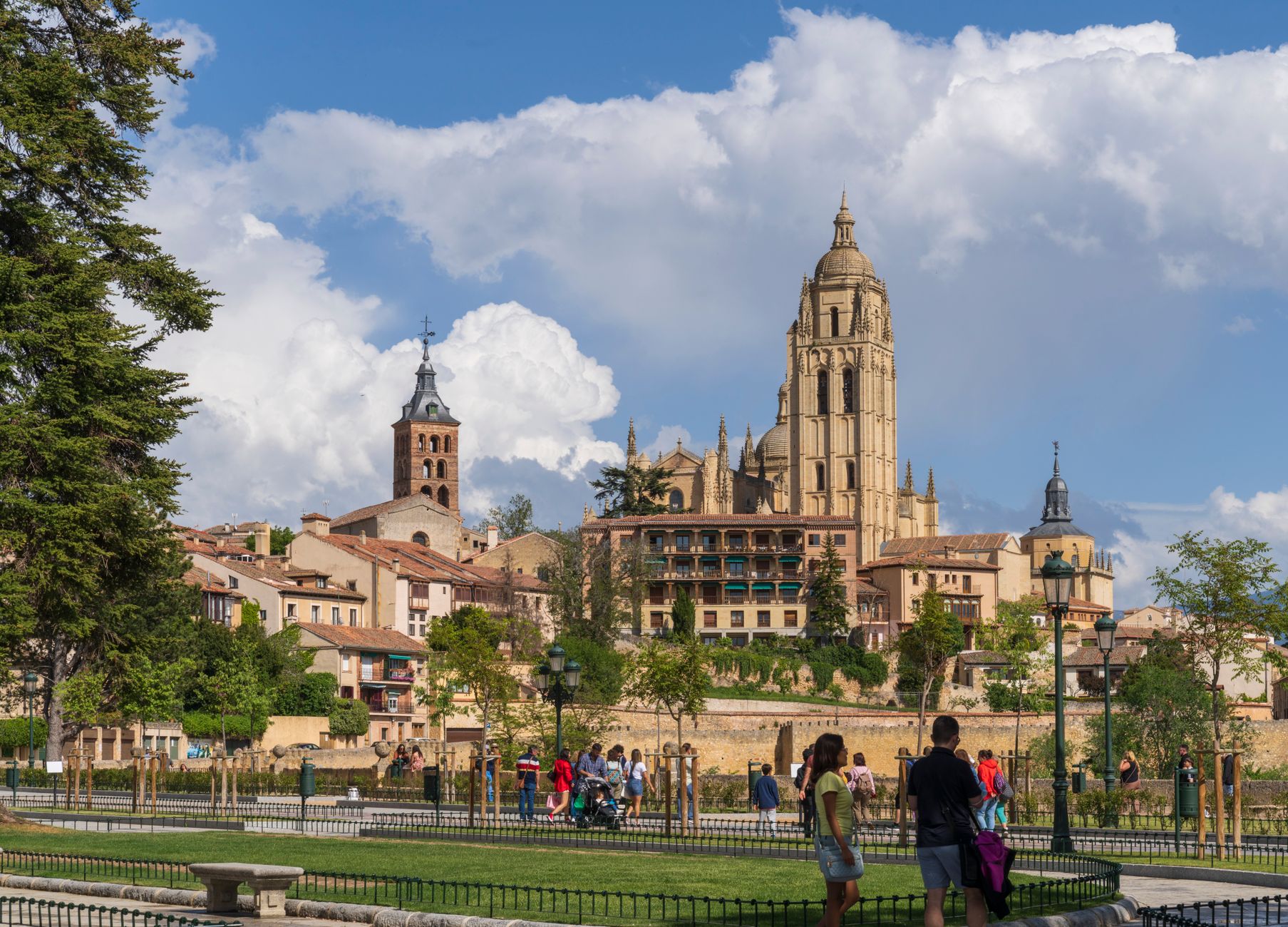
Soria sits on the high Castilian meseta with the Duero running quietly along its edge, and it is one of the least-visited provincial capitals in Spain — not because it lacks for things, but because the things it has ask something of you. A Romanesque façade on the church of Santo Domingo, the cave-chapel of San Saturio cut into the river cliff, the long stone front of the Palace of the Counts of Gómara stretching 109 metres down a street that sees few tourist coaches.
This is a city where Antonio Machado taught French, married a local woman, mourned her death, and wrote the poems that Spain still reads more than any others. That weight sits gently over the place.
💛 What travellers fall for
People who come back tend to walk the river path to San Saturio in the early morning, before the light flattens. They also mention the Numantine Museum — less for spectacle than for the quiet strangeness of Celtiberian pottery from Numantia sitting in glass cases a few kilometres from where it was made.
Experiences you don't want to miss


Deals in Soria
Book directly at the provider
How Soria came to be
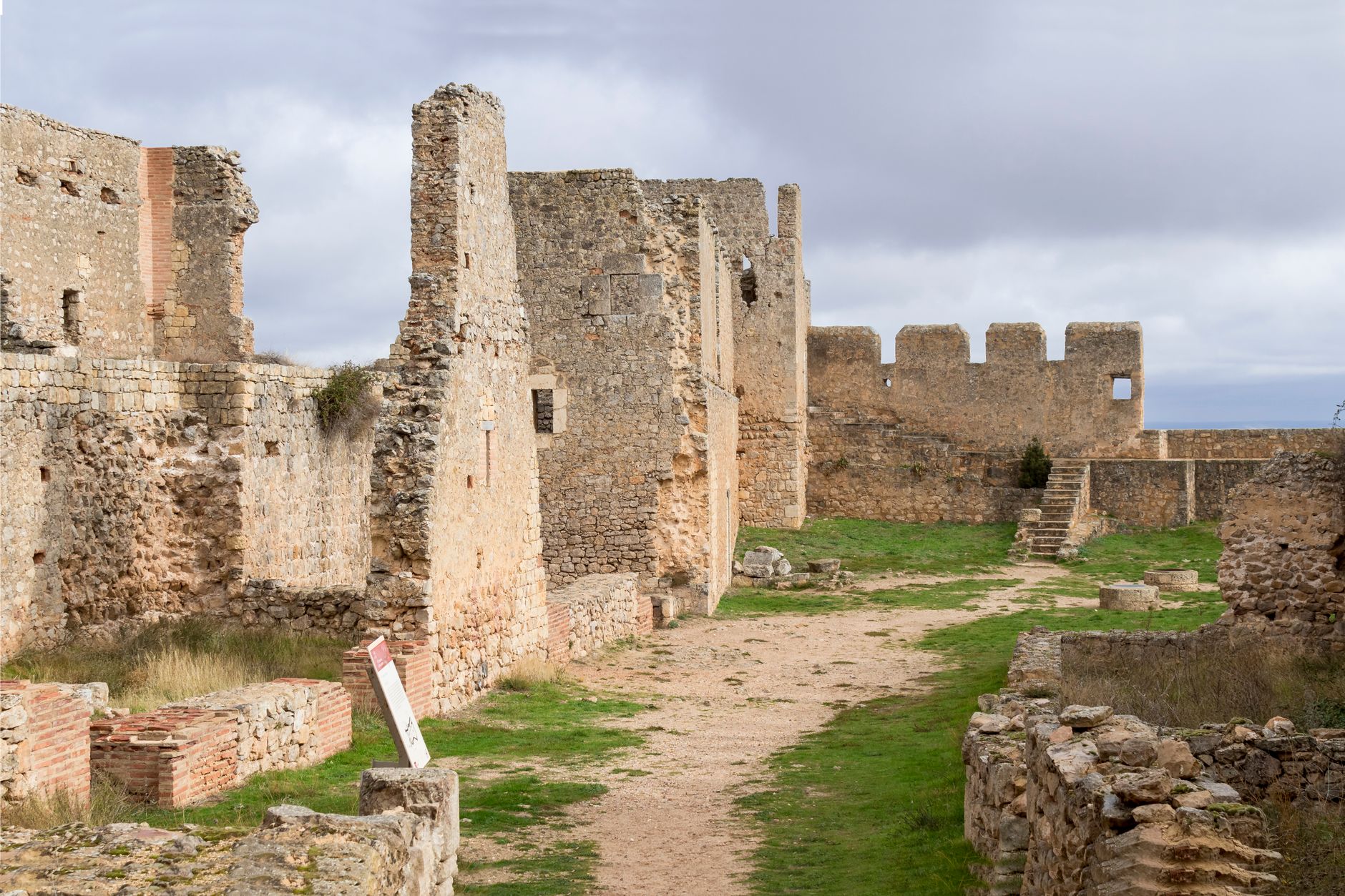
The area's first recorded inhabitants were Celtiberians, around the 4th century BC. The modern city took shape between 1109 and 1114, when Alfonso I of Aragon repopulated it as a strategic frontier post in the territorial contests between Castile, Navarre and Aragon. Castile absorbed it definitively in 1134 under Alfonso VII. By the late 13th century, Sancho IV had enclosed the city within 4,100 metres of fortification.
Soria's fortunes contracted sharply after 1479, when the union of Aragon and Castile shifted the centre of gravity westward, and again after the expulsion of the Jews in 1492. French troops burned the city in 1808. It has been quietly itself ever since — small, serious, and stubbornly intact.
Who and what shaped it
People who shaped it
Landmark buildings
See Soria in motion
Plan your visit
On the map
When to go
Soria sits at altitude and earns a reputation as one of the coldest provincial capitals in Spain — winters are long and genuinely sharp, with snow not unusual. Summer days are warm but rarely oppressive, and the evenings cool quickly; May, June and September offer the most forgiving conditions.
Right now
Background & history adapted from Wikipedia (CC BY-SA) · specs from Wikidata (CC0) · weather from Open-Meteo · map data © OpenStreetMap contributors · photos from Wikimedia Commons / Unsplash with per-image credit. No third-party reviews or social posts reproduced.