
Sonthofen
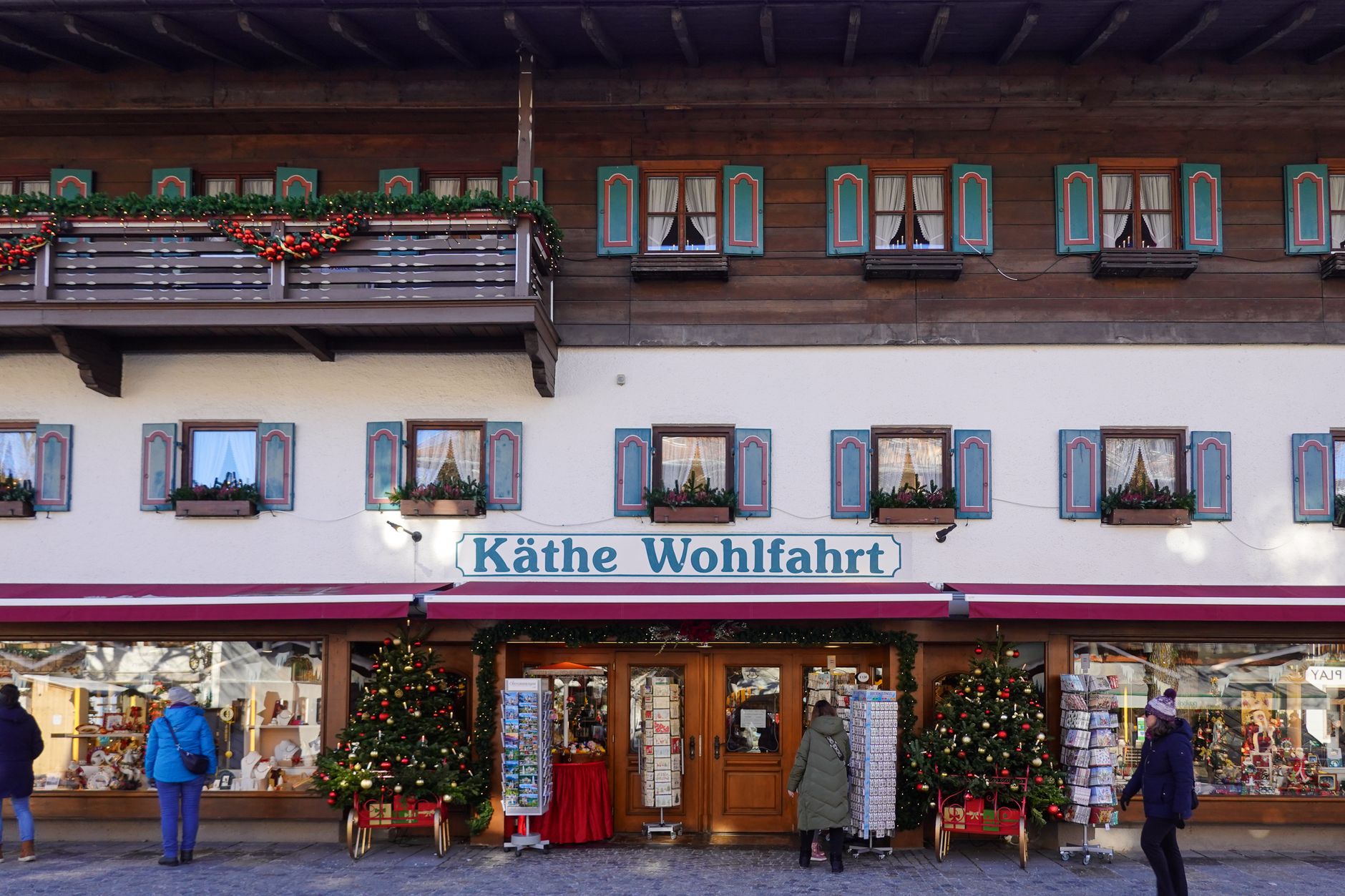
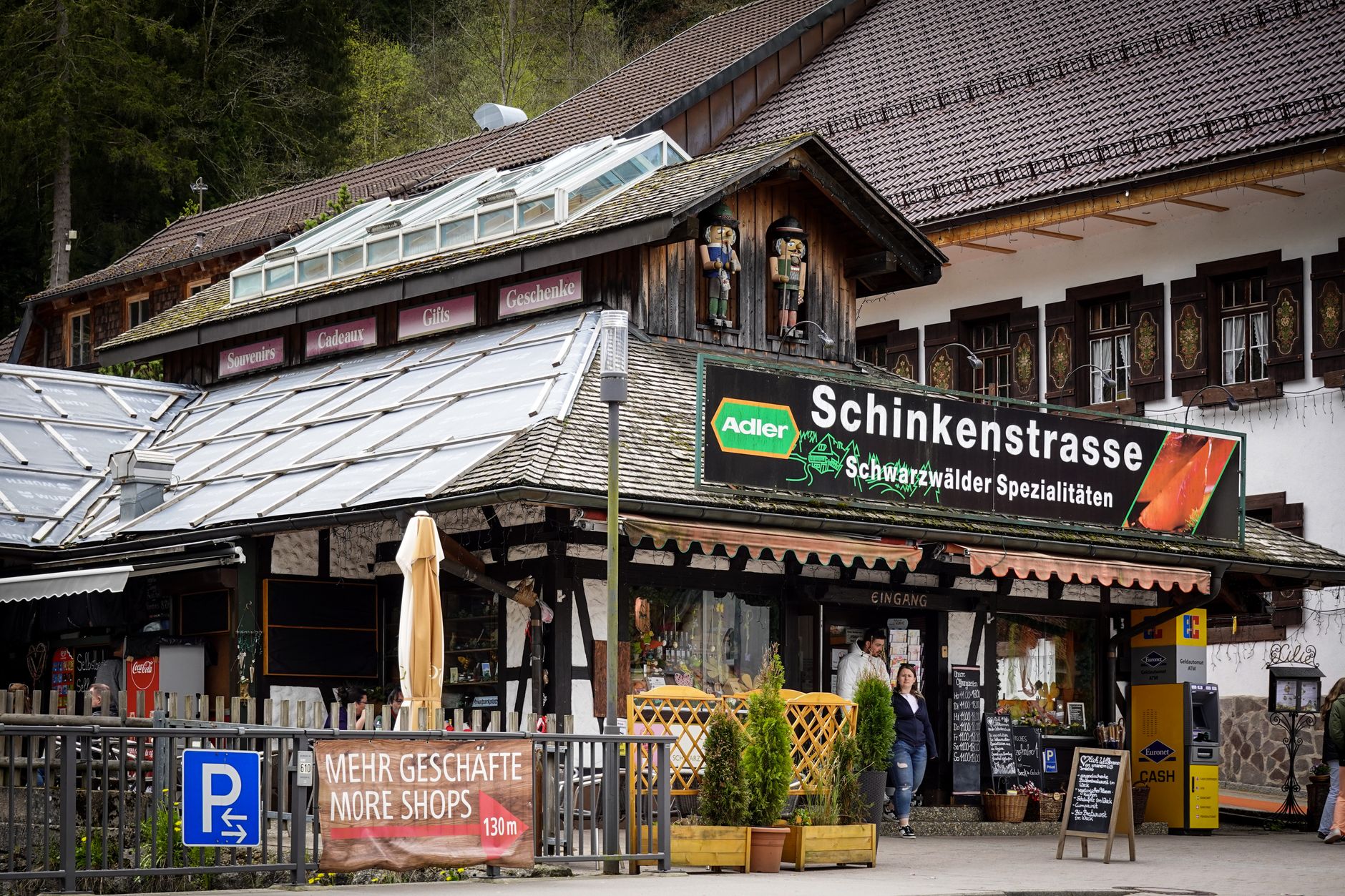
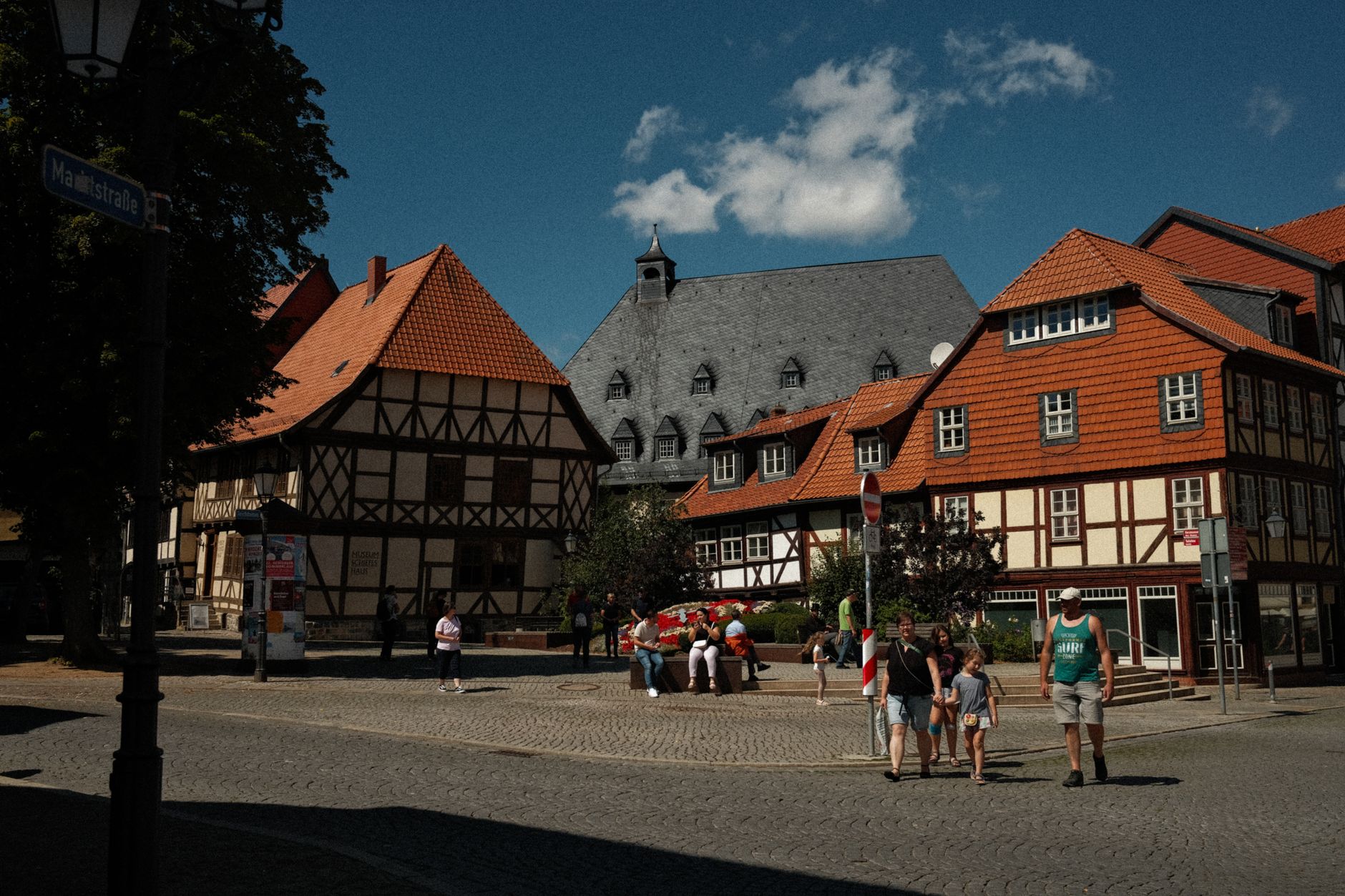
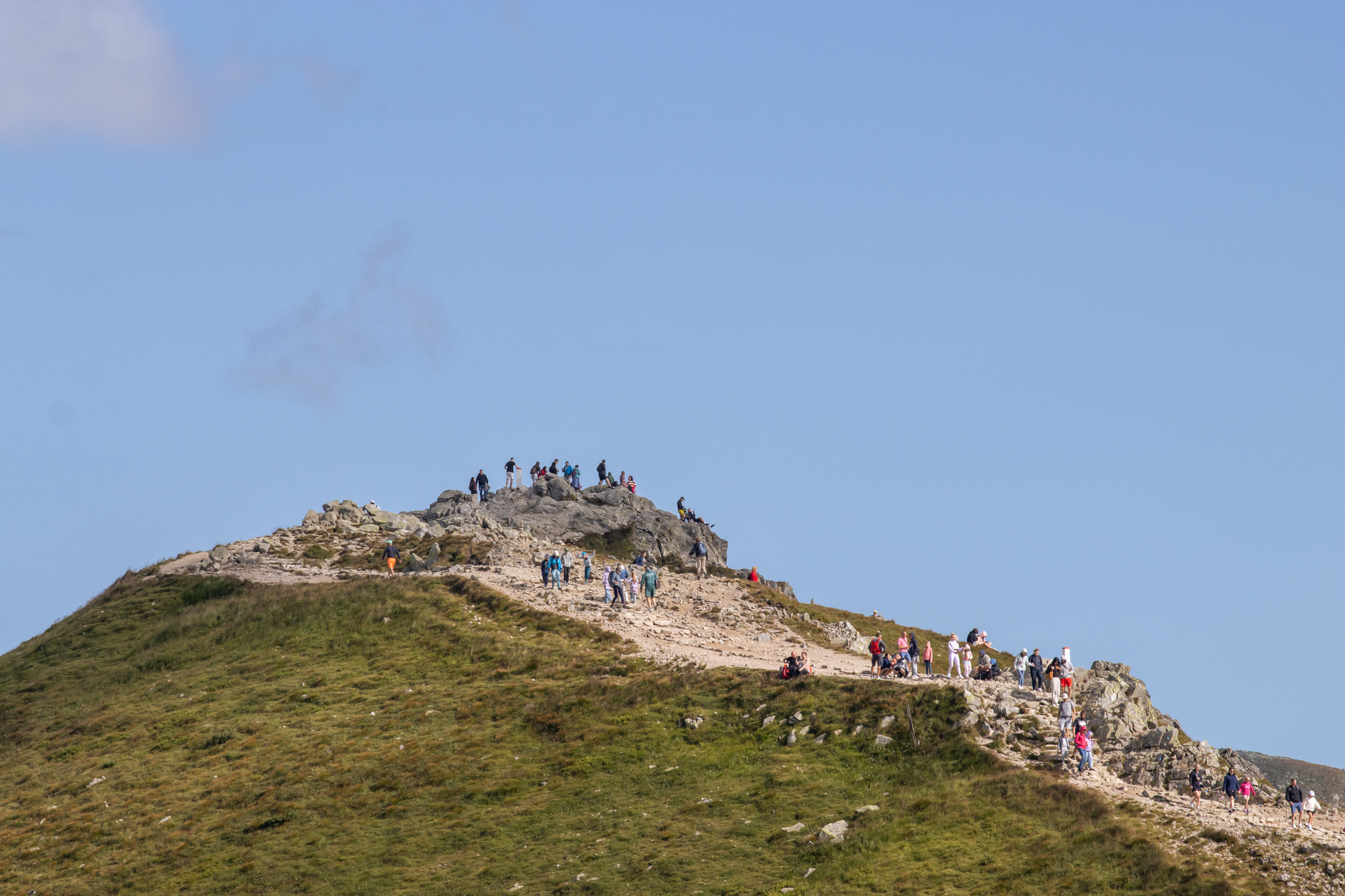
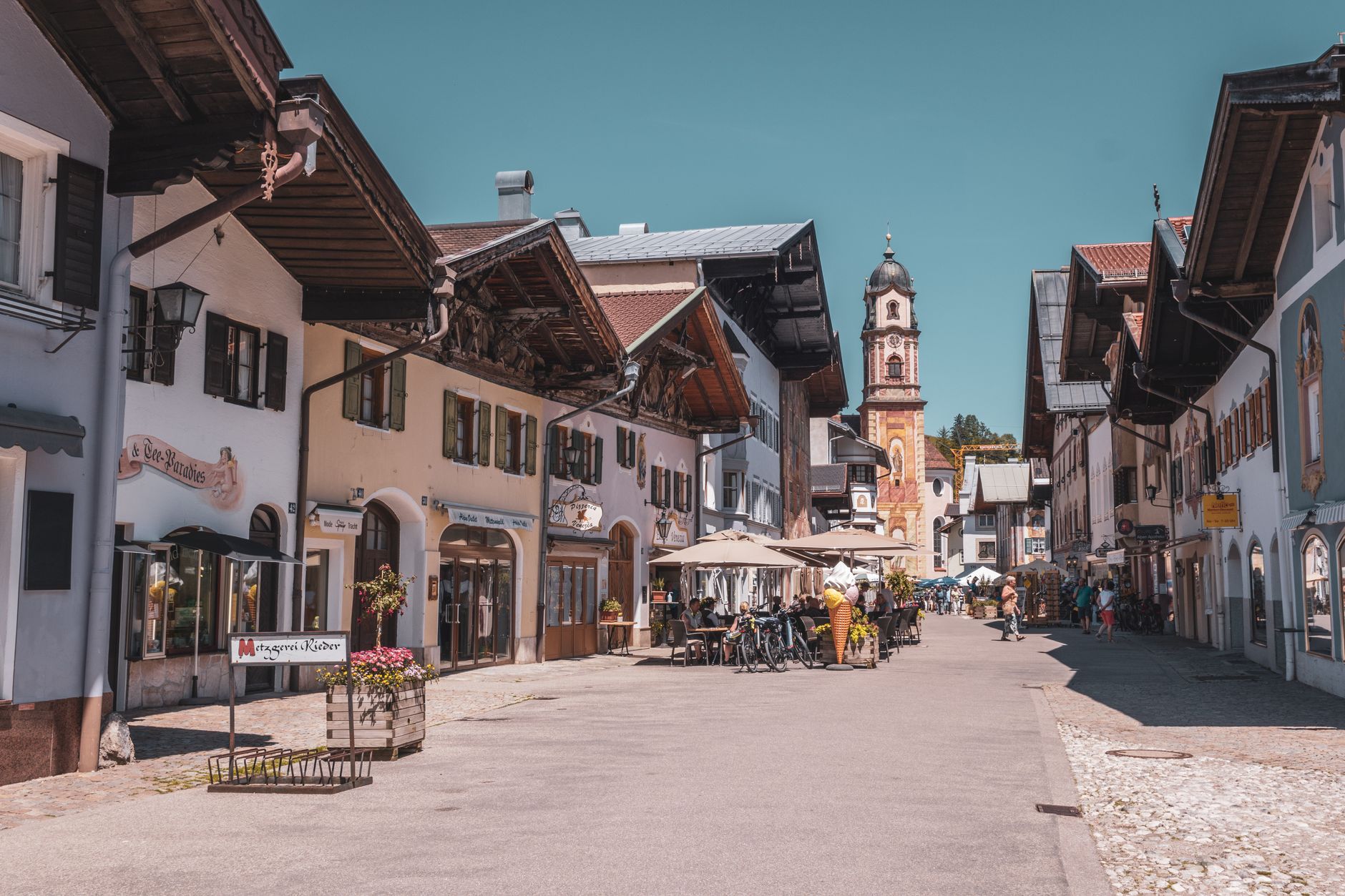
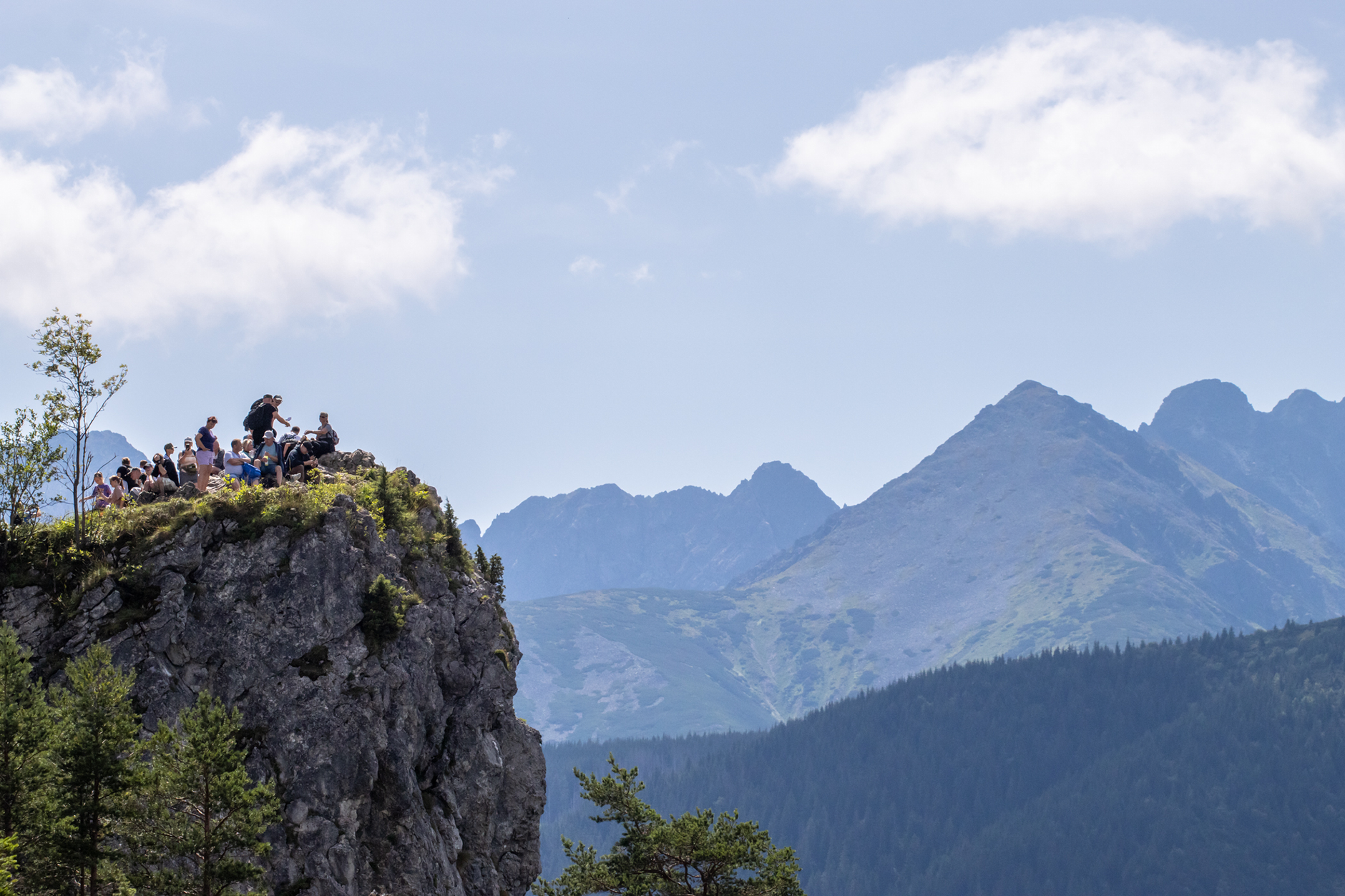
Sonthofen sits at the southern end of the Allgäu valley where the Iller river narrows and the Alps stop being a backdrop and become the actual walls of the world around you. The town has been trading and farming here since at least 1145, and the rhythm of that long habitation — cheese cellars, river gorges, a church with 15th-century foundations — still shapes daily life more than any tourism campaign.
What makes Sonthofen specific is its contradictions. A Nazi-era training castle still stands on the edge of town, now a Bundeswehr barracks. A Swiss cheesemaker arrived in the 19th century and changed how the whole region handled milk. W.G. Sebald spent his formative years on these streets before becoming one of Europe's most important writers.
💛 What travellers fall for
People who come back tend to time it around the Starzlachklamm — the gorge is best walked after spring snowmelt when the Starzlach is loud and the waterfalls are actually dramatic. They also mention the AlpenStadtMuseum almost as an afterthought, then spend longer than expected among the Alemannic grave finds in that old farmhouse.
Deals in Sonthofen
Book directly at the provider

How Sonthofen came to be
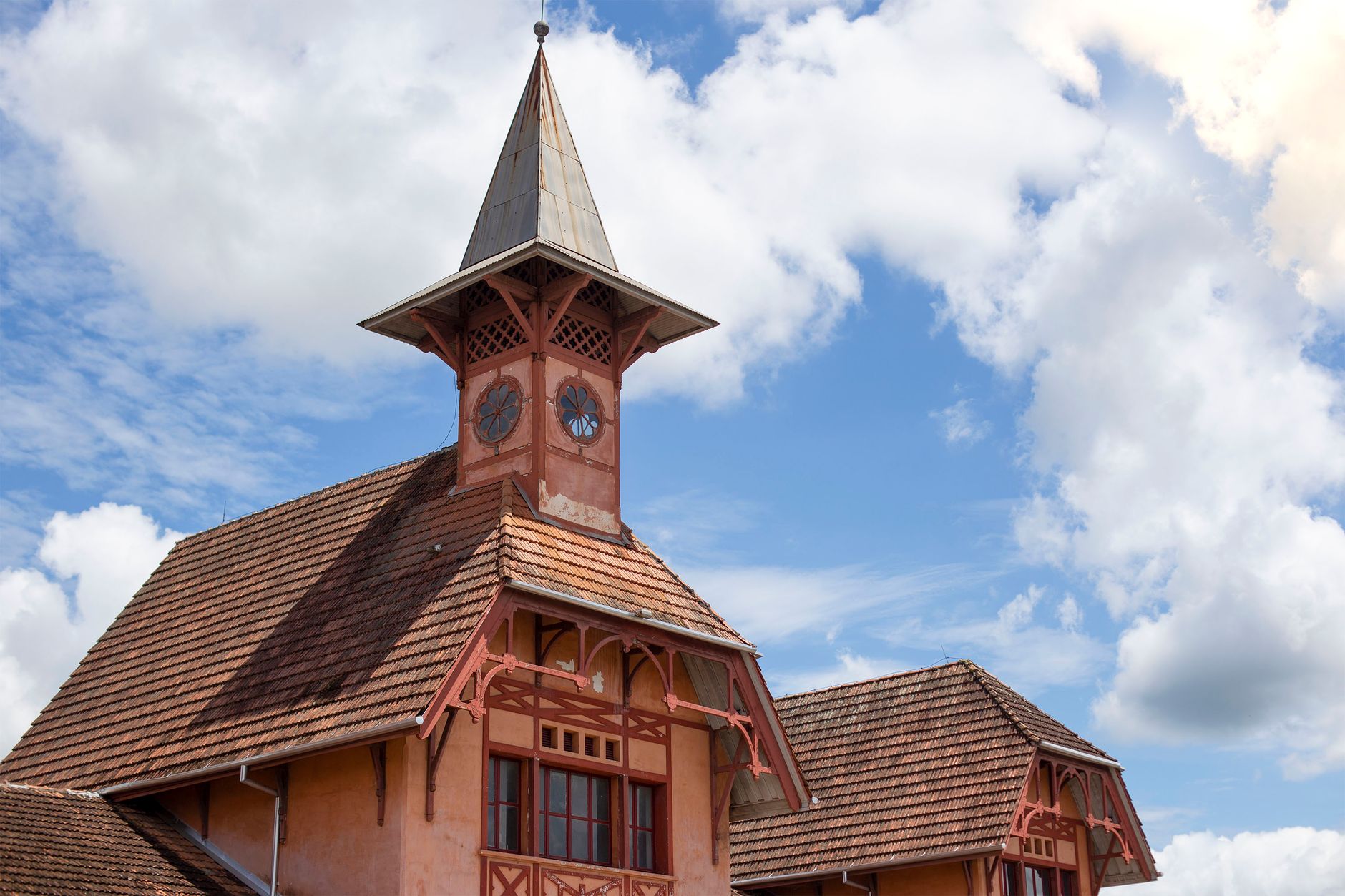
The Alamans were farming this valley by the 6th or 7th century, and the town earned market rights in 1429 — a significant step that locked in its role as a local trading hub. When Napoleon reorganized southern Germany, Sonthofen passed from the Prince-Bishopric of Augsburg to Bavaria in 1803, and the old Sonthof Castle became a Bavarian regional court the following year. The building now called the Alte Schule had already been a town hall since 1472, converted by the prince-bishop from a school.
The darkest chapter arrived in 1934, when the German Labour Front broke ground on the Ordensburg — a vast Nazi Party leadership school designed by Hermann Giesler. It drew Allied bombers twice during the war. After 1945 it passed to the US Constabulary, then briefly to the US Air Force, then to the Bundeswehr from 1956 until 2009. It remains a working barracks today.
Who and what shaped it
People who shaped it
Landmark buildings
See Sonthofen in motion
Plan your visit
On the map
When to go
Summers are mild — July highs around 22°C — but the Allgäu is one of the wettest corners of Germany, and afternoon thunderstorms are routine from June onward; pack accordingly. Winters are genuinely cold, with January lows near −5°C and snow possible from October through May, which makes the town a quiet, functional base for anyone who doesn't mind the short days.
Right now
Background & history adapted from Wikipedia (CC BY-SA) · specs from Wikidata (CC0) · weather from Open-Meteo · map data © OpenStreetMap contributors · photos from Wikimedia Commons / Unsplash with per-image credit. No third-party reviews or social posts reproduced.