
Soit Le Motonyi (Gol Kopjes)


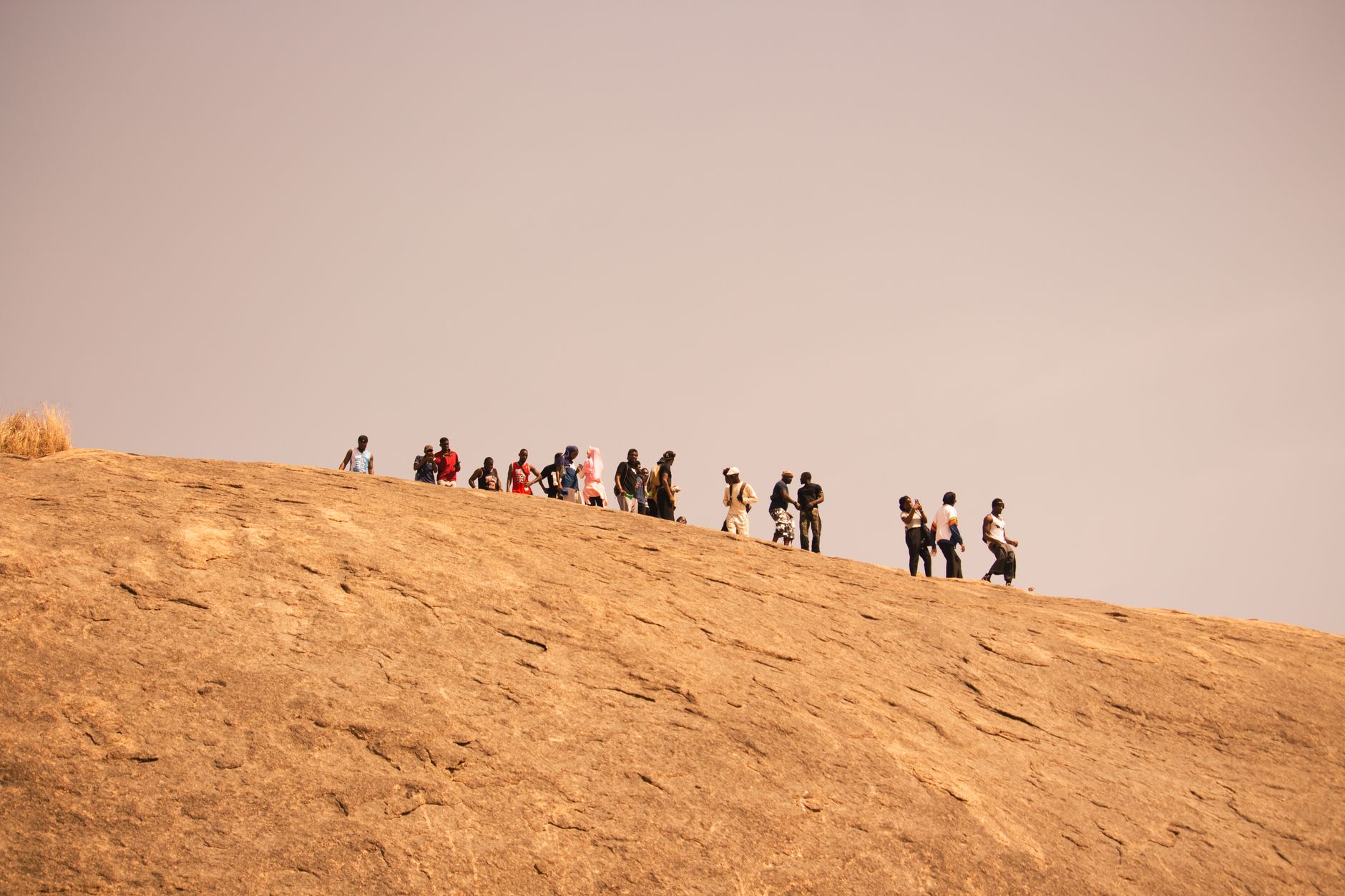
The granite outcrops of Gol Kopjes have been rising out of the short-grass plains for more than 450 million years, and the cheetahs that drape themselves across the warm rock in the early morning look as though they've been here nearly as long. This is the eastern Serengeti at its most elemental: treeless plains dissolving into acacia woodland, the underground Ngare Nanyuki River pulling wildlife to the surface even in the dry months, and almost no other vehicles in sight.
Soit Le Motonyi reopened to visitors only in 2014, after two decades closed for cheetah conservation research. That long absence left its mark — the density of cheetah here is unlike anywhere else on the continent, and the landscape carries the unhurried quality of a place that spent twenty years being left alone.
💛 What travellers fall for
People who've been tend to mention the same moment: sitting with a cheetah researcher at dusk, recording data on an animal they've just watched hunt. It turns a standard game drive into something that stays with you. Book that activity in advance — the two camps here fill quickly between December and February.
How Soit Le Motonyi (Gol Kopjes) came to be
For twenty years, Soit Le Motonyi was closed to tourism entirely. The closure was deliberate: researchers needed undisturbed access to study and support cheetah populations across the eastern Serengeti, and the ecosystem needed time to recover from earlier human pressure. The work continued quietly while the rest of the Serengeti's safari circuit expanded around it.
When the area reopened in 2014, it returned as something genuinely different from the rest of the park — lower visitor numbers written into its structure, active research still ongoing, and a cheetah population that had been watched and documented for a generation.
Who and what shaped it
Landmark buildings
Plan your visit
On the map
When to go
November through February brings the Great Migration herds through on their way south, and the plains green up fast after the short rains. The longer rainy season runs January to June — roads can be rough, but game viewing is often exceptional and the light on the kopjes is extraordinary in the early morning.
Right now
Background & history adapted from Wikipedia (CC BY-SA) · specs from Wikidata (CC0) · weather from Open-Meteo · map data © OpenStreetMap contributors · photos from Wikimedia Commons / Unsplash with per-image credit. No third-party reviews or social posts reproduced.