
Simba Kopjes
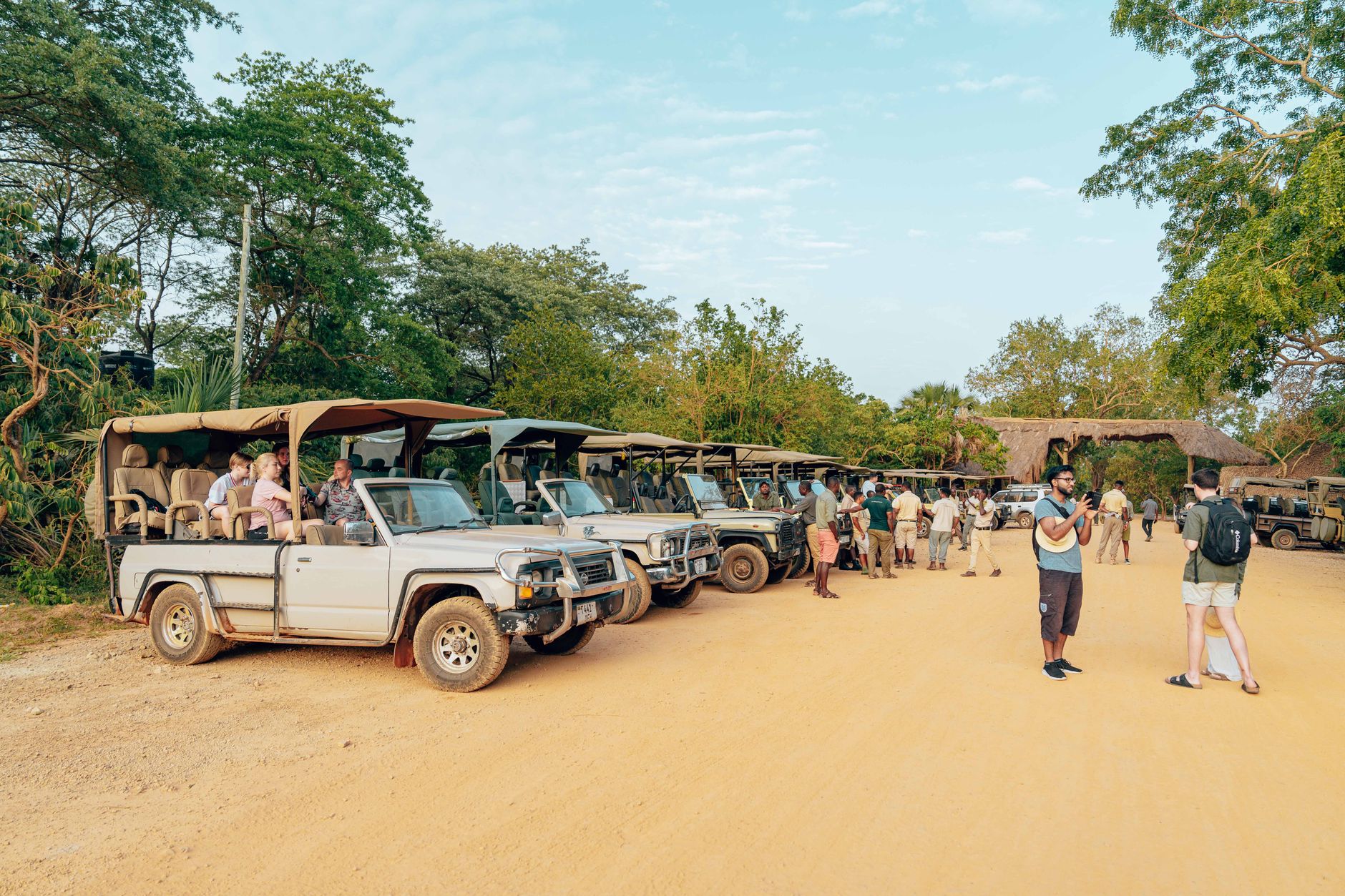
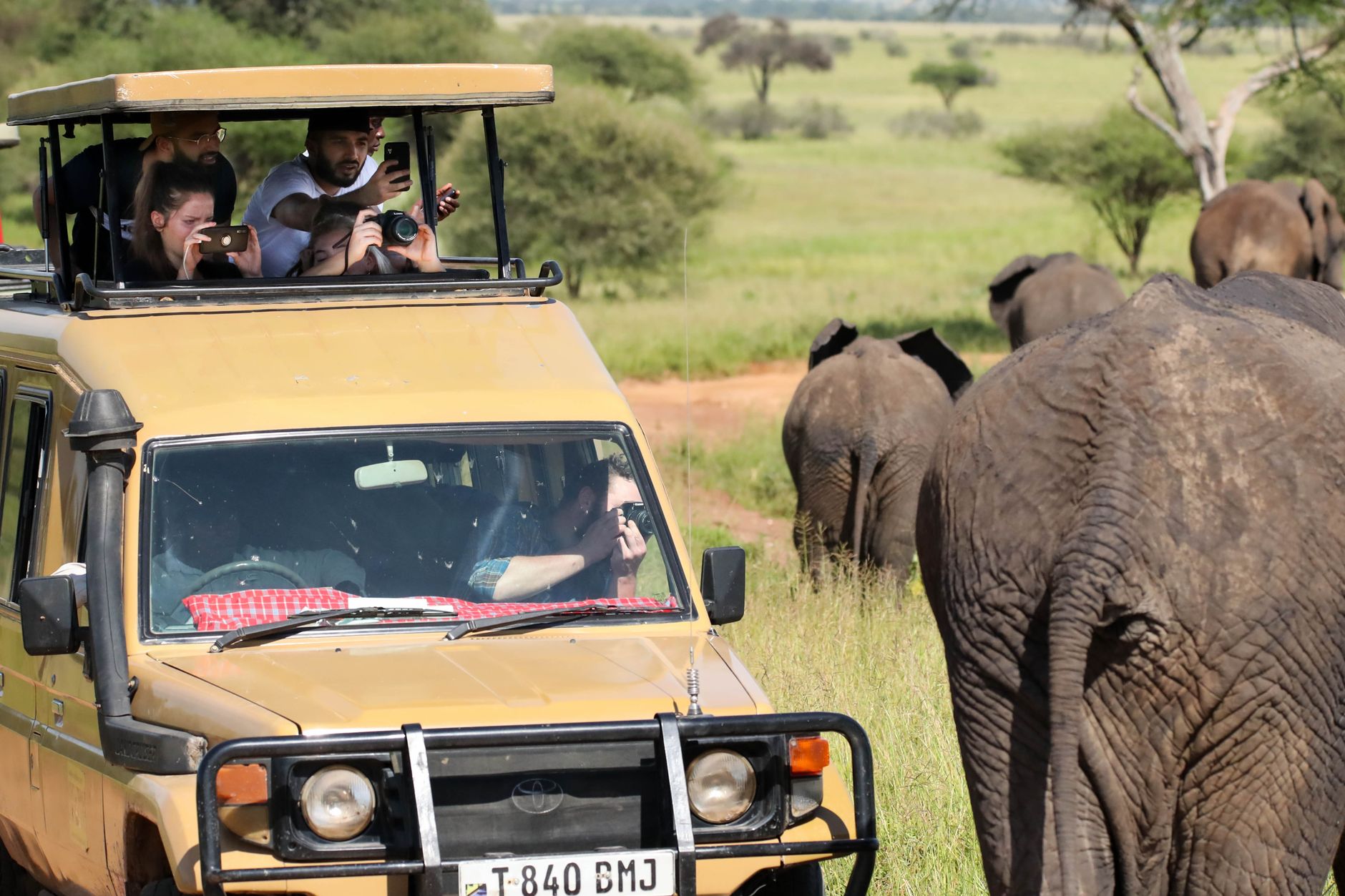
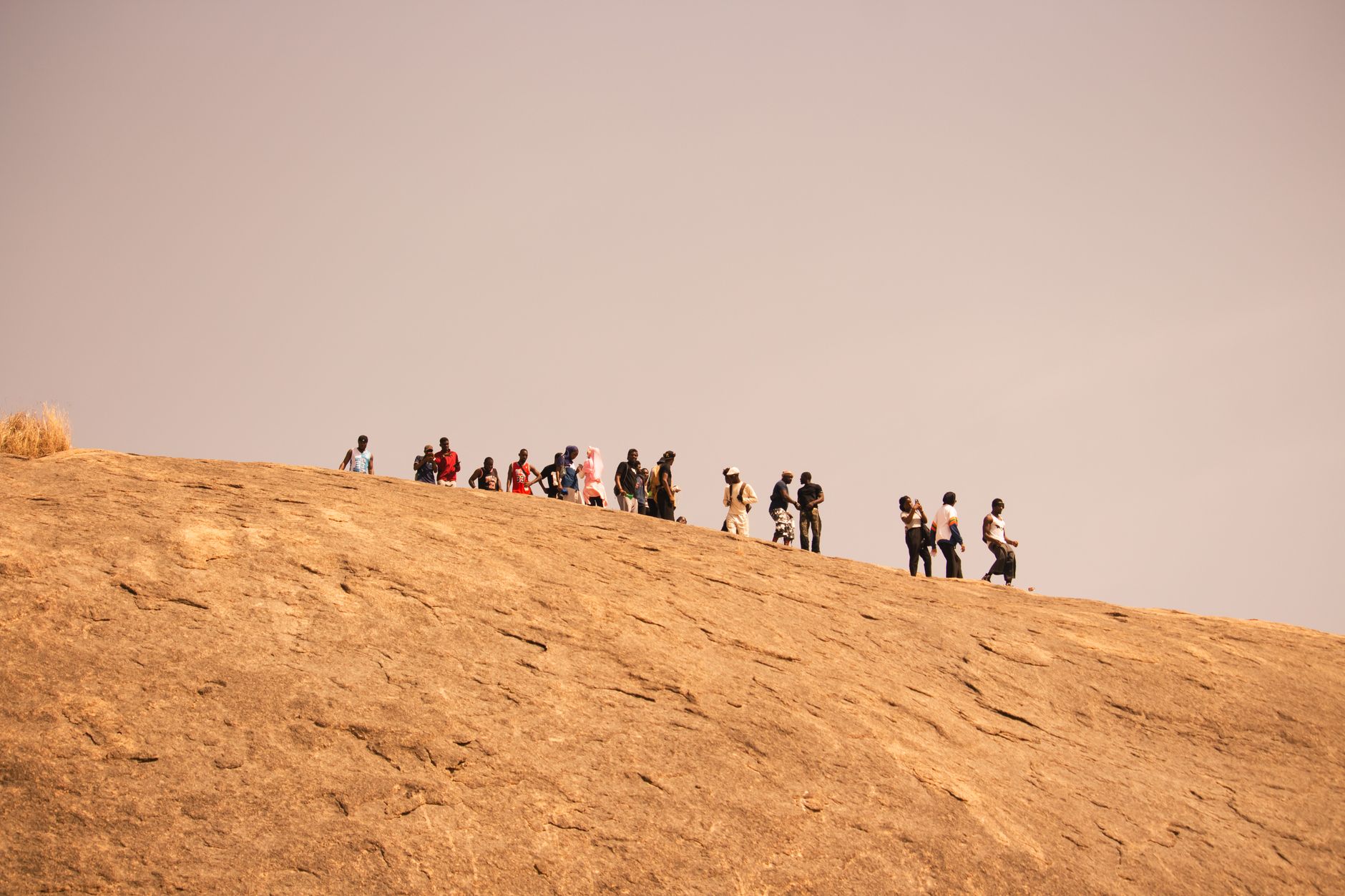

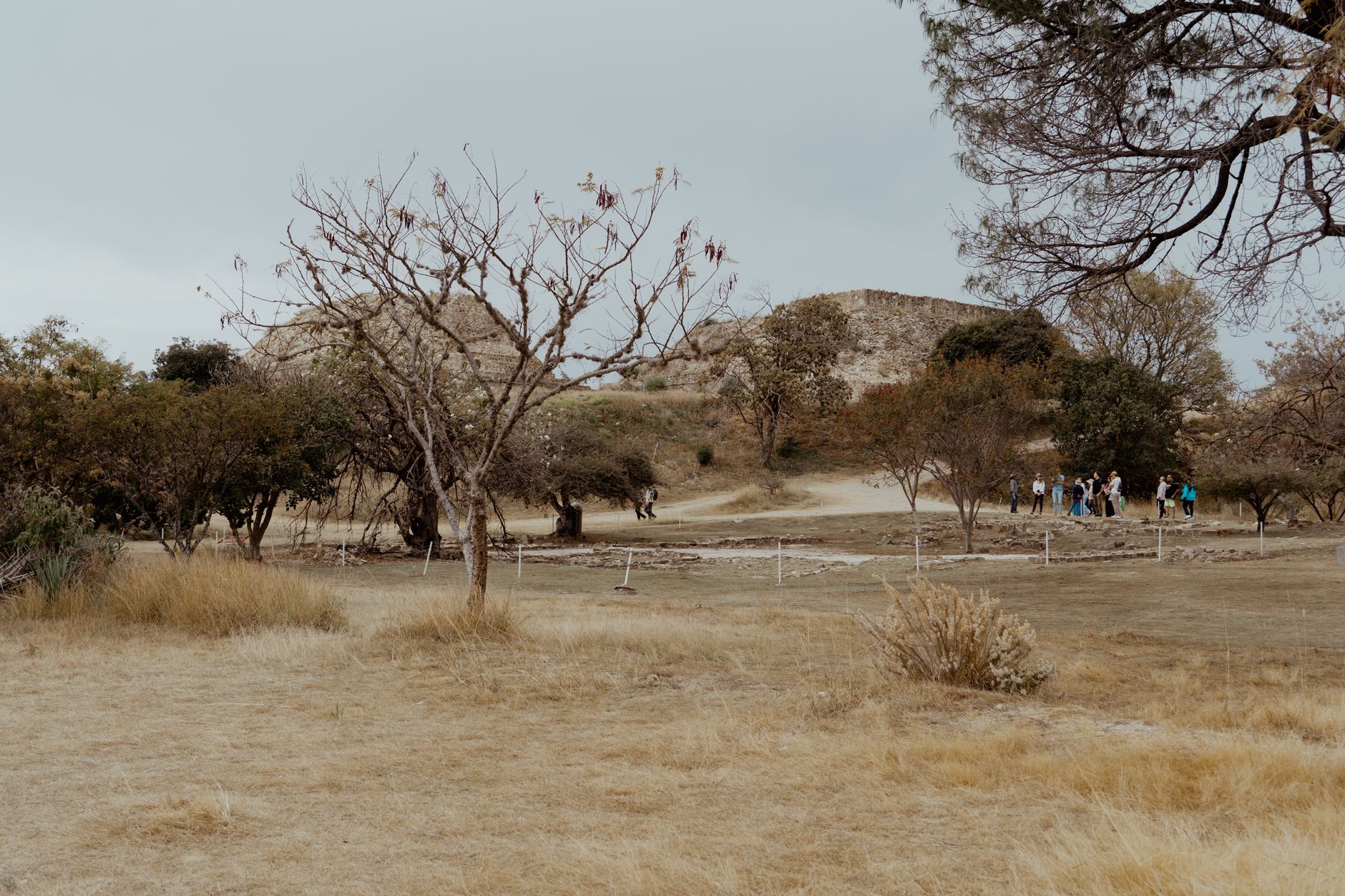
The name gives it away: Simba is Swahili for lion, and the prides that claim these granite outcrops have been doing so long enough to earn the territory. The kopjes rise at the southern edge of Central Serengeti, the tallest of their kind in the entire park, and on any given morning you're likely to find lions draped across the lower boulders like they own the place — which, in practice, they do.
The highest formation is called Soit Naado Murt — Maasai for 'the long-necked stone' — and it earns the name. To the west, Lake Magadi's salt flats draw flamingos in the thousands, pink against white crust. A small hippo pool sits to the south. The road loops around the base of the largest clusters, letting you read the scene from several angles.
💛 What travellers fall for
People who come back tend to arrive at first light, when the granite is still cold and the lions are just beginning to use the rock's stored heat. The loop roads mean you're rarely stuck behind another vehicle. More than one return visitor has noted that the flamingos at Magadi are easy to underestimate — worth the short detour west before the midday glare flattens everything out.
How Simba Kopjes came to be
What you're looking at is some of the oldest exposed rock on Earth. In the Precambrian era — more than 540 million years ago — magma pushed up from the mantle, cooled, and solidified deep underground as granite. It stayed buried beneath layers of softer volcanic rock and ash until wind and rain gradually stripped those away, leaving the harder granite standing proud above the plains.
The site drew filmmakers and naturalists across the twentieth century, among them Hugo van Lawick and Alan Root, both of whom documented Serengeti wildlife here. The kopjes are widely understood to have inspired Pride Rock in Disney's The Lion King — a piece of cultural afterlife that says something about how commanding the formations are in person.
Who and what shaped it
People who shaped it
Landmark buildings
Plan your visit
On the map
When to go
June through October is dry and clear, with afternoons around 26°C and cold mornings dipping to 13°C or below — bring a layer for early game drives. The long rains (March–May) make the plains extraordinary for migration but expect rain most days, though rarely all day.
Right now
Background & history adapted from Wikipedia (CC BY-SA) · specs from Wikidata (CC0) · weather from Open-Meteo · map data © OpenStreetMap contributors · photos from Wikimedia Commons / Unsplash with per-image credit. No third-party reviews or social posts reproduced.