
Seronera River
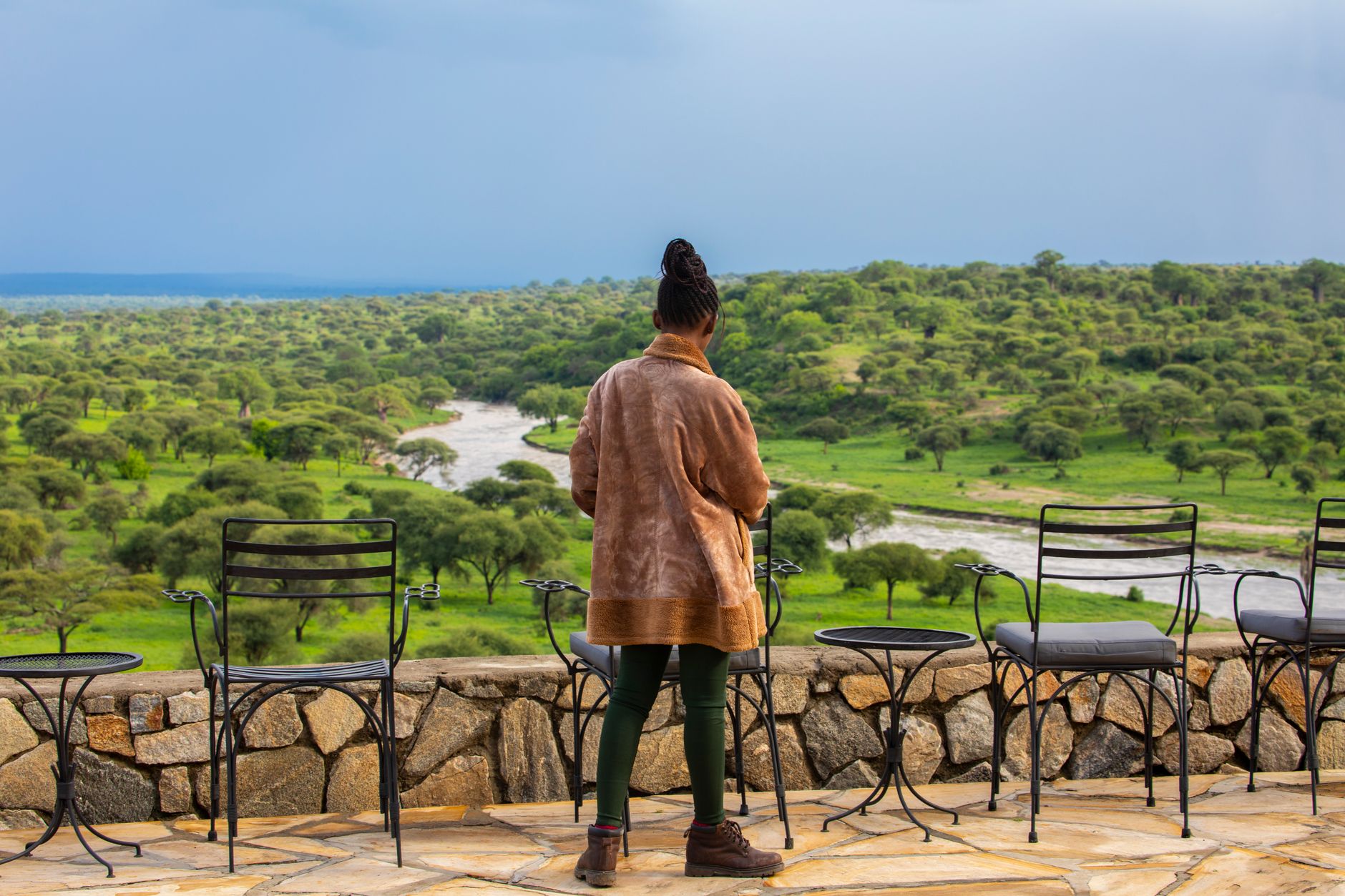

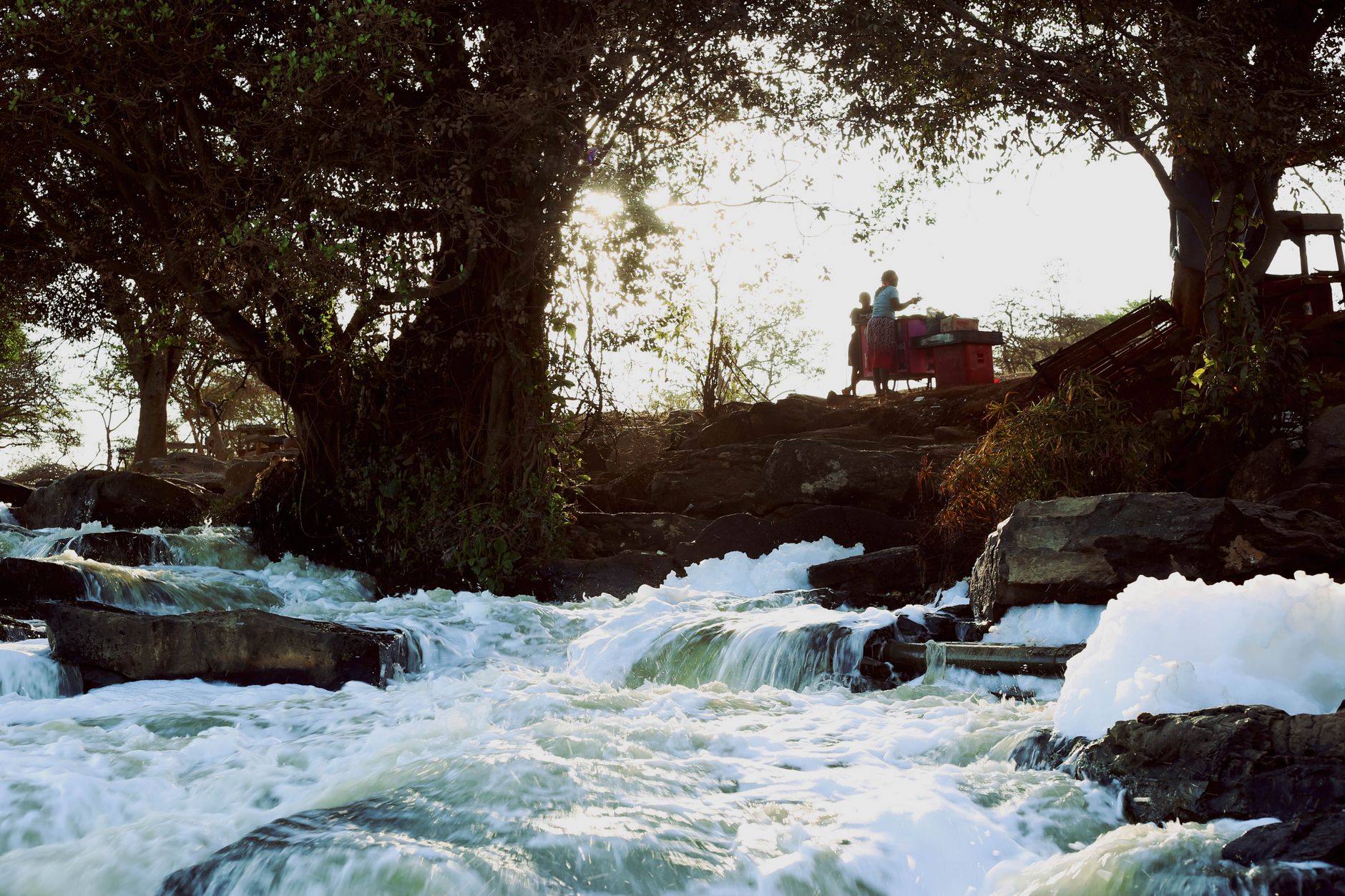
The Seronera River runs for twenty miles through the geographic heart of the Serengeti, and in a landscape where most water vanishes by June, that permanence changes everything. Crocodiles hold the deeper pools. Hippos pack the Retina Pool so densely you hear them before you see them. The riverbanks — lined with yellow-barked fever trees and sausage trees heavy enough to hold a leopard's cached kill — draw predators and prey in a cycle that never really pauses.
This is one of the highest-density leopard zones ever recorded anywhere: roughly one animal per ten square miles. The Seronera River Circuit threads through all of it, following the water where the river spills into a back marsh behind the Maasai Kopjes, funneling prey into a natural dead end that hunting lions have learned to use.
💛 What travellers fall for
People who've done the circuit more than once tend to arrive early and linger near the marsh behind the Maasai Kopjes — that's where the action concentrates at dawn. They also mention the airstrip as a quiet spectacle in itself: no fence, no barriers, just zebras grazing at the runway edge while you wait for your flight.
How Seronera River came to be
The Serengeti Lion Project has been running out of Seronera since 1966 — the longest continuous field study of any large mammal ever conducted. Researchers have tracked generations of prides across this river valley, building a dataset that underlies much of what is now understood about lion behavior and population dynamics worldwide.
The airstrip grew incrementally from a simple landing strip used by park rangers and researchers in the mid-twentieth century, eventually becoming the primary air gateway to the entire park. Seronera also holds the oldest tourist lodge in Serengeti National Park, a distinction that reflects how early this stretch of river became the anchor point for the park's visitor infrastructure.
Who and what shaped it
Landmark buildings
Plan your visit
On the map
When to go
The dry season from June to October brings cooler mornings — temperatures can drop to around 13°C before dawn — and the clearest game-viewing, as animals concentrate along the river. The long rains run from March to May, with daily afternoon showers and temperatures pushing toward 37°C; the plains fill with wildebeest during this period, which has its own rewards.
Right now
Background & history adapted from Wikipedia (CC BY-SA) · specs from Wikidata (CC0) · weather from Open-Meteo · map data © OpenStreetMap contributors · photos from Wikimedia Commons / Unsplash with per-image credit. No third-party reviews or social posts reproduced.