
Seronera
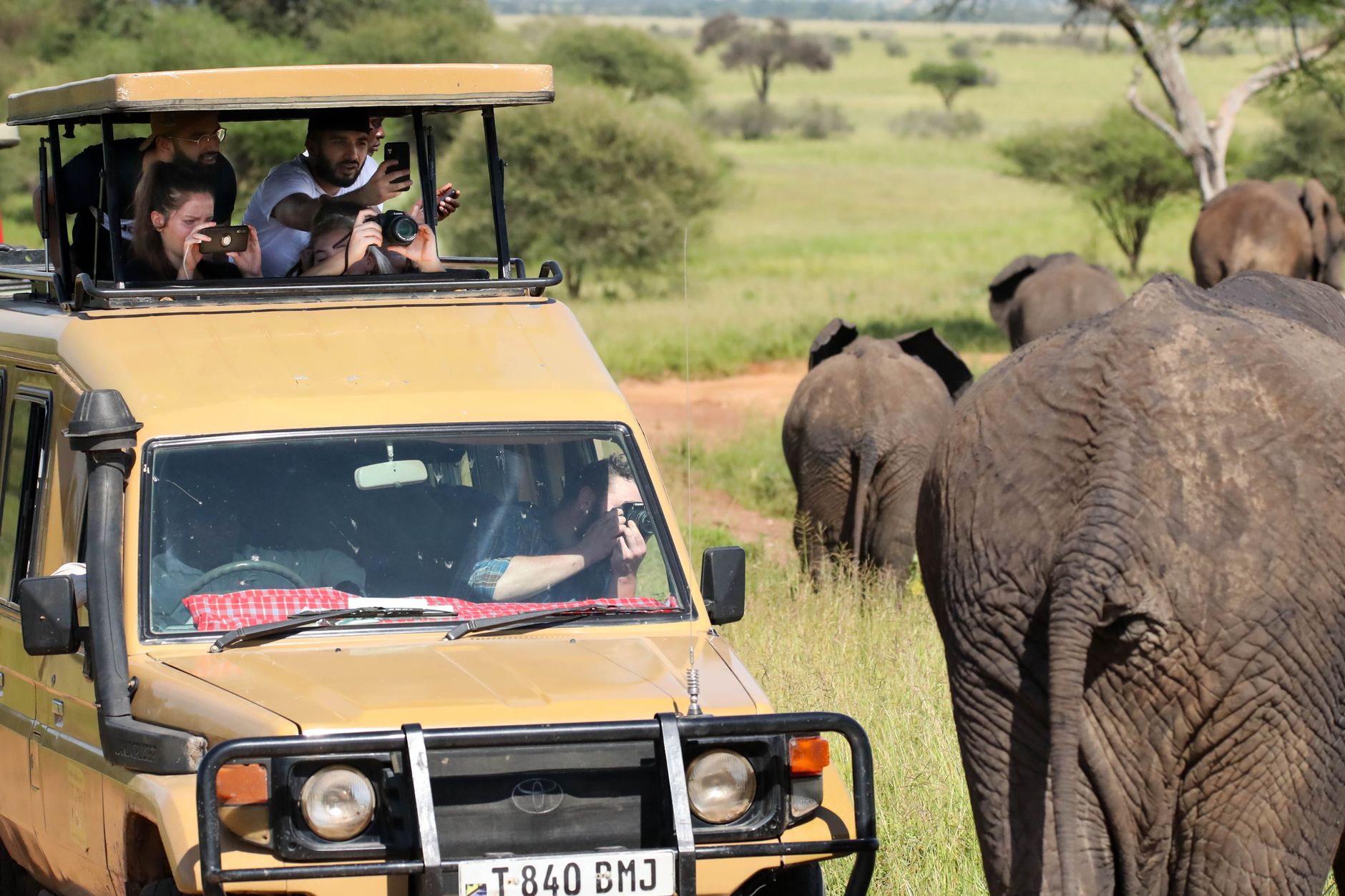
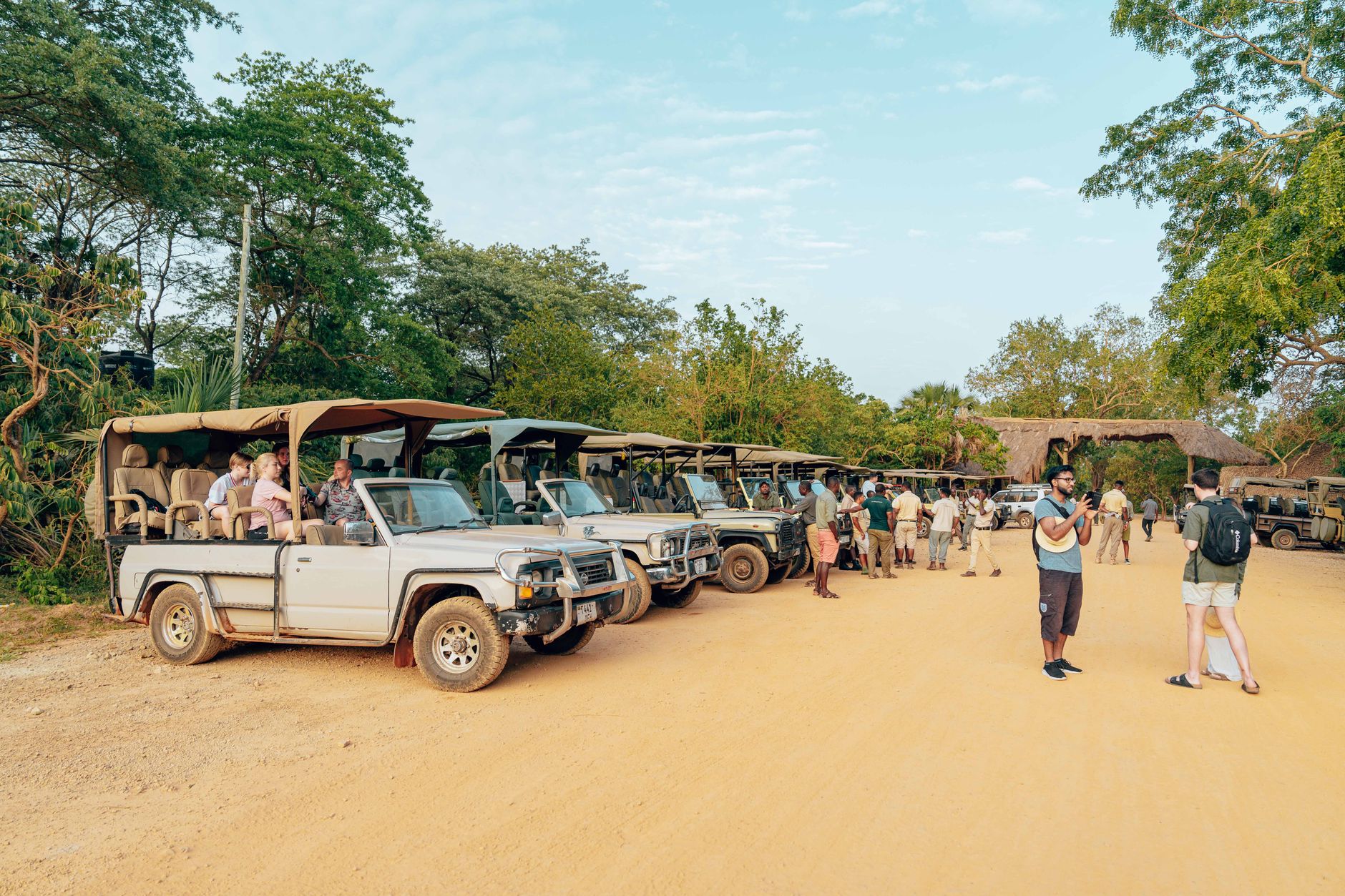
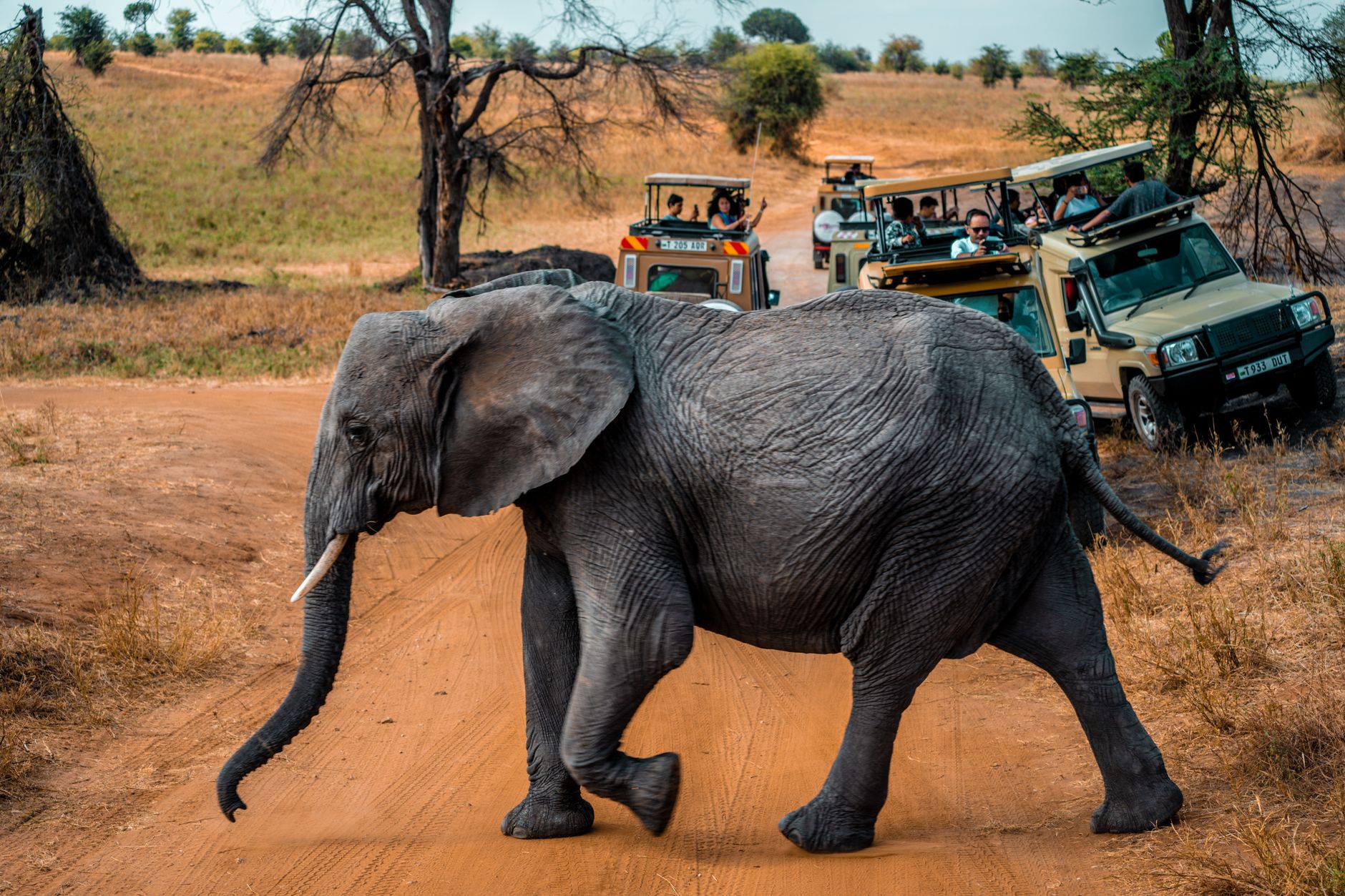
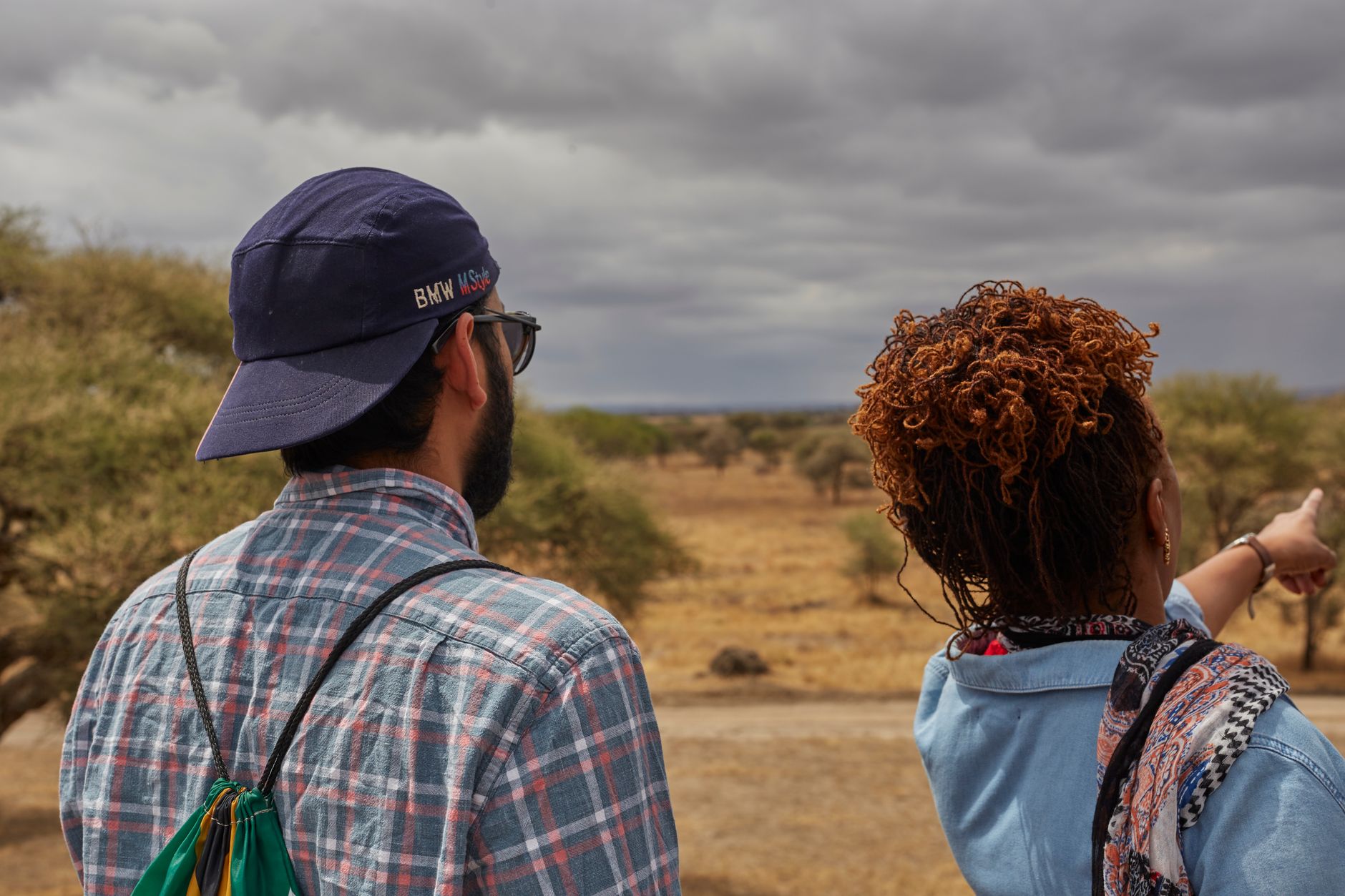
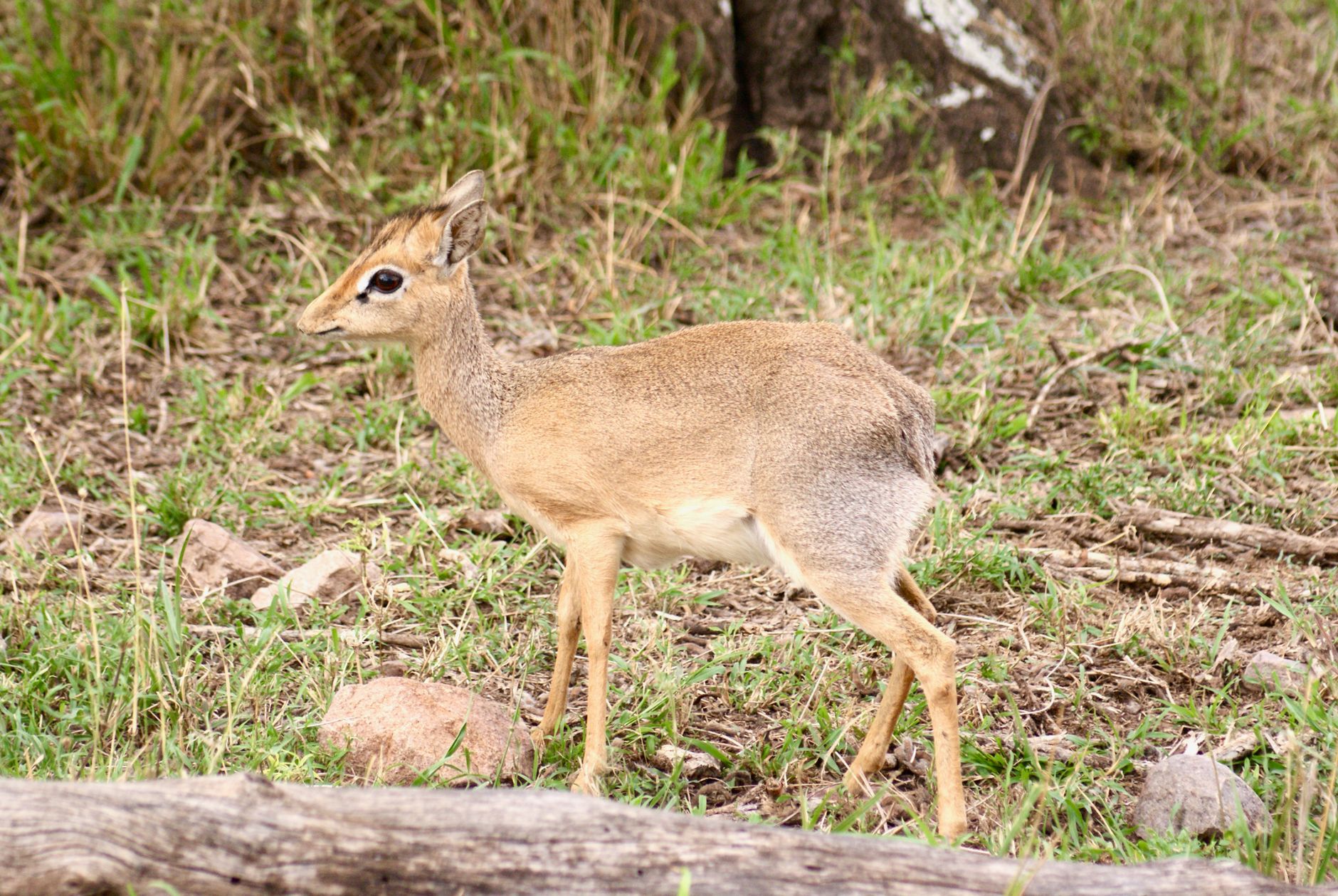
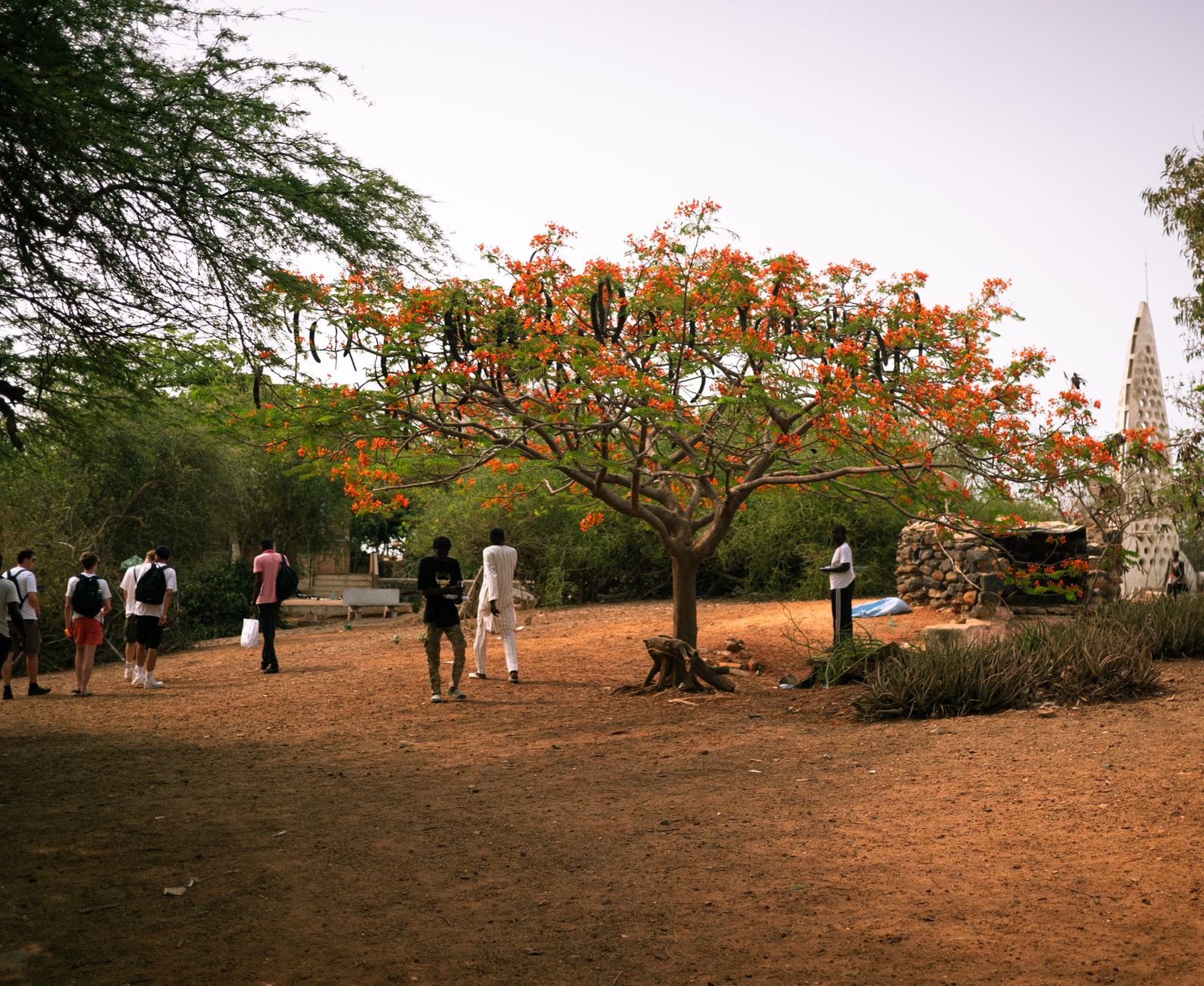
The Seronera River runs through the centre of the Serengeti like a rumour of water in a dry world, and the trees that follow its course — fever acacias, sausage trees — are where the leopards sleep off their kills. This is the park's operational heart: headquarters, airstrip, visitor centre, fuel pumps, and the oldest safari lodge in the Serengeti all within a few kilometres of each other.
What makes Seronera distinct is density — of infrastructure, yes, but above all of predators. Lions drape themselves across kopjes, cheetahs quarter the open grass south of town, and the river corridor holds one of the continent's highest concentrations of leopard. George Schaller did his foundational lion research here in the 1960s. The cats are still performing.
💛 What travellers fall for
People who know Seronera well tend to say the same thing: drive the river loop before 8am, when the light is low and the vehicles haven't stacked up yet. The Visitor Centre koppie walkway is worth twenty minutes for orientation — the migration map puts everything else in the park into context before you set off.
How Seronera came to be
The land around Seronera was gazetted as a game reserve in 1929, but it was the 1951 proclamation of Serengeti National Park that turned the settlement into a functioning headquarters. Myles Turner, warden through the 1950s and '60s, built the anti-poaching infrastructure that transformed a paper reserve into a genuinely protected territory — his memoir, My Serengeti Years, remains a reference point for anyone serious about the park's past.
In 1966, the Serengeti Research Institute (now TAWIRI) opened near Seronera, and George Schaller arrived to conduct the first rigorous scientific study of lion behaviour ever attempted. Seronera Wildlife Lodge had already been receiving guests since 1960, built around a granite outcrop in a style that set the template for low-footprint safari architecture in East Africa.
Who and what shaped it
People who shaped it
Landmark buildings
Plan your visit
On the map
When to go
The dry season, June through October, keeps days around 27°C with cool mornings near 12°C — comfortable for long hours in an open vehicle. The wet season, November to May, is warmer and muggier, with the heaviest rain falling March to May; the grass grows tall and the southeast plains come alive, but tracks can turn slow.
Right now
Background & history adapted from Wikipedia (CC BY-SA) · specs from Wikidata (CC0) · weather from Open-Meteo · map data © OpenStreetMap contributors · photos from Wikimedia Commons / Unsplash with per-image credit. No third-party reviews or social posts reproduced.