
Selva di Val Gardena
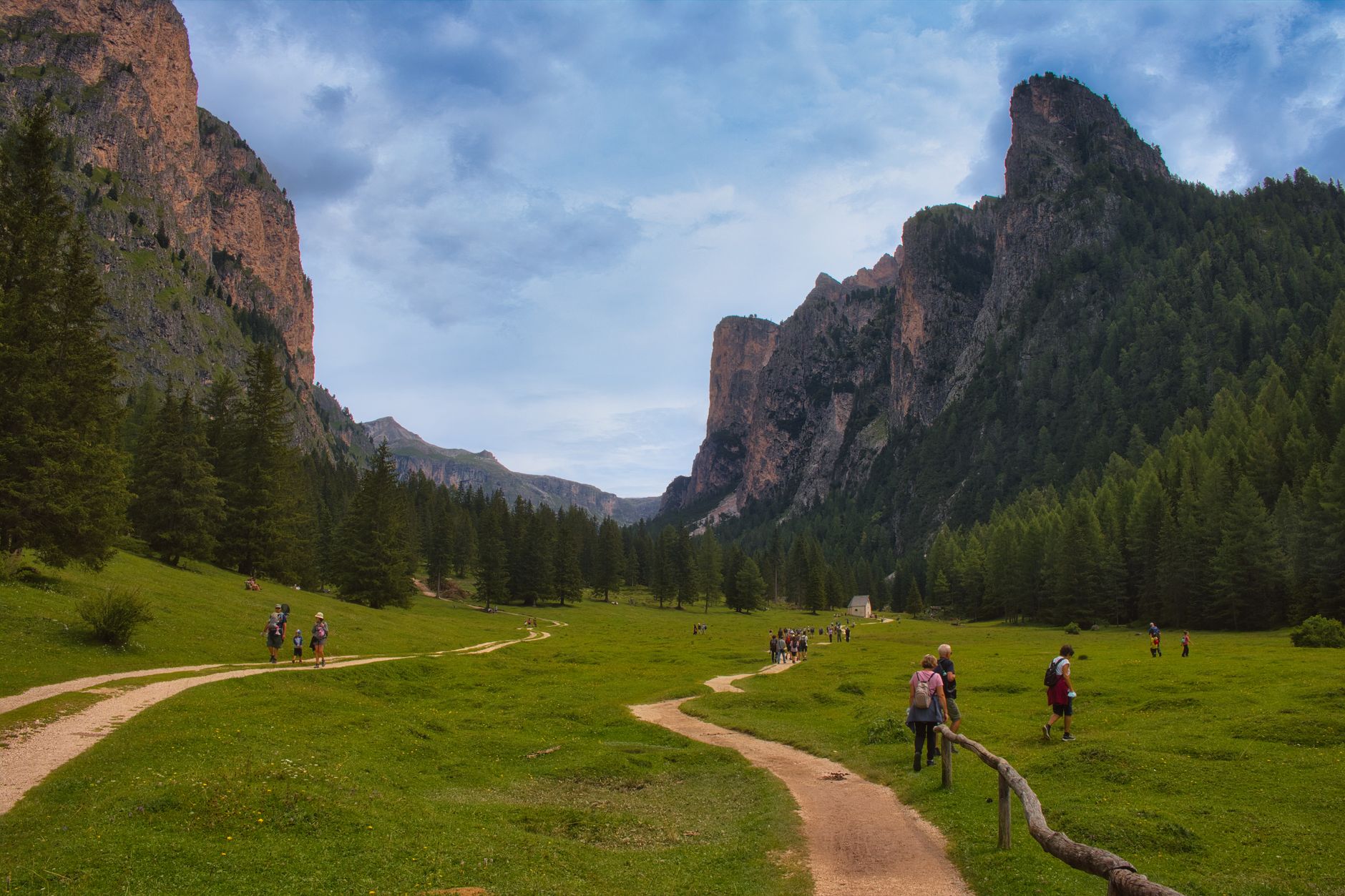
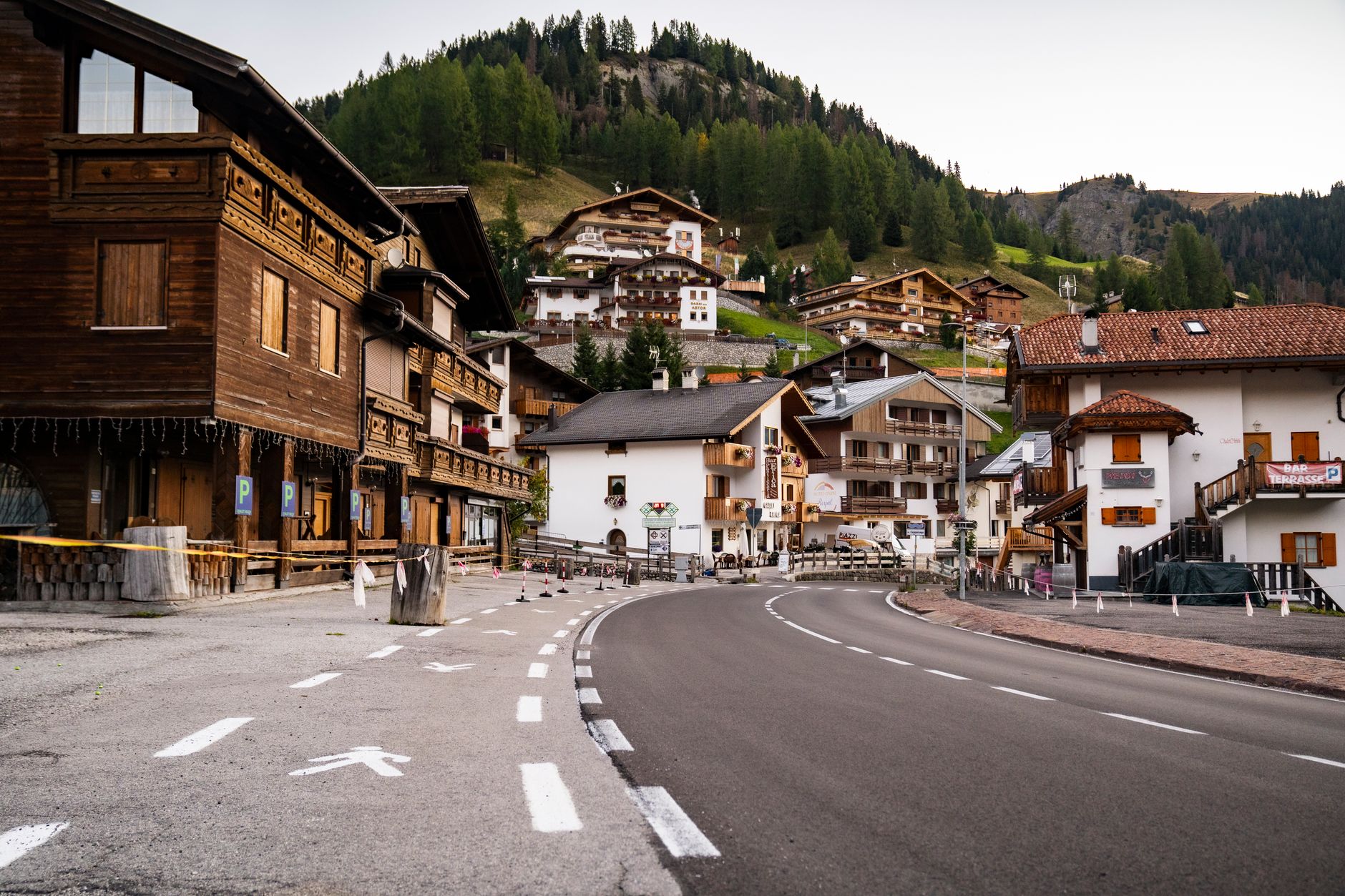
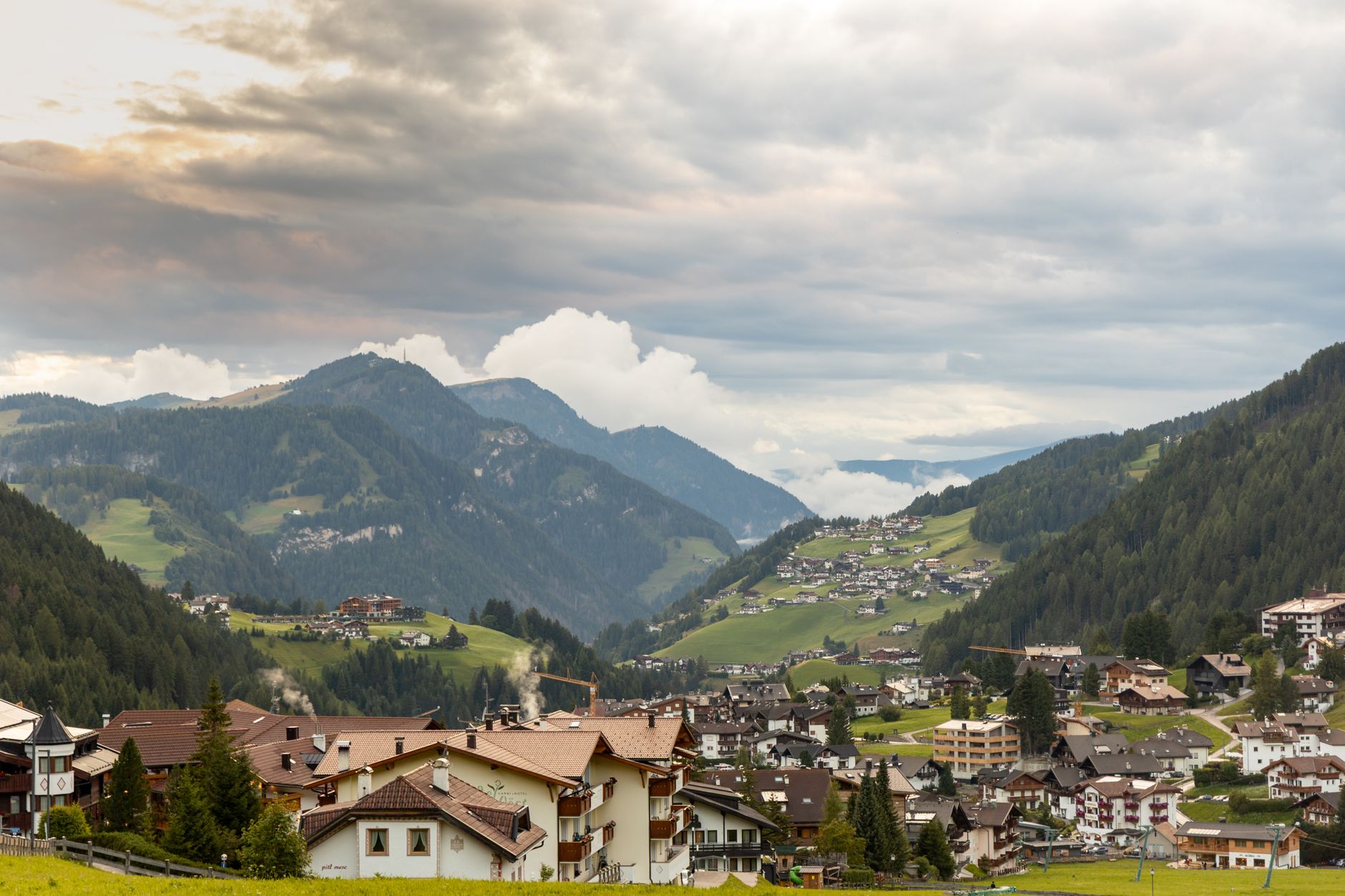
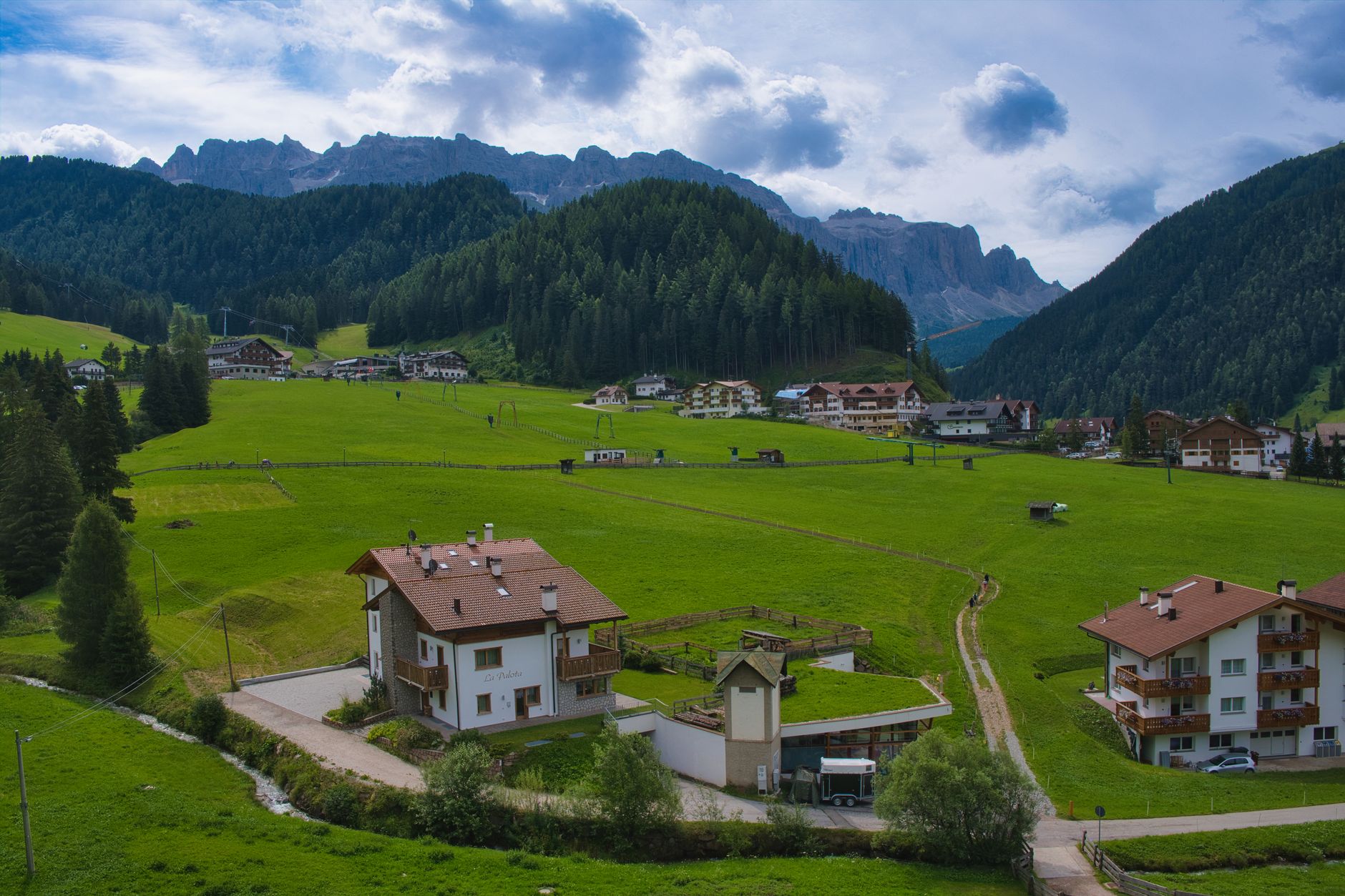
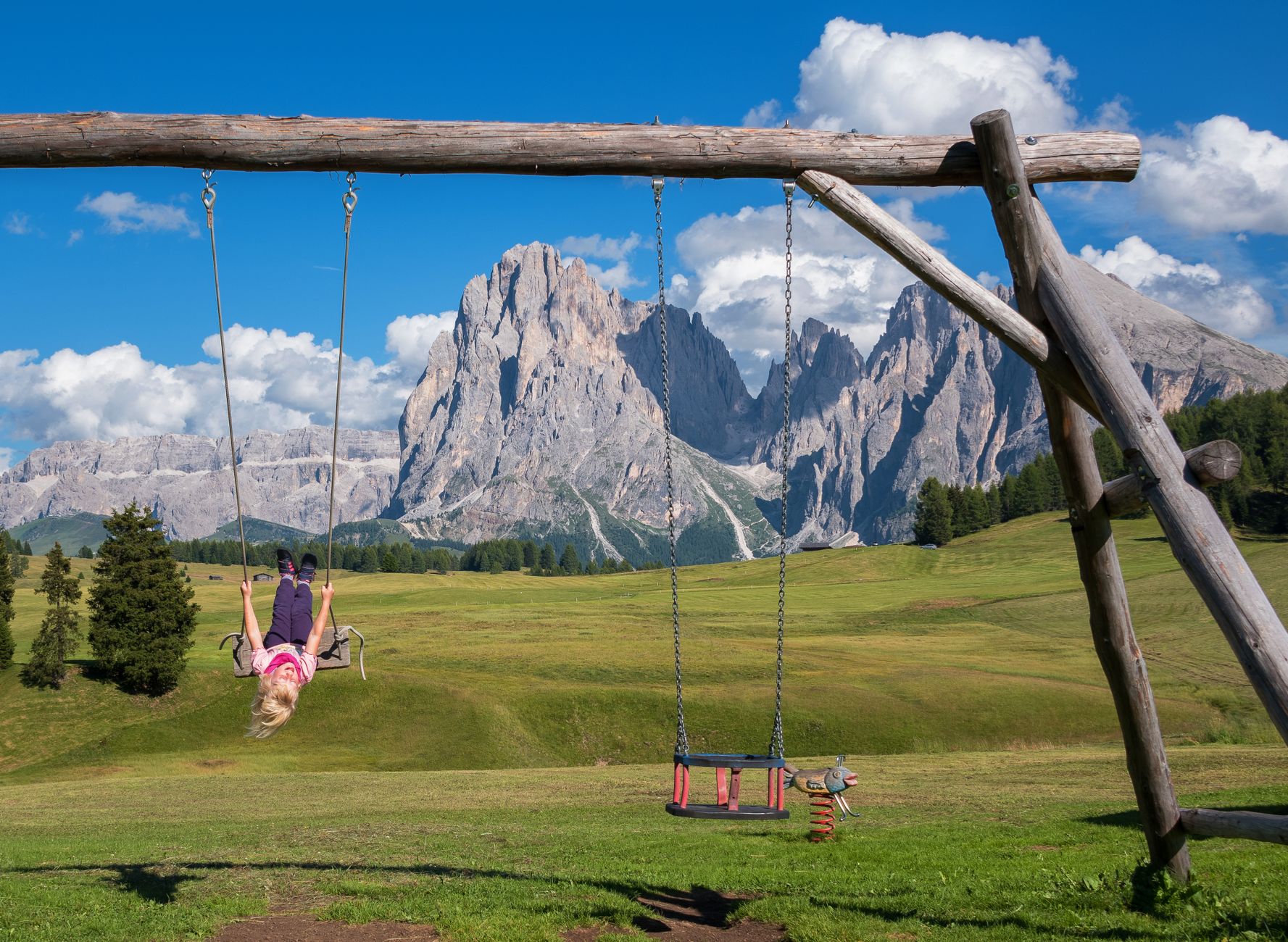
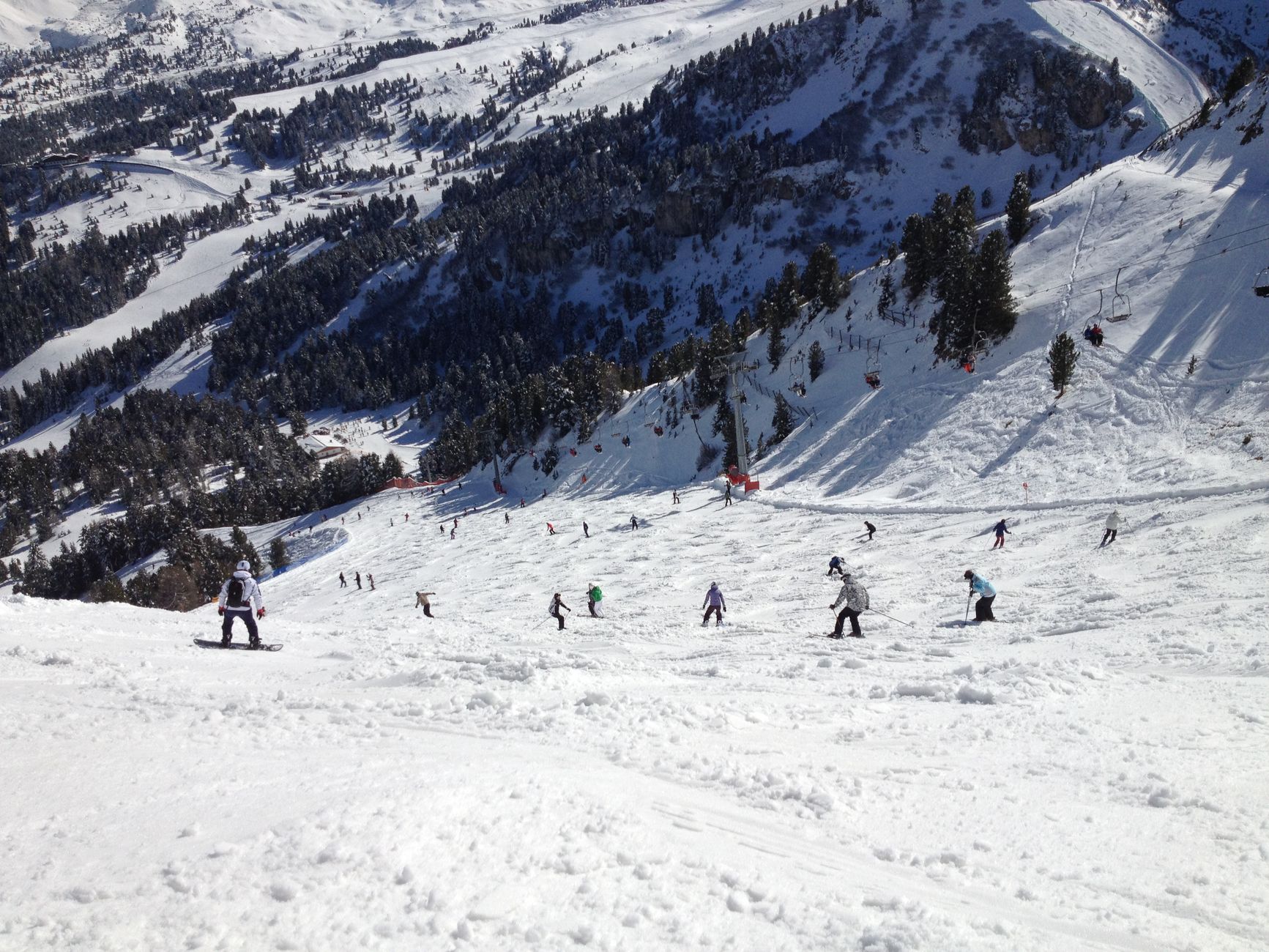
At 1,563 metres, Selva di Val Gardena sits at the head of the valley where the road stops and the Dolomites begin in earnest — the Sassolungo and Sella Group filling the skyline in a way that takes a moment to process. The village has been Ladin-speaking for centuries, and that culture is still audible: street signs run in three languages, and the woodcarving tradition that made Val Gardena famous across Europe continues in workshops you can peer into from the street.
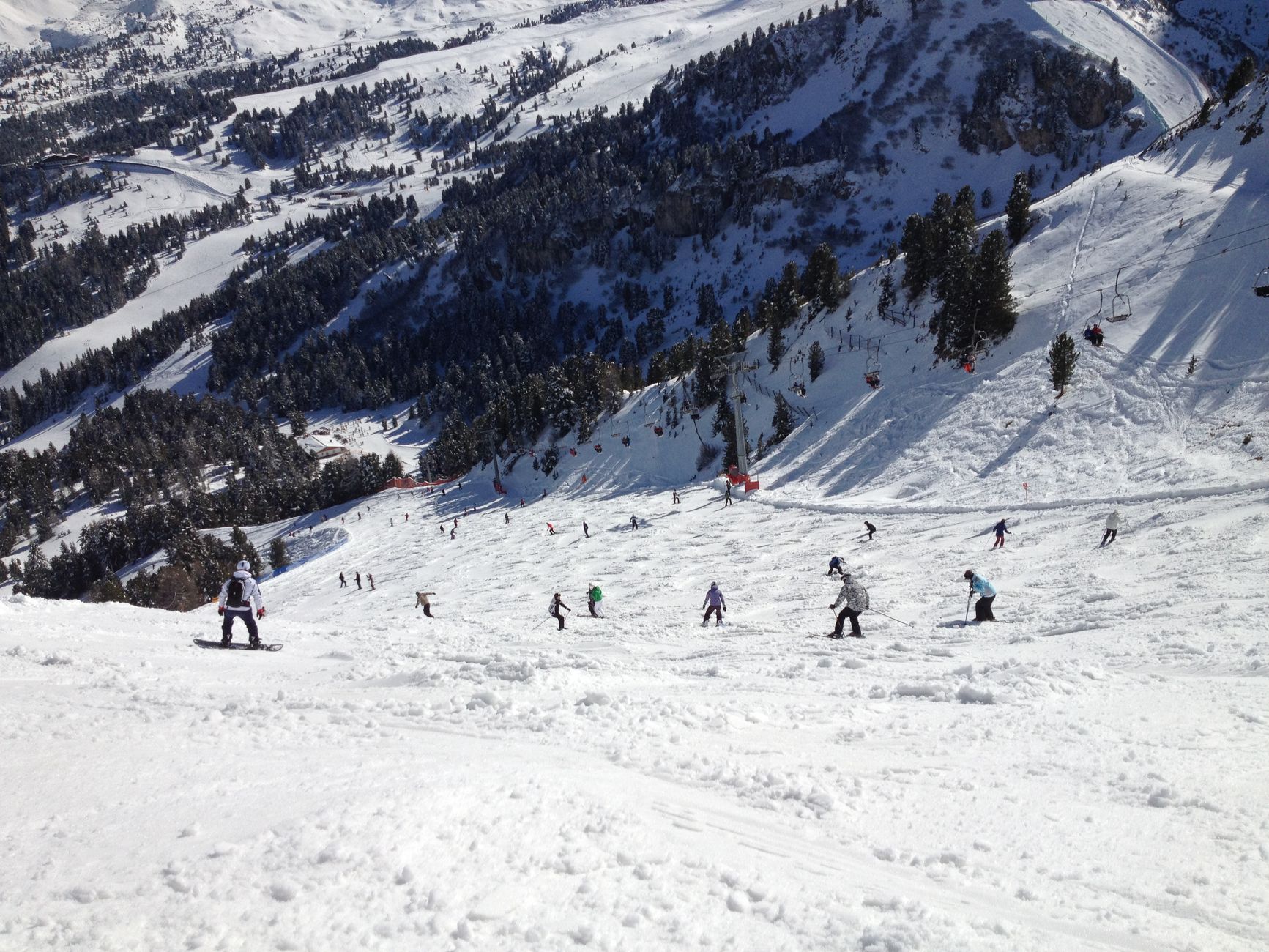
In winter, Selva plugs directly into the Sellaronda circuit — 40 kilometres of linked skiing that loops the Sella massif across four valleys. In summer, the same lifts carry hikers to trails above the treeline, and Piazza Nives becomes the unhurried centre of a slower kind of visit.
💛 What travellers fall for
People who return consistently mention Castel Gardena as the thing first-timers walk past: the Renaissance hunting lodge built between 1622 and 1641 reads almost like a Venetian palazzo dropped into the alpine grass. They also mention timing a morning around the chimes at house Sartëur — nine bronze bells, medieval figures turning at 11 a.m. — before the day's crowds find their rhythm.
Experiences you don't want to miss


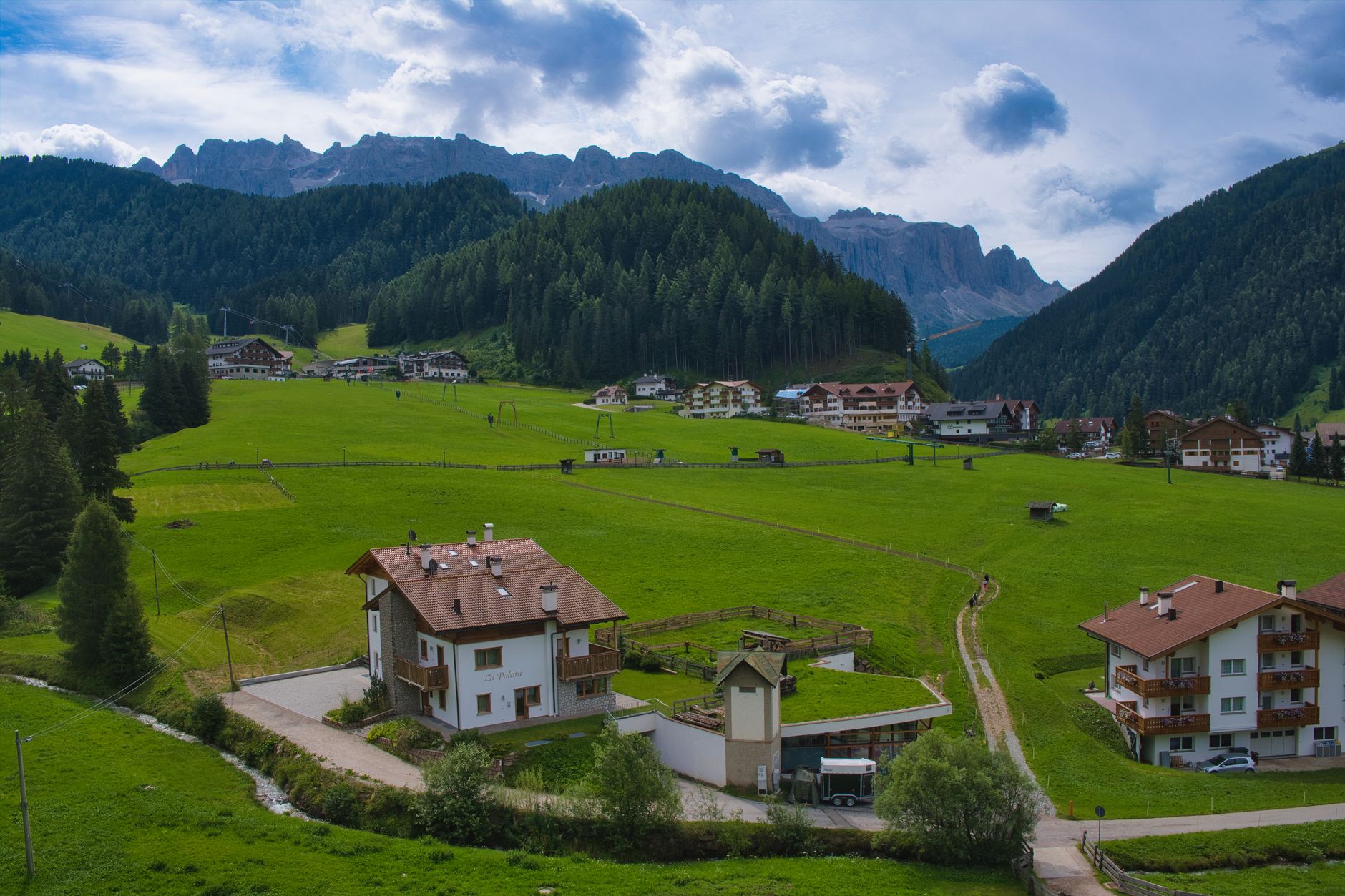

Deals in Selva di Val Gardena
Book directly at the provider
How Selva di Val Gardena came to be
The settlement first appears in records in 1288 under the name 'ze Wolkenstain,' and three years later the Lords of Wolkenstein raised their castle here — its ruins still stand above the valley on Monte Stevia, reached by a short steep path from Vallunga. The family left a more polished mark in Castel Gardena, built 1622–1641 by Engelhard Dietrich von Wolkenstein-Trostburg as a summer residence and hunting lodge in Renaissance style.
For much of the twentieth century, Selva was connected to the wider world by the Val Gardena Railway, which ran from 1916 until 1960. After its closure, road access and then the ski industry reshaped the village into what it is today, while the Ladin language and the woodcarving tradition — both predating the railway by centuries — held their ground.
Who and what shaped it
People who shaped it
Landmark buildings
See Selva di Val Gardena in motion
Plan your visit
On the map
When to go
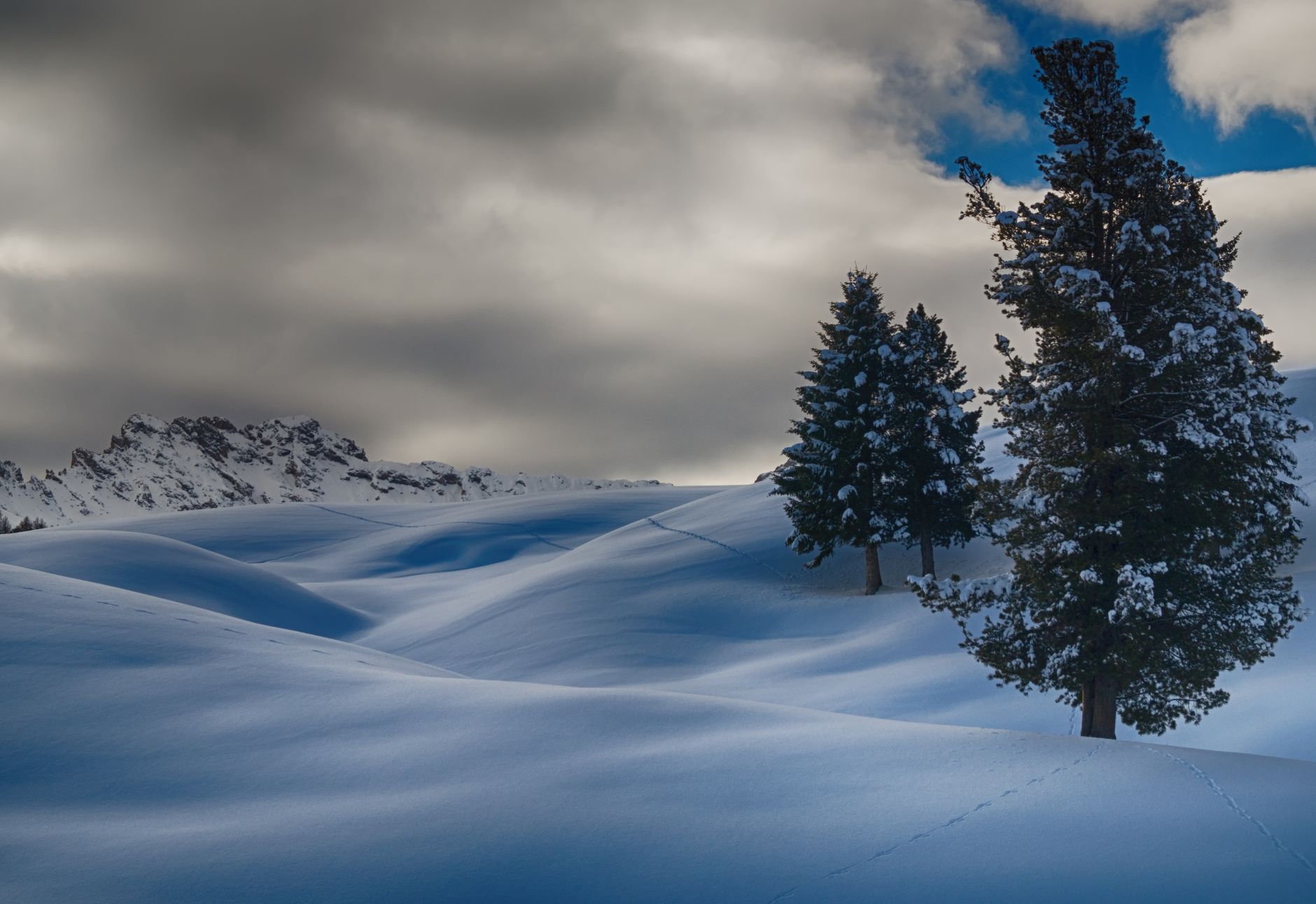
Winters are proper alpine: daytime highs hover around zero in January, nights drop to around -10°C, and snow cover is reliable from December through Easter. Summers are warm without being hot — July averages a maximum of 21°C with over 230 hours of sunshine — though June brings the heaviest rainfall, and even midsummer evenings cool quickly enough to want a layer.
Right now
Background & history adapted from Wikipedia (CC BY-SA) · specs from Wikidata (CC0) · weather from Open-Meteo · map data © OpenStreetMap contributors · photos from Wikimedia Commons / Unsplash with per-image credit. No third-party reviews or social posts reproduced.