
Segovia
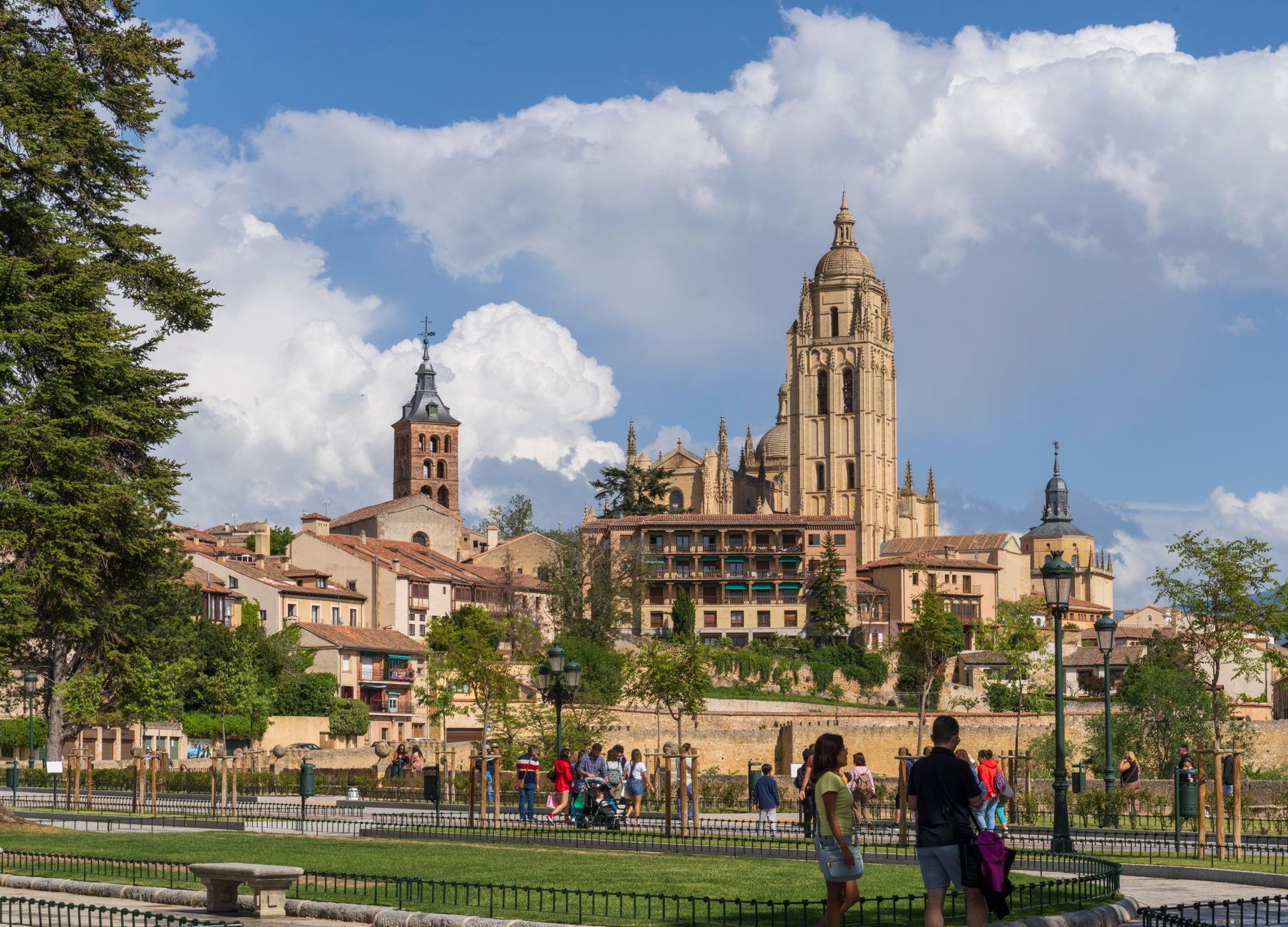
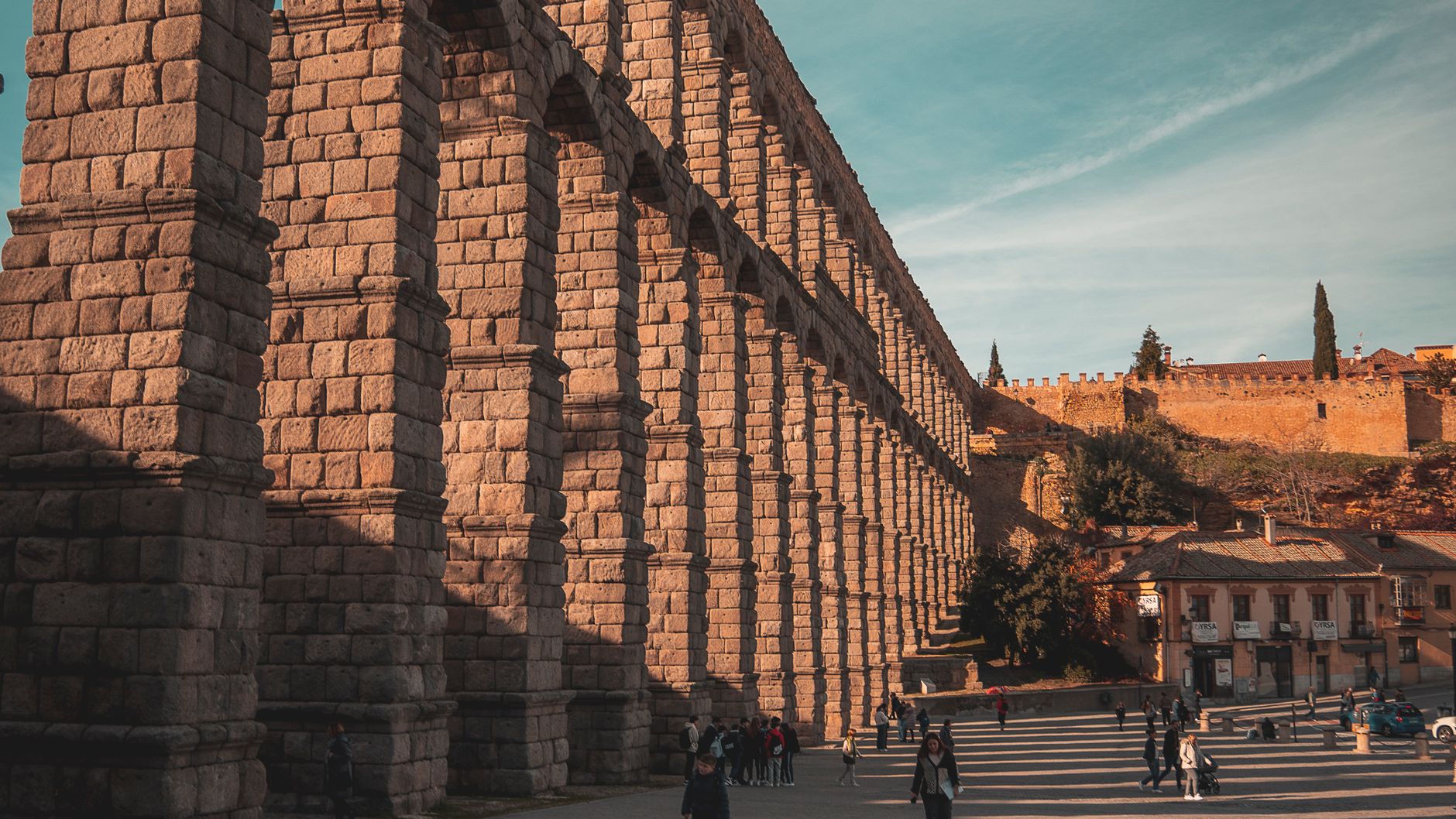
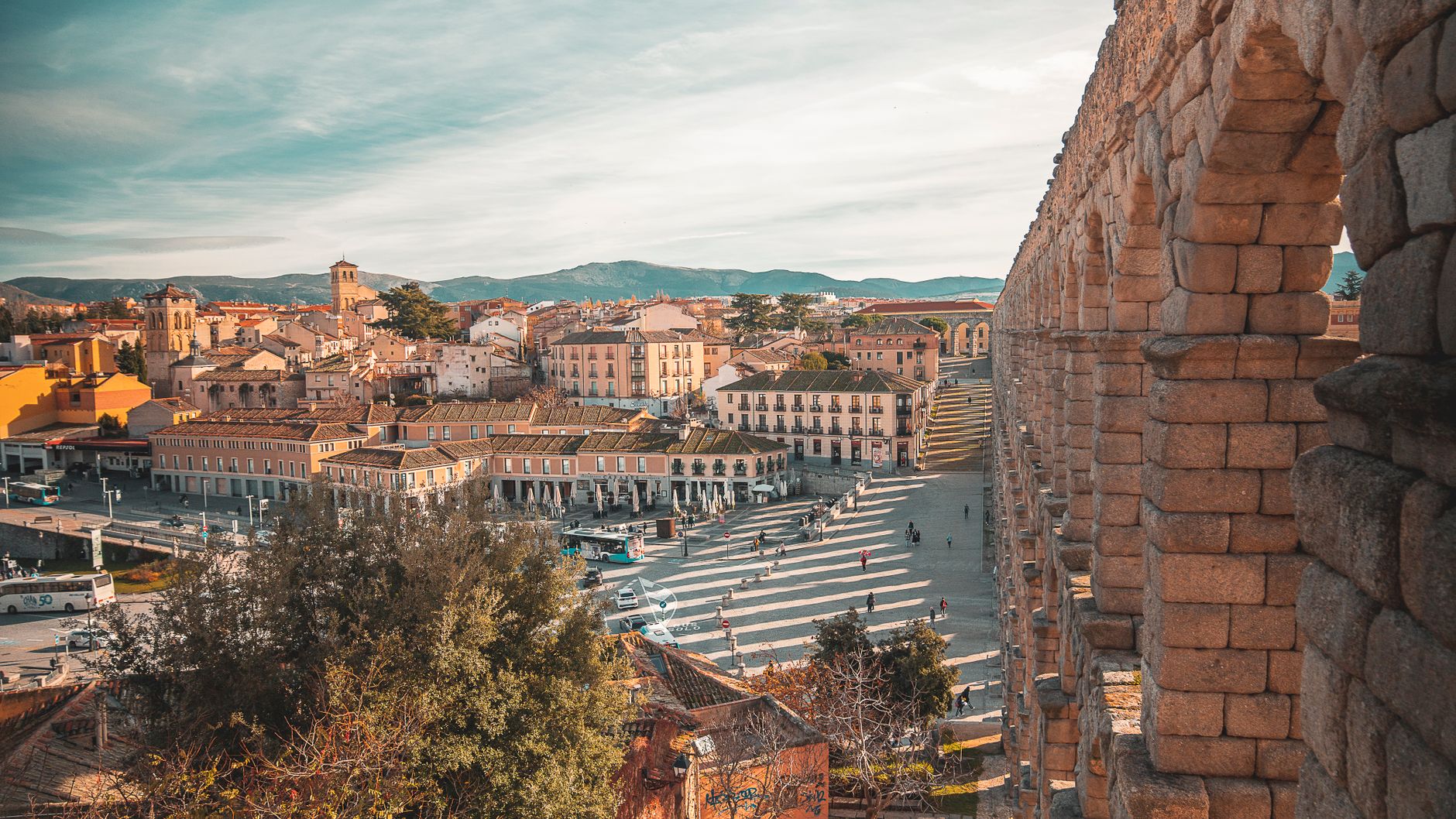
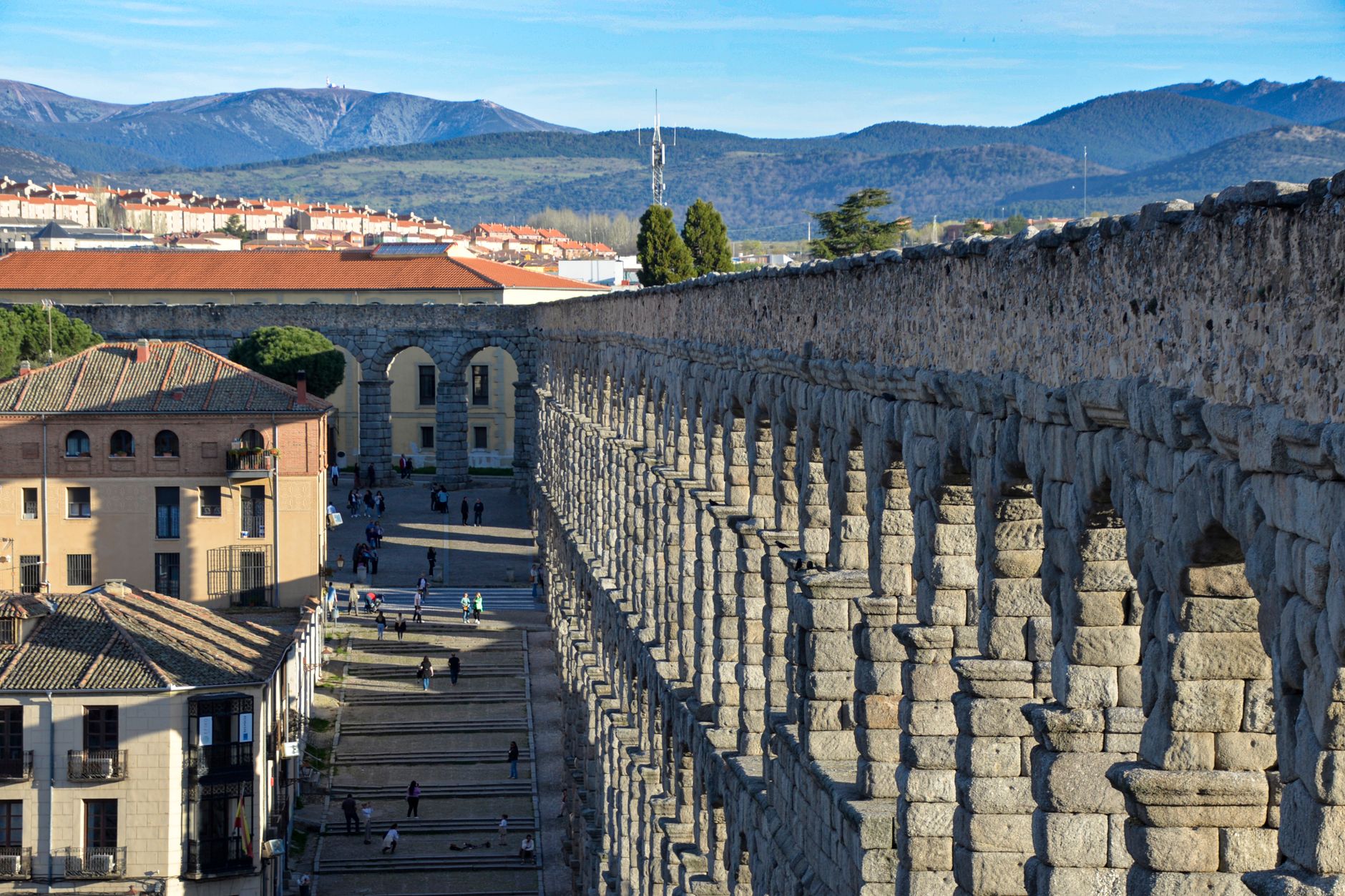
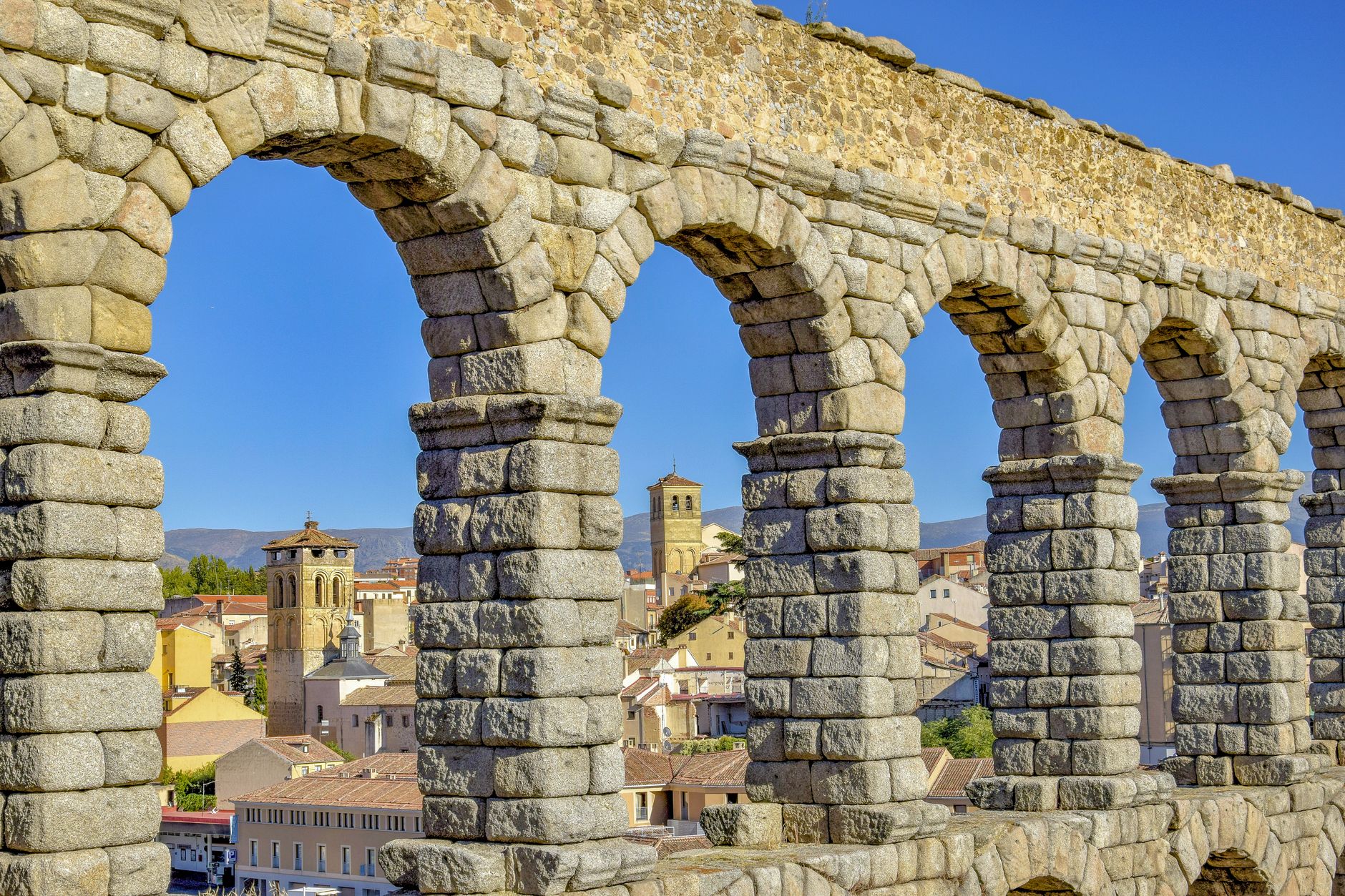
The aqueduct arrives before anything else does. Walking up from the bus stop, you round a corner and there it is: two tiers of granite arches, no mortar, no apology, just 25,000 blocks stacked by Roman engineers sometime in the first or second century AD and still standing at 29 metres at their highest point. Segovia has been building on that fact ever since.
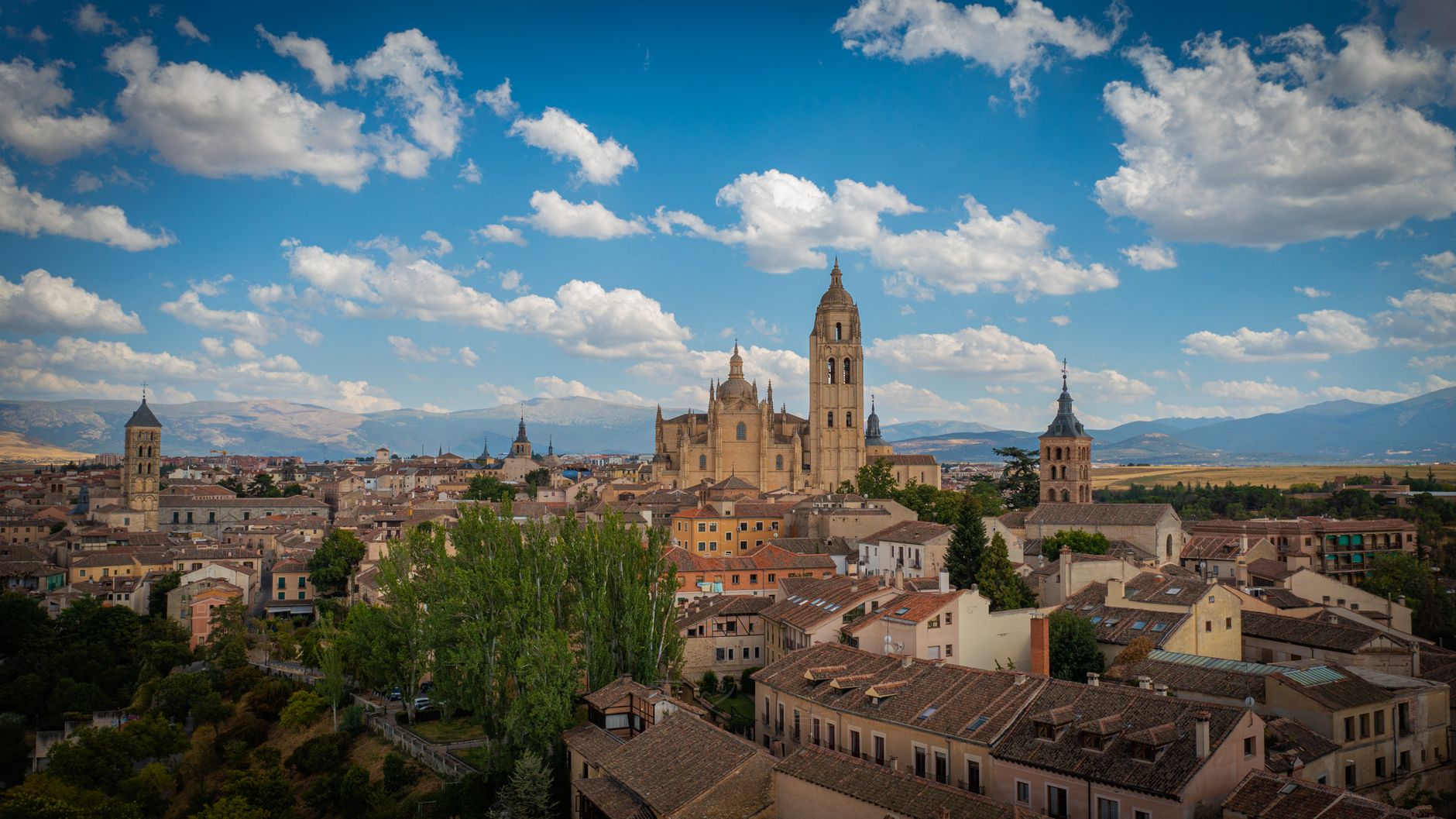
The old city sits on a rocky spur above the confluence of two rivers, and within a short walk of each other you have that aqueduct, a cathedral that took 243 years to consecrate, and an Alcázar that looks like someone drew a castle from memory and then built it anyway. The scale is compact enough that it reads whole rather than scattered.
💛 What travellers fall for
People who come back tend to agree on the aqueduct at dusk, when the tour groups thin and the light goes amber on the granite. They also mention skipping the line at the Alcázar by booking online, and walking the full city wall perimeter rather than just photographing the gates — the views over the plain reward the extra twenty minutes.
Experiences you don't want to miss


Deals in Segovia
Book directly at the provider

How Segovia came to be
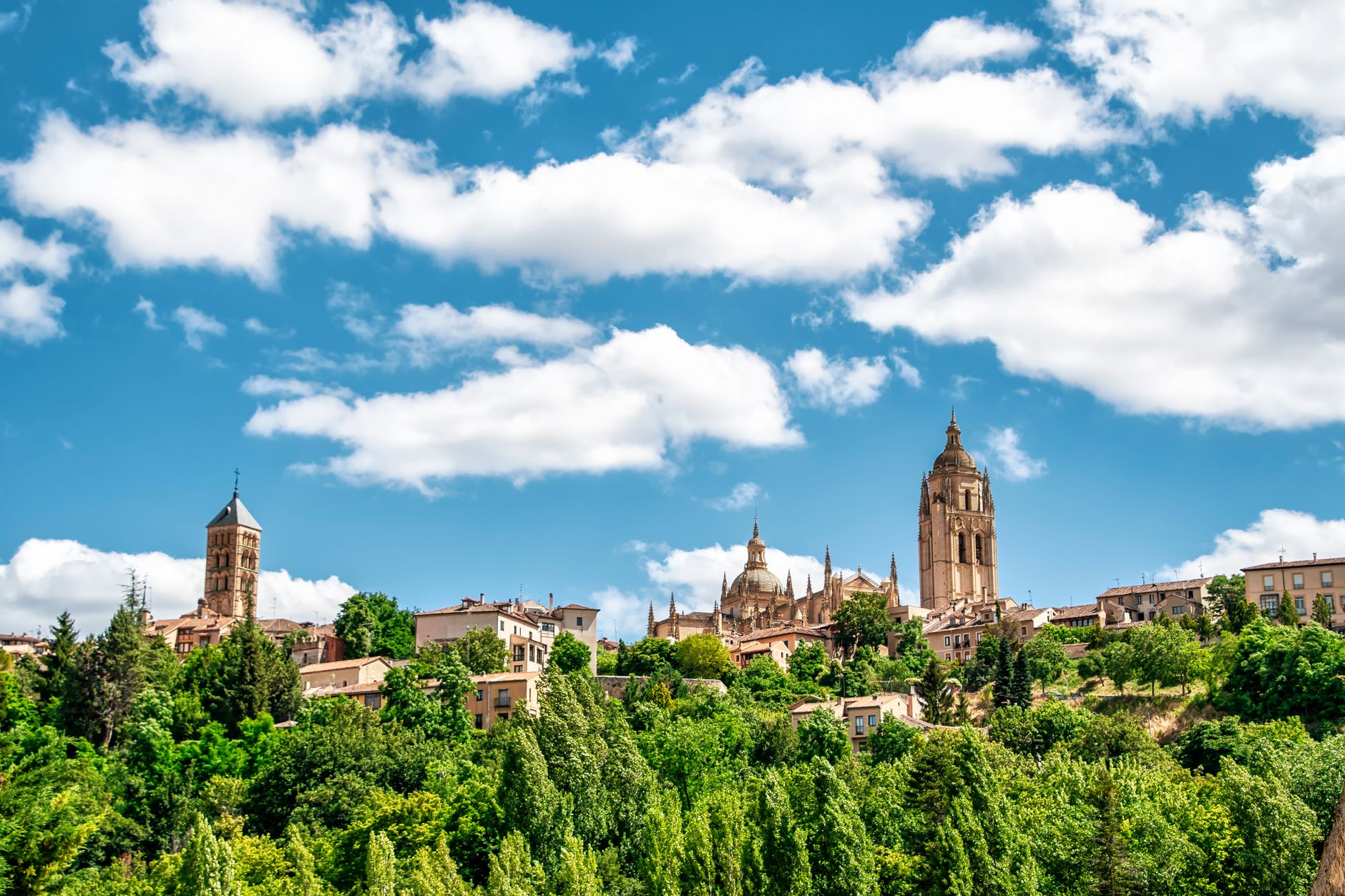
Celts settled the spur around the 5th century BC; Romans absorbed it between 98 and 94 BCE and left the aqueduct as their most legible signature. Arab rule followed, then in 1088 Alfonso VI repopulated the city after the Christian reconquest, building the walls — three kilometres, eight towers, five gates — that still largely stand. The medieval centuries brought a wool and textile trade that funded the churches: San Millán, San Martín, San Esteban, La Trinidad, San Lorenzo, all Romanesque, all 12th century.
On 13 December 1474, Isabella I was proclaimed queen of Castile in Segovia, inside what would become the Alcázar. Fifty years later, construction began on the cathedral — the last Gothic cathedral raised in Spain — with Juan Gil de Hontañón laying the first stone on 8 June 1525. It would not be consecrated until 1768.
Who and what shaped it
People who shaped it
Landmark buildings
See Segovia in motion
Plan your visit
On the map
When to go
Segovia sits at around 800 metres on the Castilian plateau, which means proper cold winters and summers that get warm without becoming oppressive. Spring and early autumn are the most comfortable seasons for walking the streets; July and August bring the strongest sun and the most visitors, while January can be genuinely freezing.
Right now
Background & history adapted from Wikipedia (CC BY-SA) · specs from Wikidata (CC0) · weather from Open-Meteo · map data © OpenStreetMap contributors · photos from Wikimedia Commons / Unsplash with per-image credit. No third-party reviews or social posts reproduced.